VOJIN
VOJIN
1 / 1
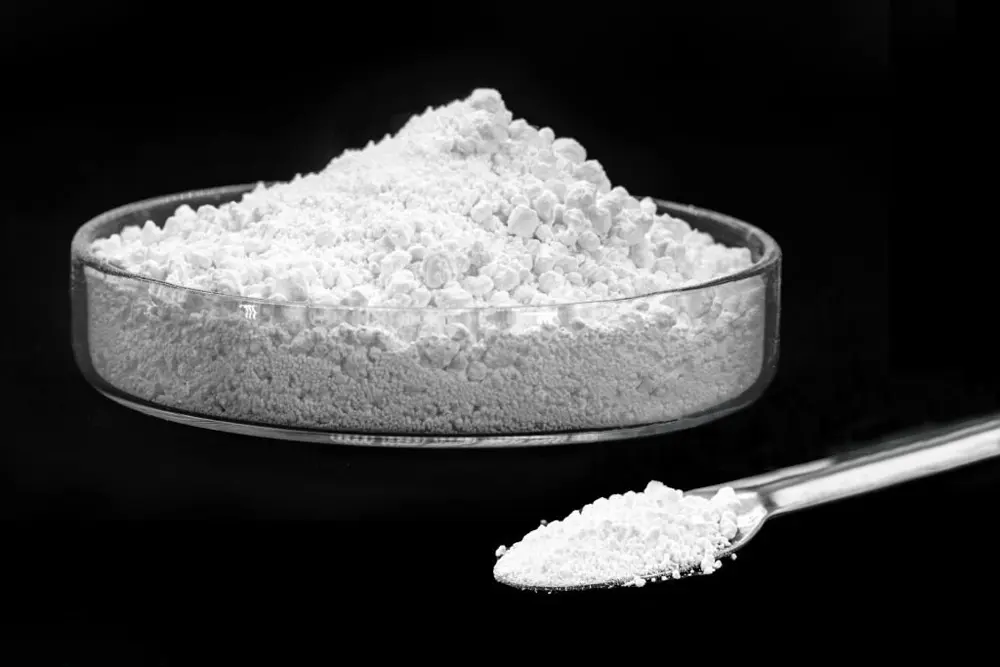
Potassium chloride is an inorganic compound with the appearance of table salt, odourless and salty in taste, and is often used as an additive in low-sodium salts and mineral water. It is also a commonly used clinical electrolyte balance regulator with precise clinical efficacy and has a wide range of applications in the field of medicine. It is soluble in water, ether, glycerol and alkali, slightly soluble in ethanol, but insoluble in anhydrous ethanol. The solubility in water increases with the rise of temperature and it is easy to agglomerate. Potassium chloride also has strong hygroscopicity, so it needs to be protected from moisture when stored.
Potassium chloride is widely used in the manufacture of other potassium salts, such as potassium carbonate. Potassium chloride is used as a fertiliser for crops, as well as an analytical reagent, a reference reagent, a reagent for chromatographic analysis and a buffer. In the food industry, KCl is used as a nutritional supplement, gelling agent, yeast food, salt substitute, etc. It is used to fortify potassium for the body's electrolytes, and can also be used to formulate beverages for athletes.
It is important to note that although potassium chloride is used in a number of applications, an overdose of it taken orally can lead to poisoning, and an overdose given intravenously can lead to cardiac arrest and sudden death.
| Inspection Items | Unit | Superior Grade | First Grade | Qualified Grade |
|---|---|---|---|---|
| Potassium oxide (K₂O) content | % ≥ | 62.0 | 60.0 | 58.0 |
| Water (H2O) content | % ≤ | 2.0 | 2.0 | 2.0 |
| Ca + Mg content | % ≤ | 0.3 | 0.5 | 1.2 |
| Sodium chloride (NaCl) content | % ≤ | 1.2 | 2.0 | 4.0 |
| Water insoluble content | % ≤ | 0.1 | 0.3 | 0.5 |
White crystal, extremely salty, odorless and non-toxic. Soluble in water, ether, glycerol and alkali, slightly soluble in ethanol, but insoluble in absolute ethanol, hygroscopic and easy to agglomerate; The solubility in water increases rapidly with the increase of temperature. It often plays a double decomposition role with sodium salt to form new potassium salt.
Plastic woven bag or paper plastic composite bag, lined with plastic bag, net weight 25 / 50kg/Jumbo bag or according to customer's requirements.

What are the main applications of Potassium Chloride?
Potassium Chloride is widely used as a crop fertilizer, a raw material for manufacturing other potassium salts, a laboratory reagent, and an electrolyte regulator in medicine. In the food industry, it serves as a nutrient supplement, gelling agent, yeast food, and low-sodium salt substitute.
What is the solubility profile of Potassium Chloride?
It is highly soluble in water, ether, glycerol, and alkali. It is slightly soluble in ethanol but completely insoluble in anhydrous ethanol. Notably, its solubility in water increases rapidly as the temperature rises.
How should Potassium Chloride be properly stored?
Potassium Chloride has strong hygroscopicity (moisture-absorbing capacity) and is prone to agglomeration. It must be stored in a dry, cool environment and protected carefully from moisture during storage and transport.
What packaging options are available for Potassium Chloride?
It is standardly packaged in plastic woven bags or paper-plastic composite bags with an inner plastic lining. The net weight is typically 25kg, 50kg, or jumbo bags, and can also be customized based on specific requirements.
Are there safety precautions to keep in mind when handling Potassium Chloride?
Yes. While it is commonly used in food and medicine, an oral overdose can lead to poisoning. Furthermore, an intravenous overdose is extremely dangerous and can cause cardiac arrest, meaning it must be handled and administered with strict compliance to safety standards.