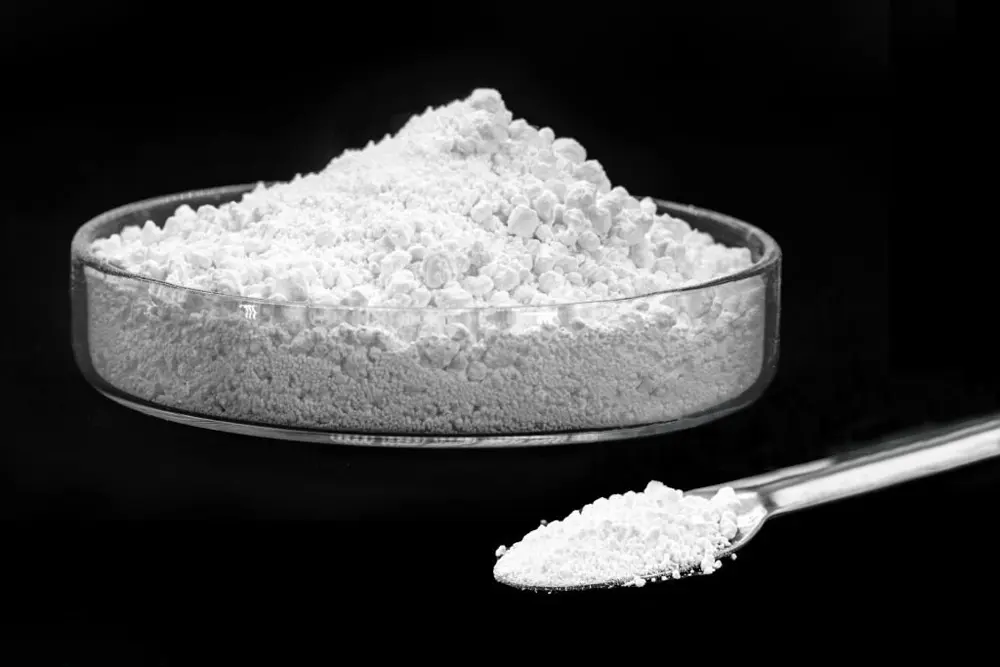
China Monoammonium Phosphate,Vojin New Materials,Phosphate Fertiliser Manufacturer, Manufacturers

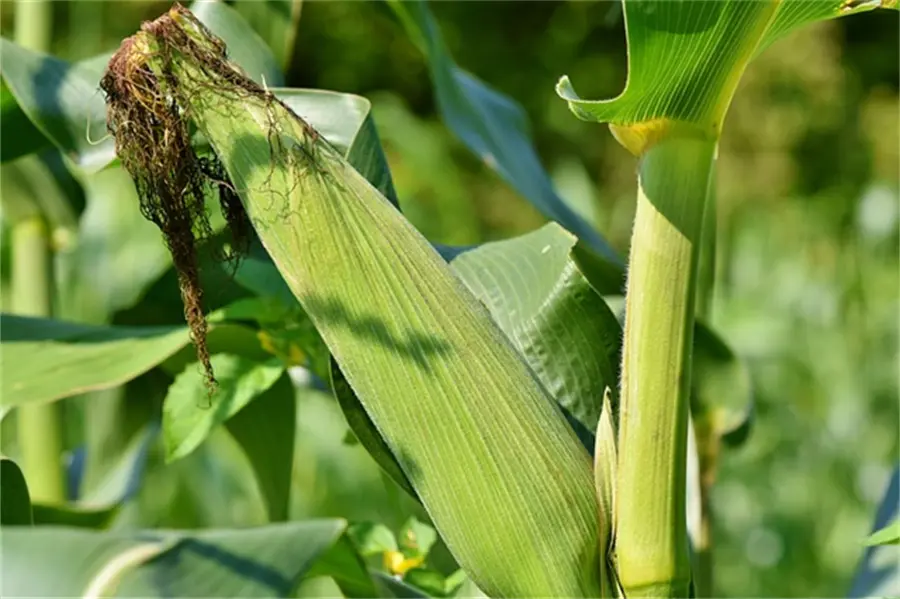
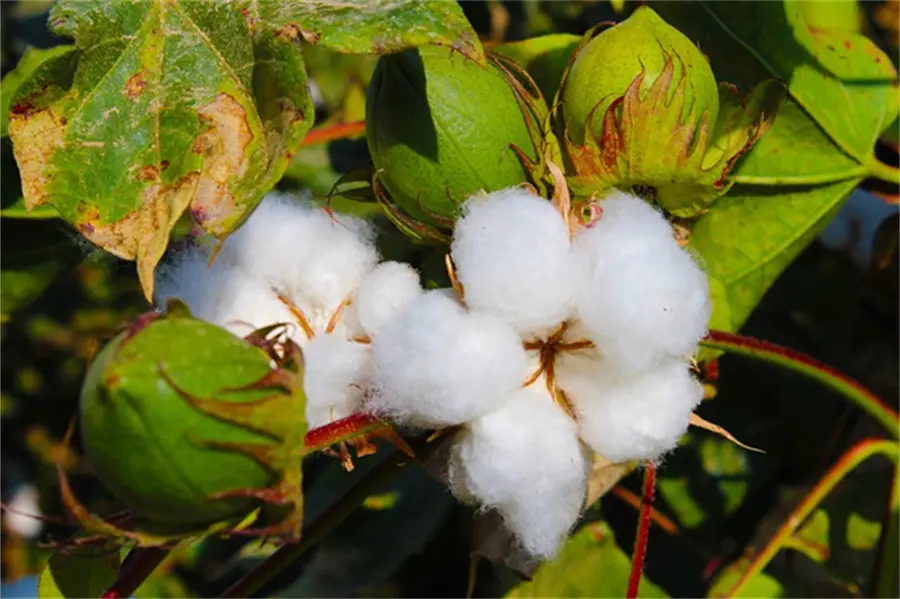
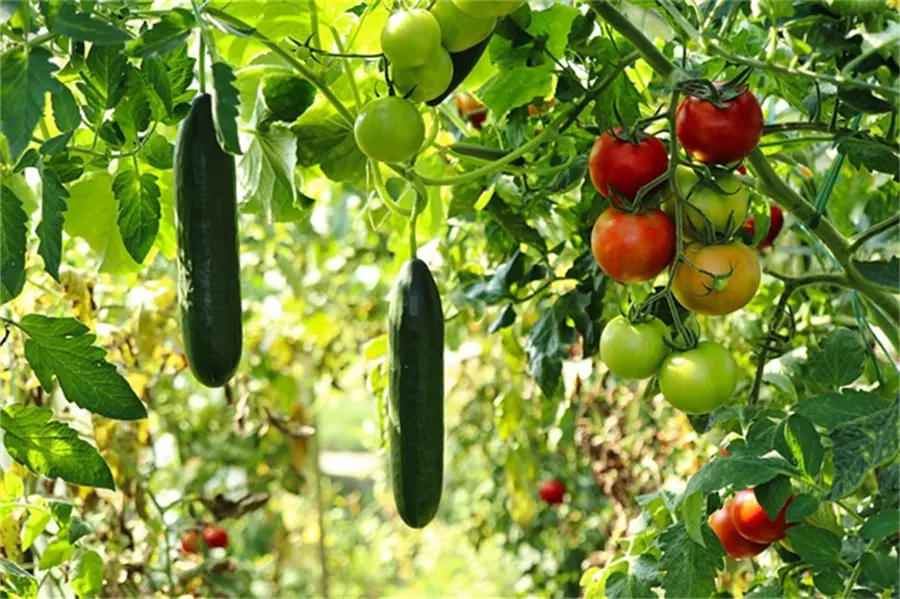
Monoammonium phosphate (MAP) is a water-soluble quick-acting compound fertilizer, the ratio of effective phosphorus (AP2O5) to total nitrogen (TN) content is about 5.44:1, which is one of the main varieties of high-concentration phosphorus fertilizer. The product is generally used as follow-up fertilizer, but also the production of ternary compound fertilizer, BB fertilizer is the most important basic raw materials; the product is widely used in rice, wheat, corn, sorghum, cotton, melons, fruits, vegetables and other food crops and cash crops; widely used in red soil, loam, brown soil, yellow tidal soil, black soil, brown soil, purple soil, white slurry soil and other kinds of soils.

Product Description

Introduction

Monoammonium phosphate, also known as ammonium phosphate, is a highly concentrated, fast-acting nitrogen-phosphorus compound fertiliser. It is colourless or white tetragonal crystals, which are readily soluble in water, the aqueous solution is acidic, slightly soluble in alcohols, but insoluble in ketones. Monoammonium phosphate usually has the appearance of grey or yellowish granules, and is not easily hygroscopic or caked, which makes it suitable for a wide range of crops and all types of soils, especially in alkaline soils and where phosphorus deficiencies are more severe, where the effect of increasing yields is very pronounced.
Monoammonium phosphate is also widely used in industry, for example, as a flame retardant and fire extinguishing agent, and as a dispersant in the fibre processing and dye industries, as a glazing agent for enamel, and as a co-ordinating agent for fireproof paints.
In agricultural applications, monoammonium phosphate is best suited as a base fertiliser, which is usually applied to the soil in combination with ploughing before land preparation, or can be applied in furrows after sowing.
The production process of monoammonium phosphate mainly consists of the combination of a mineral phosphate raw material (e.g. apatite) and concentrated sulphuric acid in a
Please note that although monoammonium phosphate has a significant effect on increasing agricultural yields, overuse may have negative impacts on the environment and crops.

Specifications

Index National Standard
Ammonium dihydrogen phosphate (%) 98
As (%) 0.0005
PH 4.0-4.5
Water-insoluble (%) 0.003
Heavy metal (%) 0.003
K (%) 0.003
Fe (%) 0.0005
Chlorid (%) 0.00025
Sulfur compound (%) 0.0025
Nitrate (%) 0.001
Clarity test Qualified

Package

Plastic woven bag or paper plastic composite bag, lined with plastic bag, net weight 25 / 50kg/Jumbo bag or according to customer's requirements.

Storage

Should be stored in a dry, ventilated and clean warehouse.

Application

Frequently Asked Questions

What is Monoammonium Phosphate (MAP)?
Monoammonium phosphate (MAP) is a highly concentrated, fast-acting nitrogen-phosphorus compound fertilizer. It typically appears as colorless or white crystals, or grey/yellowish granules, and is highly soluble in water.
What are the main agricultural benefits of Monoammonium Phosphate?
It is suitable for a wide range of crops and soil types, especially alkaline soils and areas with severe phosphorus deficiencies. Because it is fast-acting and highly concentrated, it significantly increases agricultural yields.
How should Monoammonium Phosphate be applied to crops?
MAP is best suited as a base fertilizer. It is commonly applied to the soil in combination with ploughing before land preparation, or it can be applied directly in furrows after sowing.
What are the industrial uses of Monoammonium Phosphate?
In industry, it is widely utilized as a flame retardant and fire extinguishing agent, a dispersant in the fiber processing and dye industries, a glazing agent for enamel, and a co-ordinating agent for fireproof paints.
How should Monoammonium Phosphate be stored?
It should be stored in a dry, well-ventilated, and clean warehouse environment to maintain its quality and prevent moisture absorption or caking.
Are there any precautions when using this fertilizer?
Yes. Although monoammonium phosphate has a significant positive effect on crop growth, overuse should be avoided as it may have negative impacts on both the crops and the surrounding environment.

Related Products