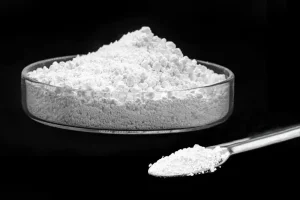
Explore our high-purity inorganic chemical lines engineered for solar power, precision agriculture, and high-performance manufacturing industrial networks.
A comprehensive analysis of global production, localized execution, thermodynamic capacity, and supply chains.
The global chemical economy relies significantly on the Nitrates Series, an essential class of inorganic salts featuring the nitrate ($NO_3^-$) anion. Key industrial variants include Potassium Nitrate ($KNO_3$), Calcium Nitrate ($Ca(NO_3)_2$), Sodium Nitrate ($NaNO_3$), and Calcium Ammonium Nitrate (CAN). These chemical compounds serve as fundamental elements across high-end agricultural nutrition, thermal energy storage systems (TES) for Concentrated Solar Power (CSP) plants, industrial metallurgy, and advanced optical glass manufacturing.
Currently, international demand is rising, driven by two key global transitions: the transition to renewable energy storage and the shift toward precision, water-soluble agricultural fertilization. In concentrated solar power applications, binary molten salts (comprising 60% Sodium Nitrate and 40% Potassium Nitrate) function as excellent heat transfer and storage fluids. This technology operates stably at temperatures up to 565°C, ensuring continuous electricity generation even during non-solar hours. Concurrently, modern agricultural systems utilize chloride-free nitrate nitrogen to prevent soil salinization and improve crop nutrient absorption.
Achieving ultra-high-purity chemical parameters requires rigorous technical processes. Industrial synthesis pathways vary depending on the target compound, but they share a reliance on precise stoichiometric control and clean crystallization mechanisms.
Synthesized primarily through the double decomposition reaction of Sodium Nitrate ($NaNO_3$) and Potassium Chloride ($KCl$), or through direct nitric acid reaction with potassium chloride. The solution undergoes multi-stage fractional crystallization to eliminate chloride ions ($Cl^-$) down to < 50 ppm, preventing corrosion in thermal storage applications.
Produced via the reaction of phosphate rock with nitric acid (the Odda process) or through the direct neutralization of high-quality calcium carbonate ($CaCO_3$) with nitric acid. For Calcium Ammonium Nitrate (CAN), precise additions of ammonium nitrate melt are granulated with calcium carbonate to produce stable, non-caking, and easily dispersible agricultural particles.
Synthesized by absorbing nitrous gases (nitrogen oxides, $NO_x$) into sodium carbonate ($Na_2CO_3$) or sodium hydroxide ($NaOH$) solutions, followed by evaporation, crystallization, and centrifugal drying. Fine tuning the oxidation state guarantees highly consistent food-grade, industrial-grade, or molten-salt-grade compositions.
To prevent caking during long-term storage and ocean transit, we implement custom crystallization modifiers and eco-friendly organic anti-caking agents, ensuring product flowability upon arrival.
For Concentrated Solar Power (CSP), standard industrial nitrates are insufficient. Trace impurities such as chlorides ($Cl^-$), sulfates ($SO_4^{2-}$), and carbonates ($CO_3^{2-}$) accelerate structural corrosion in stainless steel piping. Our specialized molten-salt grade guarantees chloride levels under 50 ppm and moisture contents below 0.1%, effectively lowering the melting point and widening the operating temperature window.
Nitrates act as versatile agents across multiple industries worldwide. Understanding how they function in localized systems provides a clear picture of their industrial importance:
As a leading manufacturer based in Shanxi, China—the global epicenter of nitrate production—Shanxi Vojin New Materials Co., Ltd. offers significant supply chain advantages. Our proximity to key raw coal chemical materials guarantees a steady supply of high-grade nitric acid, synthetic ammonia, and carbonate precursors. This proximity insulates our operations from raw material volatility.
With an annual output of 600,000 Tons, our production lines utilize state-of-the-art automation for crystallization, centrifugation, and packaging. This infrastructure maintains consistent quality from batch to batch. In terms of logistics, our partnerships with major ports (such as Tianjin, Qingdao, and Shanghai) ensure rapid customs processing and prompt ocean freight delivery worldwide.
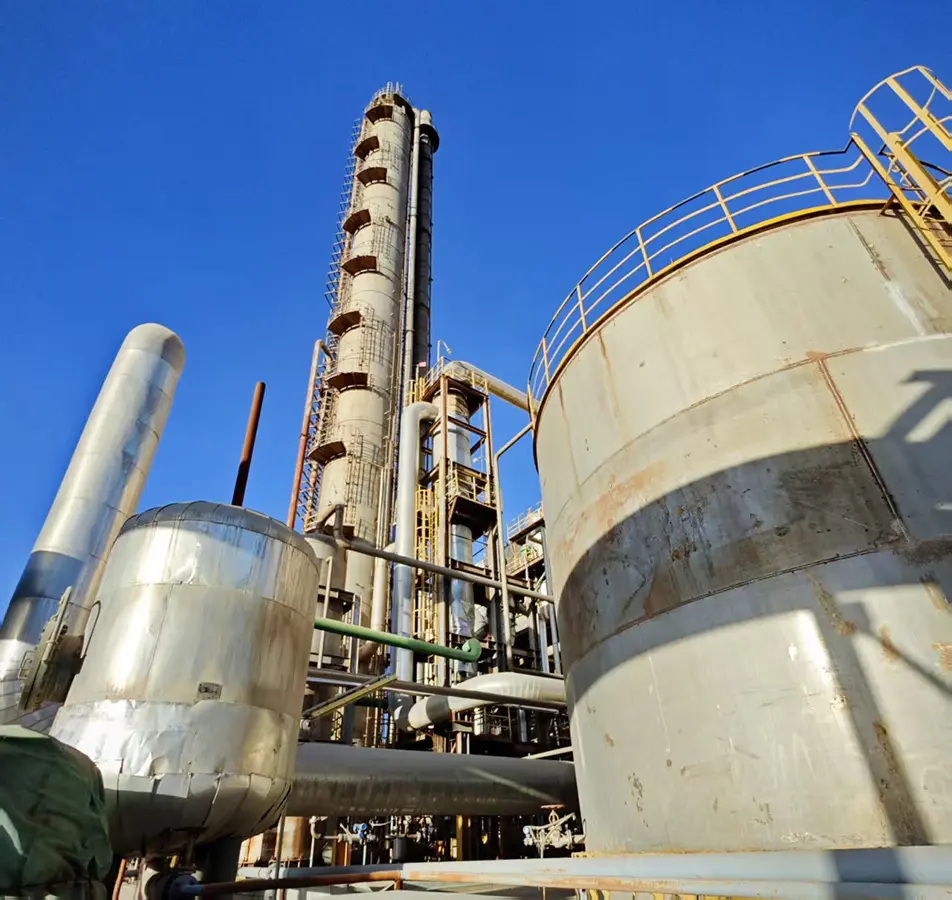
Driven since 2000, we have been committed to the entrepreneurial spirit and passion for innovation. Our team takes pride in delivering dependable products and services with a quality distinction in thermal energy storage & water-soluble fertilizer industries globally.
Our manufacturing footprint spans approximately 1,000 acres, supported by over 15 years of industrial experience and a dedicated technical service team.
Exporting class 5.1 oxidizers requires rigorous safety protocols and compliance measures. All of our products comply with international maritime regulations (IMDG Code) and carry appropriate UN packaging certifications (UN 1486 for Potassium Nitrate, UN 1454 for Calcium Nitrate).
For European Union customers, our products undergo complete REACH Registration to ensure compliance with strict environmental and human health standards. We also offer specialized packaging options, including 25kg, 50kg, and 1200kg UV-resistant woven bags. These options prevent moisture absorption and chemical degradation under varying climate conditions.
Answering key questions on chemistry, storage protocols, and supply chains for procurement managers.
Explore additional products, industrial salts, and specialized water-soluble formulations.
 VOJIN
VOJIN