Core chemical intermediates and high-performance salts optimized for European industrial processes and strict environmental standards.
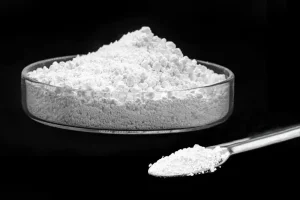
Germany’s industrial blueprint is rapidly transforming under the pressures of the global circular economy, supply chain realignments, and rigorous decarbonization frameworks (such as the EU Green Deal). Historically known for its heavy chemical clusters in Ludwigshafen, the Rhine-Ruhr area, and the Leipzig-Halle region, Germany represents Europe's largest chemical market. However, high domestic production costs and volatile energy markets have forced German enterprises to transition from energy-intensive primary chemical synthesis to the strategic procurement of secondary raw materials, industrial by-products, and co-products.
In Germany's highly structured industrial ecosystem, secondary outputs such as industrial-grade potassium carbonate, sodium nitrate, calcium ammonium nitrate, and specialty gypsum are no longer categorized as industrial waste. Instead, they are regarded as critical, high-value raw inputs. This shift is deeply integrated with the country's strict circular economy regulations (Kreislaufwirtschaftsgesetz - KrWG). For instance, by-products generated from the manufacturing of fertilizers, thermal salts, and coal-conversion systems are purified and reintegrated into highly specialized production streams, reducing environmental footprints and saving substantial operational capital.
Furthermore, Germany’s transition to renewable energy sources has catalyzed an unprecedented demand for nitrate-based molten salts for Thermal Energy Storage (TES) in Concentrated Solar Power (CSP) plants and industrial steam recycling systems. High-quality by-products of potassium nitrate and sodium nitrate serve as the foundational thermal battery media required to stabilize grid fluctuations. To meet these high technical specifications and strict environmental mandates, German procurement agents depend heavily on global manufacturers capable of producing high-purity materials with consistent particle sizes and low heavy-metal traces.
By-products are meticulously refined and redirected to prevent disposal overhead, ensuring complete compliance with the German KrWG regulations.
Potassium and sodium nitrate by-products form the thermal media for grid-stabilizing molten salt heat storage systems across Europe.
All imported materials undergo stringent trace analysis to comply with European Chemical Agency (ECHA) requirements and safety parameters.
The global trade architecture for chemical by-products is defined by regional advantages in raw material reserves and energy infrastructure. While European chemical output has faced contractions due to structural changes and energy transition costs, China’s industrial chemical infrastructure has maintained its position as a global leader in output efficiency and quality control. Chinese manufacturing zones benefit from integrated upstream resource access, advanced process automation, and optimized supply-chain logistics.
Shanxi Vojin New Materials Co., Ltd. demonstrates these manufacturing advantages. Located within one of China’s largest energy and chemical hubs, Vojin integrates advanced synthesis platforms with dedicated purification technologies. This combination allows the company to process industrial by-products into high-grade chemical inputs that meet the rigorous expectations of European industrial clients. The advantages of China-based production facilities include:
Where our specialized by-products and chemical series interface with key German technological sectors.
The industrial demand curve in Germany and broader Central Europe is increasingly driven by sustainability mandates and supply chain resilience. Under the German Supply Chain Due Diligence Act (Lieferkettensorgfaltspflichtengesetz - LkSG), procurement officers are required to trace raw materials back to their source, ensuring ethical, low-emission, and transparent manufacturing processes. As a result, the chemical procurement sector has moved away from speculative spot-market purchases toward long-term strategic relationships with audited and certified suppliers.
A major trend shaping the procurement of by-products is the decarbonization of industrial heat. Conventional fossil-fuel burners are being replaced by high-temperature heat pumps and molten salt storage loops. This technological shift has increased the demand for raw materials like industrial-grade potassium nitrate and sodium nitrate. The purity of these salts is critical: impurities such as chlorides and moisture can lead to corrosion in stainless-steel heat exchangers, potentially causing system downtime. Consequently, buyers in the German energy sector require specialized grades with low-chloride and low-moisture specifications.
In the agricultural sector, strict domestic groundwater protection guidelines (such as the Düngeverordnung) require high-precision fertilizers. Highly soluble compounds like Calcium Ammonium Nitrate and Trace Element Water Soluble Fertilizers are preferred because they enable targeted nutrient delivery, minimizing nitrogen runoff and environmental impact. This demand has made reliable imported sources of specialized agricultural by-products essential for maintaining crop yields across Central Europe's agricultural regions.
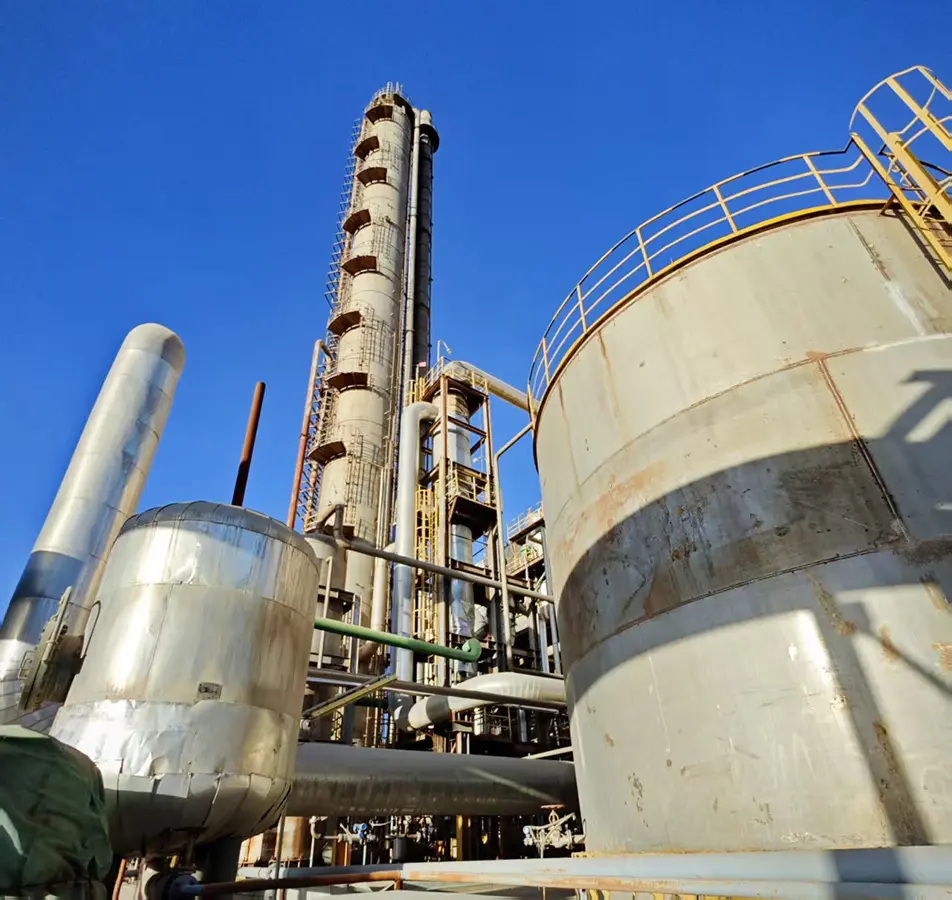
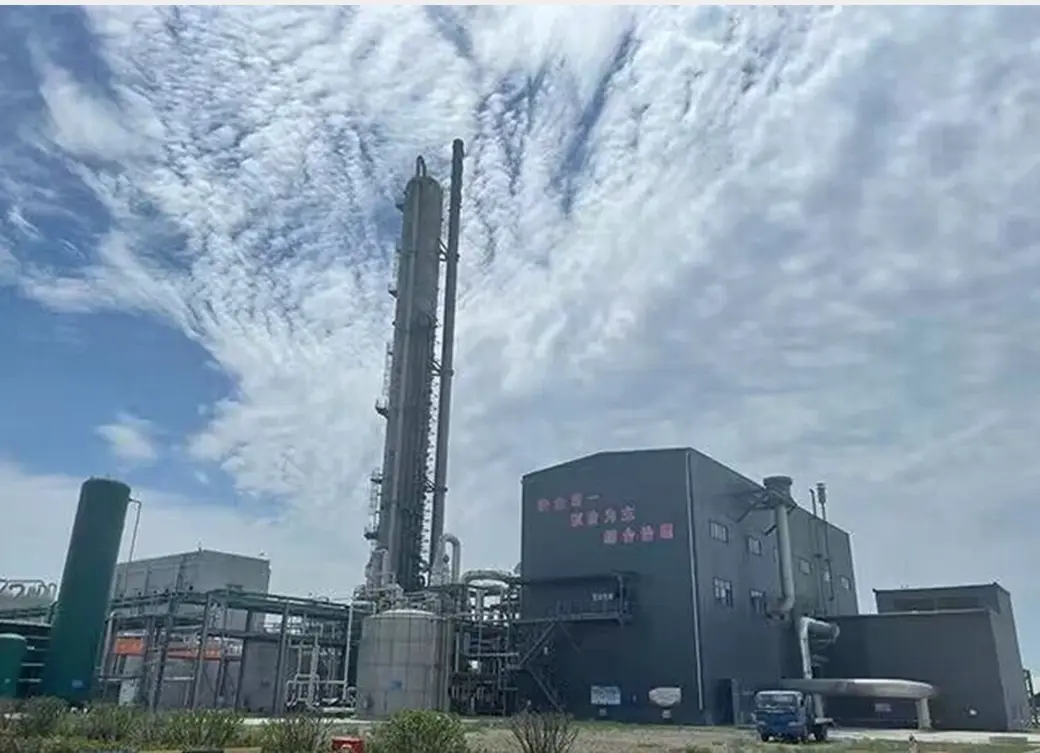
Driven by a commitment to industrial innovation and reliability, Shanxi Vojin New Materials Co., Ltd. has developed into a leading manufacturer of high-purity inorganic salts, nitrates, and water-soluble fertilizers. Our manufacturing systems are designed to meet the strict quality standards of the global market.
We pride ourselves on offering reliable products and technical services for thermal energy storage and water-soluble fertilizer applications worldwide. Our operations integrate raw material refining, automated quality control, and international logistics, ensuring a stable and consistent supply chain for our global partners.
Connect with our Technical TeamDecades of manufacturing expertise and process optimization, delivering consistent quality to the global market.
Our core capabilities designed to support international procurement workflows.

Integrated international export operations, ensuring compliance and quality assurance across all documentation.

600,000 tons annual capacity for molten salts and nitrates, providing supply stability for high-volume orders.
Experienced engineering and technical support teams, offering quick responses and tailored product specifications.
A wide selection of technical products, including KNO3 and NaNO3, to meet diverse industry needs.
Explore our updates on thermal energy storage, molten salt research, and green industrial technologies.
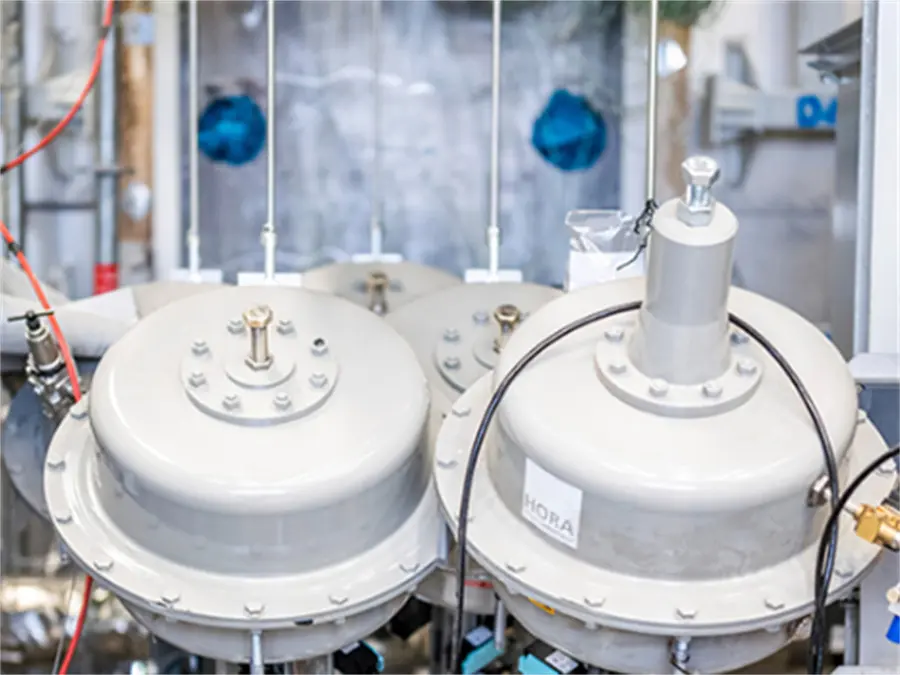
How high-temperature molten salt operations improve thermal energy storage density and system efficiency.
Read Article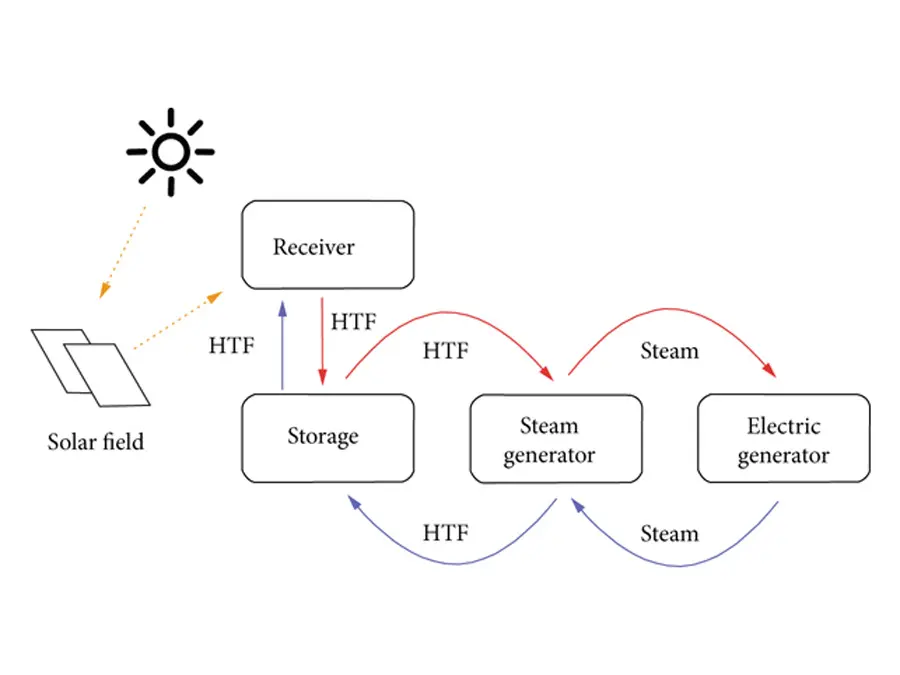
Evaluating concentrated solar energy systems that convert solar radiation into electricity using molten nitrate mixtures.
Read Article
An analysis of thermal storage configurations designed to integrate wind and solar energy into industrial grids.
Read ArticleHigh-purity raw materials designed for food preservation, agricultural formulations, and specialized technical applications.
In the technical chemical supply sector, authority and reliability are demonstrated through adherence to strict industry specifications and certifications. Industrial chemical users require product quality that aligns with international standards, such as ISO 9001:2015, REACH registration, and CE directives. These standards guarantee that imported inorganic salts and by-products meet the chemical composition and safety profiles required for European processing plants.
For chemical materials, purity levels must be verified by independent laboratory analysis. In high-temperature molten salt applications, trace elements like sodium chloride, sodium sulfate, and moisture must be minimized to prevent corrosion in heat storage reservoirs. For example, industrial-grade Potassium Nitrate requires a purity of ≥99.7%, with chloride levels kept under 0.01% to protect system longevity. By maintaining these strict specifications, Vojin helps clients maintain operational safety and equipment life.
In addition, agricultural products like Calcium Ammonium Nitrate (CAN) must comply with EU Fertilising Products Regulation (EU 2019/1009). This ensures that nutrient contents are accurately measured, and trace heavy metals, such as cadmium and lead, remain below regulatory limits. Delivering consistent quality across technical sectors establishes long-term supply relationships and supports efficient manufacturing workflows.
Technical answers regarding by-product specifications, European logistics, and procurement processes.
Providing reliable chemical raw materials and industrial by-products to international clients.
Get in touch to discuss technical specifications, arrange shipping details, or request custom samples for industrial trials in Germany and Europe.
Send Inquiry Now VOJIN
VOJIN