HACCP & ISO Compliant Inorganic Salts Engineered for Global Food Distribution Channels and Curing Facilities
Written By: Shanxi Vojin New Materials Technical Compliance Department
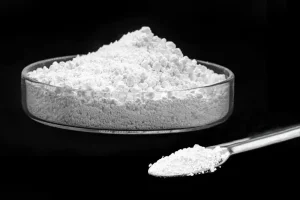
Saltpeter, scientifically termed Potassium Nitrate (KNO3), is a fundamental inorganic compound utilized across multiple industries, most critically as a food preservative designated as E252 in the European Union and recognized under standard FDA guidelines. Unlike industrial-grade variants which may contain trace heavy metal impurities or anticaking agents unsuitable for human consumption, food-grade saltpeter requires ultra-high purity levels, typically exceeding 99.5%, with stringent control over heavy metals, chlorates, and insoluble matter.
When used in food processing, particularly curing meats, saltpeter acts as a slow-release source of nitrite. Over time, bacterial enzymes in the food matrix reduce nitrate (NO3-) to nitrite (NO2-), which subsequently breaks down into nitric oxide. This compound binds to myoglobin in meat, forming nitric oxide myoglobin, which yields the characteristic pink color of cured products while preventing rancidity through lipid oxidation limitation.
"For modern industrial meat processing plants and global food factories, shifting from raw nitrite salts to standardized Potassium Nitrate (E252) formulations provides a controlled curing trajectory. This is especially vital for products undergoing prolonged curing phases, such as traditional dry-cured hams, dry sausages, and specific hard cheeses."
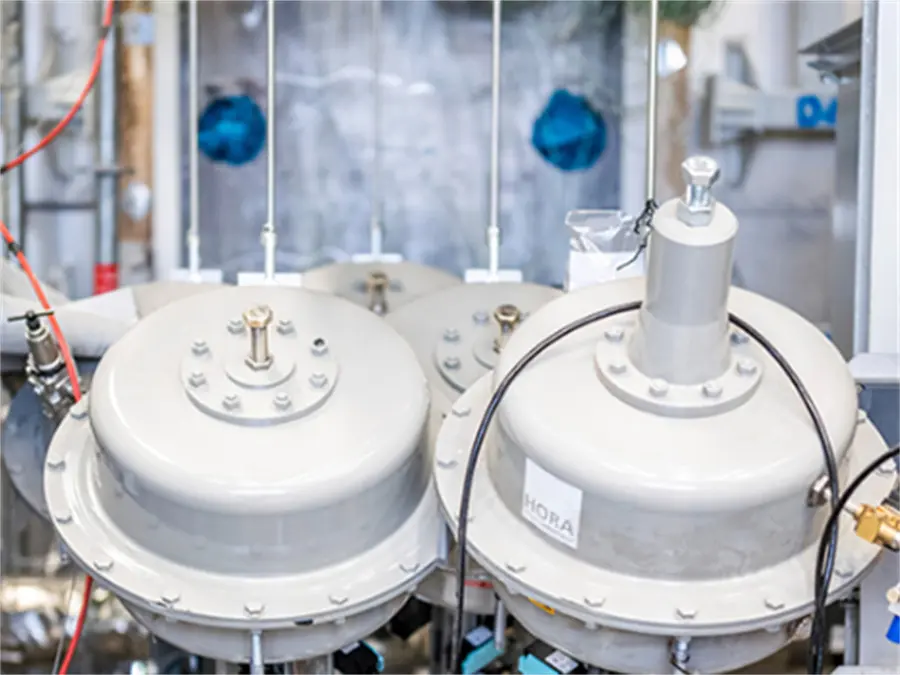
The industrial landscape for global saltpeter supply is dictated by raw material availability, synthesis efficiency, and compliance certifications. Shanxi Vojin New Materials Co., Ltd. operates state-of-the-art chemical synthesis facilities, producing upwards of 600,000 tons of molten salts and specialized nitrate series annually. The synthesis of high-purity food-grade potassium nitrate involves the reaction of sodium nitrate with potassium chloride, followed by fractional crystallization, centrifugation, and dry-milling steps.
Globally, supply lines must accommodate strict import regulations due to potassium nitrate's dual-use classification in certain regions. Working with a verified manufacturer holding established export pipelines to over 40 countries ensures logistical safety, proper documentation, and customs pre-clearance. Factories must secure partners capable of delivering homogeneous crystalline or prilled forms that prevent separation when blended with other curing ingredients like sodium chloride and sodium ascorbate.
Saltpeter finds its most critical utility in several distinct food preservation verticals:
Navigating food additives demands strict adherence to regional bodies. In the United States, the Food and Drug Administration (FDA) regulates the maximum ppm of residual nitrites and nitrates in finished products, typically keeping concentrations under 200 ppm for cured meats. In Europe, EFSA enforces similar limits, stressing the transition to lower input levels without compromising microbial safety against Clostridium botulinum.
Food factories must audit their suppliers for Kosher, Halal, and ISO 22000 / HACCP food safety certifications. Ensuring that every batch has a traceable Certificate of Analysis (CoA) demonstrating compliance with the Food Chemicals Codex (FCC) is a non-negotiable step to protect brand equity and consumer health.
As the food industry leans towards cleaner labels, researchers and manufacturers are developing advanced preservation matrixes. The future roadmap includes micro-encapsulated potassium nitrate, which allows for even more controlled, slower release rates, reducing the overall required chemical input. Additionally, the transition toward "green" nitrates produced via renewable energy resources and direct air capture nitrogen fixation is gaining traction, promising to lower the carbon footprint of industrial food manufacturing supply chains over the next decade.
Explore how our nitrate series powers thermal systems, display manufacturing, and agriculture alongside food systems
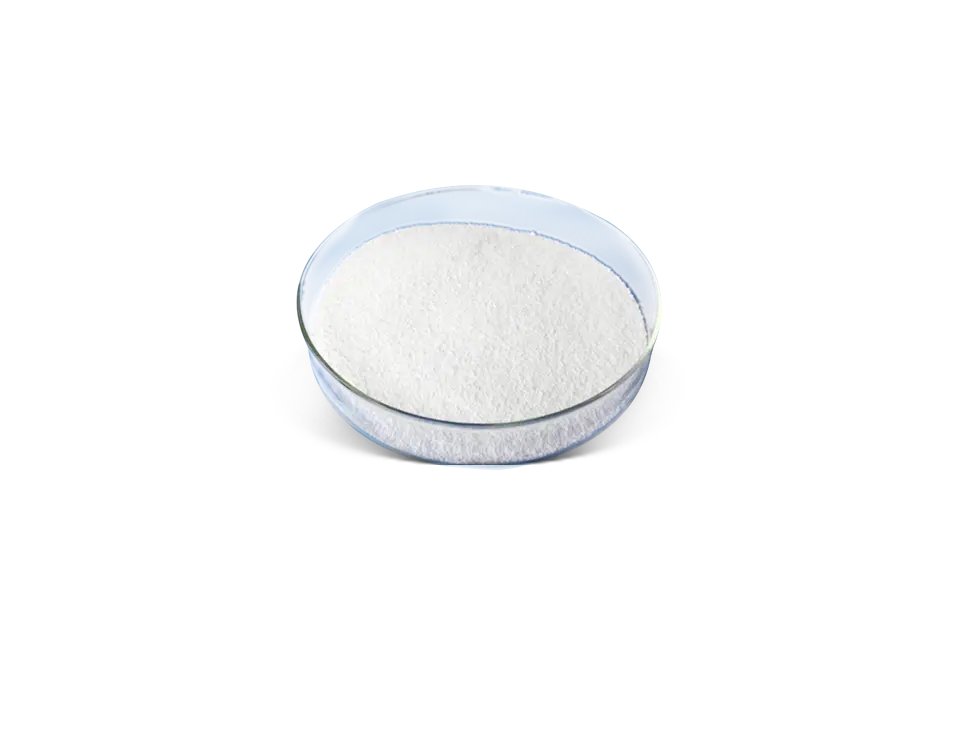

Driven since 2000, we have been committed to the entrepreneurial spirit and passion for innovation. Our team takes pride in delivering dependable products and services with a quality distinction in thermal energy storage, industrial chemical synthesis, and water-soluble fertilizer industries globally.
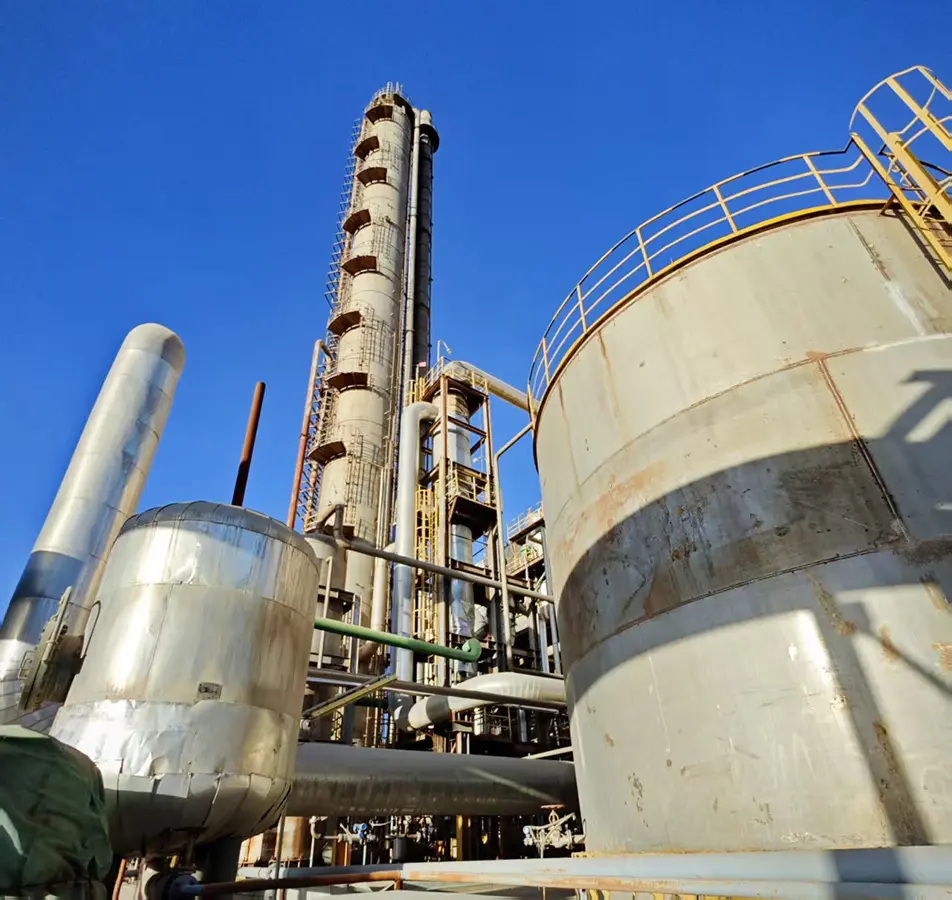
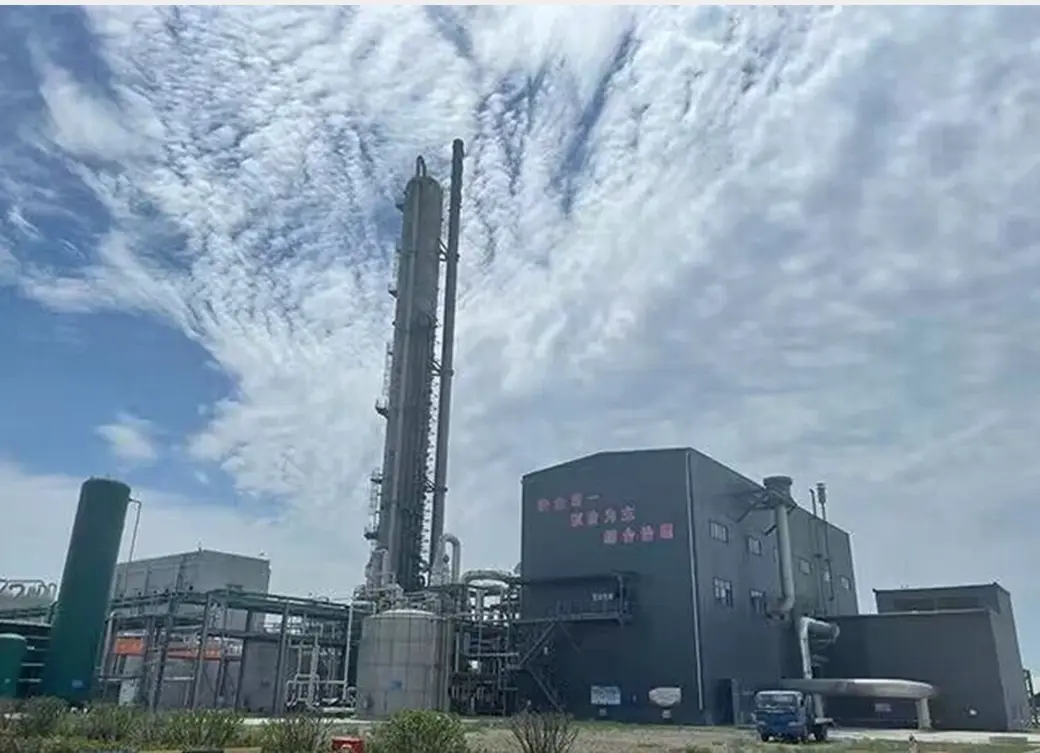
With a massive manufacturing footprint covering approximately 1,000 acres and state-of-the-art crystallization and milling systems, we ensure our global partners receive pure, stable, and highly functional chemical agents that comply with rigorous international regulatory expectations.
Why leading global food processors and industrial enterprises select Shanxi Vojin
Integrated experience in exporting operations. We ensure consistent chemical stability, high purity, and hassle-free global shipping operations.
Over 600,000 tons of annual output for molten salts and nitrate chemicals, allowing us to seamlessly handle large-scale recurring factory contracts.
Dedicated technology specialists and service personnel offering immediate product advice, compliance consultation, and fast client responses.
Comprehensive options including KNO3, NaNO3, and custom mixes to meet specific technical requirements across food, solar, and industrial sectors.
Stay informed with current breakthroughs in molten salt energy and global chemical shipping sectors
Essential regulatory, technical, and commercial answers for food manufacturers and industrial buyers
Food-grade saltpeter (designated as E252 or conforming to Food Chemicals Codex guidelines) undergoes rigorous purification steps to eliminate trace heavy metals, chloride impurities, and moisture. Industrial-grade formulations often contain anticaking agents and levels of heavy metals (like lead or arsenic) that are prohibited in human food formulations.
Potassium nitrate acts as a slow-release reservoir of nitrites. Microorganisms in the meat slowly reduce the nitrate into nitrite, which then decomposes to nitric oxide. This slow conversion provides long-lasting preservation against pathogens like Clostridium botulinum, making it indispensable for charcuterie and dry-cured meats with long aging profiles.
Our production facilities maintain strict quality management controls under ISO 9001:2015, ISO 22000, and standard HACCP principles. We provide detailed Certificates of Analysis (CoA) with every shipment to verify compound purity and safety specifications.
In hard cheeses like Gouda and Edam, E252 is added to the milk brine to prevent late blowing caused by butyric acid bacteria spores. Spores present in the milk can survive pasteurization and ferment lactate into gas, causing structural splitting and off-flavors during ripening; saltpeter effectively stops this process.
We provide standard moisture-barrier PE/PP bags in 25kg, 50kg, and 1000kg (super sack) sizes to maintain dry conditions during transit. We utilize specialized shipping channels to handle global logistics in accordance with the international maritime code for solid bulk cargoes.
Partnering with global chemical distributors, thermal storage plants, and industrial food factories since 2000

Comprehensive high-yield agricultural nutrients, industrial treatment agents, and pure elements
 VOJIN
VOJIN