VOJIN
VOJIN
1. Introduction to Food-Grade Potassium Nitrate (E252)
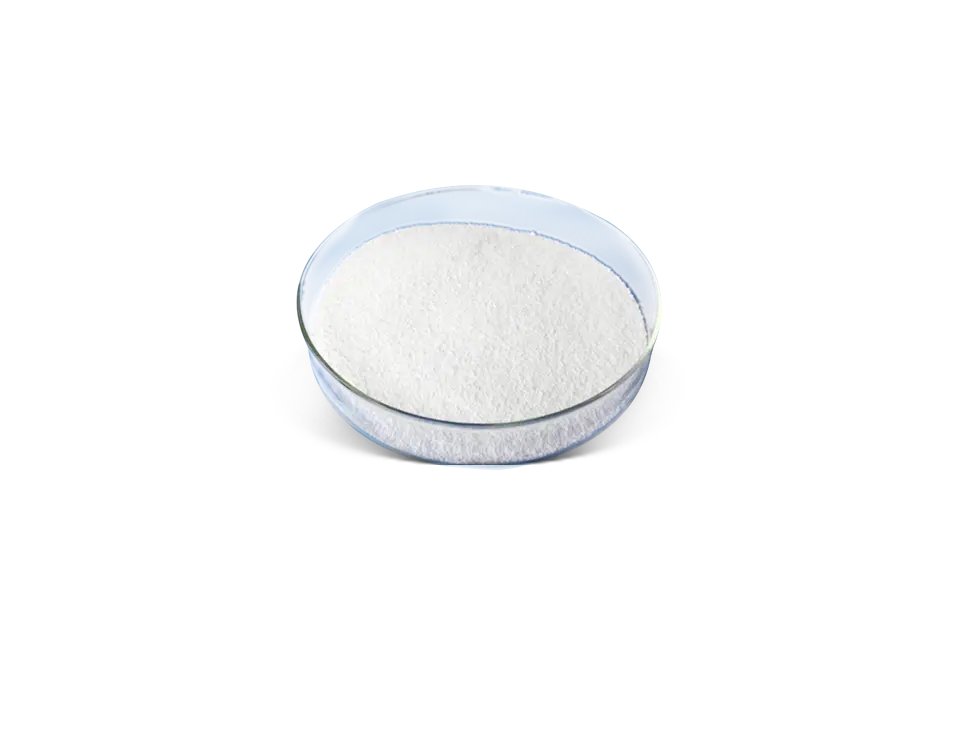
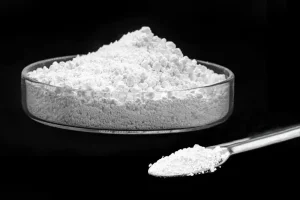
Potassium Nitrate ($KNO_3$), recognized under European additive guidelines as E252, is a crystalline inorganic salt crucial for global preservation systems, dairy chemistry, and functional curing applications. Unlike agricultural-grade counterparts used for fertilizers, Edible Potassium Nitrate requires ultra-purification to eliminate heavy metals, insoluble residues, and trace compounds. Industrial suppliers must leverage advanced crystallization procedures to reach a purity threshold of >99.5% while maintaining biological and chemical safety metrics dictated by global food safety frameworks.
In biological networks and food processing, E252 acts as a dual-action curing agent and color stabilizer. Under micro-environmental conditions, it undergoes slow bacterial reduction into nitrite, providing a sustained release mechanism that prevents the proliferation of hazardous pathogens, including Clostridium botulinum. This kinetic profile makes it irreplaceable for traditional curing methods, dry-aged meats, and specific cheese manufacturing techniques where slow fermentation integrity is critical.
2. Chinese Manufacturing Supply Chain & Processing Technology
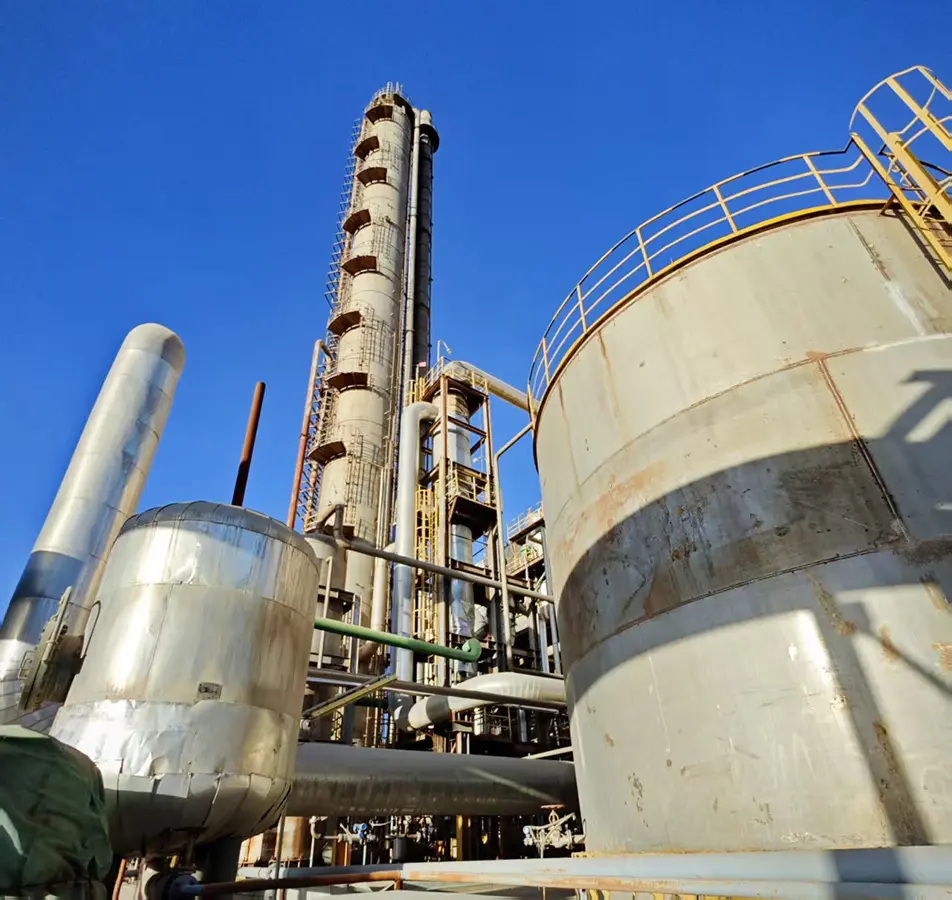
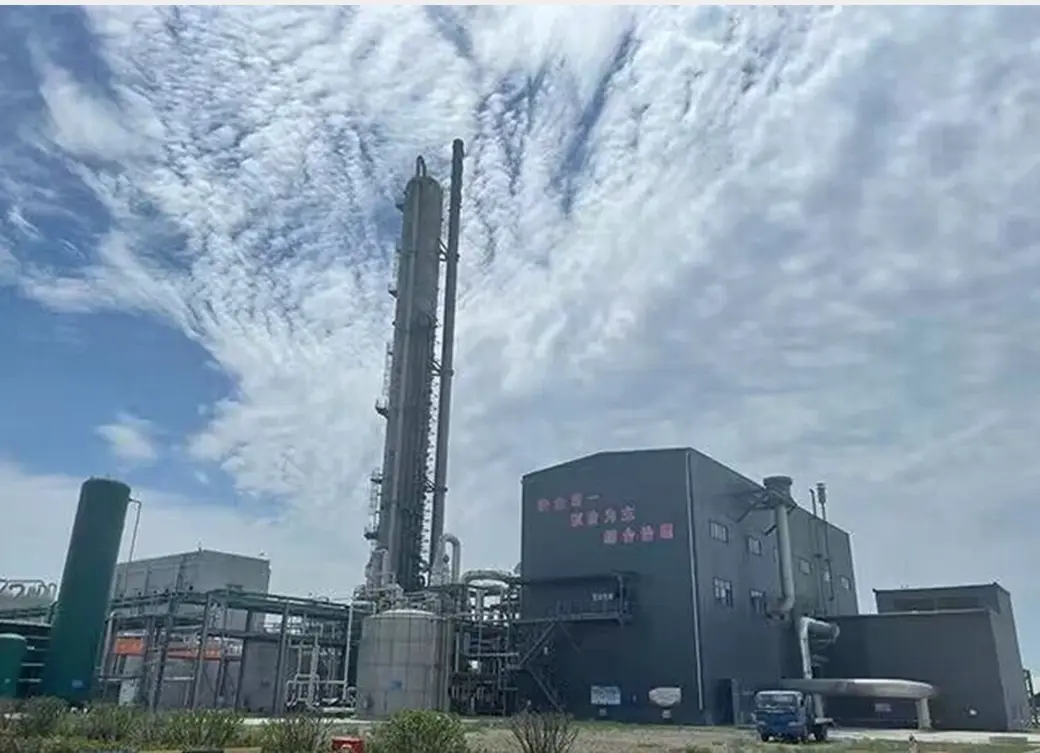
China remains the central hub for global potassium supply networks due to its vast mineral reserves and mature industrial processing facilities. Shanxi, in particular, operates as the primary domestic location for advanced potassium chemical manufacturing. By leveraging localized supply clusters, processors such as Shanxi Vojin New Materials Co., Ltd. can continuously source raw input materials and integrate thermal synthesis methods with fractional crystallization systems to produce food-grade salts.
The manufacturing process utilized within our facilities follows rigorous thermodynamic monitoring:
- Ion Exchange & Reaction: The core synthesis reaction involves combining high-purity potassium chloride ($KCl$) with sodium nitrate ($NaNO_3$) under controlled thermal metrics.
- Continuous Fractional Recrystallization: The solution undergoes multiple temperature-gradient cycles to separate potassium nitrate crystals from residual sodium chlorides based on differential solubility curves.
- Centrifugal Washing & Drying: Advanced mechanical fluid bed systems wash away trace surface chlorides, reducing the final chloride content to less than 0.02%.
- Optical Classification & Sifting: High-definition optical sorters eliminate discolored grains and ensure uniform crystal particle sizing (coarse or fine powder options).
This streamlined vertical integration optimizes production costs, ensures batch consistency, and guarantees that volumetric capabilities reach over 600,000 tons annually.
3. Localization Compliance & Global Regulatory Assurances
For enterprise buyers in North America, Europe, and Asia-Pacific, regulatory alignment is the primary criterion for sourcing. Edible Potassium Nitrate must meet stringent regional codes. In the United States, chemical specifications must align with the Food Chemicals Codex (FCC) parameters, overseen by the FDA. In Europe, compliance with EFSA Regulation (EU) No 231/2012 dictates the purity profile, requiring strict controls over heavy metal content (Lead $\le$ 2 mg/kg, Arsenic $\le$ 3 mg/kg, Mercury $\le$ 1 mg/kg).
Additionally, global distribution necessitates religious and ethical certifications:
- Kosher and Halal Compliance: Rigorous facility audits verify that no animal-derived processing aids or cross-contaminants are present.
- HACCP & ISO 22000 Integration: Hazard Analysis Critical Control Point protocols are built directly into our automated pipeline to mitigate physical, chemical, and biological threats.
- REACH Registration: Essential for seamless European customs clearance, ensuring all regulatory dossiers are completed and validated.
4. Strategic B2B Sourcing: Evaluating Technical Purity Profiles
Enterprise procurement teams must move beyond generic pricing sheets and evaluate technical specification matrices to secure reliable chemical agents. Critical parameters include moisture content, anti-caking additives, and particle size distribution. Edible Potassium Nitrate is naturally hygroscopic, meaning it absorbs atmospheric moisture, leading to clumping. To solve this, manufacturers integrate food-grade silica or anti-caking compounds under strict percentage parameters, or utilize sealed multi-layer moisture barrier packaging to maintain free-flowing properties during transoceanic shipping.
Quality assurance teams should always request verified Certificate of Analysis (COA) data and third-party laboratory reports (e.g., from SGS or Intertek) prior to container dispatch to confirm trace heavy metal and impurity thresholds.