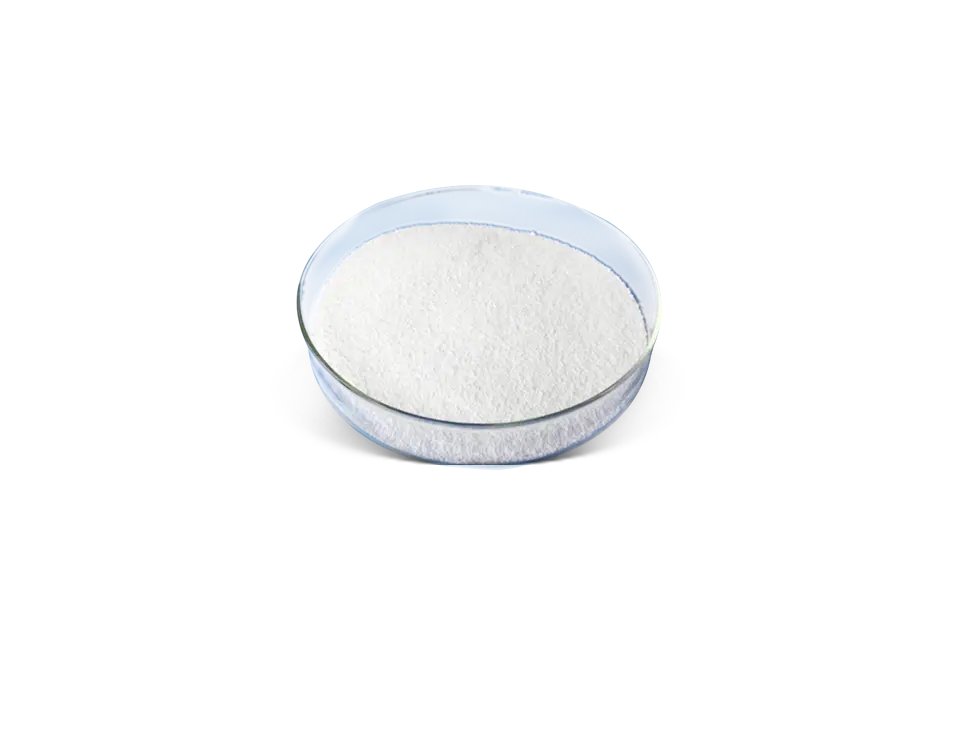
Explore our industrial grade and agricultural solutions sourced globally
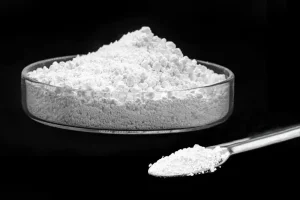
A Professional Guide to Risk Assessment, Safe Handling, and High-Performance Thermal Storage Fluids
In high-temperature energy systems and concentrated solar power (CSP) infrastructure, binary and ternary molten salt mixtures represent the cutting edge of industrial thermal storage. Typically formulated from a precise blend of 60% Sodium Nitrate (NaNO3) and 40% Potassium Nitrate (KNO3), commonly referred to as "solar salt," these materials present distinct chemical profiles that demand thorough analysis under the Material Safety Data Sheet (MSDS) regulations. Understanding the thermodynamic properties alongside the safe handling guidelines outlined in the MSDS is paramount for engineering, operations, and procurement teams.
"Safety compliance in high-temperature chemical operations starts with a precise understanding of the MSDS. A minor deviation in purity or moisture content can escalate to thermal degradation or metal stress corrosion cracking in pipeline networks."
An MSDS for binary molten salts details important technical parameters, emphasizing that both Sodium Nitrate and Potassium Nitrate are classified as strong oxidizers (Class 5.1). When molten, these salts operate at temperatures ranging from 290°C to 565°C. At these elevated states, the primary occupational hazards switch from dry chemical dust inhalation and skin irritation to severe thermal burns and chemical reactivity with organic compounds. The MSDS explicitly warns against storing these salts in close proximity to reducing agents, acids, and organic materials, as contact can lead to rapid gas liberation or potential combustion risks.
| Parameter | Value / Spec |
|---|---|
| UN Number | UN 1486 (KNO3) / UN 1498 (NaNO3) |
| Hazard Class | 5.1 Oxidizing Agent |
| Melting Point | 220°C - 240°C (Eutectic Blend) |
| Max Operating Temp | Up to 565°C (Stabilized) |
| Decomposition Temp | >600°C |
As the world transitions to carbon-neutral grids, the demand for long-duration energy storage (LDES) solutions has driven molten salt technology to the forefront of clean energy. The global Concentrated Solar Power (CSP) sector, alongside industrial process heat application markets, relies extensively on high-quality thermal salts. Shanxi Vojin New Materials Co., Ltd. addresses this massive market demand with a production infrastructure yielding over 600,000 tons annually.
In typical operations, thousands of tons of salt are maintained in a liquid state for decades inside gigantic hot and cold storage tanks. Ensuring the chemical purity of these volumes is a challenge that begins at the manufacturing plant. Impurities like moisture (H2O), chlorides (Cl-), and sulfates (SO42-) must be kept within strict tolerances (typically <0.1% for moisture and <100ppm for chlorides) to limit structural corrosion in stainless steel heat exchangers. By enforcing strict production parameters, Vojin minimizes these hazards, providing high-purity salts that lower operational risks and align with regional safety and technical regulations.
Beyond CSP, the global industrial chemical sector is leveraging molten salts as efficient heat transfer fluids (HTFs) in chemical reactors, waste heat recovery systems, and advanced nuclear power cycles (such as molten salt reactors or MSRs). Because these systems run continuously under high-stress conditions, a fully detailed, GHS-compliant MSDS is essential. It ensures that handling procedures, spill response measures, and emergency medical protocols are accessible to field technicians and safety inspectors globally.
Select specialized product series developed for international distribution
Engineering-grade molten salts tailored for clean energy, heavy industry, and agriculture
Enabling 24/7 continuous electricity generation in utility-scale concentrated solar power plants.
View MoreUtilizing high-purity potassium nitrate bath formulations for chemically strengthening cover glass.
View MoreProviding thermal integration fluids for high-efficiency process steam generation and coal chemistry.
View MorePremium raw materials for water-soluble fertilizers that optimize nitrogen-potassium nutrient absorption.
View More
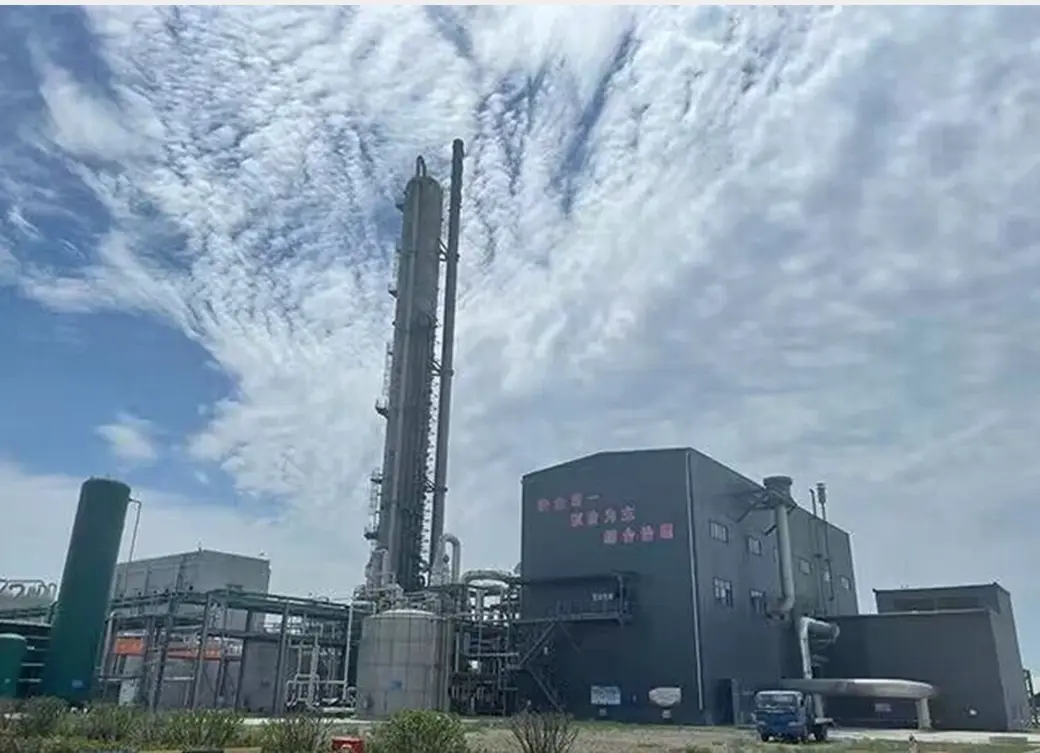
Driven since 2000, we have been committed to the entrepreneurial spirit and passion for innovation. Our team takes pride in delivering dependable products and services with a quality distinction in thermal energy storage & water-soluble fertilizer industries globally.
With manufacturing roots establishing our presence firmly since 2010 under the modern corporate structure of Shanxi Vojin, we have designed high-efficiency crystallization and refining lines that guarantee superior product consistency. Our chemical compositions comply with global safety declarations, supported by detailed MSDS dossiers prepared for shipping, port clearance, and final facility storage.
Discover Our OperationsOur years of manufacturing experience and refined products provide you with better performance
Why Tier-1 solar project developers and chemical purchasers choose Vojin

Integrated experience on exporting operation. Always assure your customers good quality and reliable chemical compliance certifications.

Annual output of 600,000 Tons of Molten salts, stabilizing procurement lines even during tight international raw material cycles.
Experienced technology skill & service team. Quick response to our customers' safety compliance and material testing requests.
Multiple items for selection such as KNO3, NaNO3, and customized ternary eutectics to meet various high-temperature project needs.
As thermodynamic systems demand higher efficiency, the limits of standard binary nitrate salts are being tested. The next generation of thermal storage requires lower melting points to minimize the risk of "freezing" within solar receiver pipelines, while simultaneously requiring higher decomposition thresholds to increase power conversion cycle efficiencies. Research into ternary systems incorporating Calcium Nitrate [Ca(NO3)2] has shown potential, reducing eutectic melting points down to approximately 130°C.
However, introducing additional chemical components increases the complexity of MSDS management. Calcium Nitrate, for instance, introduces different toxicity and hygroscopic behaviors. In bulk handling, the presence of calcium raises the speed at which moisture is absorbed from ambient air, requiring closed-loop pneumatic unloading and moisture-barrier packaging. The chemical safety guidelines must adapt to protect workers from skin contact and inhalation of these highly hygroscopic salt blends.
Looking further ahead, chloride-based salts (such as NaCl-KCl-MgCl2 blends) and carbonate-based systems are under evaluation for ultra-high temperature operations (>700°C) in Generation III CSP towers. While these chemistries unlock greater cycle efficiencies, their highly corrosive nature demands specialized materials. From an environmental and occupational perspective, their high reactivity makes strict MSDS compliance critical for site safety and regional environmental clearances.
Shipping thousands of tons of Class 5.1 oxidizing materials requires strict compliance with international transport codes, including the IMDG Code for maritime freight and local DOT/ADR guidelines for overland distribution. Shanxi Vojin collaborates with international logistics partners to ensure that every shipment of sodium nitrate or potassium nitrate is accompanied by a localized, language-compliant MSDS / SDS document. This documentation covers critical parameters, from Emergency Response Guidebook (ERG) codes to localized ecological information.
Our specialized logistics teams manage compliance from the factory gate to destination terminals, including REACH compliance within the European Union and OSHA Hazard Communication alignment in the United States. Providing clear safety and environmental documentation ensures streamlined port clearance and simplifies site-level risk assessments for regional safety engineers.
Follow our technical articles on solar power storage and chemical refining innovations
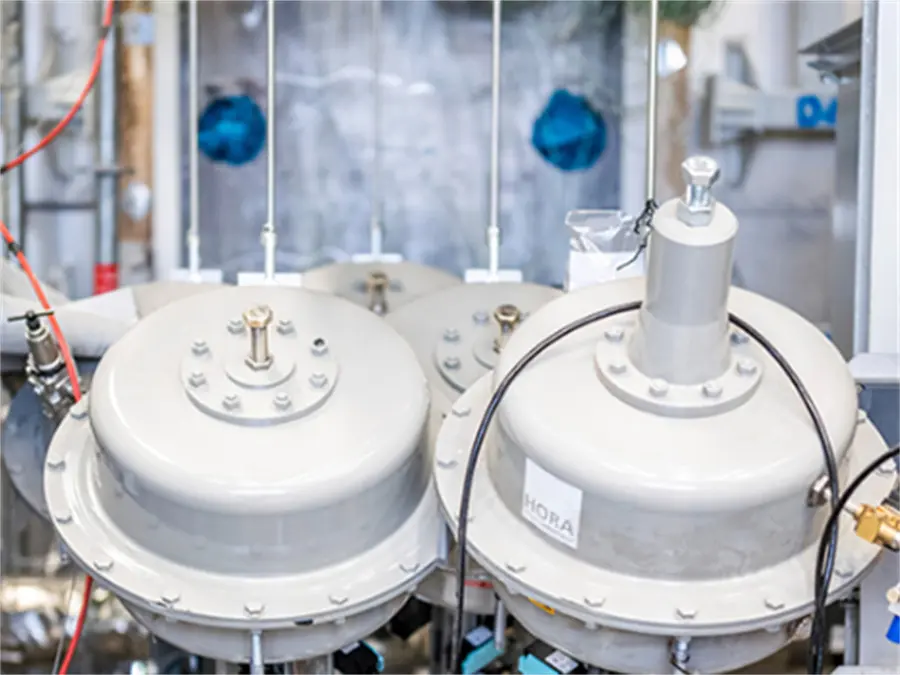
The technology can operate at higher temperatures, which has an impact on the efficiency of solar systems.
Read Article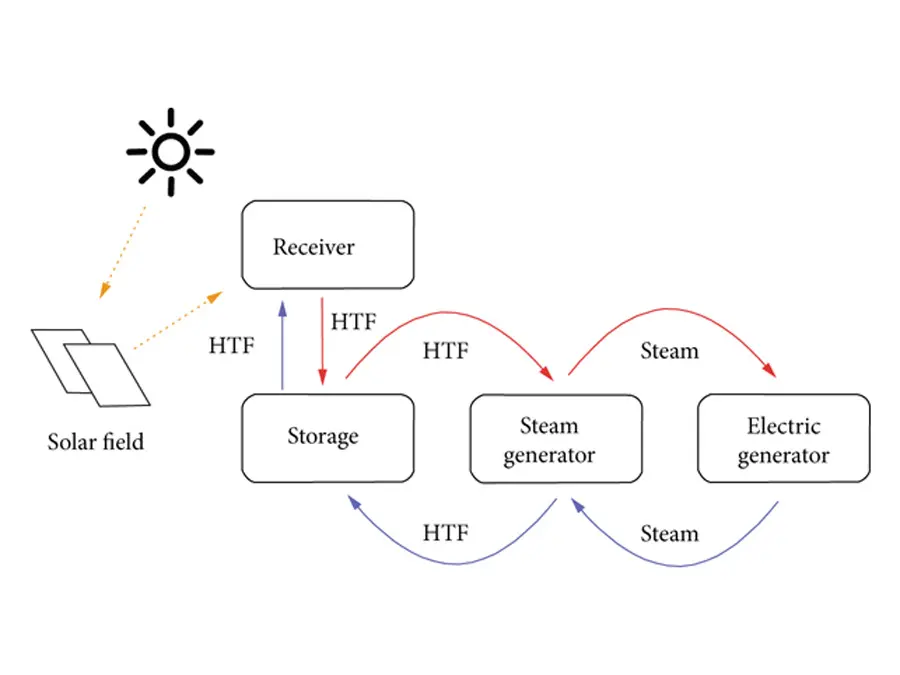
A concentrated solar power plant converts solar energy to electricity. It is based on focused thermal arrays...
Read Article
Molten salt energy storage has emerged as a promising solution for enhancing the efficiency of green power grids...
Read ArticleEssential insights on chemical classification, MSDS standards, storage guidelines, and purity requirements
Working alongside global leaders in industrial chemicals and thermal energy projects


High purity formulations, industrial solutions, and mineral derivatives
 VOJIN
VOJIN