Select premium industrial raw materials optimized for energy, agriculture, and high-performance manufacturing environments globally.
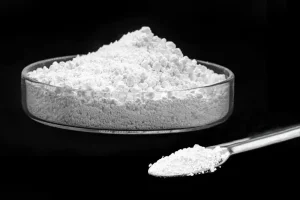
Highly refined industrial minerals and inorganic chemical compounds structured for maximum thermodynamic output and process yield.
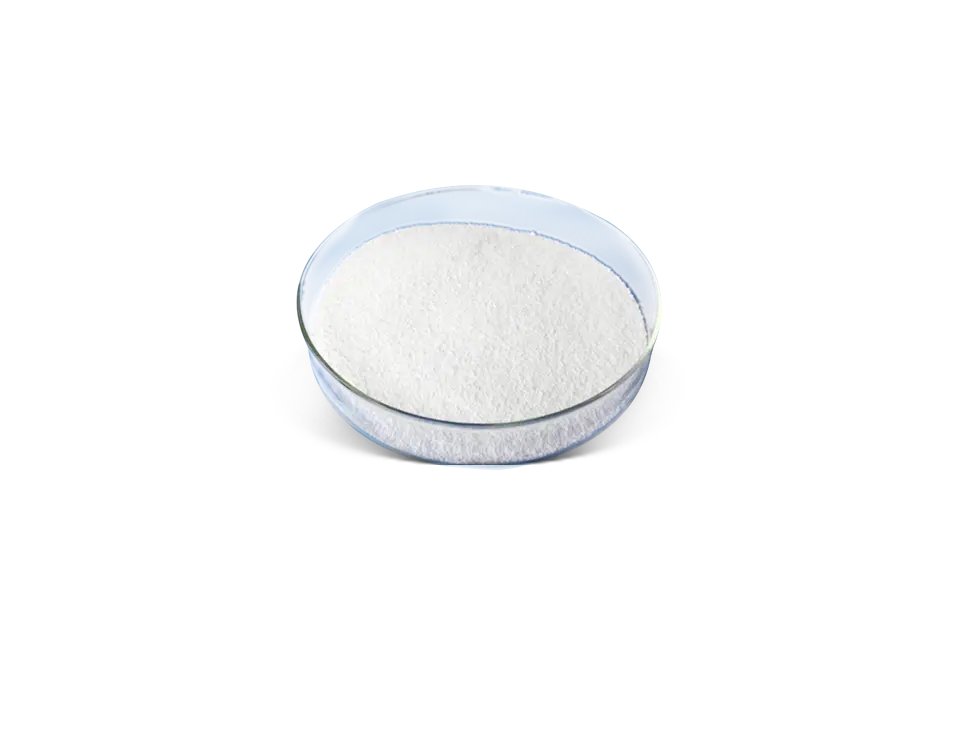
High purity sodium and potassium nitrate compositions designed for structural stability in thermal transfer cycles.
View Category
Water-soluble agricultural solutions providing rapid crop uptake, formulated under strict quality protocols.
View Category
Secondary high-value outputs optimized for chemical processing, water conditioning, and metallurgy.
View CategoryWhere our molten salt maintenance procedures and advanced chemistry formulations guarantee operational uptime.
Optimizing solar tower heat capture and release cycles by regulating nitrate salt purity, mitigating mechanical stress and scaling.
Explore Details →Ultra-pure chemical salts for structural glass strengthening and chemical vapor deposition processes in modern display modules.
Explore Details →Coal conversion retrofits and deep process heat distribution systems requiring long-range thermal transport mediums.
Explore Details →Nutrient supply systems utilizing refined industrial byproducts to manufacture clean, macro-nutrient-enriched water-soluble crop nutrition.
Explore Details →In the landscape of modern renewable power production and high-temperature heavy industry, thermal energy storage (TES) holds the key to overcoming energy intermittency. Concentrated Solar Power (CSP) plants, industrial process heat facilities, and future Gen-IV nuclear reactors rely heavily on molten nitrate salt mixtures—most commonly binary Solar Salt (60% Sodium Nitrate, 40% Potassium Nitrate)—to store and transfer energy at scale. However, the chemical and physical stability of these materials is not static. Over thousands of operational thermal cycles, molten salt systems undergo degradation, oxide formation, accumulation of insoluble impurities, and metallic corrosion of containment materials.
This whitepaper details the industrial maintenance methodologies, chemical control mechanisms, and purification technologies developed by world-leading refiners like Shanxi Vojin New Materials Co., Ltd. to extend salt operating lifetimes to 30+ years, decrease lifecycle maintenance costs, and safeguard critical system assets against catastrophic failures.
The global demand for high-capacity energy storage has propelled molten salts into the forefront of clean energy solutions. The global market is divided into two primary focus areas: large-scale utility grid storage (CSP) and heavy industrial carbon reduction (substituting fossil fuels with stored high-temperature thermal energy). Current projections show that the thermal energy storage market will exceed $12 Billion USD by 2030, driven by aggressive capacity installations across the MENA region, western China (particularly the massive Qinghai-Gansu wind-solar bases), Spain, and the Southwestern United States.
From a manufacturing standpoint, supply chains must deliver high volumes of raw nitrates (Sodium Nitrate and Potassium Nitrate) with extremely low trace impurity levels. Historically, chloride and sulfate concentrations within industrial-grade fertilizers were deemed too high for CSP requirements. The industry now mandates strict "solar grade" specifications, requiring specialized purification factories capable of operating at hundreds of thousands of tons of annual throughput to prevent premature component failure in the field.
| Chemical Component / Impurity | Standard Industrial Grade | Premium Solar Grade (Vojin Specs) | Operational Impact of Impurities |
|---|---|---|---|
| Assay (NaNO3 + KNO3) | ≥ 98.5% | ≥ 99.7% | Determines thermal storage density and specific heat capacity. |
| Chloride (Cl−) | ≤ 0.1% | ≤ 0.01% (100 ppm) | Primary cause of pitting corrosion and stress cracking in SS347H. |
| Sulfate (SO4²−) | ≤ 0.05% | ≤ 0.01% (100 ppm) | Forms hard, low-solubility scales inside receiver tube assemblies. |
| Moisture (H2O) | ≤ 0.20% | ≤ 0.05% | Causes initial steam pressure spikes and enhances acid gas creation. |
To implement an effective maintenance program, operators must monitor the equilibrium chemistry of binary salts. At elevated temperatures, the nitrate ion exists in a state of reversible thermodynamic equilibrium with the nitrite ion and gaseous oxygen:
As temperature spikes or thermal hotspots occur in solar receivers, this reaction shifts to the right, generating an elevated concentration of nitrites. Over time, nitrites undergo irreversible decomposition into metal oxides and volatile nitrogen oxides (NOx):
The accumulation of oxide ions (O²⁻) shifts the pH (basicity) of the molten salt bath. Elevated basicity dissolves the protective oxide films (such as chromium oxide or iron-chromium spinels) on the inner surfaces of steel pipes. Once this passivating layer is stripped, the metallic substrate undergoes accelerated intergranular oxidation, resulting in rapid pipe wall thinning, structural weak points, and potential leakage of high-temperature liquid salts.
To mitigate the chemical risks described above, modern molten salt maintenance plants use a structured technical roadmap that balances real-time diagnostic testing with active inline filtration and purification loops.
Continuous gas sparging systems are used to control the nitrate/nitrite equilibrium. By introducing a balanced dry nitrogen-oxygen gas mixture directly into the storage tanks, operators can suppress the formation of metal oxides and slow down the degradation of nitrate ions.
Over operational cycles, oxidized structural metals flake off as suspended solids (insoluble chromates, oxides, and spinels). Slipstream filtration loops, running high-temperature porous metal or ceramic filters, capture these abrasive particles before they damage impellers and control valves.
When chloride or sulfate concentrations drift above dangerous limits, targeted chemical additives can selectively precipitate these impurities out of the liquid phase. The precipitates are then separated from the active loop during routine shutdown intervals.
A critical stage in this roadmap occurs during the initial salt melting phase. Improper melting can introduce moisture and air, causing immediate corrosion before the system generates electricity. Experienced commissioning factories utilize dedicated external melting rigs equipped with industrial dehumidifiers and inert gas blanketing systems to pump dry, hot liquid salt into storage tanks without exposing the internal piping to atmospheric humidity.
The requirements for molten salt maintenance vary depending on the local climate, water availability, and regulatory frameworks. For example, in desert environments (such as North Africa or Western China), solar thermal facilities must use dry cooling systems, which raises the heat sink temperature. Higher baseline temperatures require molten salts to operate at tighter thermal limits to prevent crystallization on the low end (typically ~220°C) while avoiding accelerated decomposition on the high end (>565°C).
In industrial retrofits—such as transforming outdated coal-fired boilers into clean thermal battery storage systems—existing steam turbine loops are connected to newly built molten salt tanks. Because these legacy systems were not originally designed for hot salt chemistry, operators must introduce specialized heat-exchanger interfaces and deploy continuous monitoring equipment. This helps prevent chemical cross-contamination between the water/steam loop and the molten salt circuit, protecting the integrity of the heat exchange surfaces.
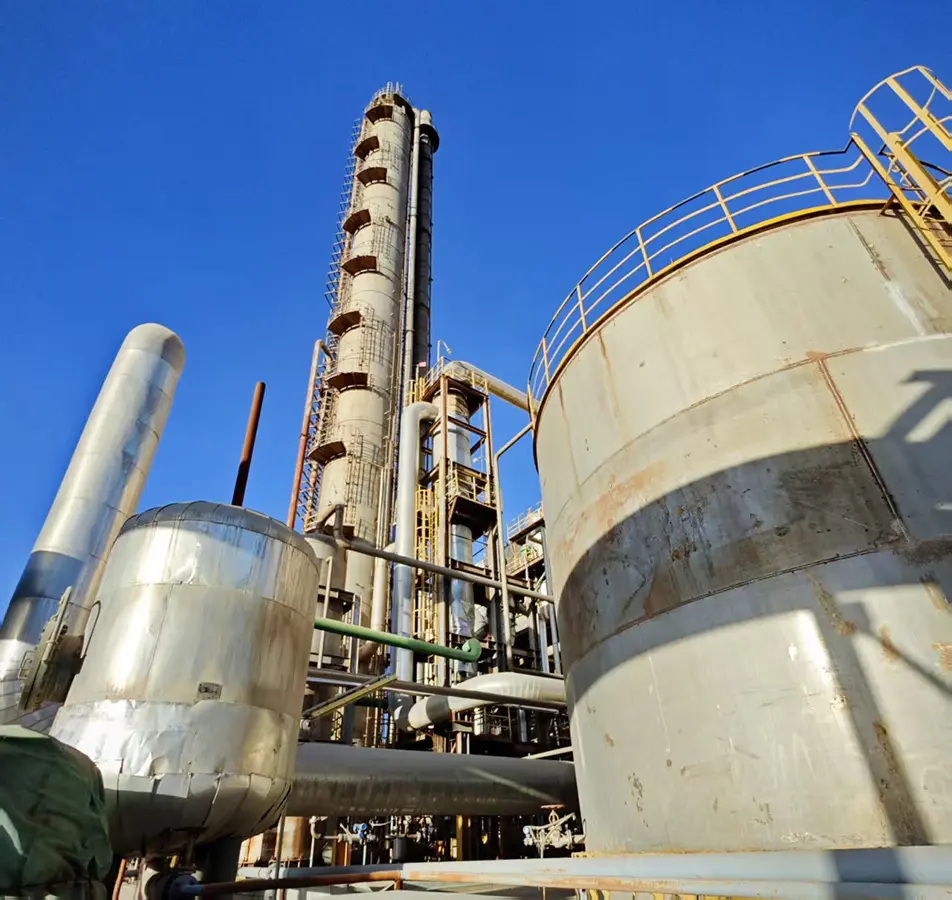
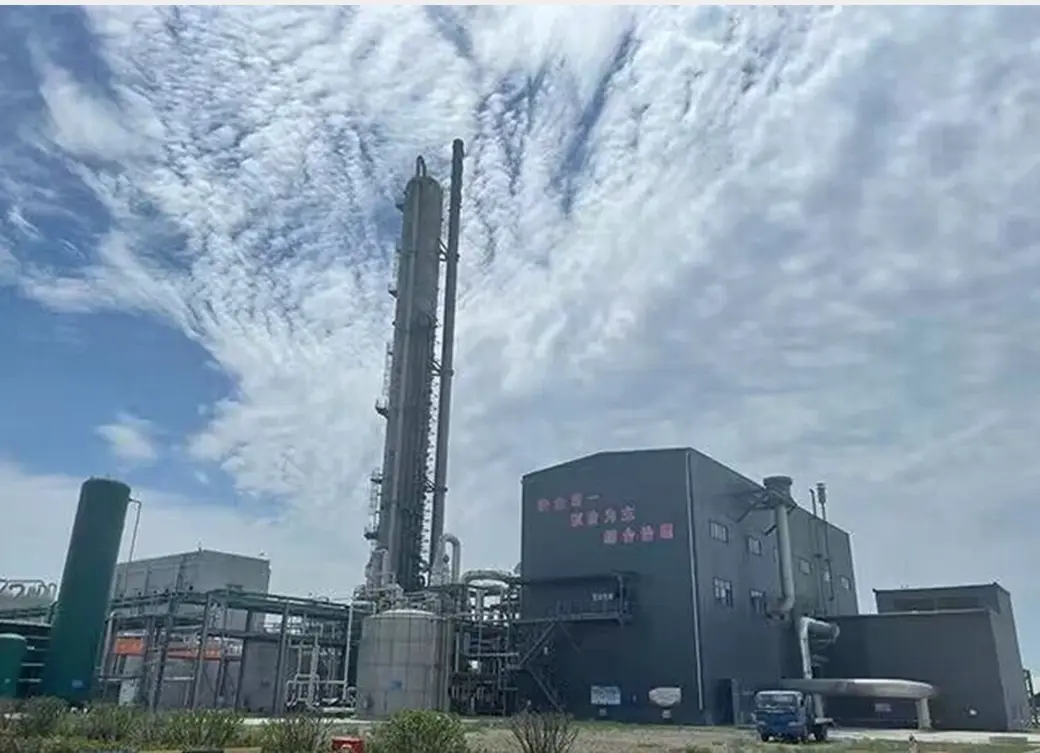
Driven since 2000, we have been committed to the entrepreneurial spirit and passion for innovation. Our team takes pride in delivering dependable products and services with a quality distinction in thermal energy storage & water-soluble fertilizer industries globally.
View more detailsOur years of manufacturing experience and refined products provide you with better performance
Why global energy developers choose Shanxi Vojin New Materials as their primary supply chain partner.

Integrated experience in global export operations, securing product quality and delivery timelines.
Annual output of 600,000 Tons of molten salts, supporting large-scale utility projects.
Experienced technical and customer service teams, providing rapid responses to operational inquiries.
Diverse chemical portfolio (KNO3, NaNO3, etc.) to meet custom customer specifications.
Technical articles and insights from our team on the frontlines of energy storage and nitrate chemistry.
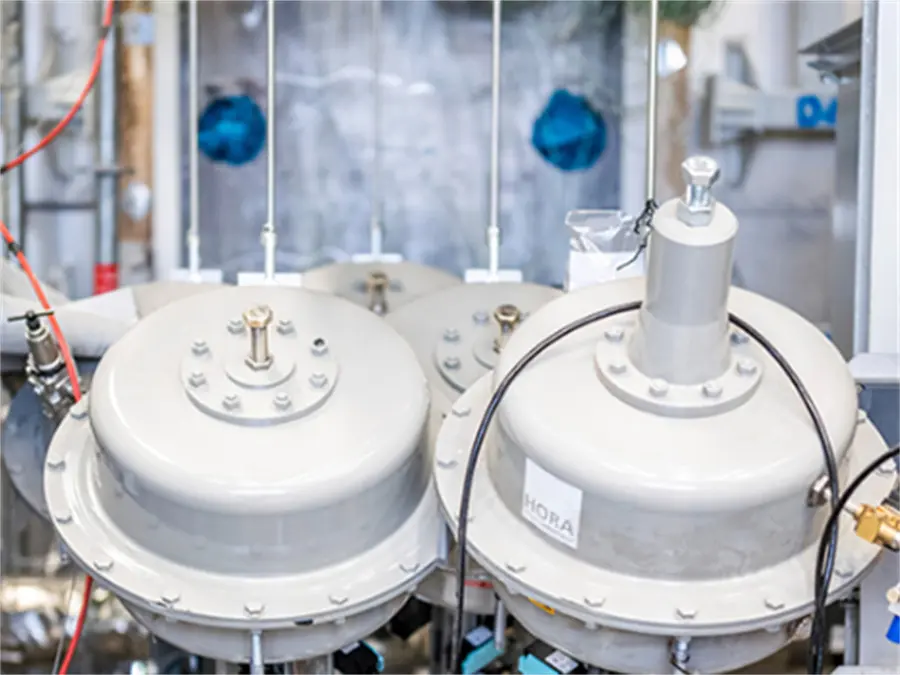
The technology operates at higher temperatures, directly improving steam turbine efficiency and lowering cost...
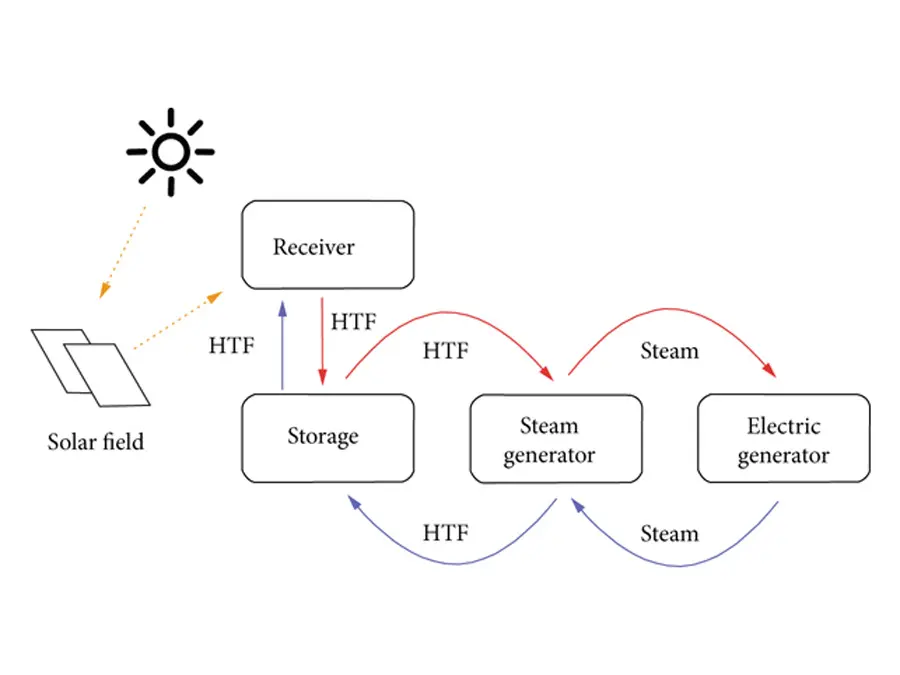
Concentrated solar power plants convert solar energy into baseload electricity using advanced heat transfer salt loops...

Molten salt energy storage has emerged as a promising solution to enhance electrical grid stability and reliability...
For many years, we have successfully responded to the requirements of reputed customers in the global market.




High-purity chemical compositions developed to protect against corrosion and maintain stable thermal dynamics.
 VOJIN
VOJIN