Engineered to deliver exceptional thermal stability, heat capacity, and corrosion control in high-performance applications.
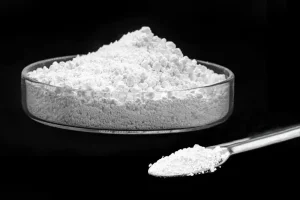
As the global energy paradigm pivots toward full decarbonization, integrating variable renewable energy sources like wind and solar into local grids presents a significant storage challenge. Standard short-duration batteries, such as Lithium-ion, are highly efficient for 2-to-4-hour load-shifting applications but become prohibitively expensive for grids requiring multi-hour or multi-day resilience. This is where Long Duration Energy Storage (LDES) using molten salt technologies steps in as a mature, utility-scale solution.
Molten salt serves as a highly efficient Thermal Energy Storage (TES) medium. Composed primarily of binary eutectic formulations—such as 60% Sodium Nitrate (NaNO₃) and 40% Potassium Nitrate (KNO₃)—this material exhibits excellent thermodynamic properties. It remains liquid at temperatures between 220°C and 565°C, allowing CSP towers and industrial thermal systems to harvest and lock in heat energy with minimal thermal dissipation over long periods.
High Density Thermal Storage: Compared to pressurized water or thermal oils, molten nitrate salts store significantly more energy per unit volume, reducing container footprints.
Operational Longevity: High-grade molten salts undergo tens of thousands of thermal cycles with negligible degradation, lasting up to 30 years in standard operations.
Low Vapor Pressure: Operating at high temperatures without pressurization significantly lowers capital costs and mitigates structural risks in storage vessels.
"Our high-purity molten salts are key to bridging the gap between volatile solar generation and steady power grid demands. By utilizing optimal eutectic blends, we enable round-the-clock clean electricity."
For procurement officers in major utility companies, sourcing high-grade thermal storage media is a matter of strict quality assurance. Impurities within commercial-grade salts can lead to highly corrosive reactions, rapidly degrading steel containment tanks and heat exchangers. Minimizing contaminants such as chlorides, carbonates, and moisture is critical to mitigating risk.
High concentrations of chloride ions accelerate stress corrosion cracking in high-temperature stainless steel alloys (such as AISI 321 or 347H). Our manufacturing line maintains strict chemical controls to limit chloride content, preserving the structural integrity of thermal storage networks.
Moisture leads to dangerous steam pockets during initial heating cycles and causes localized nitric acid formation. We employ multi-stage drying phases and hermetically sealed packaging to keep free water content virtually non-existent upon delivery.
Industrial handling of millions of tons of dry salt crystals requires free-flowing media. Vojin's optimized granulate size and anti-caking properties prevent bulk solidifying inside silos and feeding systems, ensuring smooth commissioning.
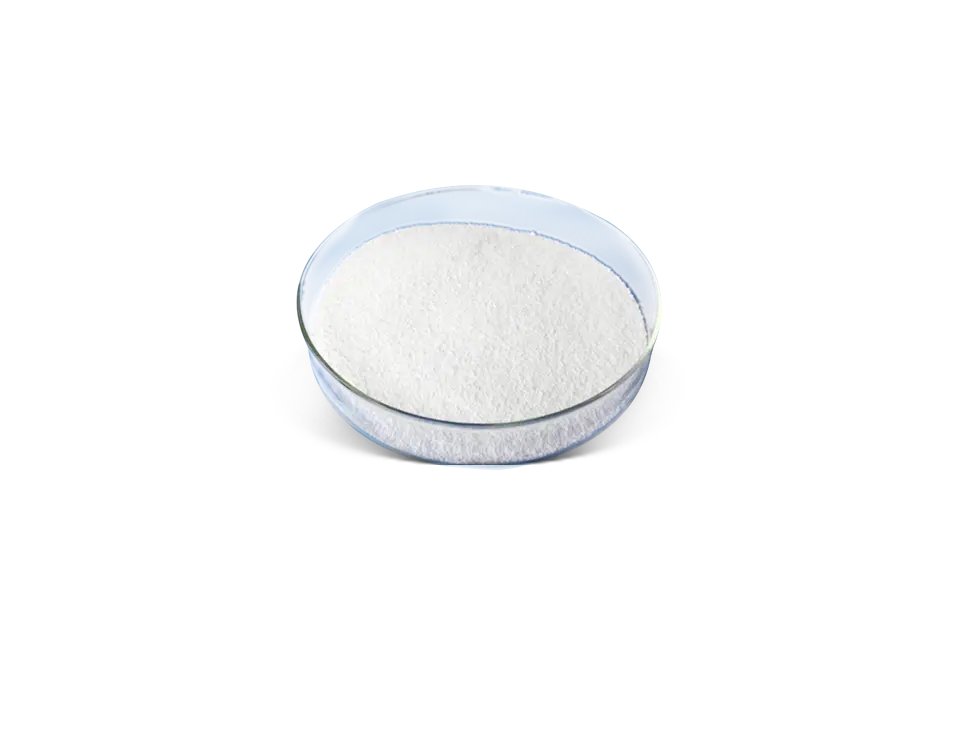
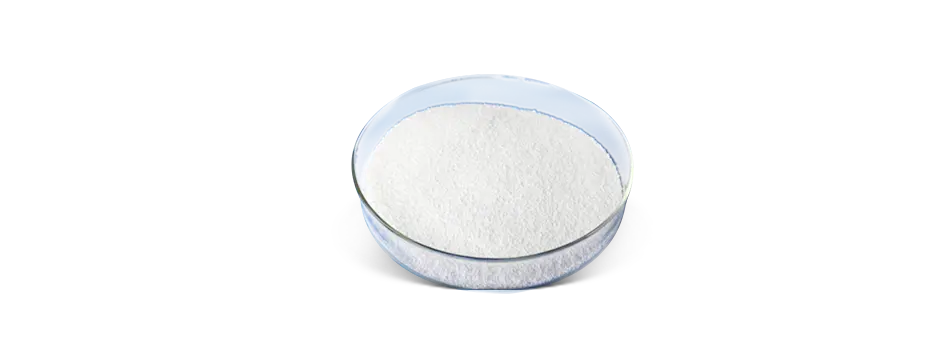
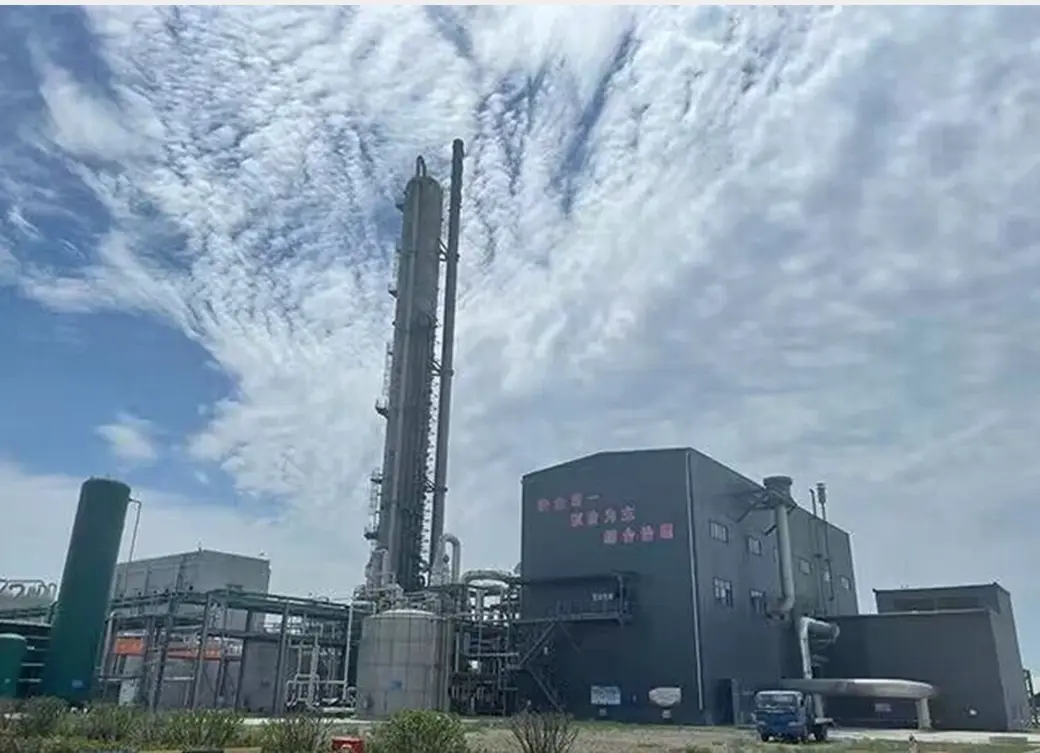
Driven since 2000, we have been committed to the entrepreneurial spirit and passion for innovation. Our team takes pride in delivering dependable products and services with a quality distinction in thermal energy storage & water-soluble fertilizer industries globally. Established as a manufacturing leader in Shanxi, we provide highly reliable raw materials and custom-formulated mixtures that meet strict chemical engineering benchmarks across diverse industrial sectors.
View moreModern decarbonization projects require reliable thermal integration. Molten salt is not simply a static heat storage medium; it functions as an dynamic heat transfer fluid (HTF). This dual utility makes it indispensable for several macro-level solutions:
In central tower or parabolic trough CSP layouts, cold molten salt (~290°C) is pumped from a cold tank to the solar receiver. There, concentrated solar flux heats the salt to 565°C. The hot salt is then routed back down to a hot storage tank. When electricity is needed—even hours after sunset—the hot salt passes through steam generators, producing superheated steam to drive high-capacity steam turbines.
As coal plants shut down, their existing steam turbines, generators, and grid connections remain highly valuable. Coal-to-Thermal Energy Storage (TES) retrofits replace the coal-burning boiler with a molten-salt thermal charging loop powered by wind or solar electricity. High-temperature steam generated from this stored thermal energy drives the existing turbines, creating clean, dispatchable green power plants.
Heavy manufacturing industries like steel, glass, and cement produce large quantities of high-temperature waste gases. By installing molten salt capture systems, plants can absorb this waste heat, store it securely, and reuse it for high-pressure process steam or local power generation, significantly boosting overall energy efficiency.
For chemical manufacturing and food processing plants that require continuous high-temperature process steam, electrical boilers powered by intermittent solar or wind can charge a molten salt storage unit during the day. The thermal storage system then releases steady, high-pressure steam around the clock, bypassing the need for natural gas boilers.
Developing next-generation thermal storage media to handle higher temperatures and maximize thermodynamic efficiency.
Optimizing the ratio of Sodium Nitrate and Potassium Nitrate to limit impurities like Chloride and Carbonate. Focus remains on scaling up production to achieve a 600,000 Ton annual capacity to meet growing global demand.
Integrating Calcium Nitrate into the binary mix to lower the freezing point of the salt from 220°C to below 150°C. This reduces parasitic energy consumption by lowering the heating required to prevent solidification in cold loops.
Researching and testing carbonate/chloride-based salts to handle operational temperatures exceeding 700°C. High temperature limits allow compatibility with advanced supercritical CO₂ power cycles, boosting thermal conversion efficiency.

Integrated experience on exporting operation. Always assure your customers good quality.
Annual output 600,000 Ton Molten salts to ensure constant global supply chains.
Experienced technology skill & service team. Quick response to our customers.
Multiple items for selection such as KNO3, NaNO3 to meet various need of customers.
Insights and updates on thermal energy storage technologies and global market trends.
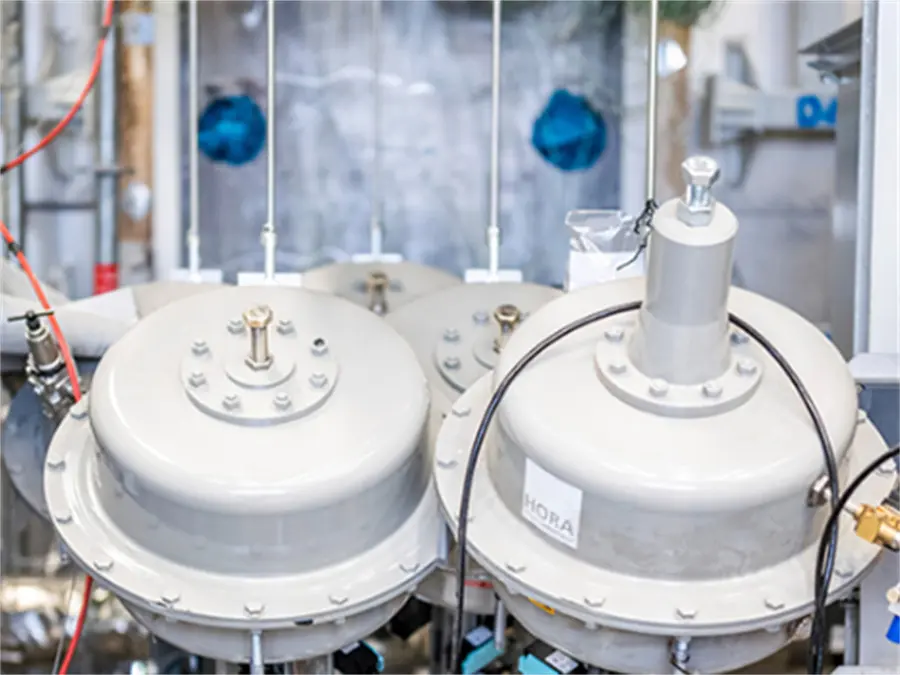
The technology can operate at higher temperatures, which has an impact on the efficiency of power production...
View More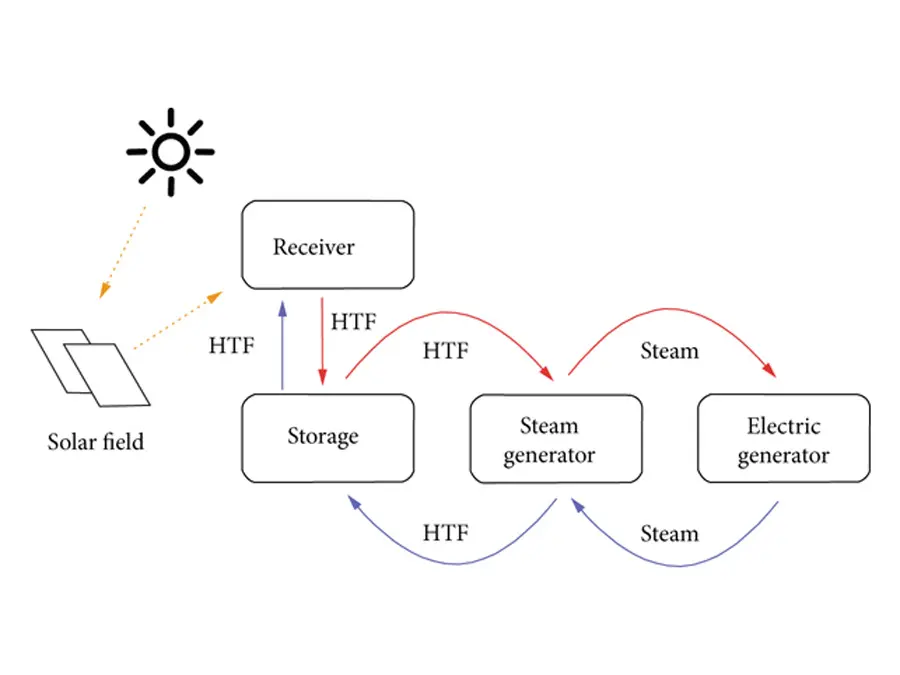
A concentrated solar power plant converts solar energy to electricity. It is based on focused solar arrays...
View More
Molten salt energy storage has emerged as a promising solution for enhancing the efficiency of grids...
View MoreShipping millions of tons of dry chemical salts across international borders requires navigating complex regulatory landscapes. Nitrate compounds are globally categorized as Class 5.1 Oxidizing Agents under the UN Recommendations on the Transport of Dangerous Goods. This status demands strict compliance across the supply chain, from manufacturing and packaging to maritime transport.
Shanxi Vojin New Materials ensures all exported products meet stringent international standards. We are fully registered under EU REACH regulations, allowing smooth importation into European Union member states. Additionally, all batches are accompanied by comprehensive Material Safety Data Sheets (MSDS) updated in accordance with the Globally Harmonized System (GHS) of Classification and Labelling of Chemicals.
To prevent product degradation due to humidity during long ocean freight routes, we use heavy-duty, moisture-proof polymer-lined jumbo bags (1 Ton to 1.25 Ton capacities). These bags feature UV-protective outer layers and heat-sealed inner layers that block moisture, ensuring the dry salts remain free-flowing upon arrival at port terminals.
The standard solar-grade molten salt formulation consists of a binary eutectic blend of 60% Sodium Nitrate (NaNO₃) and 40% Potassium Nitrate (KNO₃). This composition is optimized to achieve a melting point of approximately 220°C (428°F) while maintaining thermal stability up to 565°C (1049°F).
Chloride (Cl⁻) and sulfate (SO₄²⁻) impurities accelerate corrosion on the stainless steel surfaces of storage tanks, heat exchangers, and piping. At high temperatures, these impurities disrupt protective oxide layers on metal alloys, causing pitting and stress corrosion cracking. Keeping chloride levels below 50 ppm significantly extends the system's operational lifespan.
We mitigate caking through precise grain size crystallization, lowering free moisture content to minimum levels during processing, and packing the material in air-tight, multi-layered polymer bags. This ensures the salt remains free-flowing and ready for pneumatic conveying systems at your facility.
Yes. With an annual capacity of 600,000 tons, Shanxi Vojin New Materials has the manufacturing scale to supply large-scale Concentrated Solar Power projects and industrial thermal grids worldwide, backed by robust logistics networks for timely delivery.

A comprehensive portfolio of industrial salts, agricultural fertilizers, and advanced mineral compounds.
 VOJIN
VOJIN