
Wholesale Molten Salt Lifetime Supplier & Factory

Decarbonizing Heavy Industries & Enhancing Concentrated Solar Power (CSP) Efficiencies Globally through Unmatched Thermal Storage Lifetime Performance

Hot Products Overview

Explore our main production lines dedicated to Inorganic Chemicals, Energy Storage materials, and Agricultural nutrients.

Nitrates Series

Nitrates Series

Inorganic Chemicals
Fertilizer Series

fertilizer Series

Inorganic Chemicals
By-Products

By-Products

Inorganic Chemicals

The Definitive Guide to Molten Salt Lifetime Optimization in Modern High-Temperature Systems

In the transition toward carbon neutrality, thermal energy storage (TES) technologies have emerged as the cornerstone for baseload solar generation, industrial grid stabilization, and waste-heat recovery. The effectiveness of these systems depends on the thermal carrier fluid used: molten salts. The critical challenge facing plant operators and EPC contractors is the molten salt lifetime, which directly impacts the return on investment (ROI), operational expenses (OPEX), and safety margins of utility-scale thermal plants.

What Determines Molten Salt Lifetime?

Molten salt degradation is a chemical process influenced by peak operating temperatures, exposure to atmospheric impurities (such as moisture and carbon dioxide), and contact with structural alloy materials. As solar salts—typically a eutectic binary mixture of 60% Sodium Nitrate (NaNO3) and 40% Potassium Nitrate (KNO3)—undergo thermal cycling between 290°C and 565°C, thermal decomposition occurs, leading to the formation of nitrites, oxides, and carbonates. Managing this equilibrium is essential to preventing corrosion and preserving thermal storage capacity.

Global Commercial and Industrial Dynamics of Molten Salt Energy Storage

The global demand for high-purity molten salts has grown significantly, driven by the expansion of Concentrated Solar Power (CSP) configurations, especially in regions with high direct normal irradiance (DNI). Today's market extends beyond CSP. Multi-gigawatt initiatives in China’s western deserts, North Africa, the Middle East (MENA), and the United States Southwest are using molten salts to store surplus renewable energy for industrial process heat, green steam generation, and grid stabilization.

Additionally, the nuclear industry is turning to Molten Salt Reactors (MSRs) as a safer, more efficient alternative to water-cooled options. The high boiling points of chloride and fluoride salts prevent pressurized accidents, presenting a new frontier for molten salt demand. In the chemical and metal industries, molten salts are also widely utilized for vulcanization, metal heat treatment, and glass strengthening, demonstrating their versatility across industrial sectors.

High Thermal Stability

Formulated with precise ratios of sodium and potassium nitrates to minimize thermal degradation up to 600°C.

Low Corrosivity

Strict control over chloride and carbonate impurities reduces the oxidation rate of alloy pipes and storage tanks.

Optimal Cycle Density

Offers high specific heat capacity and sensible heat density, lowering the required salt volume per megawatt-hour.

Technical Roadmap and Lifetime Extension Chemistry

Extending the lifespan of molten salts requires active chemical management. Industrial-grade salts often contain trace levels of chlorides, sulfates, and moisture. These impurities accelerate the corrosion of steel piping (such as ASTM A312 TP347H stainless steel) commonly used in hot storage tanks. When chloride concentrations exceed 0.05%, protective chromium oxide layers on metal alloys break down, leading to pitting corrosion.

Our research and development program focuses on three main chemical parameters:

  1. Thermal Decomposition Suppression: Adding chemical stabilizers to suppress the reversible reaction NO3- ⇔ NO2- + 1/2 O2, keeping the nitrite conversion rate below threshold levels.
  2. Impurity Control: Using advanced double-crystallization techniques to limit chloride impurities to less than 100 ppm, reducing corrosion rates and preserving alloy structural integrity.
  3. Gas Sparging & pH Maintenance: Injecting specific gas mixtures into the headspace of storage tanks to shift the chemical equilibrium away from corrosive oxide ions (O2-).

Global Supply Chain & Shanxi Vojin New Materials Factory Capabilities

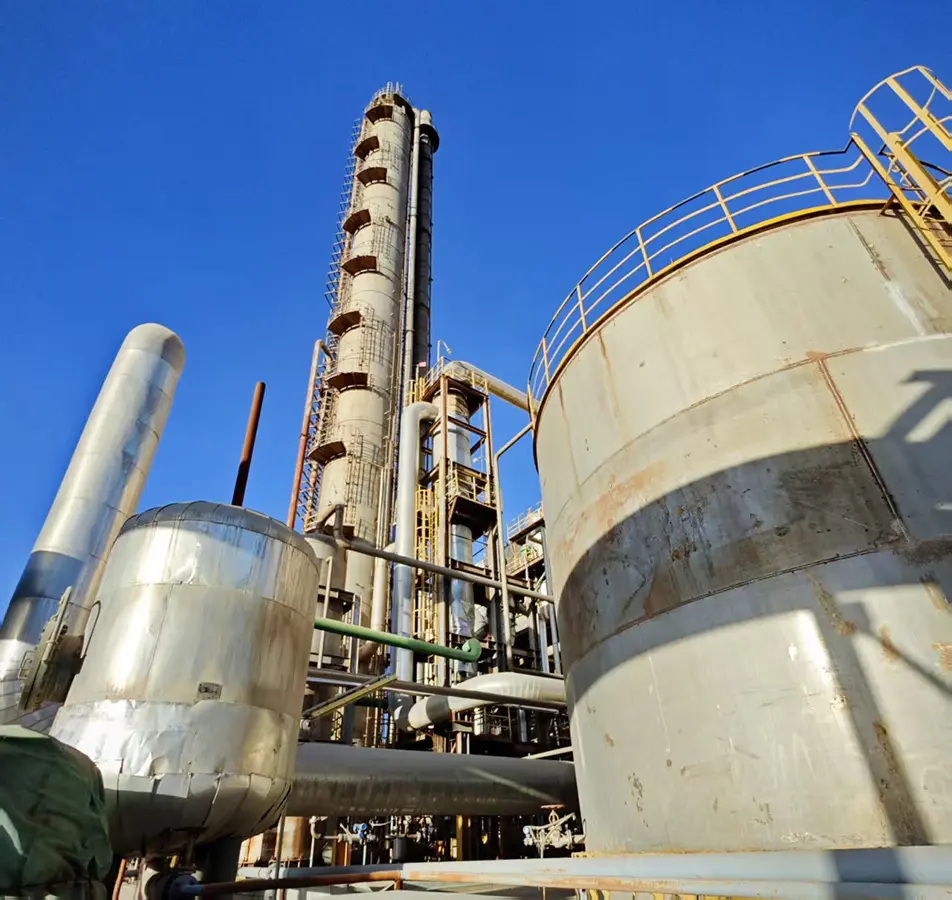
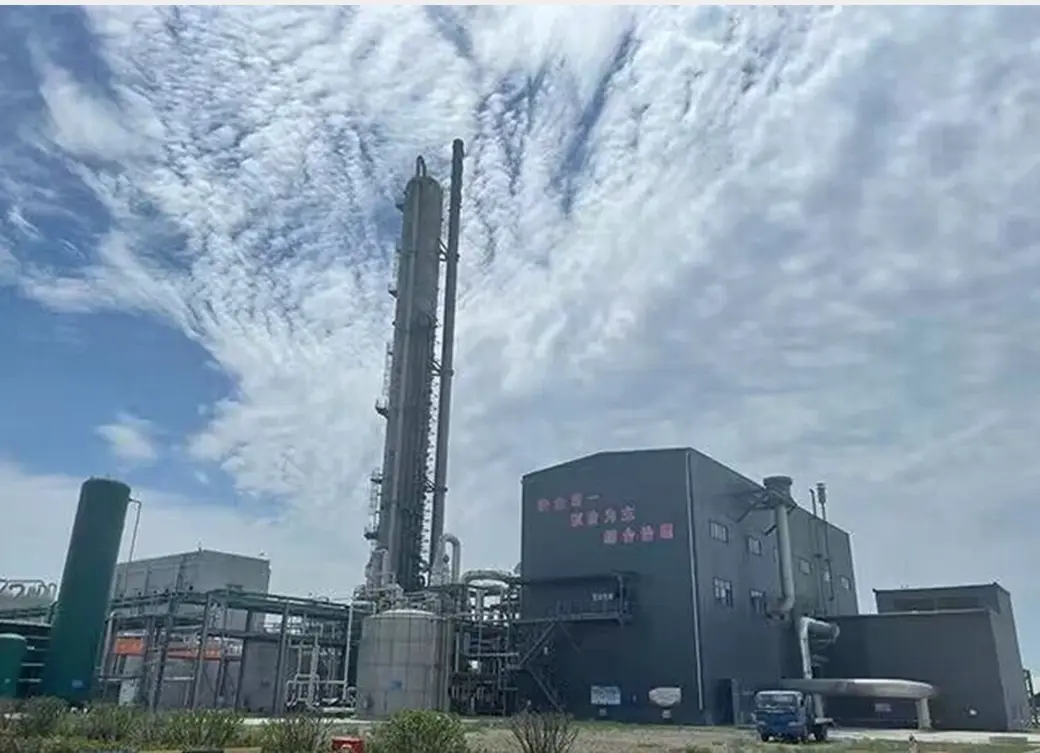
Developing reliable molten salt systems requires a dependable supply chain. Shanxi Vojin New Materials Co., Ltd. offers over 15 years of chemical manufacturing experience, operating a 1000-acre facility with an annual capacity of 600,000 tons. This production volume supports large-scale thermal energy projects worldwide, ensuring consistent chemical quality and timely delivery.

Our quality management systems monitor trace elements from raw material sourcing through to the final product. Every batch of Solar Salt undergoes rigorous testing, including inductively coupled plasma (ICP) spectroscopy and ion chromatography, to confirm purity. This process ensures the material is ready for high-temperature service immediately upon arrival.
Industrial Application Scenarios

Our products support diverse thermal management, agricultural, and manufacturing systems worldwide.

Thermal Energy Storage

Provides critical heat storage capacity for Concentrated Solar Power (CSP) installations and industrial grid balancing.

Display Devices

Used in high-temperature glass chemical strengthening processes to improve screen durability.

Industrial Steam & Heating

Facilitates coal conversion processes and supplies consistent high-temperature steam to heavy manufacturing.

Global Thermal Carrier Experts

SHANXI VOJIN NEW MATERIALS CO., LTD.

Founded in 2010, with roots in chemical manufacturing extending back to 2000, we supply high-grade inorganic salts for thermal energy storage and agricultural applications worldwide.

Our production methods minimize structural impurities to improve salt longevity and reduce operational costs for utility-scale CSP installations and industrial heating plants.

600,000 T Annual Capacity
40+ Countries Global Deliveries
1,000 Acres Production Footprint

Proven Production Scale

Our operational capabilities support the high-volume requirements of global renewable energy and industrial projects.

15+
Years Manufacturing Experience
600K
Tons Annual Production Capacity
50+
Inorganic Product Variations
80+
Custom Thermal Solutions Deployed

Why Partner with Shanxi Vojin

We combine manufacturing capacity, quality control, and technical support to deliver reliable thermal storage media.

Experience

Export Operations

Integrated logistics infrastructure ensures reliable product quality and shipping compliance across international borders.

Production

Scale Capacity

Our 600,000-ton annual output handles large initial fills and ongoing top-up demands for international solar thermal projects.

Services

Technical Support

Experienced chemical and process engineers are available to support design phases, commissioning, and lifetime cycle analyses.

Expert Q&A: Molten Salt Stability and Performance

Key chemical and operational considerations for extending molten salt life in industrial systems.

Q1: What are the primary chemical pathways of nitrate-based molten salt degradation?
At temperatures exceeding 500°C, nitrate salts (NaNO3 and KNO3) exist in a dynamic equilibrium with their corresponding nitrites (NaNO2 and KNO2) and oxygen gas. Prolonged high-temperature operation can shift this balance to produce metal oxides (Na2O, K2O) and, upon contact with ambient air, carbonates (Na2CO3, K2CO3). These alkaline degradation products increase the salt's freezing point and raise corrosiveness toward stainless steels.
Q2: How do chloride impurities affect the lifespan of storage systems?
Chlorides (Cl-) act as catalytic agents that disrupt the protective oxide layers on containment alloys. When chloride levels exceed 0.05% (500 ppm), the rate of intergranular corrosion and pitting in stainless steels increases. Keeping chloride levels below 100-200 ppm helps prevent local wall thinning and prolongs the service life of hot storage tanks and heat exchangers.
Q3: What methods are used to stabilize molten salts at operating temperatures above 565°C?
Stabilization methods include: maintaining a dry nitrogen or synthetic air cover gas to limit CO2 and moisture intrusion; actively monitoring and filtering suspended solids; and occasionally adding chemical buffers to neutralize oxide ions.
Q4: How does moisture absorption affect molten salt properties?
Nitrate salts are hygroscopic. Absorbed moisture forms corrosive hydroxides at high temperatures and generates steam when heated rapidly. High-moisture environments can lead to stress corrosion cracking in piping joints and welds. Keep storage areas sealed and preheat the salts to eliminate moisture before melting.
Q5: Can degraded molten salts be regenerated?
Yes. Depending on the level of degradation, salts can be regenerated by adding fresh high-purity nitrate components to balance the chemical ratios, or by using chemical treatments to precipitate out excess carbonates and filter out metal oxides.

Latest Industry News

Insights into high-temperature solar thermal energy storage and material engineering.

Storing the sun
08/03/2024

Storing the sun: Molten salt systems

New nitrate formulations allow operations at higher peak temperatures, improving steam turbine conversion efficiency.

View More
Molten Salt Power
08/03/2024

Molten Salt Power Plants

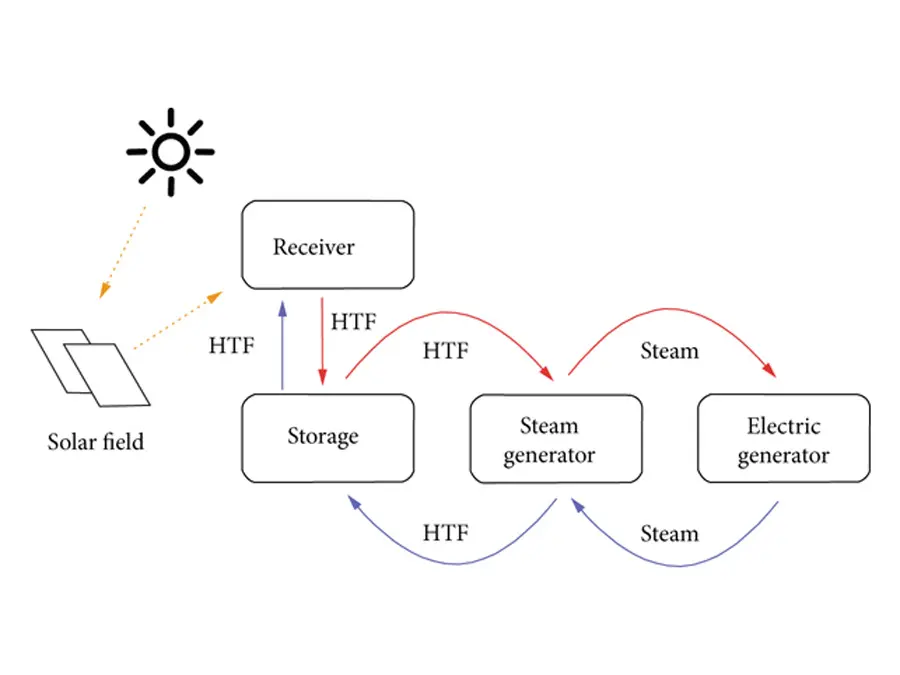
Concentrated solar plants use heliostat fields and molten salt thermal loops to generate reliable baseload electricity.

View More
Molten Salt Energy
08/03/2024

Molten Salt Energy Storage

Recent projects demonstrate the viability of using molten salts to store grid-scale energy and stabilize renewable power grids.

View More

They Trust Us

We work with international engineering firms, agricultural distributors, and industrial plants to supply reliable chemical materials.

Partner
Partner
Partner
Partner
Partner
Partner