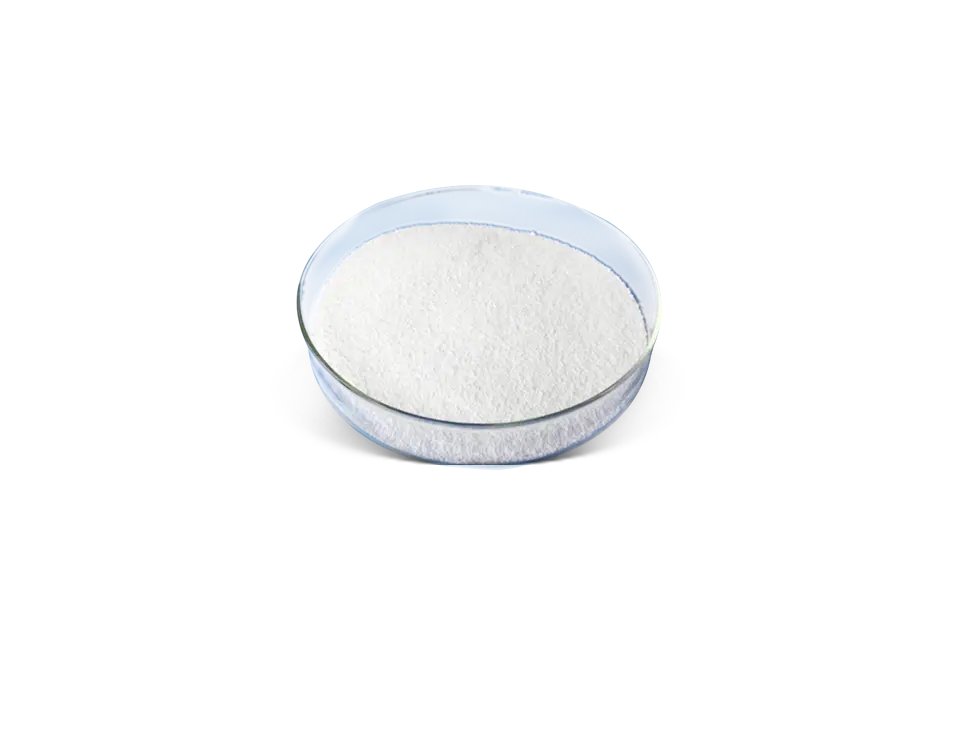
Explore our premium grade chemical products optimized for thermodynamic stability, thermal energy storage, and industrial tempering applications.
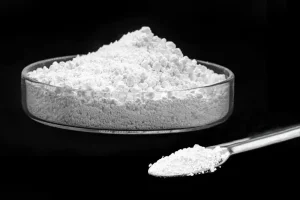
An in-depth whitepaper on thermodynamic performance, chemical integrity, and high-temperature thermal energy storage systems.
Molten salt technology represents a cornerstone of modern thermodynamic engineering, bridging the gap between intermittent renewable energy generation and continuous, on-demand power distribution. By utilizing high-capacity ionic liquids—primarily mixtures of inorganic nitrate salts such as Sodium Nitrate (NaNO3) and Potassium Nitrate (KNO3)—industrial facilities can store vast quantities of thermal energy at temperatures exceeding 560°C. This chemical mixture, widely referred to as "Solar Salt" (typically structured as 60% NaNO3 and 40% KNO3), exhibits excellent heat capacity, high density, low vapor pressure, and a broad liquid operating range. Maintaining the precise chemical composition and purity is critical: even trace levels of chloride or sulfate impurities can accelerate corrosive attack on containment alloys, leading to system failure.
"Optimizing the eutectic ratio and maintaining stringent purity levels in nitrate chemistry are the primary drivers of longevity in thermal energy storage systems (TES). Modern Concentrated Solar Power (CSP) facilities rely heavily on these factors to guarantee a operational lifespan exceeding 30 years."
Beyond solar energy, molten salts are rapidly gaining traction as crucial Heat Transfer Fluids (HTFs) in heavy industrial processes. Traditional thermal oils break down rapidly when temperatures exceed 300°C. In contrast, inorganic nitrate salts remain chemically stable up to 565°C and can be engineered with specific additives, like Sodium Nitrite (NaNO2) or Calcium Nitrate [Ca(NO3)2], to lower the melting point. This modification significantly reduces the risk of solidification or "freezing" within the pipeline network—one of the most complex operational challenges in molten salt loop design. Understanding the kinetics of thermal degradation, the role of impurity limits, and the passivation of steel interfaces constitutes the core expertise required by EPC contractors and industrial operators worldwide.
Comprehensive manufacturing lines encompassing high-performance inorganic compounds, specialized fertilizer bases, and strategic industrial by-products.
China has established itself as the undisputed global hub for the manufacturing of inorganic nitrates and high-purity molten salts. This dominance is not merely a matter of production volume; it is built upon vertical supply chain integration, advanced synthesis technology, and geographic specialization. Shanxi Province, in particular, acts as the epicenter of this industry. The region benefits from immediate proximity to key raw materials—including synthetic ammonia, nitric acid, carbonate compounds, and abundant potassium salts. By integrating upstream chemical manufacturing directly with downstream refining processes, Chinese factories can significantly reduce transportation overheads, guarantee raw material consistency, and maintain pricing structures that cannot be matched by fragmented regional suppliers.
Furthermore, leading Chinese manufacturers like Shanxi Vojin New Materials Co., Ltd. have made significant capital investments in clean chemical synthesis and crystallization processes. Standard industrial grade salts contain high levels of chlorides, moisture, and insolubles, which make them unsuitable for thermal storage applications. Chinese factories utilize automated, multi-stage recrystallization systems that selectively precipitate pure nitrate compounds while excluding corrosive elements. This technical approach guarantees that bulk deliveries for international projects meet the ultra-low chloride specifications (often <100 ppm or even <50 ppm) requested by utility-scale Concentrated Solar Power (CSP) plants and high-end metallurgy systems, combining economic efficiency with premium quality.
From gigawatt-scale grid balancing to ultra-thin electronic display strengthening and high-yield agricultural cultivation.
For procurement managers, material engineers, and EPC contractors, selecting a molten salt supplier is a rigorous validation process. Solar-grade and industrial-grade nitrates are not interchangeable. In a typical 100MW CSP plant, which requires up to 30,000 tons of molten salt, the presence of impurities can have catastrophic financial consequences. Heavy metal contaminants, moisture, and high chloride levels directly affect the corrosion rates of stainless steel alloys (such as SS347H or Inconel) used in the heat exchangers and hot storage tanks. At operating temperatures above 500°C, chlorides disrupt the protective oxide layer on steel, initiating pitting corrosion and stress corrosion cracking (SCC).
Vojin New Materials has developed specialized production runs that guarantee tight control over these critical parameters. Our solar-grade Potassium Nitrate features a purity profile of ≥ 99.8% with chloride levels systematically restricted to under 100 ppm, and frequently under 50 ppm depending on project specifications. Additionally, moisture content must be maintained at ≤ 0.05% at the time of packaging. Excessive moisture not only leads to caking during long-distance maritime transit but also causes intense steam generation and foaming when the salt is melted in the commissioning phase. This foaming can damage pumps, rupture containment seals, and distort level indicators in the storage tanks. We address these challenges through double-layer, moisture-barrier jumbo bag packaging and temperature-controlled logistics, ensuring every shipment arrives ready for immediate chemical melt-in.
Why industrial procurement teams choose Shanxi Vojin New Materials Co., Ltd.
Integrated experience on exporting operation. Always assure your customers good quality.
Annual output of 600,000 Tons of molten salts and specialized chemical series.
Experienced technical support and rapid response to complex engineering inquiries.
Multiple items for selection such as KNO3, NaNO3 to meet various need of customers.
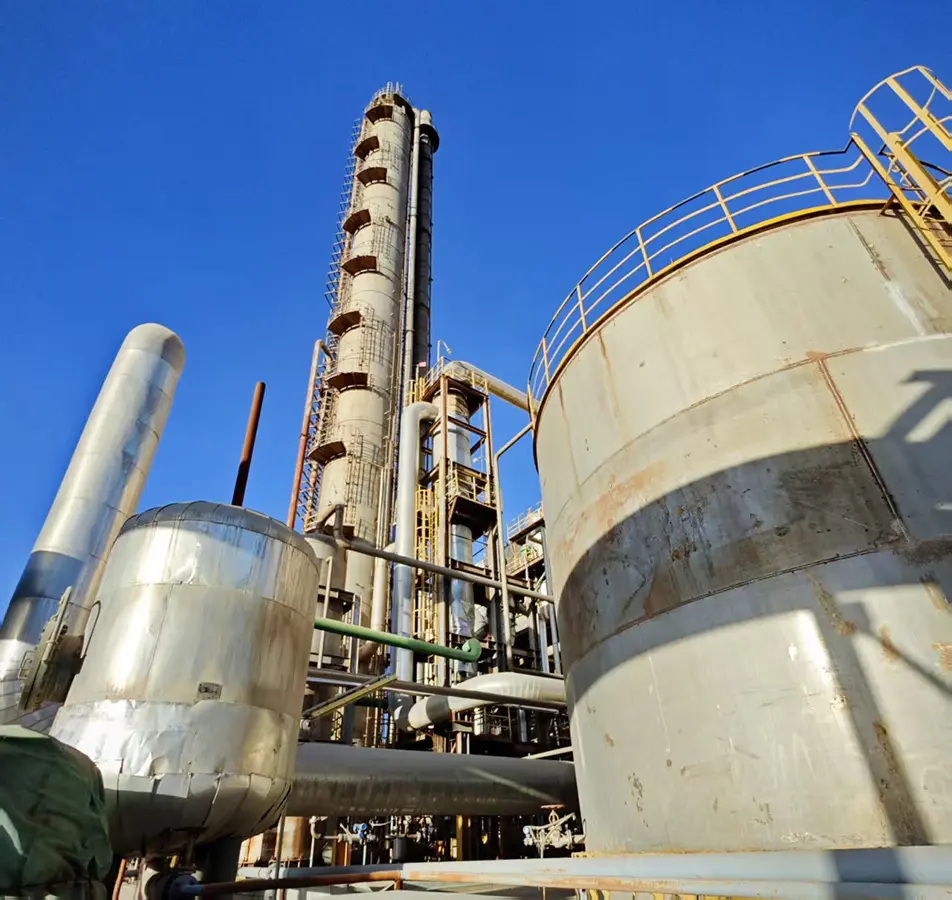
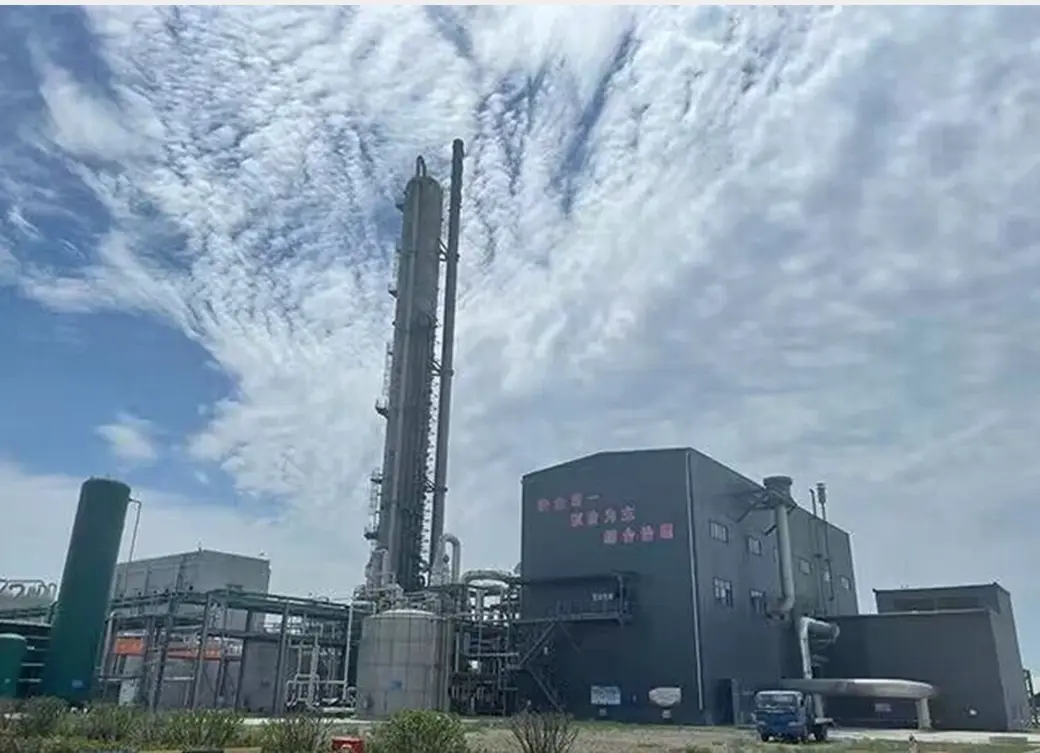
Driven since 2000, we have been committed to the entrepreneurial spirit and passion for innovation. Our team takes pride in delivering dependable products and services with a quality distinction in thermal energy storage & water-soluble fertilizer industries globally. Our years of manufacturing experience and refined products provide you with better performance, supporting international standards of chemical safety and thermodynamic reliability.
Learn More About Our FactoryThe transition toward higher operating temperatures is a major trend in thermal efficiency optimization. While binary Solar Salt performs exceptionally well up to 565°C, next-generation CSP designs and industrial processes require materials that can handle temperatures reaching 600°C and beyond. To meet this need, researchers and chemical developers are focused on ternary and quaternary eutectic mixtures. By incorporating lithium compounds, such as Lithium Carbonate (Li2CO3), or calcium bases, these advanced formulations can lower the melting point from the standard 220°C to below 150°C. This broader liquid operating range significantly reduces the auxiliary energy required to prevent system freezing, and increases overall thermodynamic efficiency.
However, these advanced mixtures require exceptional chemical stability and highly precise formulation. As temperatures rise, the rate of nitrate-to-nitrite decomposition accelerates, which can lead to increased vapor pressure and corrosiveness. Modern factories are addressing this challenge by offering custom-blended formulations pre-doped with corrosion inhibitors and stabilization agents. These proprietary additives create a stable passivation layer on internal container walls, protecting high-temperature alloy systems. By collaborating directly with research universities and engineering companies, manufacturers are turning laboratory-scale formulations into cost-effective, multi-ton industrial products, supporting the future of clean energy storage.
Stay updated on the latest developments in solar energy technology, thermal storage performance, and supply chain updates.
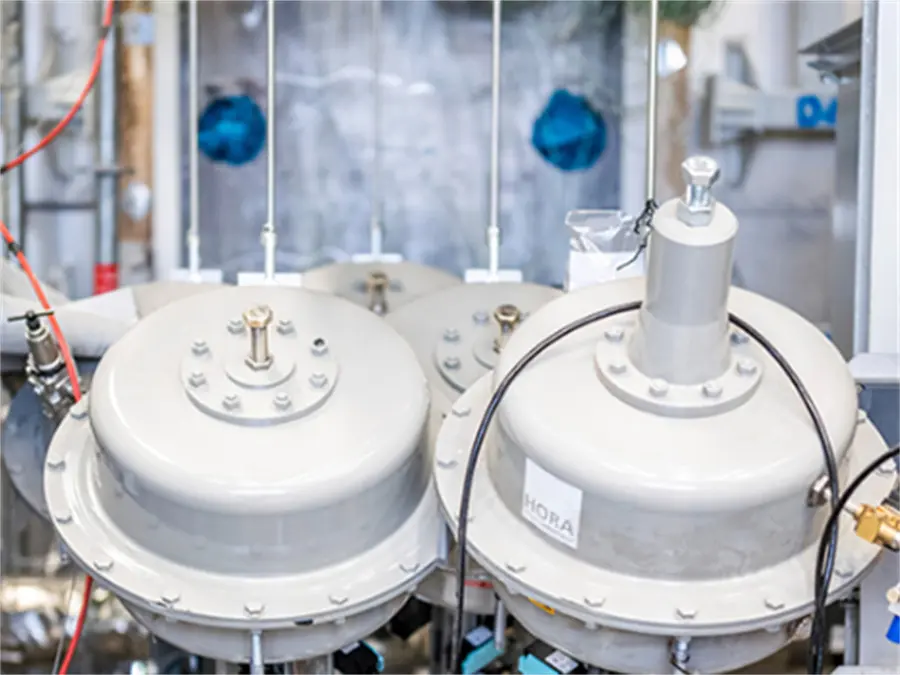
The technology can operate at higher temperatures, which has an impact on the efficiency of thermal power plants and thermodynamic cycles...
Read Whitepaper →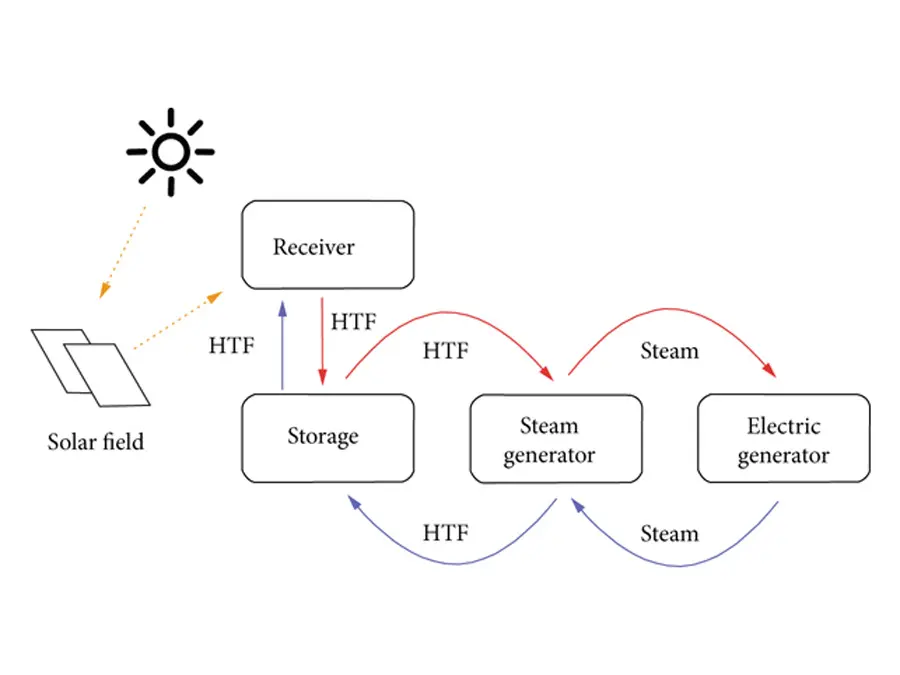
A concentrated solar power plant converts solar energy to electricity. It is based on advanced heat transfer fluids running through receiver tubes...
Read Whitepaper →
Molten salt energy storage has emerged as a promising solution for enhancing the efficiency of regional electric grids and balancing intermittent solar...
Read Whitepaper →Partnering with leading global companies, EPC contractors, and chemical distributors across 40 countries.


Technical answers to key inquiries regarding molten salt chemistry, handling, and supply specifications.
Standard Solar Salt consists of a binary mixture of 60% Sodium Nitrate (NaNO3) and 40% Potassium Nitrate (KNO3) by weight. It has a melting point of approximately 220°C (428°F) and remains thermally stable up to 565°C (1049°F). Beyond this temperature, slow thermal degradation into nitrites occurs, which requires nitrogen gas blankets or chemical stabilization measures.
Chloride ions (Cl-) are highly corrosive to stainless steel and high-temperature alloys at operating temperatures above 450°C. They cause pitting corrosion and stress corrosion cracking (SCC) along grain boundaries. For utility-scale CSP projects, solar-grade salts must have chloride concentrations of ≤ 100 ppm, and ideally ≤ 50 ppm, to ensure a system lifespan of 25 to 30 years.
Our products are packed in heavy-duty, double-layer woven super sacks containing internal PE liners. These liners act as a moisture barrier, protecting the hygroscopic nitrate salts from atmospheric humidity during sea transit and long-term storage. Anti-caking agents can also be added based on customer specifications and handling requirements.
Yes. Over years of operation, thermal degradation slowly converts nitrates into nitrites, altering the eutectic balance and slightly raising the melting point. High-temperature systems can be rejuvenated by injecting dry air or oxygen to re-oxidize the nitrites back into nitrates, or by adding fresh makeup salt to restore the original chemical ratio.
Adding Sodium Nitrite creates a ternary mixture (NaNO3-KNO3-NaNO2), often called Hitec Salt. This formulation lowers the melting point from 220°C to approximately 142°C (288°F). The lower melting point reduces the risk of salt solidification in the pipes and minimizes the energy needed for heat-tracing systems during shutdowns.
Vojin New Materials operates under ISO 9001:2015 quality standards. Every production batch of nitrate salt is analyzed using Inductively Coupled Plasma (ICP) spectroscopy and Ion Chromatography (IC) to monitor and verify chemical purity, moisture levels, insolubles, and trace elements before packaging and dispatch.
Supplying high-efficiency agricultural nutrients, structural building chemical bases, and industrial processing compounds globally.
 VOJIN
VOJIN