Pioneering High-Quality Raw Materials Optimized for Global Logistics and Thermal Efficiencies
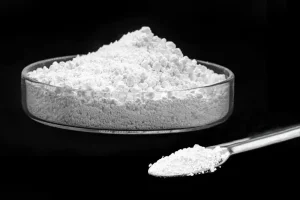
Engineered Inorganic Compounds for Strategic Industrial Deployments
Highly purified sodium nitrate and potassium nitrate critical for thermal energy storage media and advanced industrial manufacturing.
Explore SeriesPremium agricultural chemical formulations including Monoammonium Phosphate (MAP) and trace-element water-soluble mixes.
Explore SeriesValue-added chemical industrial outputs optimized for manufacturing integration and environmental processing.
Explore SeriesWhere our specialty chemical configurations power tomorrow's green and industrial technologies
Crucial for Concentrated Solar Power (CSP) systems, providing continuous baseload grid electricity generation.
View DetailsHigh-purity potassium salts used in molten glass baths for chemical strengthening of mobile display panels.
View DetailsSupporting fossil-free industrial heating systems, coal conversions, and massive utility boilers.
View DetailsAdvanced water-soluble nitrogen and phosphorus fertilizers that dramatically increase crop yields.
View Details
Driven since 2000, we have been committed to the entrepreneurial spirit and passion for innovation. Our team takes pride in delivering dependable products and services with a quality distinction in thermal energy storage and water-soluble fertilizer industries globally. Headquartered in Shanxi, the core industrial node for nitrate compounds in China, we leverage premium regional minerals and cutting-edge processing technology to supply leading energy consortiums, chemical distributors, and agricultural networks across more than 40 countries.
View More DetailsWhy Industrial Buyers and EPC Enterprises Select Shanxi Vojin New Materials

Decades of logistics, customs clearance, and heavy chemical handling operations worldwide.
Annual output exceeding 600,000 metric tons of molten salts and specialized nitrates.
Dedicated technical engineering team offering quick responses and customized blend ratios.
Comprehensive portfolio from KNO3 and NaNO3 to specialized agricultural elements.
An In-Depth Technological and Commercial Analysis for Procurement Officers & Industrial Engineers
In the global quest for decarbonization and highly efficient thermal storage, molten salt has emerged as a cornerstone technology. As global energy grids move away from fossil fuels, the demand for stable, high-capacity Thermal Energy Storage (TES) has skyrocketed. Molten salt, primarily composed of sodium nitrate and potassium nitrate blends, provides the high density and thermal stability required to store massive amounts of heat for concentrated solar power (CSP) systems, industrial processes, and advanced nuclear applications. This paper explores the deep history of molten salt, its modern global supply chain dynamics, and the production efficiencies offered by leading Chinese manufacturers.
The history of molten salt is a fascinating journey that spans centuries. In early industrial eras, molten salts were primarily used in metallurgy and metal heat-treatment processes. Their high thermal conductivity and broad liquid range made them ideal media for annealing, tempering, and hardening alloys. However, the true transformation of molten salt technology occurred during the mid-20th century.
During the 1950s and 1960s, the United States Oak Ridge National Laboratory (ORNL) pioneered the use of molten fluoride salts in nuclear reactors, leading to the development of the Molten Salt Reactor Experiment (MSRE). This landmark project demonstrated that molten salts could safely act as both a reactor coolant and a fuel carrier at high temperatures without the need for high-pressure containment vessels.
"The modern breakthrough in solar thermal energy came in the late 1990s and early 2000s, when 'Solar Salt'—a binary mixture of 60% sodium nitrate (NaNO3) and 40% potassium nitrate (KNO3)—was successfully implemented at utility scale, unlocking 24/7 continuous solar energy."
This binary nitrate salt composition remains the global standard for Concentrated Solar Power (CSP) plants. By melting at approximately 220°C and remaining chemically stable up to 565°C, Solar Salt acts as an exceptional thermal battery, storing heat collected during peak sunlight hours and discharging it to generate high-pressure steam for electricity generation throughout the night.
Today, the commercial molten salt market is undergoing rapid expansion. Across Europe (especially Spain and Italy), the Middle East (including the massive DEWA project in Dubai), and the Western United States, utility companies are integrating molten salt thermal energy storage (TES) systems directly into grid designs.
Beyond grid-scale solar plants, molten salts are increasingly adopted in heavy industrial manufacturing. Industries such as cement, steel, and petrochemical refining require high-temperature process heat. By utilizing molten salt heat transfer fluids (HTFs), these industries can transition from burning fossil fuels to using clean, electric-powered thermal storage, drastically lowering carbon emissions.
In the global supply chain for nitrate salts, Shanxi Province in China stands out as the primary industrial hub. This region features rich raw mineral deposits, highly integrated chemical processing chains, and deep logistics corridors. As a leading manufacturer, Shanxi Vojin New Materials Co., Ltd. exemplifies these structural advantages.
The application profile of molten salts varies significantly by region and specific operational environments:
A. Glass Chemical Strengthening: In electronic display manufacturing centers throughout East Asia, potassium nitrate molten baths are used to chemically temper glass substrates. Sodium ions on the glass surface are replaced by larger potassium ions from the molten salt bath, creating high compressive stress and making the glass highly resistant to shattering.
B. Coal Boiler Retrofitting: In regions transitioning away from coal-fired power plants, developers are utilizing molten salt thermal batteries. By replacing coal boilers with molten salt storage systems while maintaining existing steam turbines and generators, power companies can repurpose fossil infrastructure into clean energy storage hubs.
Looking forward, the development of ternary and quaternary salt formulations represents the next technological frontier. By blending lithium nitrate or calcium nitrate with traditional sodium and potassium mixtures, researchers aim to lower the melting point to under 100°C, significantly reducing the energy required for system freeze-protection.
For procurement managers, securing long-term contracts with reliable manufacturers like Shanxi Vojin New Materials is essential. Buyers must verify the supplier's quality control systems, test reports, and raw material access to shield themselves from supply blockages and pricing volatility in the global industrial market.
Stay updated with research, technical updates, and global project milestones
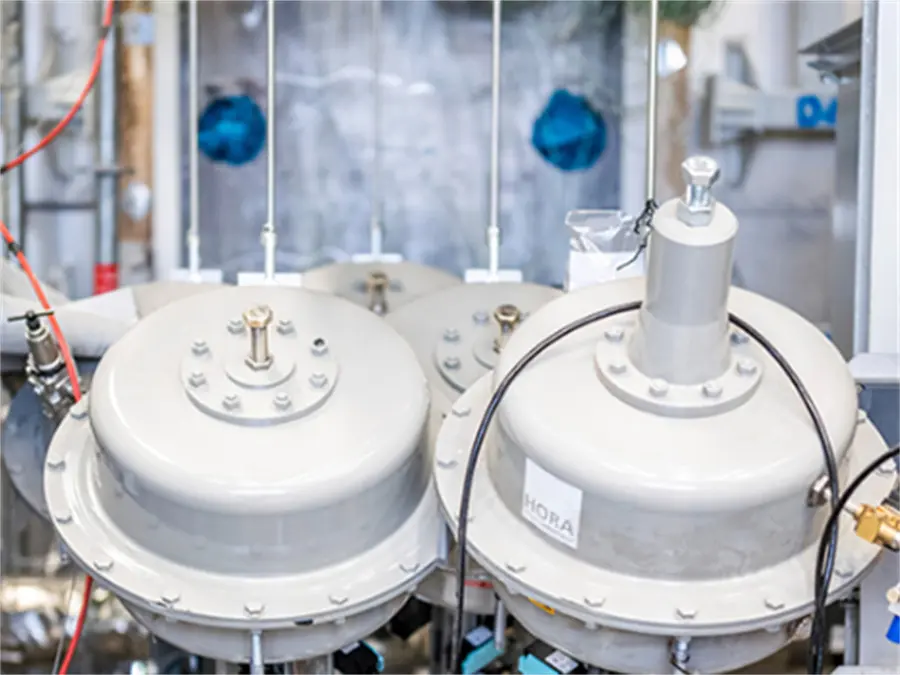
The technology can operate at higher temperatures, which has an impact on the efficiency of the thermal processes and general operational reliability.
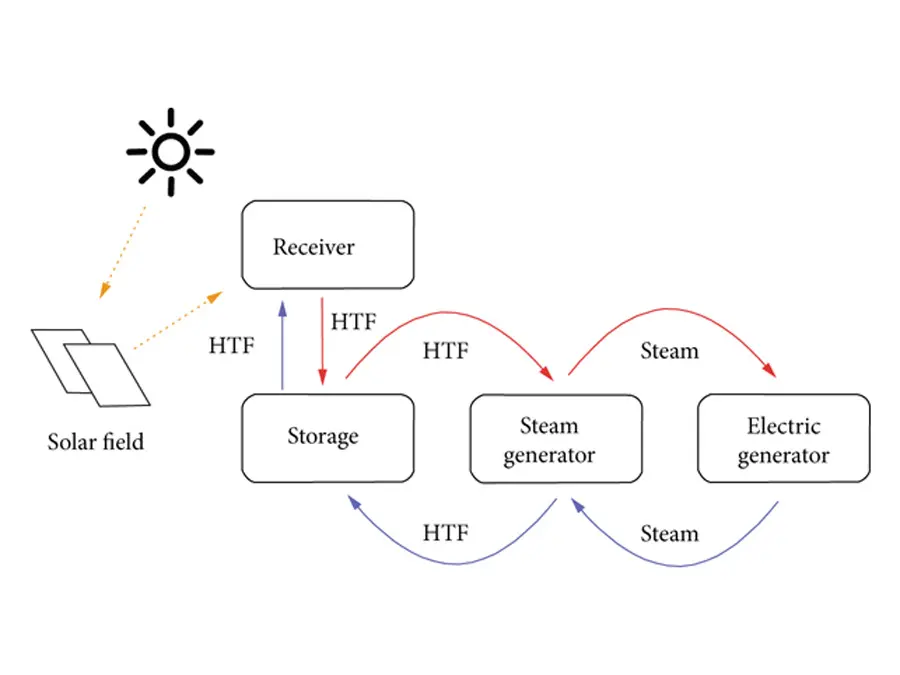
A concentrated solar power plant converts solar energy to electricity. It is based on transferring heat to fluid storage tanks that function overnight.

Molten salt energy storage has emerged as a promising solution for enhancing the efficiency of green solar plants globally.
Technical answers regarding product specifications, delivery, and system integration




Reliable, stable, and highly pure chemical supplies shipped directly from our manufacturing facilities
 VOJIN
VOJIN