Premium chemical formulations optimized for high-temperature heat transfer fluids and clean agricultural systems.
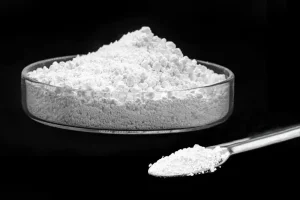
The global transition toward carbon neutrality has accelerated research and application in high-capacity energy storage media. A molten salt environment serves as a critical technological platform, utilizing liquid inorganic salts to store and transfer vast amounts of thermal energy. Historically utilized for metal heat treating and glass strengthening, molten salt mixtures are now at the center of the utility-scale renewable energy storage paradigm.
Current industry trends emphasize shifting from standard binary formulations (typically 60% sodium nitrate and 40% potassium nitrate) to custom multi-component, eutectic mixtures. Researchers and process engineers are actively integrating lithium, calcium, and chloride salts to widen the thermal operating window. Expanding this window on the lower bound prevents pre-solidification and crystallization in industrial piping, while raising the upper-bound thermal limit allows gas turbines to run at higher efficiency ratings.
Furthermore, the ongoing design of Molten Salt Reactors (MSRs) in the nuclear energy sector represents a revolutionary leap. Developing salts with extremely low halide impurities is vital to suppress corrosion kinetics, ensuring structural containment vessels maintain their design integrity over multiple decades of continuous operational life.
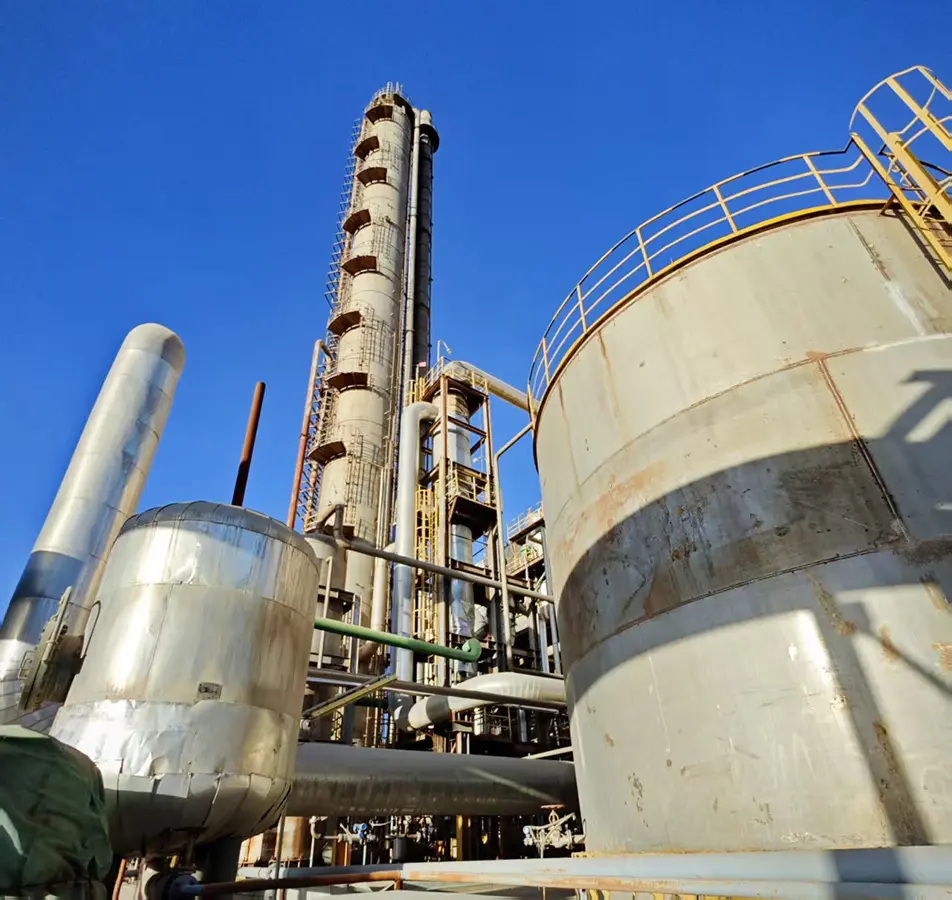
Key logistical and chemical considerations for large-scale energy developments and advanced chemical processing plants.
For Concentrated Solar Power (CSP) facilities, trace contaminations (especially chloride and carbonate ions) act as catalysts for system corrosion. Procuring enterprises enforce strict maximum thresholds (often < 0.05% by weight) to protect expensive piping networks and structural heat exchangers.
Utility projects routinely require tens of thousands of metric tons of formulated salt mixtures. Buyers demand suppliers that show robust end-to-end supply chains, secure access to raw nitrates and carbonates, and the physical capacity to sustain large production runs without manufacturing bottlenecks.
Global procurement mandates adherence to international standards like ISO 9001 for quality control and ISO 14001 for environmental safety. Comprehensive supply chain traceability, detailed safety datasheets, and batch testing certificates must accompany high-volume shipments to clear port inspections and internal quality reviews.
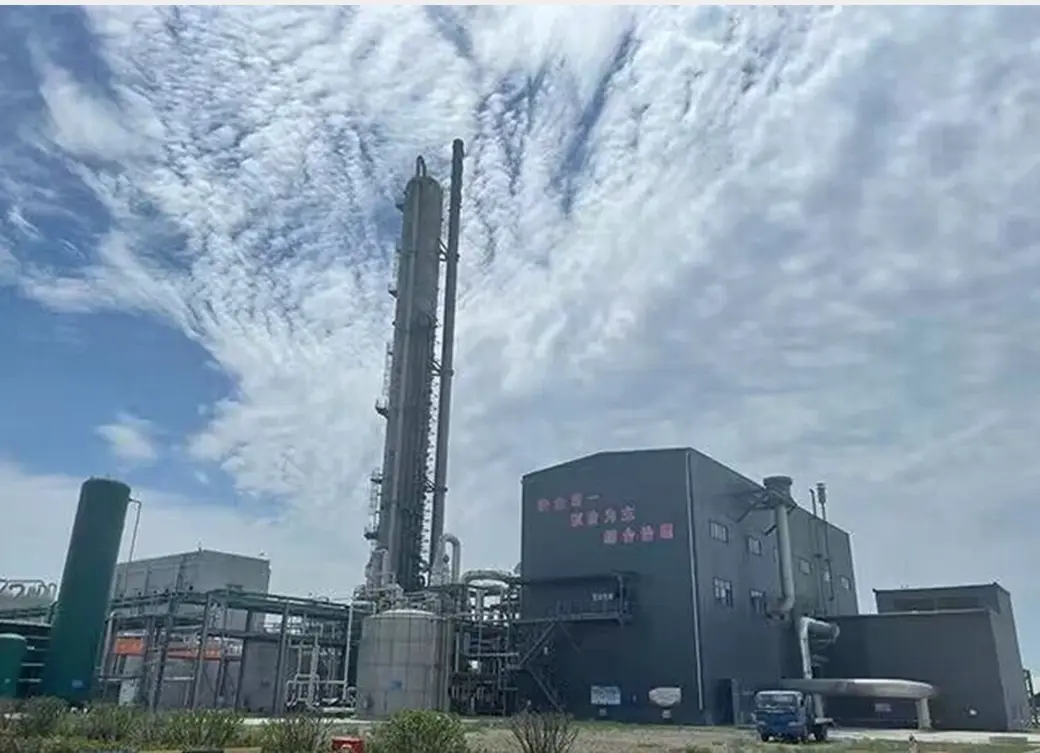
China's advanced manufacturing capabilities have redefined the worldwide inorganic chemical supply chain. Factories have successfully transitioned toward the Factory 4.0 standard, using automated processes, precise monitoring systems, and closed-loop environmental controls to manufacture materials.
Shanxi Vojin New Materials Co., Ltd. serves as a clear example of this industrial transformation. Operating with a production area of over 1,000 acres and an annual capacity reaching 600,000 tons, the company uses modern synthesis and crystallization lines. This level of automation keeps product chemistry highly consistent while limiting trace impurities.
By integrating local mineral access with efficient transport networks, Chinese factories manage supply challenges that often slow down regional chemical producers. This raw material security, paired with deep expertise in exporting, allows companies like Shanxi Vojin to ship custom products to over 40 countries and regions quickly.
This scale allows for cost-efficient production without sacrificing quality. For global buyers, this means lower overall costs, reliable shipping timelines, and products refined to handle the demanding environments of high-temperature applications.
Molten salts are highly effective thermal storage and heat transfer agents. Below are the primary sectors driving global consumption and production.
Tower and parabolic trough CSP plants rely on liquid nitrate mixtures to store solar energy during peak hours, later releasing it to generate high-pressure steam for electricity production. This provides dispatchable solar energy, helping stabilize power grids overnight.
Chemical manufacturing, petroleum refining, and polymer production require stable temperatures that standard organic thermal oils cannot handle. Molten salts are an excellent choice here, operating safely at high temperatures without breaking down or creating high system pressures.
Liquid salt baths are critical for heat treating metals and strengthening specialized glass (such as touchscreen glass). Precise temperature control and uniform heat transfer ensure materials meet exact mechanical specifications.
How regional operations implement molten salt technologies to resolve specific energy and processing challenges.
Utility-scale heat storage systems that capture renewable power and provide consistent grid power.
High-purity potassium nitrate baths used for chemical strengthening of screen glass.
Optimizing high-temperature industrial steam systems and cleaner coal-to-energy conversion processes.
Highly soluble nitrate and phosphate complexes that support modern drip irrigation and crop nutrition.
Delivering high-purity chemical media, broad selection options, and reliable service to global industries.

We manage complex export logistics and operations, ensuring high-quality materials are delivered safely and on schedule.

With an annual capacity of 600,000 tons, we can reliably supply both mid-size and large-scale industrial projects.
Our skilled engineering and support teams respond quickly, helping customers select and optimize the right formulations.
We offer a wide variety of nitrate compounds, including KNO3 and NaNO3, to match specific thermal and industrial requirements.
Clear, detailed answers regarding composition, chemical compatibility, and procurement logistics.
Updates on energy storage research, material performance, and industrial processing trends.
Modern solar thermal plants are operating at higher temperatures to increase turbine efficiency, driving the demand for specialized salt formulations with high thermal stability.
Read Technical Article →Developing heat transfer fluids that remain stable at extreme temperatures is key to improving the efficiency and lifespan of clean energy infrastructure.
Read Technical Article →High-temperature energy storage helps integrate variable solar and wind power, providing reliable, continuous electricity to local grids.
Read Technical Article →


Technical-grade inorganic compounds for water treatment, clean industrial energy, and high-yield agriculture.
 VOJIN
VOJIN