Direct supply of high-purity raw materials from our modern ISO-certified facilities
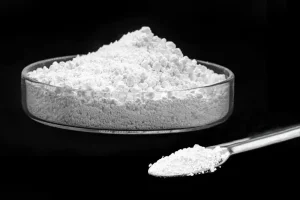
In the global quest for absolute carbon neutrality, the limitations of traditional renewable sources have become increasingly apparent. While photovoltaic (PV) solar and wind energy systems have achieved highly optimized levelized costs of energy (LCOE), their inherent intermittency presents severe challenges for grid stability. Base-load generation requires high-temperature, dispatchable, and long-duration storage technologies. This is where Molten Salt Electricity and Thermal Energy Storage (TES) systems act as the ultimate catalyst for the clean energy transition.
Molten salt electricity relies on the high volumetric heat capacity and exceptional thermal stability of nitrate salt mixtures. The most prominent formulation, often referred to as "Solar Salt," is a binary mixture consisting of 60% sodium nitrate (NaNO3) and 40% potassium nitrate (KNO3). With a liquid phase range spanning from approximately 220°C up to 565°C, this chemical mixture operates as an ideal heat transfer fluid (HTF) and storage medium.
During peak solar irradiation or when grid power is in surplus, electricity or thermal energy is directed to heat the molten salt. This hot fluid is then stored in massive, insulated carbon-alloy tanks. When dispatchable electricity is required—whether during evening peak hours or during periods of low wind activity—the hot molten salt is pumped through a steam generator. This superheated steam drives a conventional steam turbine, producing grid-stabilizing, low-carbon electricity on demand.
"By decoupling energy collection from power generation, molten salt technology guarantees that solar and wind assets can supply consistent, baseload power to regional grids—maximizing return on investment for utilities."
The procurement demands of global engineering, procurement, and construction (EPC) contractors have evolved dramatically. Historically, molten salts were sourced primarily for small-scale pilot solar projects. Today, utility-scale gigawatt projects across the Middle East, Spain, China's Gobi Desert, and the Western United States require millions of metric tons of high-grade nitrates annually.
Procurement officers must navigate tight chemical specifications. The presence of even minute impurities, such as chlorides and carbonates, can lead to accelerated corrosion of stainless-steel heat exchangers and storage tanks, potentially shortening a power plant's operational lifespan from 30 years to under a decade. As a result, the global energy sector is actively shifting procurement partnerships towards manufacturers like Shanxi Vojin New Materials that can guarantee ultra-low impurity levels and provide consistent batch-to-batch chemical integrity.
Tailored formulations to meet the stringent demands of modern power generation and manufacturing sectors
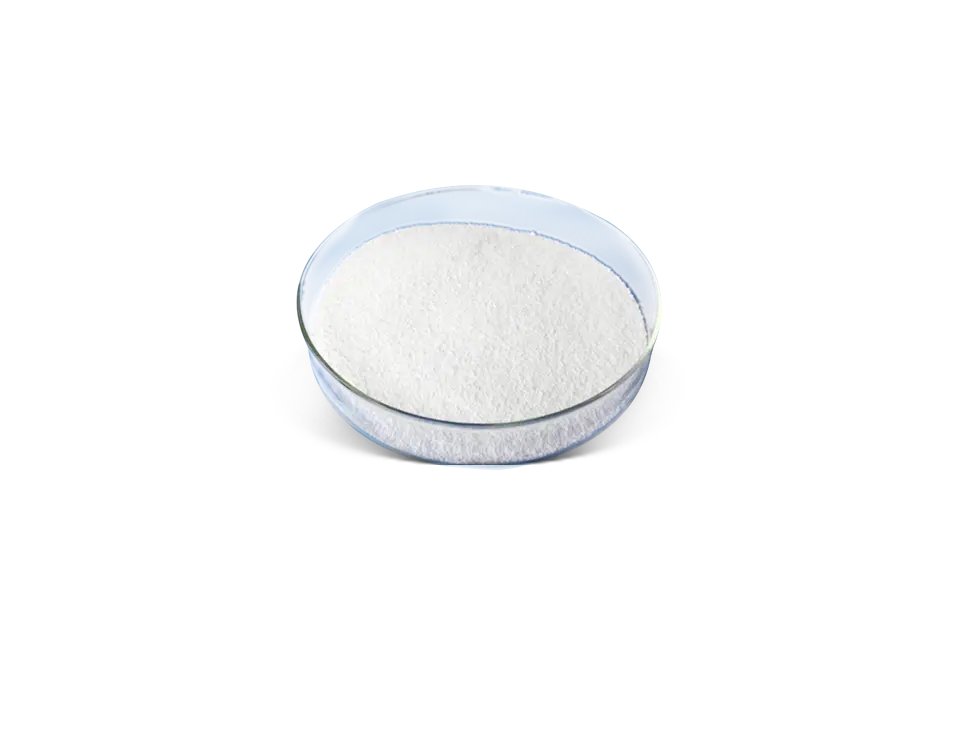

The production of thermal-grade molten salts requires a highly integrated industrial ecosystem. As a leading manufacturer based in Shanxi, China, Shanxi Vojin New Materials Co., Ltd. has pioneered the integration of Industry 4.0 principles across our production lines.
By deploying automated crystallization monitoring, real-time chemical composition analyzers, and closed-loop purification systems, we eliminate human error during critical manufacturing steps. This automation achieves three main goals:
Furthermore, our domestic supply chain is highly resilient. Situated close to critical mineral deposits and supported by advanced rail and sea shipping lanes, Vojin guarantees on-time delivery to destinations worldwide, even during volatile global logistics environments.
The commercial applications of molten salt electricity span a wide range of industries:
Providing the critical thermal and chemical foundation for sustainable industries worldwide
High-capacity binary nitrate mixtures designed to store thermal energy for continuous, dispatchable solar power generation.
High-grade potassium nitrate used in chemical strengthening processes for high-durability cover glasses and displays.
Enabling heavy industries and former coal-fired installations to pivot to green thermal energy loops, reducing carbon output.
Highly soluble nutrient and fertilizer compounds engineered for advanced drip irrigation and hydroponic cultivation.
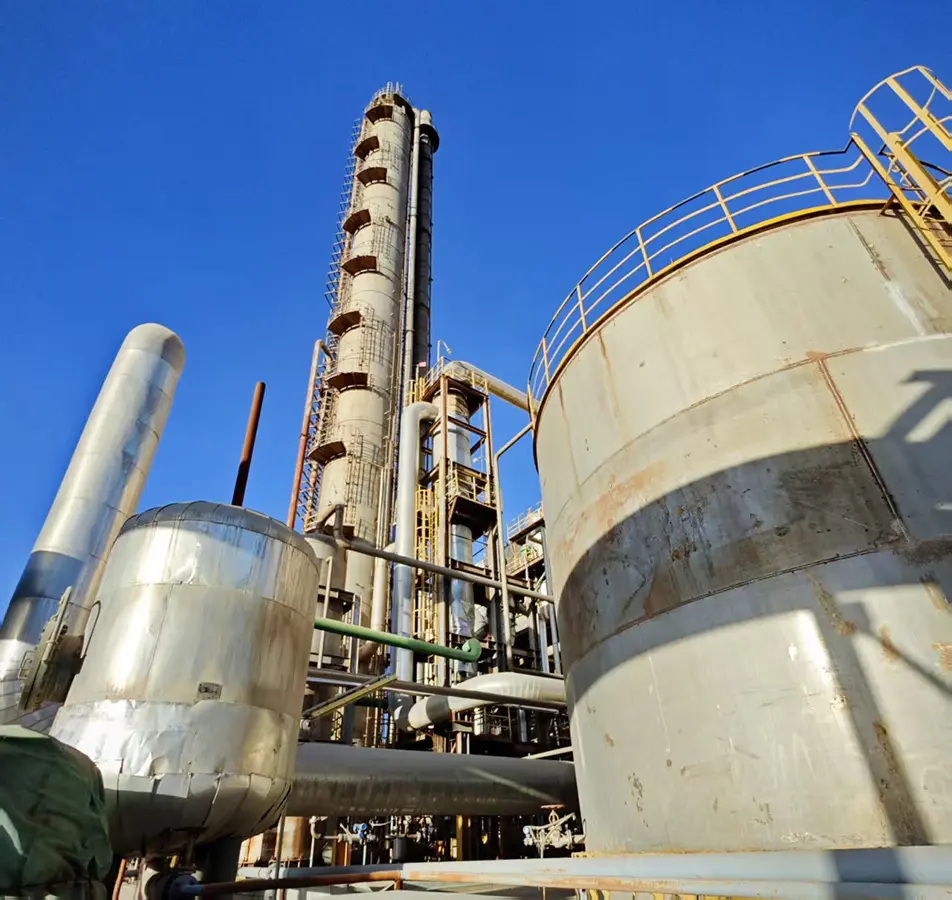
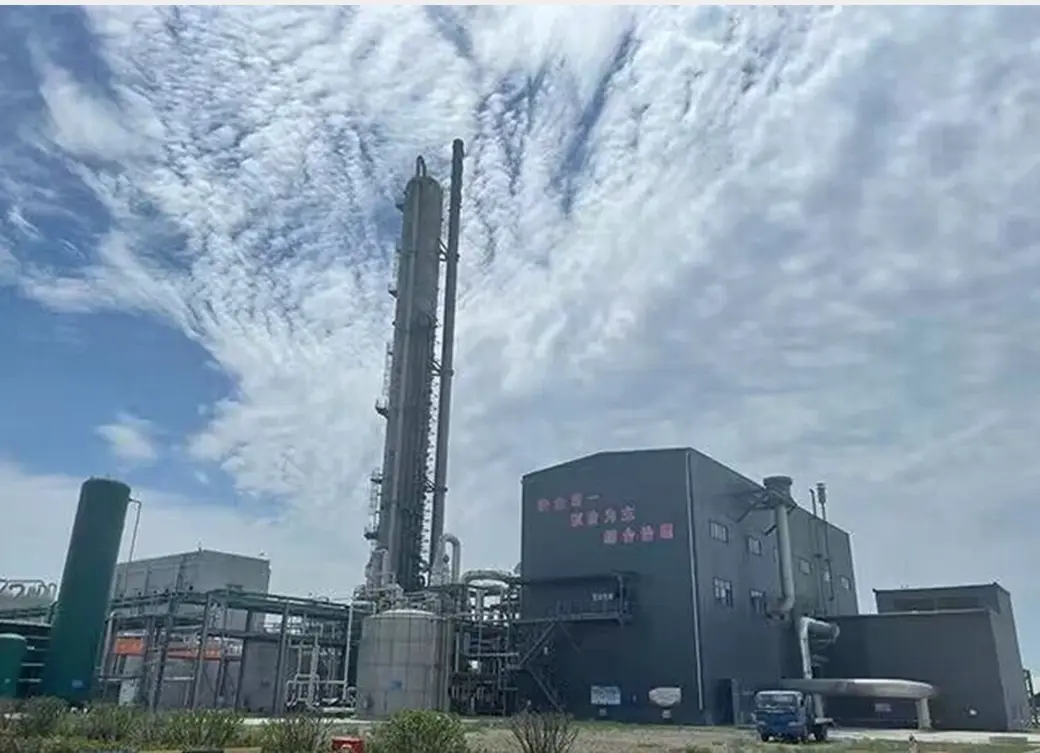
Established since 2000, we have built our reputation on innovation and reliable service. We specialize in providing high-quality chemical solutions for the global thermal energy storage and water-soluble fertilizer markets.
Operating out of our advanced manufacturing centers, our team is committed to strict quality control and continuous product development. We ensure our materials meet the precise requirements of modern industrial operations worldwide.
View Company ProfileA trusted partner for global supply chains, delivering quality chemical products at scale
We combine reliable supply lines, high-purity standards, and dedicated technical support
Smooth international trade operations, reliable shipping compliance, and dependable delivery to your facilities.
An annual output of 600,000 tons of molten salts, ensuring reliable volume supply for major projects.
Our experienced technical support and service teams provide fast, clear answers to your inquiries.
A diverse selection of industrial compounds, including KNO3 and NaNO3, tailored to your exact specifications.
Stay informed on the latest developments in molten salt thermal energy storage systems
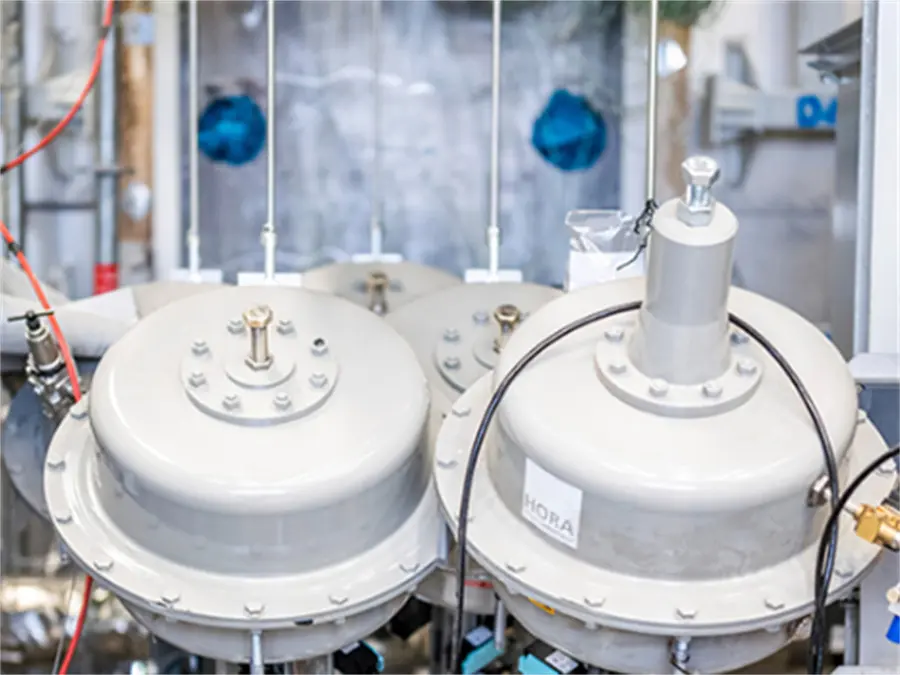
This technology operates efficiently at higher temperatures, directly improving overall thermal energy conversion and power output.
Read Article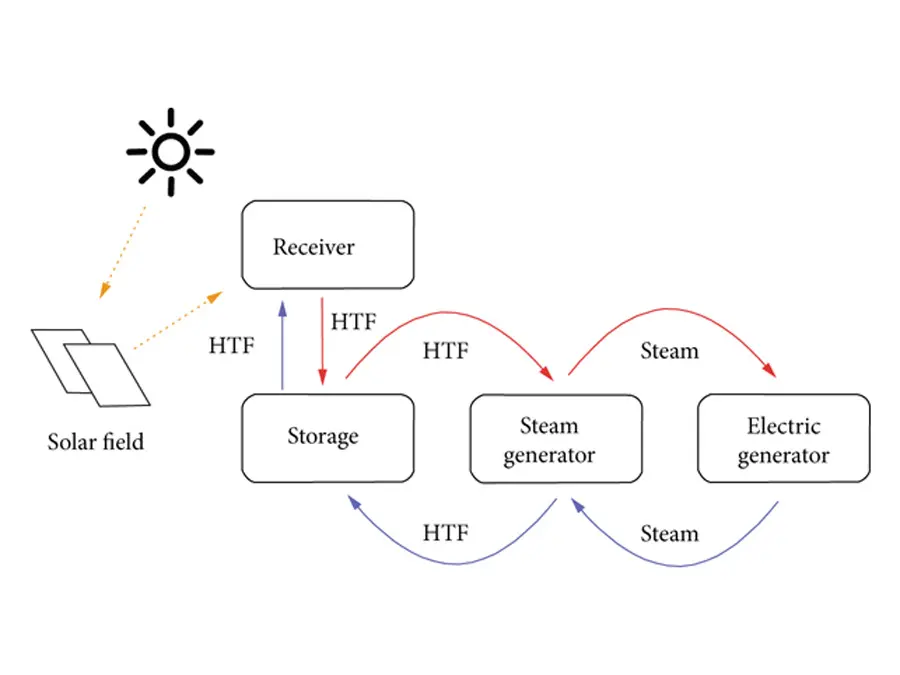
Concentrated solar power plants convert and store solar energy using focused thermal energy and high-capacity salt mixtures.
Read Article
Molten salt storage offers a reliable path to improving grid stability and efficiency with long-duration thermal retention.
Read ArticleA trusted partner for leading companies in energy storage and agricultural markets worldwide



Expert answers to technical and procurement questions from industrial operators
The standard solar salt composition is a binary mixture of 60% Sodium Nitrate (NaNO3) and 40% Potassium Nitrate (KNO3) by weight. This specific ratio provides a balanced compromise between a relatively low melting point (approx. 220°C) and excellent thermal stability up to 565°C.
Impurities like chlorides, fluorides, and sulfates can cause fast-acting corrosion in stainless steel storage tanks and heat exchangers under high operating temperatures. Keeping these impurities to a minimum extends the service life of power plant components and helps prevent system leaks.
Operating from Shanxi, China, we source raw materials through verified local suppliers and maintain an annual production capacity of 600,000 tons. This high output, combined with automated logistics and direct rail connections, ensures consistent delivery schedules for large commercial projects.
While solid nitrate salts are stable at room temperature, they are powerful oxidizers. They must be stored away from organic materials, strong reducing agents, and active heat sources. Proper ventilation and dust protection are recommended when handling materials in dust-prone environments.
Premium raw materials refined to meet rigorous industrial specifications
 VOJIN
VOJIN