Engineered for extreme thermal stability, strict quality-control protocols, and minimal corrosion factors.
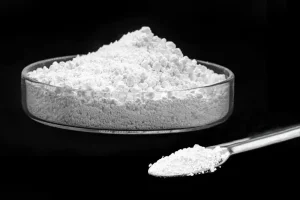
Molten salts, primarily comprised of nitrate formulations such as potassium nitrate (KNO3) and sodium nitrate (NaNO3), are the bedrock of modern Concentrated Solar Power (CSP) plants and advanced high-temperature thermal energy storage (TES) operations. Despite their massive efficiency gains over traditional synthetic oils, their use introduces unique, critical hazards that require expert manufacturing protocols, advanced system design, and deep operational risk assessment.
The thermal decomposition of nitrate salts is another major chemical hazard. Standard solar salt mixtures remain exceptionally stable up to approximately 565°C. Beyond this thermal threshold, sodium nitrate decomposes into sodium nitrite (NaNO2) and releases oxygen gas. Further temperature excursions lead to the formation of volatile nitrogen oxides (NOx) and corrosive metal oxides. These gases not only degrade the efficiency of the heat transfer fluid but also pose severe overpressure dangers to storage vessels and high-pressure steam generators.
Historically, molten salts were prepared using run-of-the-mill agricultural grades, leading to accelerated corrosion profiles in piping networks and storage infrastructure. Today, industrial operators require ultra-pure, bespoke formulations. Eliminating halide impurities (specifically chlorides and fluorides) is crucial, as even minor fractions (above 100 ppm) can strip the protective passivation oxide layer off stainless-steel pipes, triggering localized pitting corrosion and stress corrosion cracking.
Shanxi Vojin New Materials Co., Ltd. has established refined refining processes to supply molten salts with exceptionally low halide margins. By employing multistage fractional crystallization, the raw nitrates are purified to industrial-grade standards, vastly reducing the chemical factors behind operational failures.
Exploring our core inorganic chemical categories designed for thermal efficiency and agricultural applications.
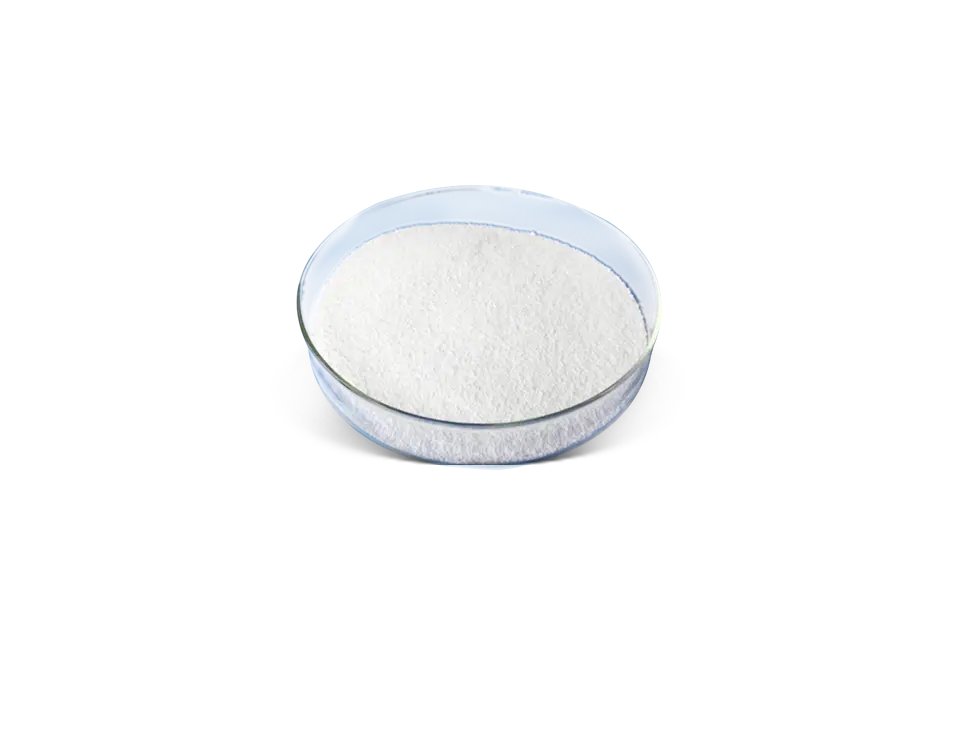
High-purity sodium, potassium, and calcium nitrates tailored for maximum thermal retention and chemical synthesis.

Fully water-soluble compounds rich in active elements, ensuring fast crop assimilation and optimal yield returns.
Industrial derivatives refined for high chemical stability, metallurgy, and specialized production runs.
Where our specialty salts and nitrate derivatives deliver reliable, high-temperature performance.
Enabling round-the-clock solar power dispatch through efficient thermal energy storage capacities.
High-purity chemical baths utilized for potassium-ion chemical glass tempering and strengthening.
Providing safe, massive thermal transfer for synthetic fuels processing and green manufacturing.
Clean potassium, calcium, and nitrate complexes developed for optimal crop nutrition and irrigation systems.
Engineering, Procurement, and Construction (EPC) consortiums overseeing gigawatt-scale solar installations face complex logistical and quality challenges. Buying bulk molten salt is not merely about sourcing volume; it is a critical process of managing trace impurity limits. Modern buyers rely on specialized specifications to ensure stable operations over the project's typical 25-to-30-year lifecycle.
To prevent shipping contamination, manufacturers must implement moisture-proof packaging solutions. Nitrate salts are highly hygroscopic; moisture absorption not only causes caking during transit, making unloading difficult, but also triggers steam pockets in melting systems. When these wet salts are pumped into high-temperature systems, the moisture rapidly flashes into steam, causing sudden pressure spikes and potential pipe rupture hazards.
The primary operational risk for molten salt heat transfer systems is solidification, or "freezing." Standard solar salt mixtures solidify at approximately 220°C. If a system's temperature falls below this threshold during maintenance shutdowns, cloudy weather, or cold spells, the salt crystallizes within the pipes, causing massive blocks.
To address this, modern plant operators implement multi-tier safety mechanisms:

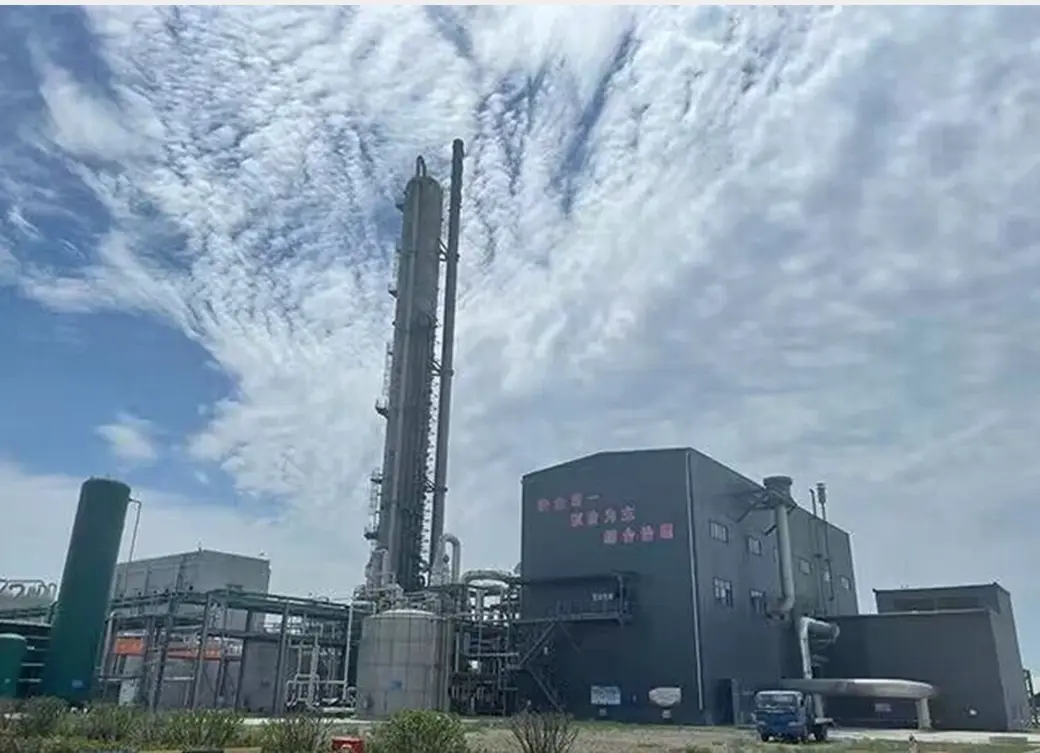
Driven since 2000, we have been committed to the entrepreneurial spirit and passion for innovation. Our team takes pride in delivering dependable products and services with a quality distinction in thermal energy storage & water-soluble fertilizer industries globally.
Operating from our advanced chemical complexes in Shanxi, we utilize proprietary recrystallization processes to yield ultra-pure nitrate salts. By focusing on low-halide compositions, our products protect industrial infrastructure, reduce operating costs, and extend project lifetimes.
Learn More About Shanxi VojinWhy global EPC contractors and industrial chemical distributors partner with Shanxi Vojin.

Integrated experience on exporting operation. Always assure your customers good quality, compliant documentation, and seamless global logistics.
Annual output of 600,000 Tons of high-purity molten salts and agricultural nitrate series ensures reliable, year-round supply chains.
Experienced technology skill & service team. Fast response times, safety audits, and customized blending to client specifications.
Multiple items for selection such as KNO3, NaNO3, and various nitrate derivatives to meet the needs of diverse industrial customers.
Operating globally requires strict compliance with international chemical hazard regulations. Industrial nitrate salts are classified under UN Division 5.1 (Oxidizing Substances) for international transport. Safe shipping requires specialized compliance across multiple regulatory standards:
Every production run undergoes strict laboratory analysis. Using Inductively Coupled Plasma Optical Emission Spectroscopy (ICP-OES) and Ion Chromatography, technicians verify that trace metal ions and halide values remain within contract limits, assuring clients of safety and performance.
The solar industry continues to push for higher operating temperatures to drive thermodynamic efficiency and reduce electricity costs. To support this growth, Vojin New Materials is actively researching several key technical developments:
2. Nanoparticle-Enhanced Specific Heat: Infusing nitrate bases with silica or alumina nanoparticles increases specific heat capacity by up to 15%. This improvement allows solar plants to store more energy in smaller tanks, significantly reducing capital expenditure.
3. Chloride and Carbonate Systems for Ultra-High Temp Operations: Next-generation CSP plants and nuclear energy reactors are exploring liquid chloride salts (such as NaCl-KCl-MgCl2) to support temperatures over 750°C. However, managing the highly corrosive nature of hot chlorides remains a key area of research, requiring advanced containment alloys and strict moisture control.
Read about our latest research, developments, and thermal energy insights.
 08/03/2024
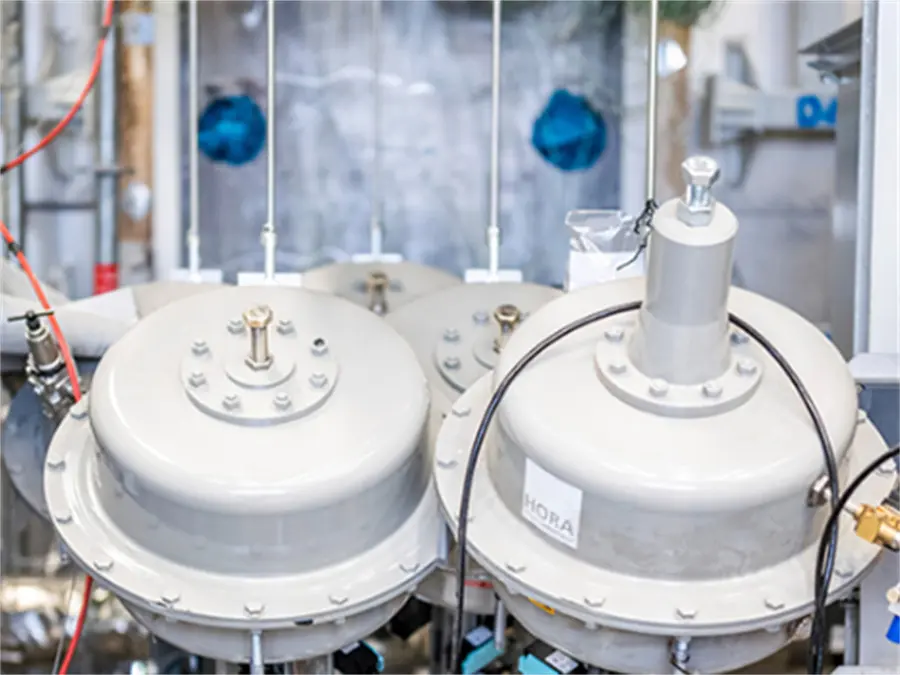
The technology can operate at higher temperatures, which has a positive impact on system efficiency...
 08/03/2024
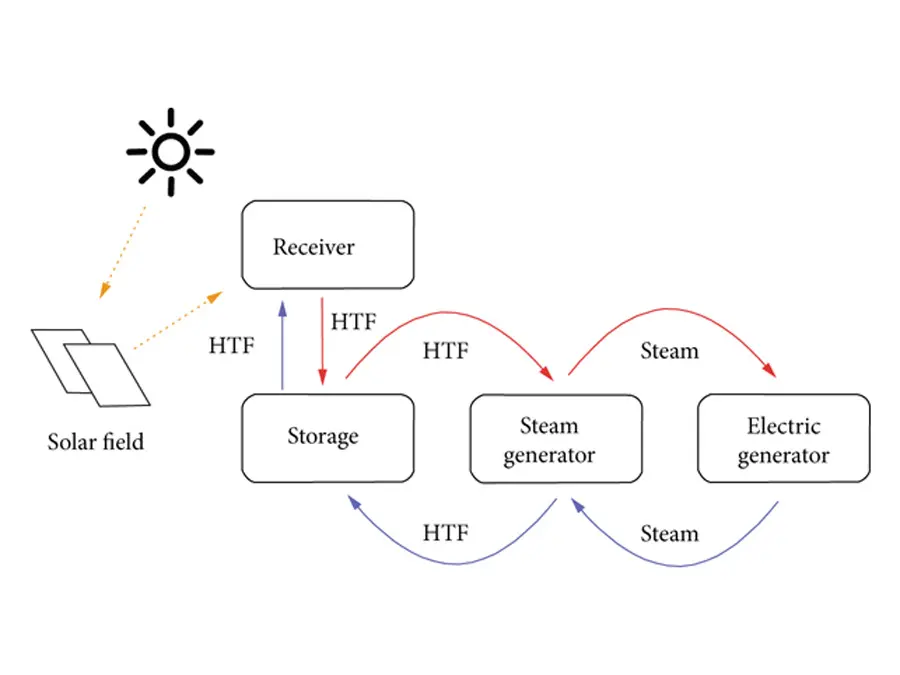
A concentrated solar power plant converts solar energy to electricity. It is based on advanced heat transfer...
 08/03/2024
Molten salt energy storage has emerged as a promising solution for enhancing grid resilience...
Technical answers to key procurement and operational safety questions.
Meeting the strict quality and delivery requirements of industry-leading companies worldwide.






Explore our specialized chemical line-up for high-performance heat storage, glass tempering, and agriculture.
 VOJIN
VOJIN