Direct from Shanxi Vojin New Materials Factory. Engineered to ISO 9001 and REACH international criteria.
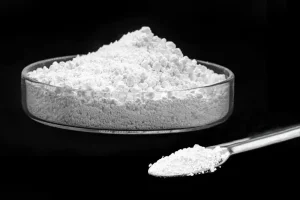
Analyzing thermal properties, molten phase behavior, and degradation mitigation in commercial salt mixtures.
As decarbonization pressures accelerate globally, Molten Salt Combinations have transitioned from niche thermodynamic materials to the cornerstone of large-scale green energy infrastructure. In Concentrated Solar Power (CSP) systems, thermal energy storage (TES) systems, and industrial high-temperature heat exchange circuits, eutectic mixtures of inorganic salts provide the high heat capacity, low vapor pressure, and wide fluid range necessary to maintain system stability.
A eutectic mixture is formulated at specific molecular ratios of salts to achieve a unified, lower melting point than any of its individual constituents. For example, standard binary "Solar Salt" consists of 60 wt% Sodium Nitrate (NaNO3) and 40 wt% Potassium Nitrate (KNO3). This ratio exhibits a distinct melting transition at 220°C (428°F) and maintains thermal stability up to approximately 565°C (1049°F). Beyond this threshold, thermal decomposition begins to release nitrogen oxides, causing loss of material density and increased corrosion kinetics.
Ternary mixtures, which introduce Calcium Nitrate (Ca(NO3)2) into the system (often referred to as Hitec XL), reduce the freezing point below 135°C. This greatly decreases the parasitic heating requirements of CSP facilities. Designing these systems requires strict quality controls, keeping impurities like chlorides and sulfates under 100 ppm to mitigate electrochemical corrosion on carbon and stainless steels.
| Salt Combination Type | Composition Ratios (wt%) | Melting Point (°C) | Upper Thermal Limit (°C) | Density @ 300°C (kg/m³) | Viscosity @ 300°C (mPa·s) |
|---|---|---|---|---|---|
| Binary Solar Salt | 60% NaNO3 / 40% KNO3 | 220 | 565 | 1,899 | 3.2 |
| Hitec Salt | 53% KNO3 / 40% NaNO2 / 7% NaNO3 | 142 | 538 | 1,910 | 2.9 |
| Ternary (Hitec XL) | 48% Ca(NO3)2 / 45% KNO3 / 7% NaNO3 | 133 | 500 | 1,970 | 5.1 |
| High-Temp Carbonate | 32% Li2CO3 / 33% Na2CO3 / 35% K2CO3 | 397 | 850 | 2,050 | 8.5 |
Driving efficiency across industrial thermal storage, precision chemistry, electronics, and agricultural technologies.
Our eutectic nitrate salts store thermal energy in Concentrated Solar Power (CSP) facilities. This enables continuous power production even during non-solar hours.
High-purity potassium nitrate acts as a chemical tempering medium for ultra-thin glass covers used in smartphones and electronic display panels.
Supplying consistent high-temperature heat transfer media to the chemical industry, coal conversion facilities, and heavy-duty steam generating plants.
Providing critical nutritional components for water-soluble fertilizers, optimizing plant growth cycles and maximizing crop yields in dry environments.
How raw material access, industrial integration, and logistical infrastructure stabilize the global clean energy sector.
Procuring industrial-grade molten salt mixtures requires navigating volatile global chemical supply chains. As a primary manufacturer based in Shanxi, China, Shanxi Vojin New Materials Co., Ltd. offers a key structural advantage: geological proximity to high-grade raw mineral deposits and an integrated chemical industrial park model.
Shanxi is the historical hub for the production of inorganic salts, especially nitrogen- and potassium-based compounds. This geographic centralization eliminates long-distance transportation of raw carbonates and nitrates, minimizing transport emissions and reducing production costs. Our factory runs continuous processing lines with an annual capacity of 600,000 Metric Tons, protecting global clients from sudden supply deficits.
Traditional trade intermediaries purchase salts from separate factories and blend them in temporary warehouses, increasing risk of hydration and chloride contamination. Vojin controls the process from raw synthesis to final classification, using closed pneumatic conveying systems to maintain moisture content under 0.05% weight.
Additionally, Shanxi’s integration with coal gasification and nitrogen synthesis plants ensures a steady supply of basic nitric acid feedstocks. When global energy prices fluctuate, this integrated setup shields Vojin's pricing structures, offering international buyers price stability for long-term contract structures.
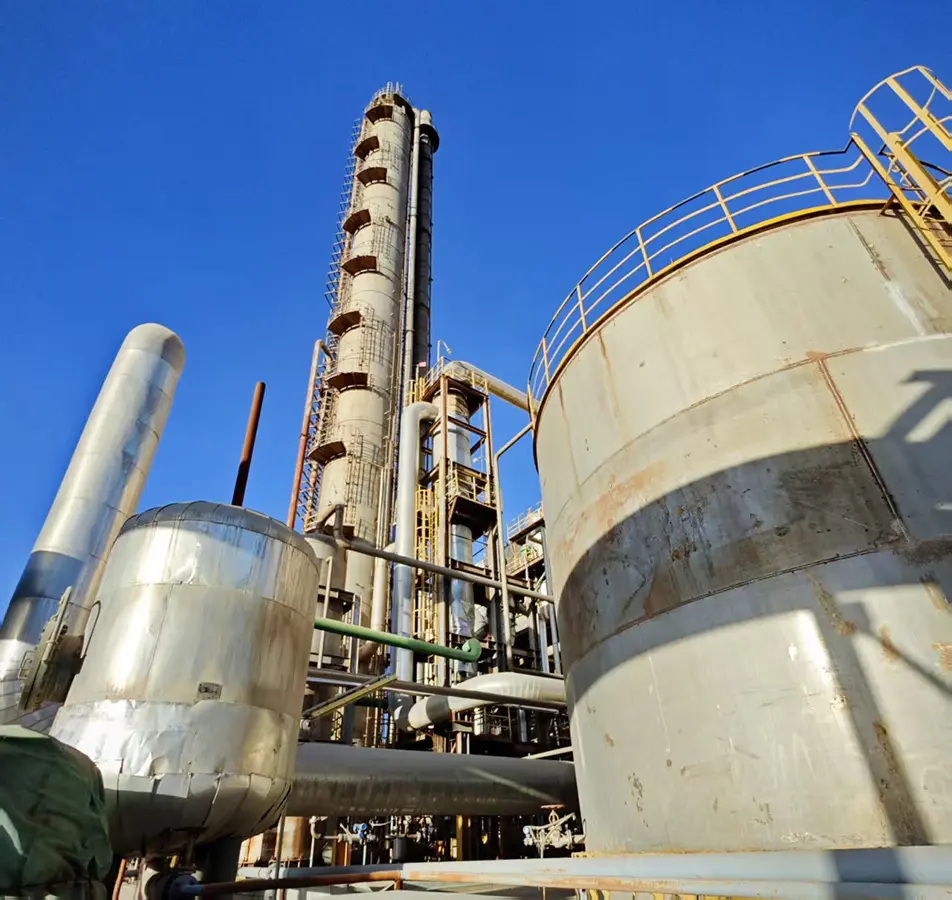
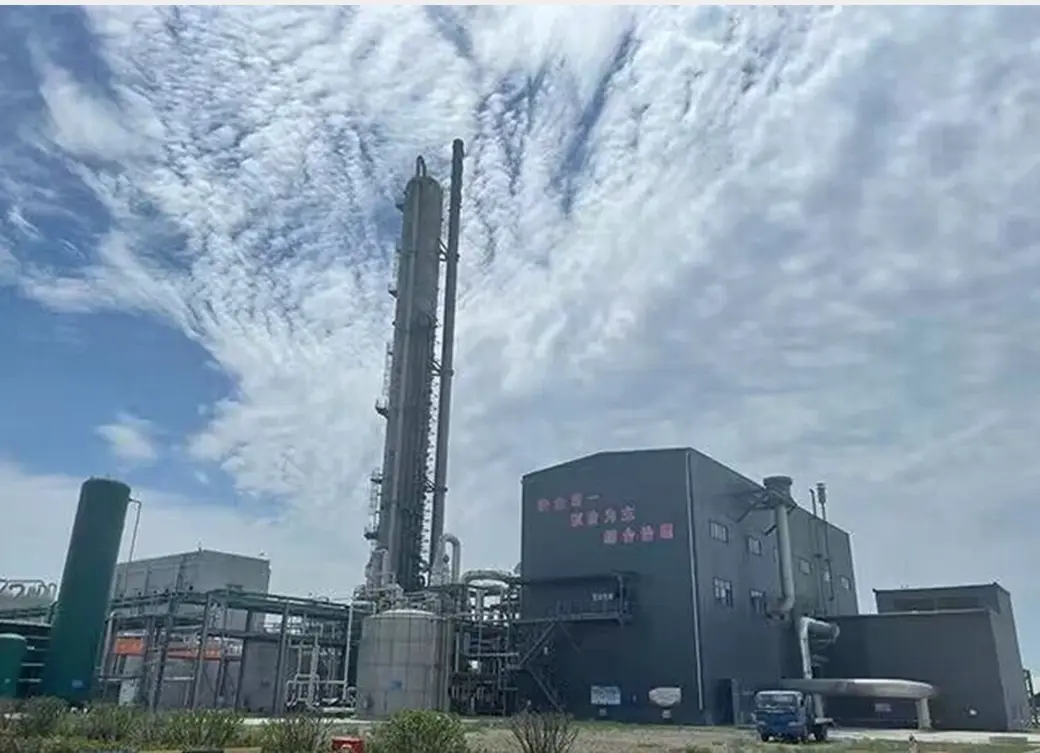
Driven since 2000, we have been committed to the entrepreneurial spirit and passion for innovation. Our team takes pride in delivering dependable products and services with a quality distinction in thermal energy storage & water-soluble fertilizer industries globally.
Vojin New Materials is a leading high-tech manufacturer specializing in inorganic salts. Operating from our state-of-the-art chemical compound facility, we have developed a broad portfolio of industrial and technical-grade nitrates, carbonates, and specialty eutectic salt combinations. Our products serve mission-critical applications across more than 40 countries and regions.
Learn More About Our FactoryOvercoming hydration, maritime hazard regulations, and quality controls at international borders.
Industrial salts like Sodium Nitrate (UN 1498) and Potassium Nitrate (UN 1486) are classified as Class 5.1 Oxidizing Substances under the International Maritime Dangerous Goods (IMDG) Code. Exporting these materials requires strict adherence to international safety protocols and extensive technical documentation.
Vojin New Materials manages the regulatory process internally. We hold full registrations for EU REACH compliance, and conform to the US EPA regulations and domestic OSHA regulations for chemical handling. Every batch receives a Certificate of Analysis (COA) tracked by mass spectrometry and atomic emission spectroscopy, certifying parts-per-million accuracy on trace elements.
Furthermore, our packaging systems use multi-layer, moisture-resistant barrier bags. Nitrate salts are highly hygroscopic; exposure to relative humidity above 60% leads to caking and crystallization. This makes the salts difficult to discharge from silos or melt in starter tanks. Vojin uses vacuum-sealed, UV-protected big bags (1.0 to 1.35 MT) with internal PE liners, ensuring free-flowing product delivery at the destination site.
Our in-house R&D lab works directly with engineering procurement construction (EPC) groups to develop custom nitrate-calcium ratios. Adjusting these ratios alters viscosity and thermal conductivity, optimizing the fluid dynamics of custom heat exchanger loops.
Over two decades of engineering excellence, supporting international decarbonization projects.
Ensuring quality, supply stability, and technical support for your operations.

Integrated export operations handling hazardous chemical logistics, custom declarations, and safety packaging. We guarantee safe, compliant deliveries to international ports.

With an annual output of 600,000 tons of molten salts and related inorganic chemicals, we reliably support large-scale industrial runs and long-term contracts.
Our experienced technology team provides fast responses to customer queries, helping optimize salt chemistry, melting operations, and onsite corrosion management.
We supply a wide range of industrial salts including high-purity KNO3, NaNO3, Ca(NO3)2, and custom eutectic combinations to meet your process requirements.
Moving toward higher operating temperatures to increase thermal conversion efficiencies.
Next-generation Concentrated Solar Power (Gen3 CSP) and advanced nuclear reactors require thermal media that operate at temperatures exceeding 700°C (1292°F). High temperatures improve steam-turbine cycle efficiencies, reducing the levelized cost of energy (LCOE) for renewable power.
At these temperatures, standard nitrate salts decompose. Researchers and engineers are focusing on alternative molten mixtures: Chloride Salts (such as Eutectic NaCl-KCl-MgCl2) and Carbonate Salts (such as Li2CO3-Na2CO3-K2CO3). Carbonates remain stable at temperatures up to 850°C, but present challenges due to high viscosity and high melting points (above 390°C).
Vojin's R&D team is developing corrosion-mitigation coatings and testing low-melting-point ternary chloride compositions. By using custom-doped corrosion inhibitors, we aim to extend the service life of chromium-nickel alloy heat exchangers. This enables operators to safely increase hot-tank operating temperatures.
Insights on the global energy transition, molten salt developments, and heat storage technologies.
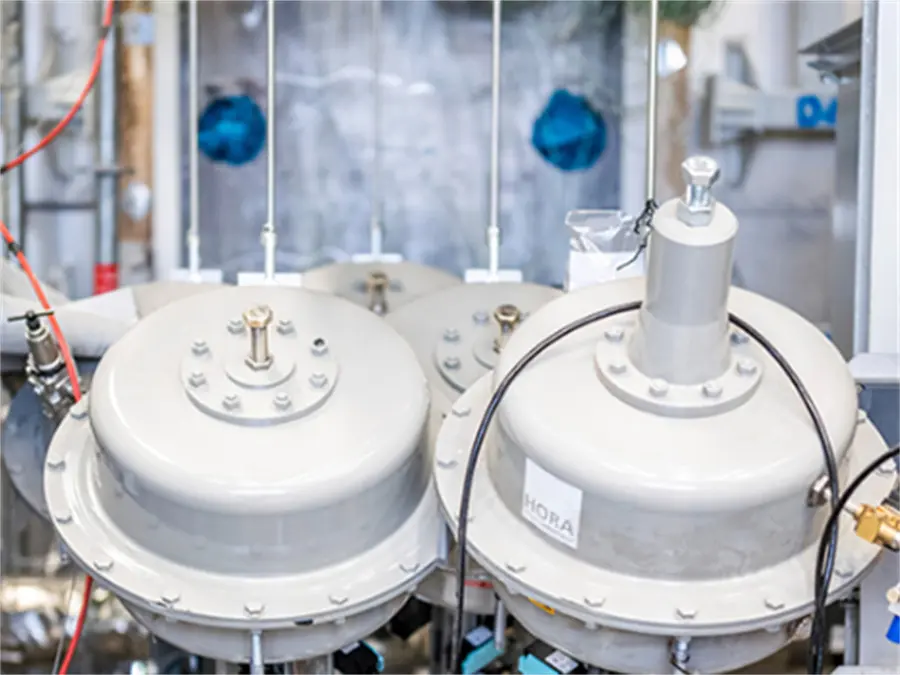
Advanced nitrate salt technology enables operations at higher temperatures, directly improving thermodynamic conversion efficiency and lowering storage costs.
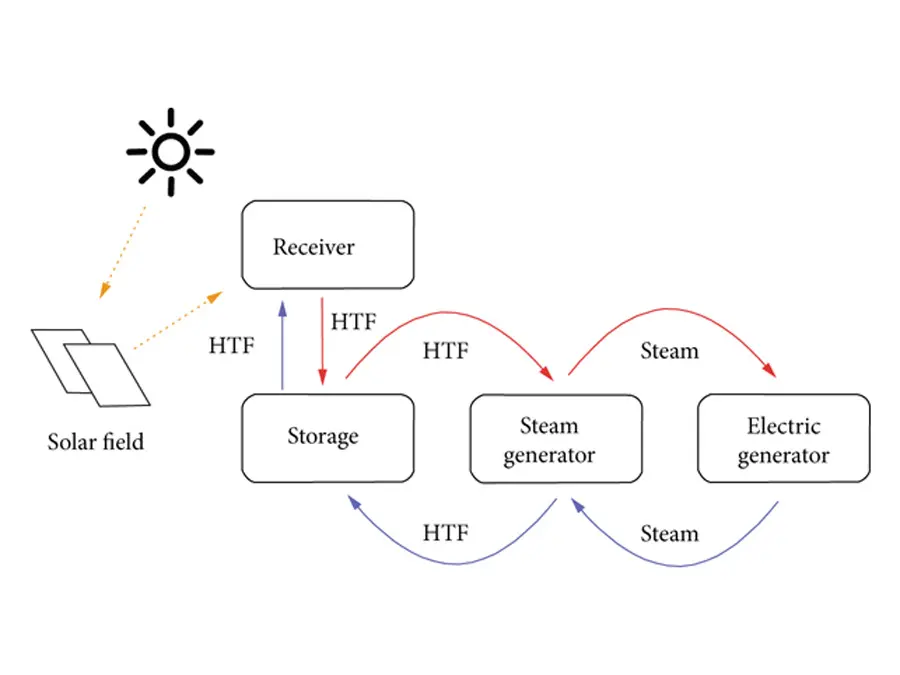
Concentrated solar power plants convert solar energy to electricity. Eutectic salt mixtures act as reliable thermal storage media, enabling 24/7 grid dispatchability.

Molten salt energy storage has emerged as a promising solution for enhancing grid stability, integrating wind and solar power into local networks.
Detailed answers to key engineering, procurement, and chemistry questions.
We supply high-performance thermal materials to top energy contractors and chemical firms.


High-purity salts for heat treatment, specialty glass production, and agricultural applications.
 VOJIN
VOJIN