Explore our foundational range of molten salt systems and high-purity inorganic chemicals engineered for industrial thermal storage and specialized fertilizer synthesis.
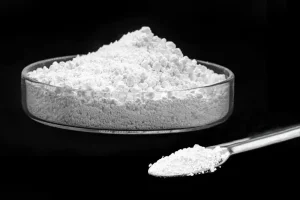
As the international community transitions toward carbon-neutral infrastructure, traditional electrical grid architectures face mounting challenges from the intermittent nature of renewable resources like solar photovoltaic (PV) and wind power. Molten salt materials have emerged as the primary thermal energy storage (TES) media, bridging the temporal gap between clean energy generation and industrial dispatch. Operating as highly stable heat transfer fluids (HTFs) and thermal storage reservoirs, these chemical compounds enable Concentrated Solar Power (CSP) facilities and high-temperature industrial steam systems to store surplus daytime thermal energy and release it on demand, generating continuous, dispatchable electricity throughout the night.
This industry whitepaper explores the chemical compositions, performance attributes, supply chain dynamics, and localized implementation protocols of premium-grade nitrates, carbonates, and chlorides. Backed by the manufacturing capacity of Chinese suppliers like Shanxi Vojin New Materials Co., Ltd., this document provides engineering procurement constructors (EPCs) and project developers with the metrics required to source, integrate, and maintain high-efficiency thermal systems.
The global demand for molten salt materials is driven by three main sectors: Concentrated Solar Power plants (specifically tower and parabolic trough installations), heavy industrial waste heat recovery systems, and small modular nuclear reactors (SMRs). According to international energy indices, the compound annual growth rate (CAGR) for thermal energy storage solutions is projected to surpass 14.2% through 2032. Regionally, the expansion is led by China's multi-gigawatt desert energy hubs (Gansu, Qinghai, Inner Mongolia), the Middle East (specifically UAE and Saudi Arabia under Vision 2030 initiatives), and Mediterranean Europe.
Procuring molten salt materials requires an understanding of chemical impurities. In solar-grade nitrates (a mixture of sodium nitrate and potassium nitrate), even trace contaminants of chlorides, sulfates, or magnesium can cause accelerated equipment corrosion, piping blockages, and premature chemical degradation. Therefore, engineering procurement teams must analyze the chemical profile of potential manufacturers, balancing purity levels against total delivery cost.
"Selecting the proper chemical grade is not merely an operations priority—it determines the long-term survival of key components in thermal energy storage facilities. Eliminating impurities like chlorides down to double-digit ppm thresholds is essential to limit corrosion in stainless steel piping networks."
The primary workhorse of commercial thermal energy storage is "Solar Salt", a binary eutectic mixture of 60% sodium nitrate ($NaNO_3$) and 40% potassium nitrate ($KNO_3$). This formulation features an operational temperature range from approximately $220^\circ\text{C}$ (liquidus point) to over $565^\circ\text{C}$ (before thermal decomposition becomes critical). By adjusting these ratios or incorporating ternary additions such as calcium nitrate ($Ca(NO_3)_2$), chemists can lower the melting point to limit the risk of freezing in pipeline arrays, though this often reduces the maximum operational limit.
| Salt Formulation | Typical Composition | Melting Point (°C) | Max Operational (°C) | Primary Application |
|---|---|---|---|---|
| Solar Salt (Binary) | 60% $NaNO_3$ / 40% $KNO_3$ | 220 | 565 | Commercial CSP Towers, Industrial Steam |
| Hitec Salt (Ternary) | 53% $KNO_3$ / 40% $NaNO_2$ / 7% $NaNO_3$ | 142 | 538 | Industrial Heat Transfer, Rubber Curing |
| Hitec XL | 48% $Ca(NO_3)_2$ / 45% $KNO_3$ / 7% $NaNO_3$ | 133 | 500 | Low-Melting Point Heat Transfer Loops |
| Chloride Eutectics | $NaCl$ / $KCl$ / $MgCl_2$ (Various Ratios) | ~390 | >800 | Next-Gen CSP, High-Temp Reactor Cooling |
To prevent localized crystallization, systems must be operated safely above the liquidus threshold, often utilizing external electrical trace heating. Overheating the salts, conversely, triggers an equilibrium shift toward nitrite formation ($NO_3^- \rightleftharpoons NO_2^- + \frac{1}{2}O_2$), generating free oxygen that accelerates piping corrosion and degrades the salt. Manufacturers manage this by ensuring the raw chemical compounds possess minimal water content (typically < 0.1% wt) and zero trace organic compounds.
Providing high-purity inorganic chemical solutions backed by over a decade of manufacturing experience and strict quality assurance standards.
The supply chain for molten salt materials is rooted in the industrial corridors of Shanxi Province, China. Shanxi Vojin New Materials Co., Ltd. benefits from immediate proximity to key raw mineral reserves, eliminating long-distance transport of precursor compounds and stabilizing raw material costs. Operating from an automated industrial complex of approximately 1,000 acres, the manufacturing process integrates digital process automation (Factory 4.0 paradigms) to monitor and control crystallizing temperature, solution filtration, and packaging variables.
This automated production line operates on a closed-loop system where high-grade nitric acid is combined with carbonate precursors. Multi-stage recrystallization systems filter out heavy metals, silica, and alkaline-earth elements. The output is a high-purity chemical compound that meets strict international specifications. By automating these processing steps, the facility achieves an annual output capacity of over 600,000 tons of molten salts and specialized chemical series. This scale helps mitigate global price volatility and ensures consistent lead times for large-scale energy projects.
Industrial-grade nitrates, though non-flammable under normal conditions, are classified as Class 5.1 oxidizers. Under high temperatures, or when mixed with organic compounds, they can accelerate combustion reactions. Consequently, storage protocols require dry, well-ventilated, and moisture-controlled facilities. The salts are packaged in hermetically sealed multi-layer bags or bulk bags equipped with integrated vapor-barrier liners to prevent moisture absorption.
When charging a plant's thermal storage system, operators must use dry pneumatic conveying loops. Any exposure to ambient humidity can cause the salt to cake, which blocks transfer pipes and introduces moisture that can cause steam explosions if fed directly into hot reservoirs. Systematic pre-heating of containment tanks and heat-exchangers is required to ensure that introducing the molten salt does not cause thermal shock to the system's metallurgy.
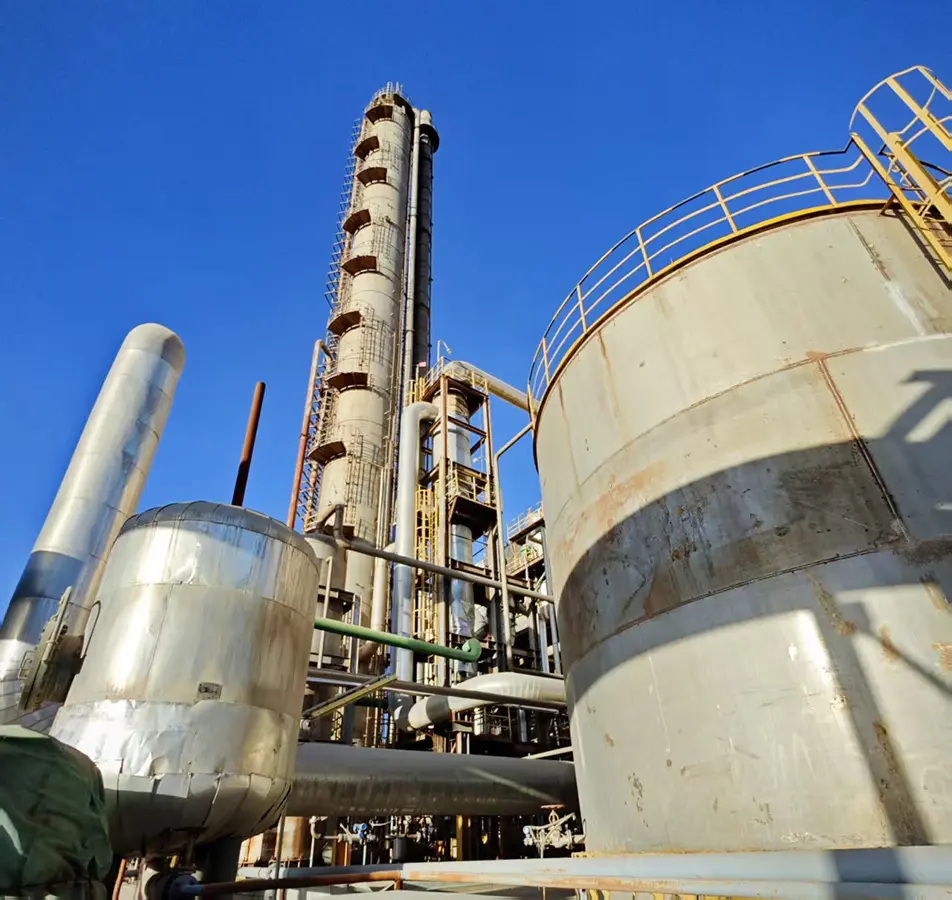
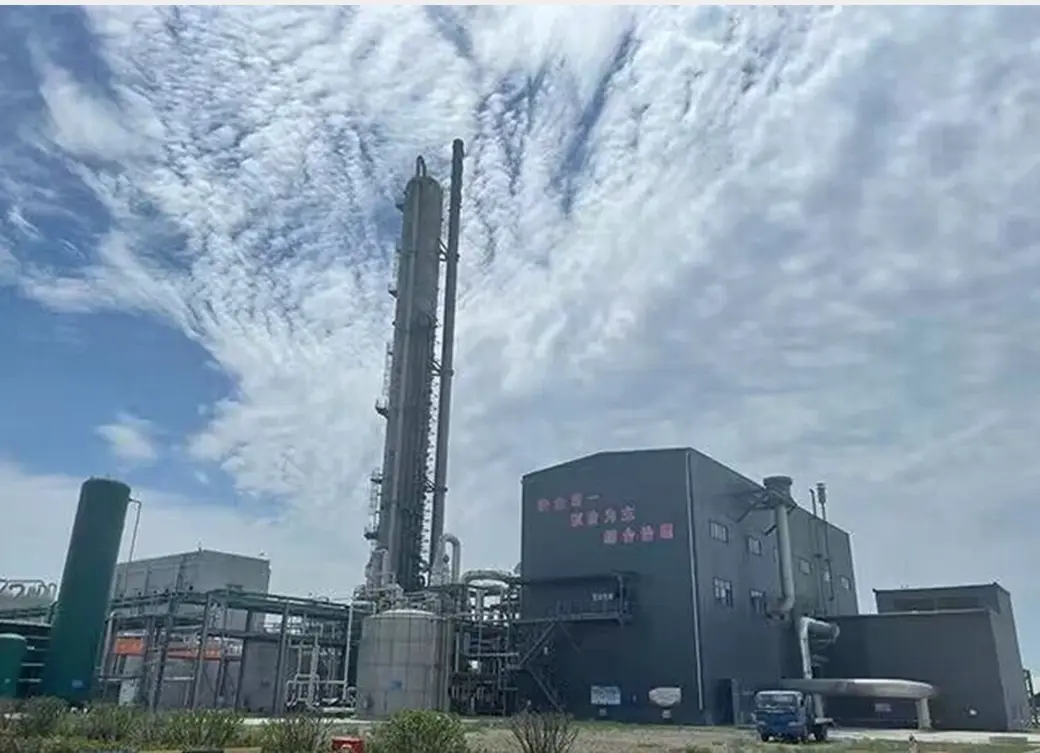
Since our founding in 2010, Shanxi Vojin New Materials Co., Ltd. has developed into a leading manufacturer of high-purity inorganic chemical series, specializing in molten salts and specialized water-soluble fertilizers. Located in Shanxi's chemical industrial zone, our operations feature vertically integrated supply chains, advanced automated crystallization machinery, and a comprehensive quality assurance laboratory.
Our engineering and production teams focus on delivering reliable chemical compounds that meet the technical requirements of the thermal energy storage, solar power, and advanced agriculture sectors worldwide. Exporting to over 40 countries, we maintain consistent quality control standards to support long-term operational life in renewable energy infrastructure.
Learn More About VojinHow we ensure product quality, chemical consistency, and reliable logistics for complex projects globally.

Our experienced team manages chemical logistics across international borders, ensuring compliance with IMDG classifications and customs procedures for hassle-free deliveries.

An annual output of 600,000 tons of high-purity molten salts ensures a stable supply for large-scale utility plants, reducing price volatility during procurement spikes.
Our chemical engineers assist with thermal calculations, degradation analysis, and corrosion testing to ensure our salts perform as expected in your system.
We manufacture a variety of high-purity salts, including potassium nitrate ($KNO_3$), sodium nitrate ($NaNO_3$), potassium carbonate ($K_2CO_3$), and specialty agricultural water-soluble formulations to meet diverse industrial requirements.
Review the application scenarios and engineering installations utilizing our high-purity chemical materials.
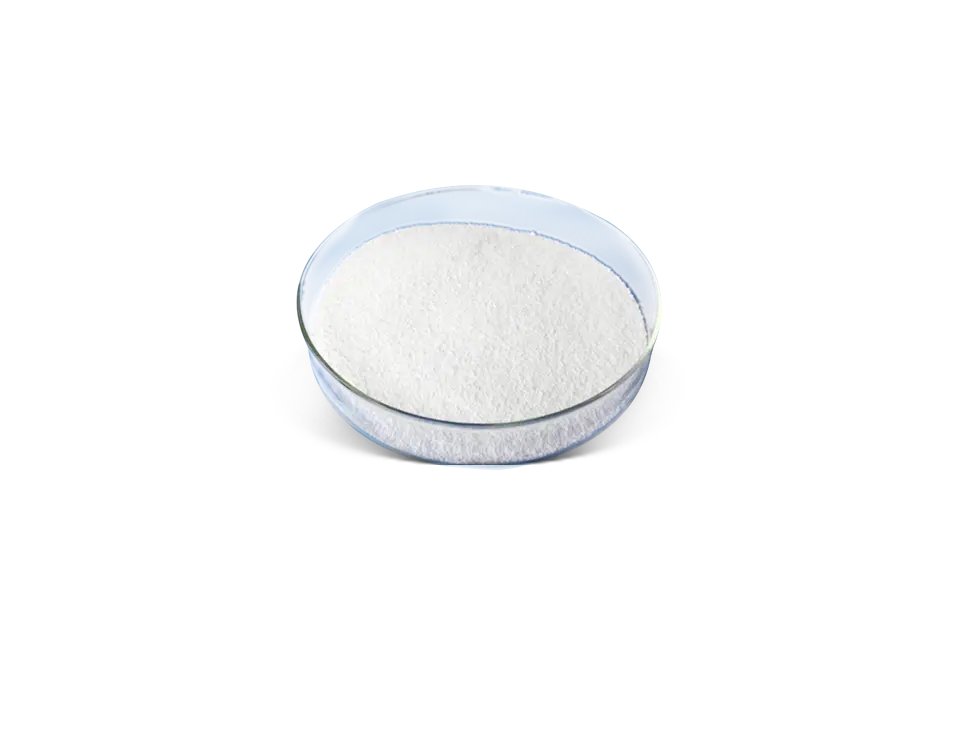
Providing binary salt mixtures for CSP projects, enabling utility-scale solar plants to store thermal energy and dispatch power reliably during peak periods.
Learn More
Supplying high-purity potassium nitrate used in the chemical strengthening bath of cover glass for smart devices, ensuring optical clarity and break resistance.
Learn More
Enabling coal-to-clean conversion projects by storing off-peak electric heat in molten salts to generate high-pressure industrial process steam.
Learn MoreGet answers to common technical, logistical, and operational questions regarding molten salt storage materials.
Chloride ions ($Cl^-$) break down the protective oxide layer on stainless steel components, leading to pitting corrosion and stress corrosion cracking at high temperatures. Keeping chloride levels below 50-100 ppm is critical to protecting the alloy piping and containment tanks, ensuring the system can achieve a 25 to 30-year design life.
Binary solar salt freezes at approximately $220^\circ\text{C}$. To prevent solidification, system designs incorporate electrical trace heating, warm stand-by recirculation loops, and auxiliary heaters. Keeping the salt at least $20^\circ\text{C}$ to $30^\circ\text{C}$ above its melting point during standby mode prevents localized freezing.
Under normal operating conditions below $565^\circ\text{C}$ and in contact with air, the conversion of nitrate to nitrite reaches an equilibrium state. The annual chemical loss is typically less than 0.1%, provided the system is kept free of organic contaminants. If the temperature exceeds $600^\circ\text{C}$, degradation accelerates, requiring nitrogen blanketing or chemical regeneration.
Our products are shipped in multi-layer woven polypropylene bags with an inner polyethylene barrier liner, or in hermetically sealed bulk bags (FIBCs). These containers protect the salt from ambient humidity during maritime transport, ensuring it arrives dry and ready for melting.
Stay informed on technical updates, industry research, and thermal energy innovations.
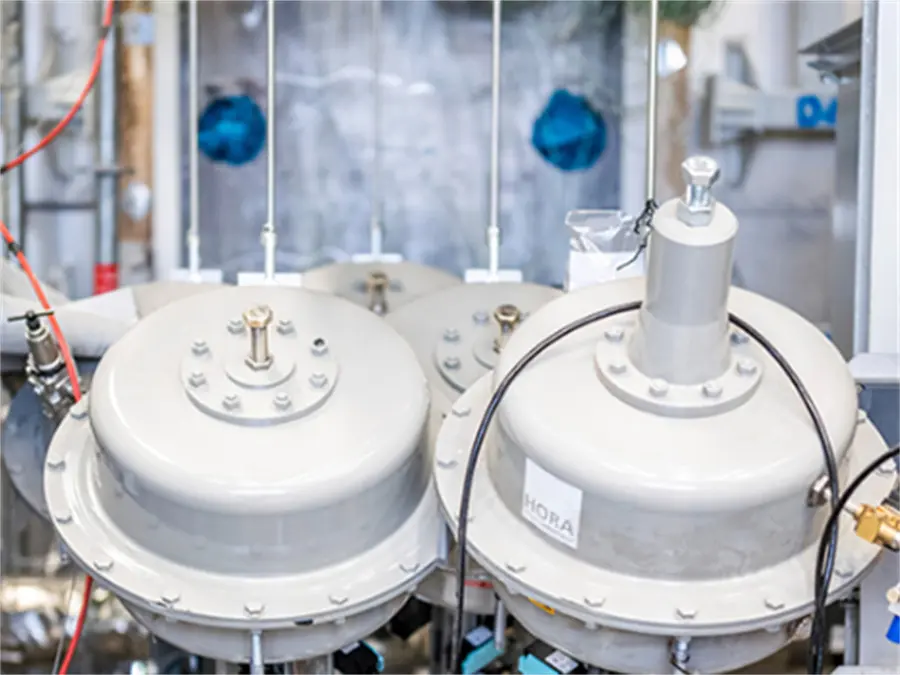
Analysis of solar tower operations utilizing ternary eutectic salts to lower minimal operating thresholds.
Read Article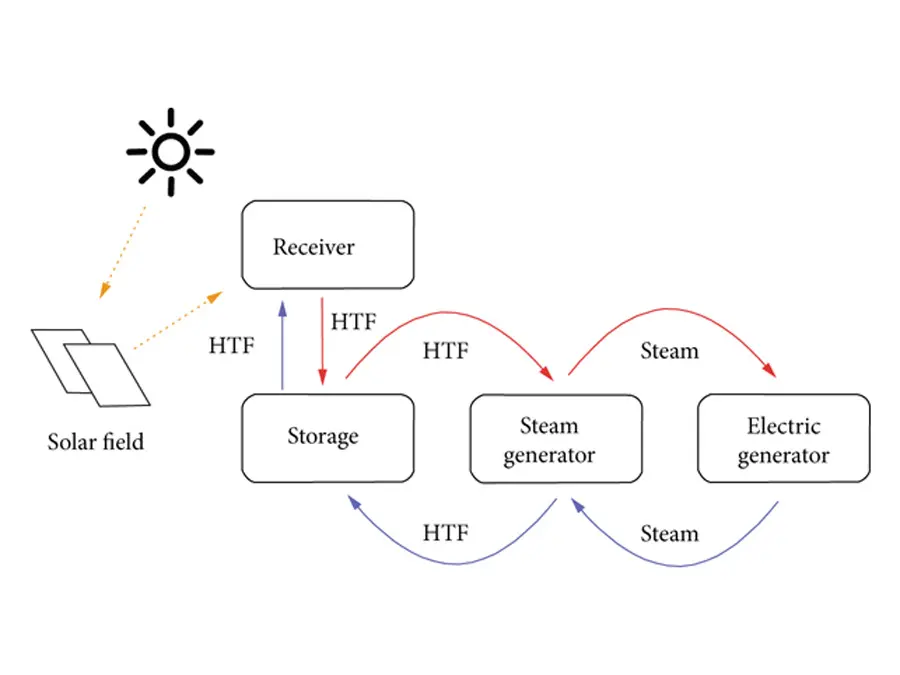
An engineering review of heat exchanger configurations for transfer loops using high-purity nitrates.
Read Article
Evaluating regional demand changes across Western Europe and Central Asia for industrial process heat.
Read ArticleOur high-purity chemical products are utilized by industrial partners and engineering firms worldwide.



Explore our water-soluble fertilizers and specialty chemical derivatives engineered for agricultural applications and industrial processes.
 VOJIN
VOJIN