Engineered and manufactured to meet rigorous international industrial standards, ensuring high purity, efficiency, and stability.
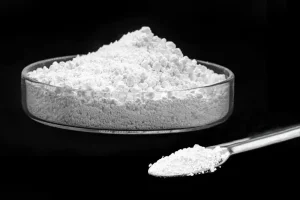
In the era of global decarbonization, the demand for large-scale, cost-effective, and highly stable energy storage mediums has surged exponentially. Concentrated Solar Power (CSP) plants and industrial process heat systems require heat transfer fluids (HTFs) and thermal storage materials that can operate at elevated temperatures without decomposing or vaporizing. Molten salt, specifically solar-grade and industrial-grade mixtures of potassium nitrate, sodium nitrate, and other specialty compounds, has emerged as the global gold standard.
China's manufacturing landscape for molten salts is not merely defined by scale, but by advanced chemical synthesis, tight control of chloride and sulfate impurities, and an integrated supply chain. As world-class manufacturers located in primary chemical clusters (such as Shanxi Province), Chinese enterprises utilize advanced crystallization and purification technologies to produce molten salt kinds that demonstrate superior thermal stability, lower corrosion rates on stainless steel containment systems, and exceptional longevity.
The chemical purity of molten salt mixtures dictates their performance limits and economic lifespans. Trace impurities like chlorides (Cl⁻) and sulfates (SO₄²⁻) act as powerful corrosion promoters. When exposed to temperatures exceeding 500°C inside CSP thermal storage tanks, even minor amounts of chloride can cause accelerated pitting, intergranular corrosion, and stress corrosion cracking in high-alloy steel containers and piping. Shanxi Vojin New Materials Co., Ltd. has developed refined purification techniques that consistently restrict chloride ions to under 100 ppm, and in specialty lines, under 50 ppm, ensuring system runtimes exceed 25 years.
Furthermore, moisture control is crucial. High hygroscopicity leads to caking during storage and transit. In response, advanced factories utilize localized packaging and atmospheric controls to maintain critical dryness metrics, facilitating seamless on-site unloading and system melting procedures.
We supply specialized high-purity inorganic chemicals engineered for structural energy, agriculture, and high-performance manufacturing.
High-purity sodium nitrate, potassium nitrate, and calcium nitrate formulated specifically for heat transfer, glass strengthening, and thermal storage media.
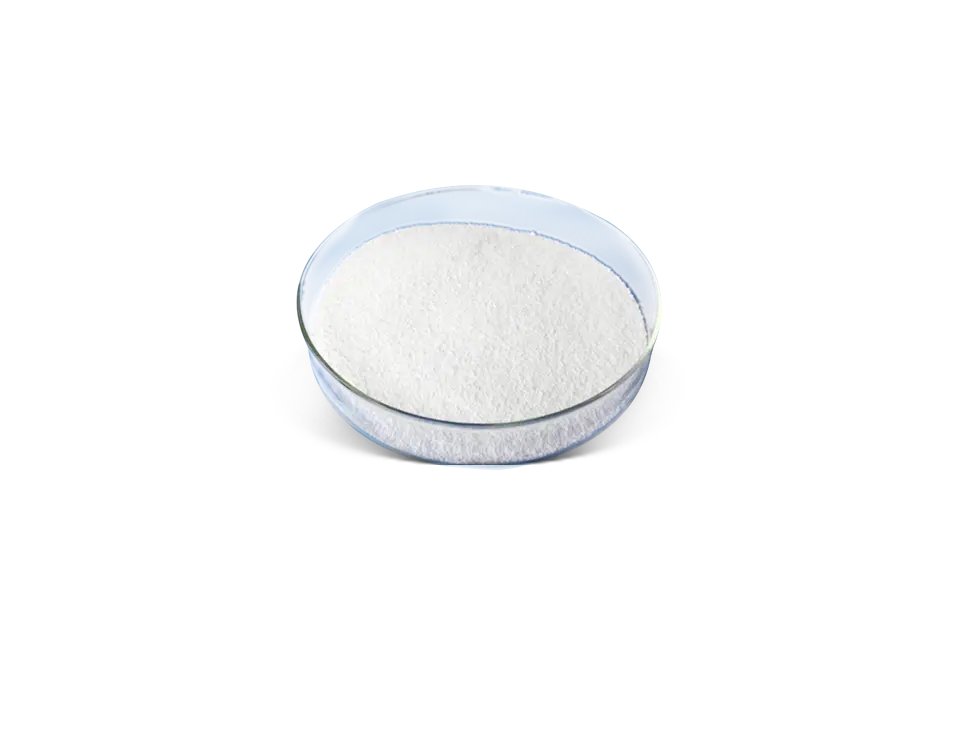
Fully soluble technical-grade nitrogen-potassium source fertilizers designed for high-efficiency drip irrigation and greenhouse agricultural practices.

Specialty salts and processing derivatives generated through optimized circular manufacturing loops, adhering to high eco-efficiency standards.
Understanding the chemical properties, melting points, and target applications for key industrial molten salt classifications.
As the most prevalent thermal storage media globally, Binary Solar Salt operates efficiently between 290°C and 565°C. It is the core fluid used in Concentrated Solar Power (CSP) tower plants. Due to its high specific heat capacity (approx 1.5 kJ/kg·K) and low vapor pressure, it allows solar plants to generate electricity stably throughout the night.
Hitec salt has a significantly lower melting point of 142°C compared to binary solar salt (approx 220°C). This lower freezing threshold reduces the risk of crystallization inside plant loops, thereby lowering the auxiliary heating requirements during downtime. Its maximum operational limit is 538°C, above which nitrites gradually oxidize and decompose.
Engineered for next-generation (Gen3) CSP systems and high-temperature industrial steam generation, chloride mixtures can withstand temperatures exceeding 700°C. While they offer excellent thermal characteristics, their highly corrosive nature requires advanced nickel-based alloys for piping and vessels, making purity (removal of moisture and oxygen) crucial during manufacturing.
Mainly applied in molten salt nuclear reactors (MSRs) and high-temperature metallurgy. Carbonate salts (including Lithium Carbonate and Potassium Carbonate mixes) provide exceptional heat density at temperatures from 500°C up to 850°C, but require meticulous corrosion control.
Delivering high-capacity thermal transfer and process chemical precision across diverse industrial fields.
Providing thermal stability and reliable sensible heat capacity for grid-scale CSP towers and industrial waste heat recovery setups.
Supplying critical high-purity potassium nitrate used as the primary ion exchange salt bath for chemically strengthening protective glass covers (Smartphones, Automotive interfaces).
Delivering high-temperature process heat to replace fossil-fueled boilers in chemical manufacturing, pharmaceutical synthesize, and district heating plants.
Supplying water-soluble nitrates that provide rapidly absorbable nitrogen and potassium for advanced micro-sprinkler systems.
Why international project developers and industrial procurement groups source their molten salts from Chinese manufacturers.
China is a global leader in the production of core chemical inputs like potassium chloride, sodium carbonate, and synthetic ammonia. This raw material security protects supply lines from global logistics bottlenecks and price shocks. By using direct pipeline inputs from upstream chemical parks, factories can lower processing costs and maintain highly competitive pricing for global exports.
With an annual production capacity reaching 600,000 tons of molten salts, Chinese factories can supply the massive quantities needed for large-scale utility projects. A typical 100MW CSP tower requires approximately 30,000 to 50,000 tons of binary solar salt. Chinese plants can easily run multiple crystallization lines concurrently to manufacture and ship this entire volume in a fraction of the standard lead time.
Leading factories in China use automated, continuous crystal purification lines. Utilizing inductively coupled plasma optical emission spectrometry (ICP-OES) and ion chromatography systems, quality control laboratories run continuous purity verification checks. This prevents batch-to-batch variation, ensuring consistent thermodynamic performance in the field.
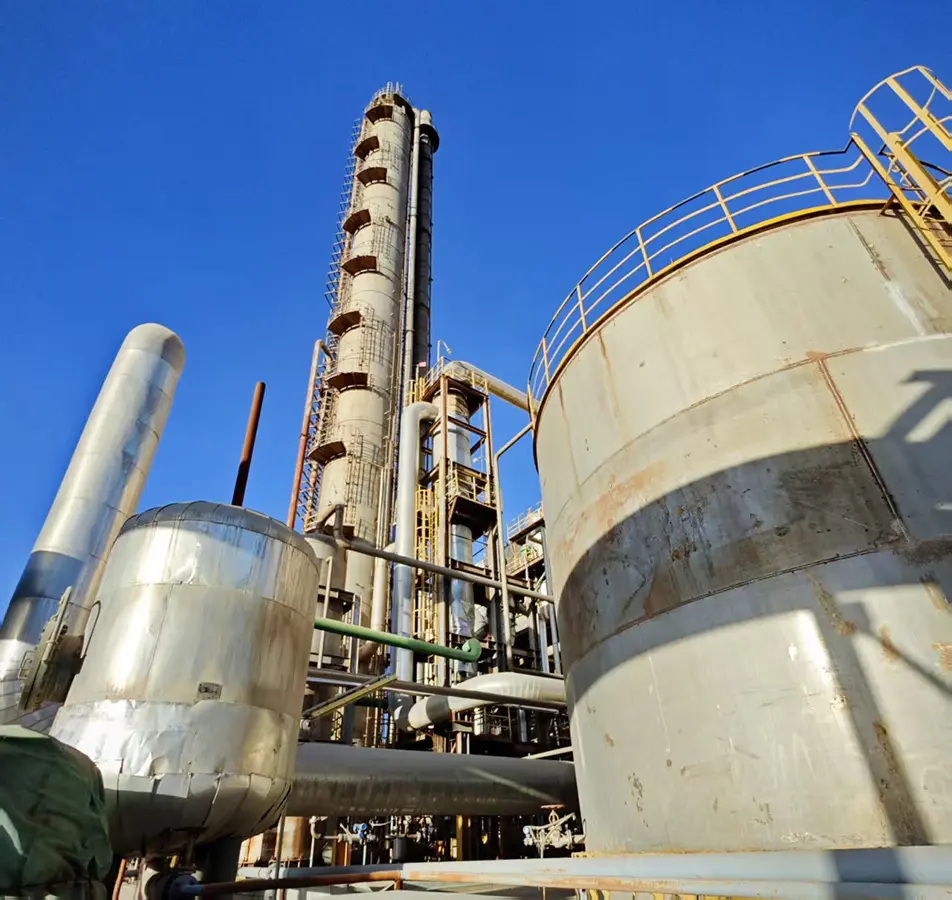
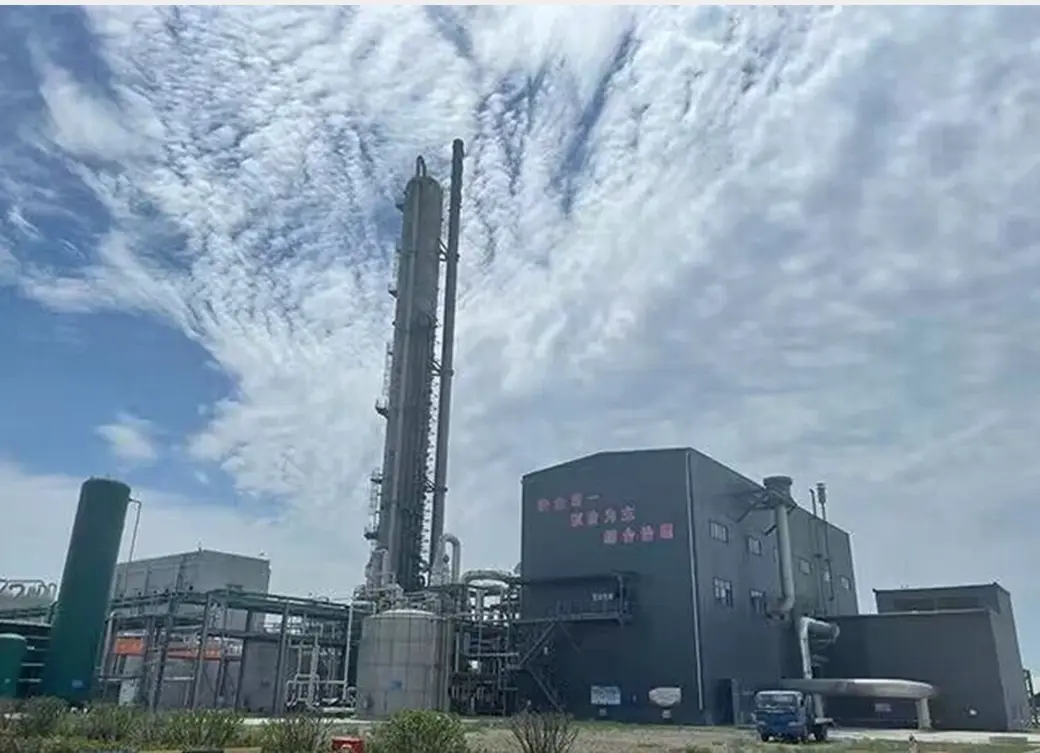
Driven since 2000, we have been committed to the entrepreneurial spirit and passion for innovation. Our team takes pride in delivering dependable products and services with a quality distinction in the thermal energy storage & water-soluble fertilizer industries globally. Located in the chemical production hub of Shanxi, we utilize state-of-the-art purification technology to guarantee low-impurity, high-performance salts.
Through continuous process improvements and global cooperation, we have established a reputation as a trusted manufacturing partner for multi-national engineering consortia, solar project developers, and premium industrial consumers.
Explore Our Facility →A procurement guide for sourcing managers and plant engineers to assess purity, packaging, and logistics when buying molten salts.
When drafting request-for-proposal (RFP) documentation for molten salts, sourcing managers must specify limits for critical impurities rather than relying on general "purity percentage" metrics. The key markers of high-quality solar-grade nitrates include:
Because nitrates are inherently hygroscopic, bulk transportation across oceans requires careful humidity protection. Modern factories utilize heavy-duty polypropylene woven bags with built-in polyethylene inner liners (typically in 1.0 to 1.35 metric-ton formats). These bags are UV-resistant and hermetically sealed immediately after filling. For land transport, containers are fitted with desiccants and moisture barriers to prevent caking during thermal changes en route.
Providing exceptional product quality, reliable supply lines, and dedicated technical support.

Integrated experience in managing global export shipping, containerization, customs clearance, and delivery to project sites.
With an annual output of 600,000 tons of molten salts, we can reliably supply major commercial utility-scale projects.
Our experienced technical support and customer service teams are available to assist with custom formulations and technical queries.
We offer a wide product selection, including KNO3 and NaNO3, to meet different temperature and application requirements.
Stay informed on the latest developments in molten salt applications and energy storage technologies.
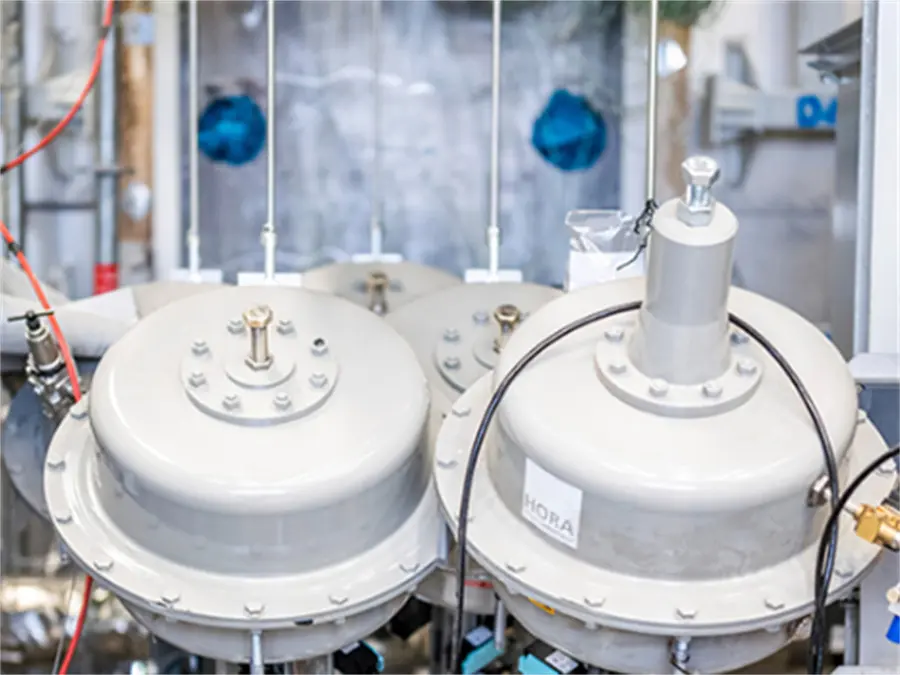
New molten salt formulations operate at higher temperatures, increasing energy conversion efficiency and system durability.
Read Article →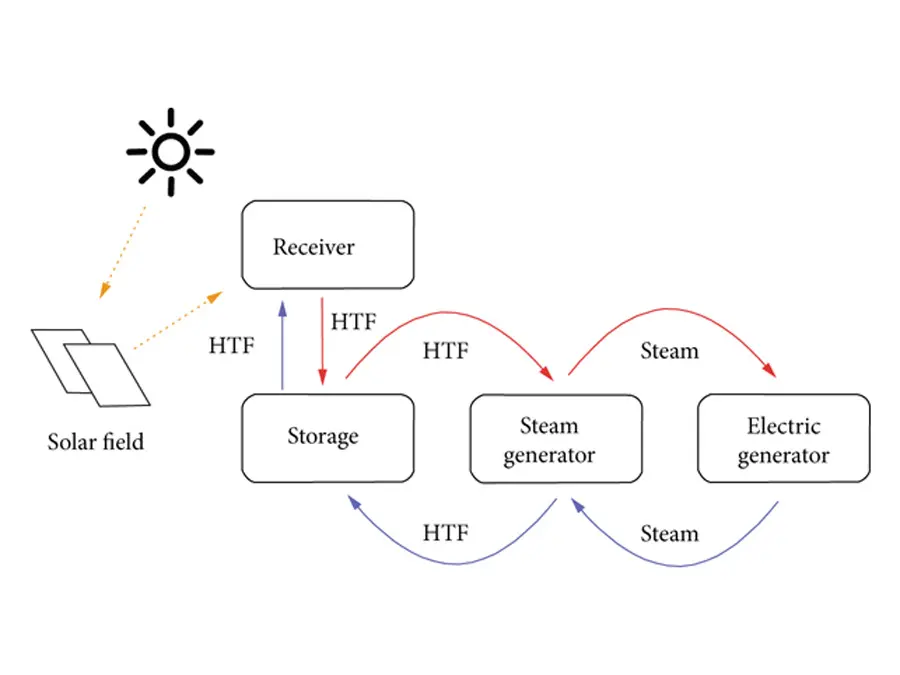
Concentrated solar power (CSP) plants use heliostats to focus sunlight, storing thermal energy efficiently in large liquid salt tanks.
Read Article →
Thermal energy storage systems are key to balancing renewable grids, providing a reliable and cost-effective dispatchable power source.
Read Article →We work with international engineering firms, agricultural distributors, and industrial manufacturers.


Direct answers to technical questions about purchasing, purity requirements, and application setups.
With appropriate operating conditions and low-impurity salts (chlorides under 100 ppm), the binary mixture can operate efficiently for 25 to 30 years. Regular testing of the salts and maintaining inert headspace gas blankets (like nitrogen) helps prevent oxidation and thermal degradation.
Potassium nitrate offers high thermal stability, high specific heat capacity, and low volatility at elevated operating temperatures. When combined with sodium nitrate, it forms a binary system with a lower melting point than either salt alone, helping reduce system freezing risks.
We use multi-layer, moisture-resistant packaging, including outer PP woven bags with high-density PE inner liners. Additionally, we use moisture absorbent materials inside shipping containers and offer climate-controlled loading options at the factory.
No. Organic anti-caking agents can decompose at temperatures above 300°C, leading to carbon build-up and gas generation. We rely on physical particle sizing and moisture-barrier packaging to manage caking without adding organic compounds.
Yes, our technical team can adjust chemical ratios to meet specific melting points or target heat transfer characteristics for specialized industrial processes.
High-efficiency chemical solutions for agricultural nutrients and manufacturing industries.
 VOJIN
VOJIN