Explore our core industrial products formulated to strict high-purity parameters for chemical synthesis, metallurgy, and performance agriculture.
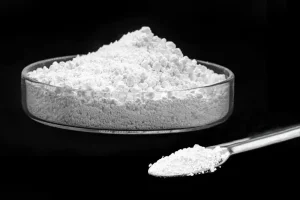
The global energy infrastructure is navigating a historic shift toward deep decarbonization. As solar PV and wind capacities expand exponentially, energy storage remains the primary limiting factor for grid reliability. Thermal Energy Storage (TES), powered by high-purity binary and ternary molten salt formulations, has established itself as the most reliable, cost-effective, and long-duration storage solution for high-temperature applications. Solar-grade nitrates—principally a eutectic blend of 60% sodium nitrate ($NaNO_3$) and 40% potassium nitrate ($KNO_3$)—enable large concentrated solar power (CSP) facilities to achieve stable baseline power generation round the clock.
Beyond CSP plants, molten salt loops are increasingly replacing heavy hydrocarbon fuels in macro-industrial processing. The global push to decarbonize heavy manufacturing processes has positioned chemical-grade molten salts as key mediums for industrial steam, district heating networks, and high-efficiency chemical processes. From petrochemical processing to coal plant conversions, molten salt ingredients provide an unmatched ability to store enormous quantities of latent thermal energy safely, without the risks associated with high-pressure water systems or volatile oil-based fluids.
Our core manufacturing divisions yield high-performance chemical series tailored for global supply chains.
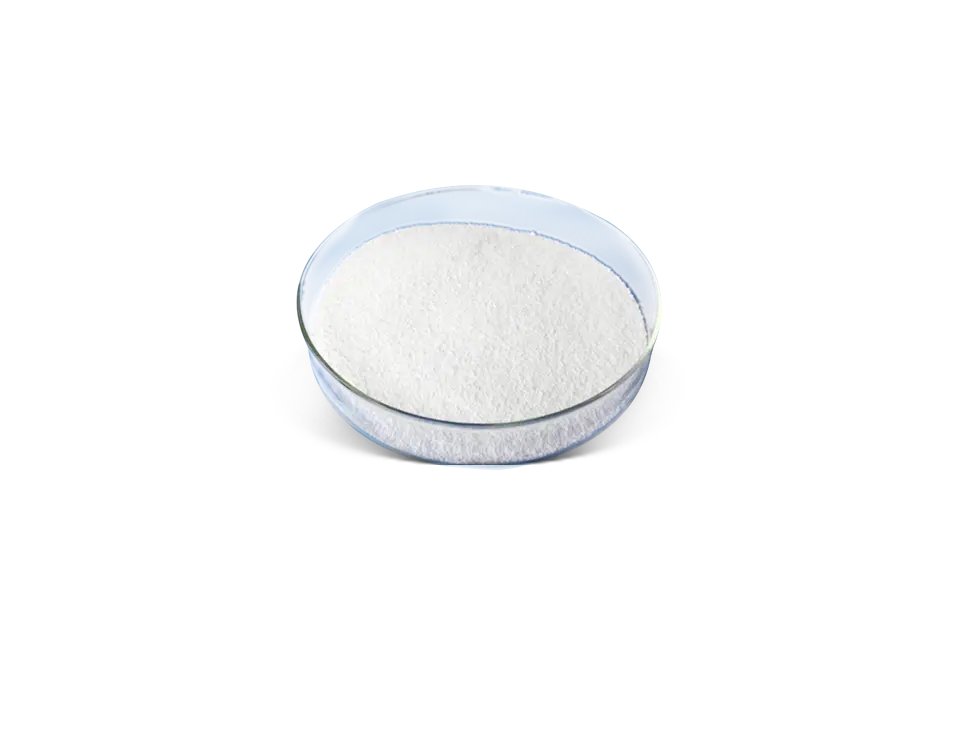
High purity industrial and solar grade nitrates including KNO₃, NaNO₃ and Calcium Ammonium Nitrate.

Fully water-soluble nitrogen, phosphorus, and potassium formulations optimized for modern agriculture.
Refined secondary chemical outputs and minerals optimized for functional materials synthesis.
As a leading Chinese manufacturer, Shanxi Vojin New Materials establishes stringent quality protocols for molten salt formulations. Raw ingredient purity directly correlates with the operational lifespan and thermodynamic efficiency of a thermal energy storage loop. Impurities such as chlorides ($Cl^-$), sulfates ($SO_4^{2-}$), and carbonates ($CO_3^{2-}$) pose severe corrosion risks to structural alloys (e.g., 347H stainless steel or Inconel 625) used in molten salt storage tanks and heat exchangers. Excessive chloride levels trigger pitting corrosion and stress corrosion cracking at operating temperatures exceeding 500°C.
Our standard thermal grade chemical components comply with strict global energy benchmarks:
Our processing methodologies rely on advanced fractional crystallization and vacuum drying processes. By ensuring minimal moisture levels, we prevent the formation of highly corrosive hydroxides within the storage loop, which protects system pumps, pipes, and control valves from premature degradation. This dedication to low impurity profiles is what cements our reputation as an authoritative supplier globally.
Connecting bulk chemical synthesis to functional, real-world utility in clean power, materials manufacturing, and agriculture.
Providing bulk solar-grade nitrates for binary salt loops in concentrating solar power (CSP) stations.
Utilizing high-purity potassium nitrate for chemical glass strengthening in modern touchscreens.
Enabling zero-emission thermal energy transfer systems for high-pressure industrial process steam.
Leveraging high-yield potassium, nitrogen, and trace element compounds for drip irrigation fertilizers.
The molten salt industry is on the verge of major material upgrades. Modern commercial loops rely heavily on binary solar salt ($60\% NaNO_3 + 40\% KNO_3$) which faces a physical limit at approximately 565°C. At higher temperatures, nitrate ions undergo rapid thermal decomposition into nitrites and oxides, releasing oxygen gas and causing salt depletion. To achieve the higher operating efficiencies demanded by next-generation supercritical carbon dioxide ($sCO_2$) power cycles, manufacturers are developing novel chemistries.
For operations extending beyond 700°C—critical for advanced nuclear Generation IV Molten Salt Reactors (MSRs) and next-generation CSP towers—the technological focus has shifted to molten chloride blends (e.g., $NaCl-KCl-MgCl_2$). These mixtures exhibit excellent thermal stability up to 800°C, and their specific heat capacities are vastly superior. However, their highly corrosive behavior requires active chemical control, such as dynamic magnesium purging and inert gas blanketing.
For applications where low melting points are critical to avoid system freezing risks, ternary nitrate systems incorporating calcium nitrate ($Ca(NO_3)_2$) are being commercialized. These formulations drop the freezing point from 220°C to below 130°C, significantly reducing the parasitic energy consumption required for system heat tracing during periods of low irradiance or routine plant maintenance.
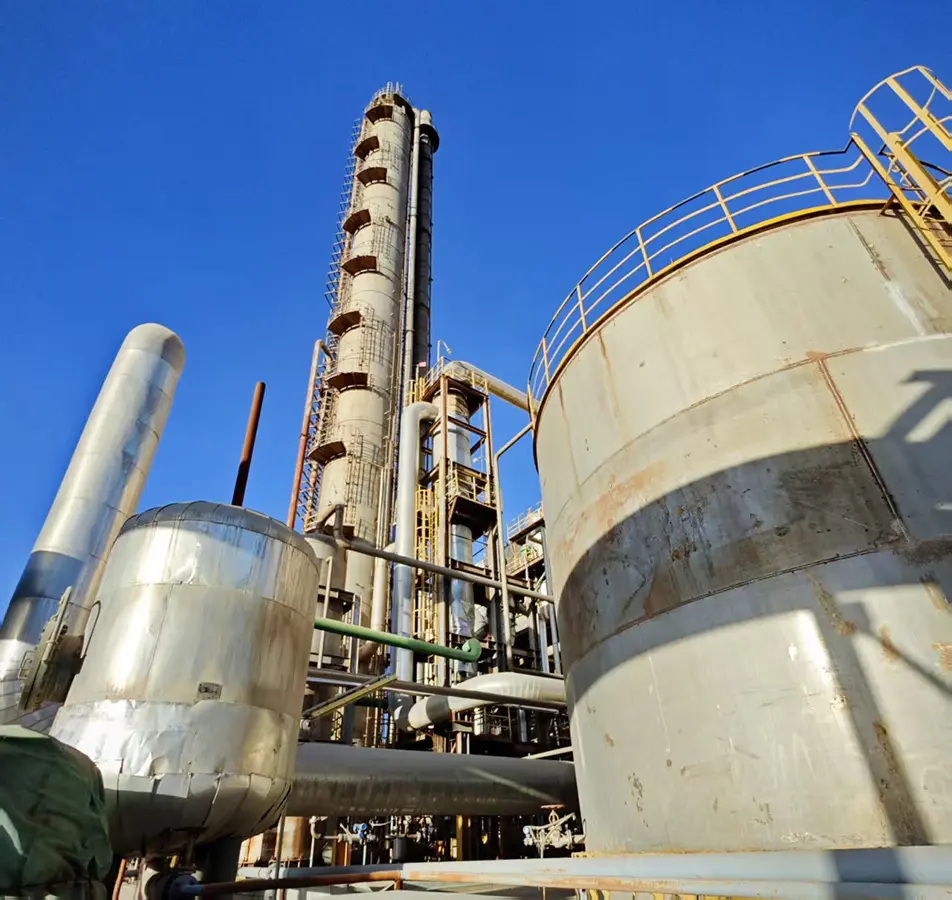
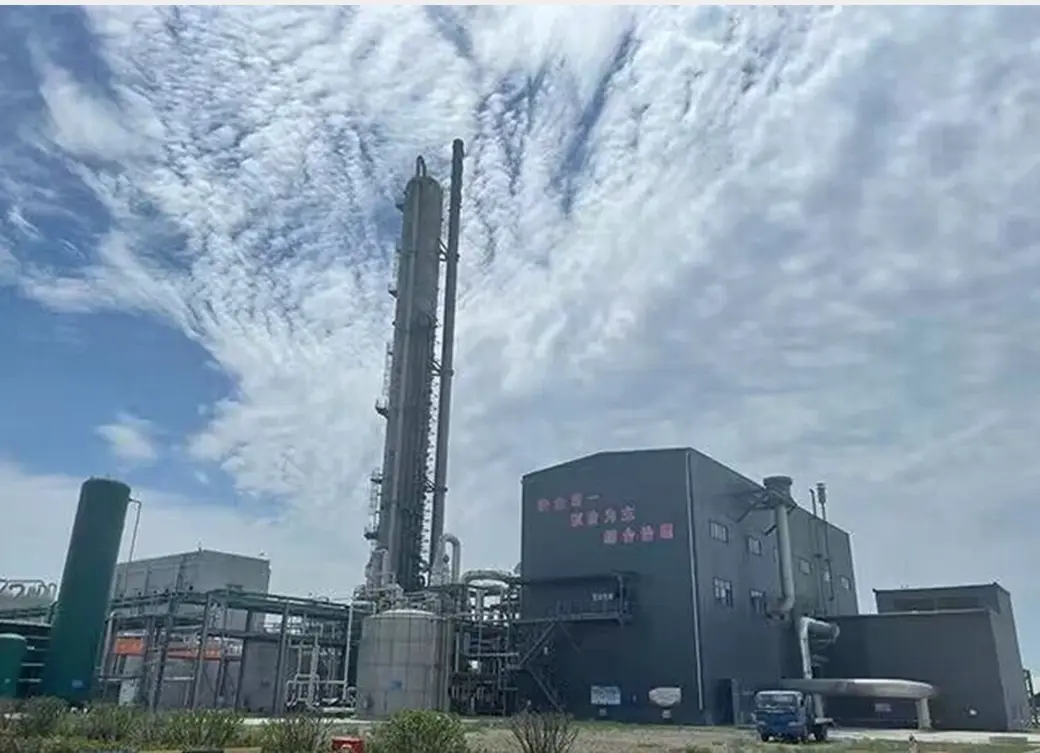
Years of manufacturing experience and refined output parameters give you better performance across applications.
Why international energy firms choose Shanxi Vojin New Materials as their primary supply partner.

Integrated experience on exporting operation. Always assure your customers good quality.
Annual output exceeding 600,000 tons of high-grade molten salts.
Experienced technology skill & service team. Quick response to our customers.
Multiple items for selection such as KNO₃, NaNO₃ to meet various needs of customers.
Stay updated with our breakthroughs in thermal energy storage research and development.
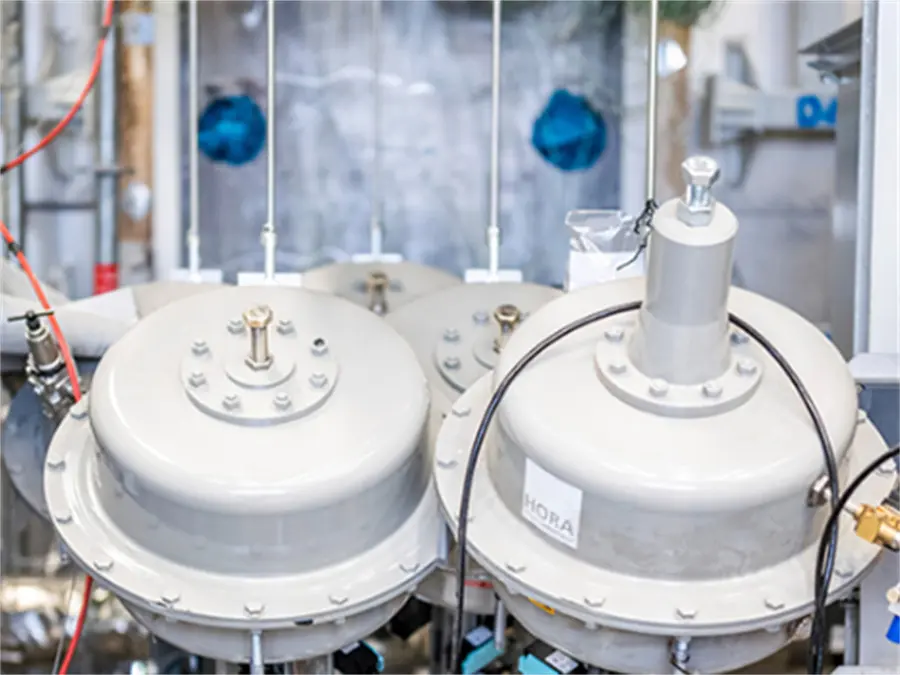
The technology can operate at higher temperatures, which has a positive impact on thermodynamic efficiency.
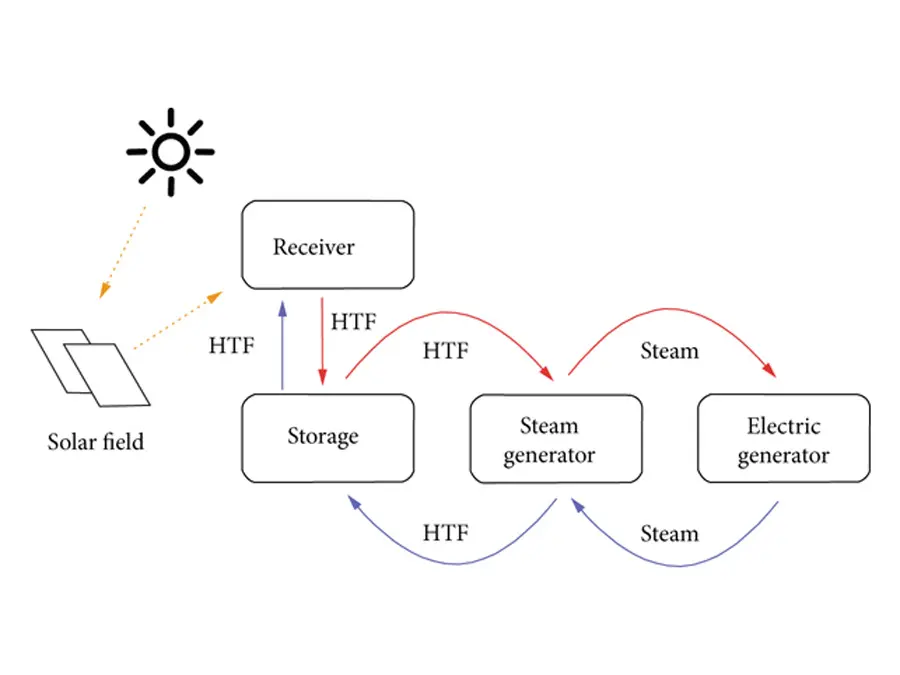
Concentrating solar power plants convert solar thermal energy into clean, dispatchable electricity.

Molten salt energy storage has emerged as a key grid-stabilization method for modern green utilities.
Implementing a modern molten salt system demands deep cross-industry insight. Shanxi Vojin New Materials provides more than raw ingredients; we deliver integrated chemical solutions configured to individual application architectures. Our main solutions target these core sectors:
We supply solar-grade binary salts directly to CSP facilities. We manage the logistics of thousands of tons of high-grade nitrates, using customized dry bulk bags to prevent ambient moisture absorption during transport. By controlling chemical impurities at the manufacturing stage, we prevent corrosion-induced damage within the heat transfer circuits, ensuring a lifetime of operation exceeding 25 years.
In municipal and industrial heating grids, replacing legacy coal-fired boilers with molten salt storage systems is a viable way to cut emissions. Using off-peak electricity from wind and solar, molten salts are heated up to 550°C. During peak demand periods, they release heat to produce superheated steam for industrial processes or district heating networks, integrating intermittent renewables with baseline heat requirements.
Our high-purity potassium nitrate ($KNO_3$) serves as an essential chemical bath in glass manufacturing. Glass sheets are submerged in a molten potassium nitrate bath at temperatures around 400°C. During this process, sodium ions on the glass surface are replaced by larger potassium ions from the bath, creating a prestressed outer layer that significantly increases resistance to mechanical stress and impacts.
Common questions answered by our materials science engineering department regarding chemical properties, limits, and loop safety.
We work with leading energy developers and chemical buyers to supply high-purity salts worldwide.











Refined materials designed for thermal storage loops, structural concrete formulations, and precision metal treatments.
 VOJIN
VOJIN