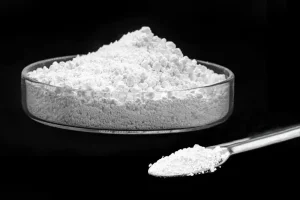
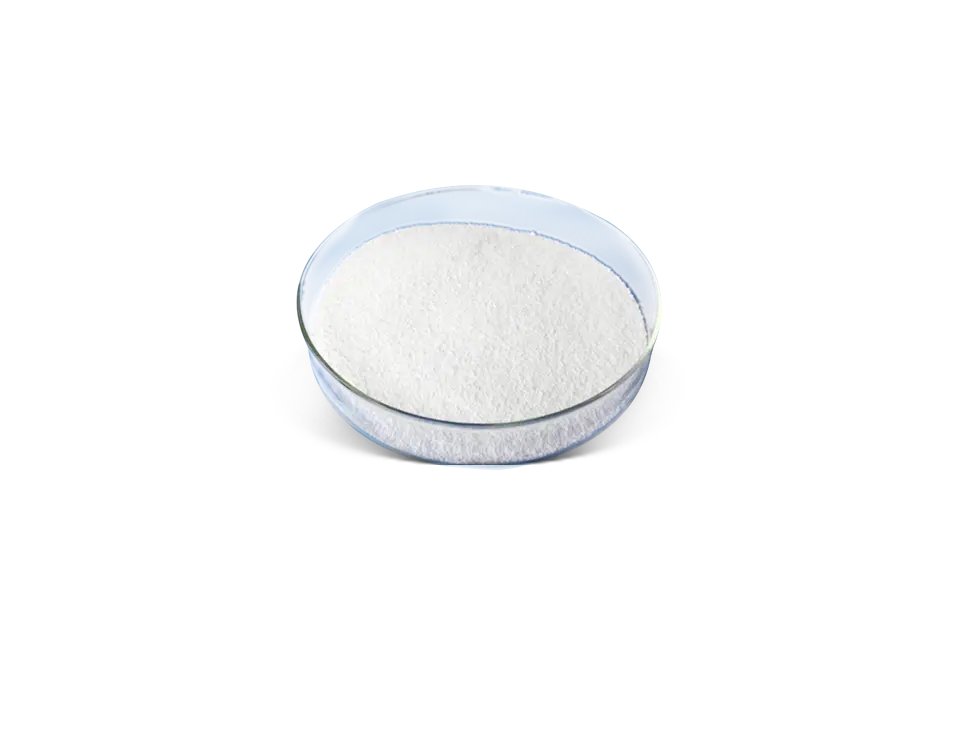
Explore our certified high-temperature heat transfer fluids, nitrate salts, and chemical strengthening agents manufactured to global performance criteria.
In modern Concentrated Solar Power (CSP) systems and large-scale thermal battery storage installations, the choice of heat transfer fluid (HTF) and sensible heat storage material is critical to overall thermodynamic cycle efficiency. The dominant media utilized globally is a binary eutectic mixture of inorganic salts, commonly referred to as Solar Salt. This mixture typically consists of 60% Sodium Nitrate ($NaNO_3$) and 40% Potassium Nitrate ($KNO_3$) by weight.
The physical-chemical properties of this eutectic system are tailored to operate over a wide thermal range. The melting point of standard binary solar salt is approximately 220°C (428°F). To prevent freezing and subsequent physical expansion damage inside pipes and storage tanks, the minimum operating temperature is maintained above 290°C. The upper thermal limit is governed by the chemical stability of the nitrate anions, which begins to degrade rapidly above 565°C to form nitrites and oxygen:
To push thermal operating limits towards 600°C, manufacturers like Shanxi Vojin New Materials employ gas-pad covers (such as high-pressure nitrogen gas blankets) or chemical equilibrium shifting additives. These systems inhibit the reduction pathway, ensuring structural longevity of the fluid media. Controlling chemical impurities (such as chlorides, carbonates, and moisture content) is paramount. High chloride concentration triggers stress corrosion cracking (SCC) and pitting in containment materials, including Stainless Steel 316L and high-performance nickel-based superalloys.
The transition from fossil-fuel baseline power generation to variable renewable energy grids requires next-generation high-temperature storage mediums. Current industry R&D is directed at expanding the operational envelope of molten salts. By shifting from binary nitrates to ternary mixtures, and eventually to chloride and fluoride chemistry, operating temperatures can be extended beyond 700°C.
| Composition Type | Chemical Formula / Components | Melting Point (°C) | Upper Limit (°C) | Primary Application Fields |
|---|---|---|---|---|
| Binary Solar Salt | 60% NaNO₃ / 40% KNO₃ | 220°C | 565°C - 600°C | CSP Trough & Tower Systems, Industrial Heat Storage |
| Ternary (Hitec XL) | Ca(NO₃)₂ + NaNO₃ + KNO₃ | 133°C | 500°C | Low-freezing risk setups, general thermal energy storage |
| Ternary Chlorides | NaCl + KCl + MgCl₂ | 390°C | 800°C+ | Generation 3 CSP, Industrial Hydrogen Production |
| Fluorides (FLiNaK) | LiF + NaF + KF | 454°C | 850°C+ | Molten Salt Nuclear Reactors (MSR), Advanced Nuclear Loops |
Chloride systems represent the immediate horizon for super-critical carbon dioxide ($sCO_2$) power cycles, which operate at higher thermodynamic efficiencies than conventional steam turbines. However, chloride salts present severe corrosion risks. High-temperature corrosion mitigation strategies include active purity management (magnesium oxide precipitation filtering) and the addition of zinc or magnesium corrosion inhibitors. This dual-action approach maintains corrosion rates below 10 micrometers per year.
High-temperature molten salts are key enablers across multiple heavy industry sectors, extending beyond concentrating solar energy:
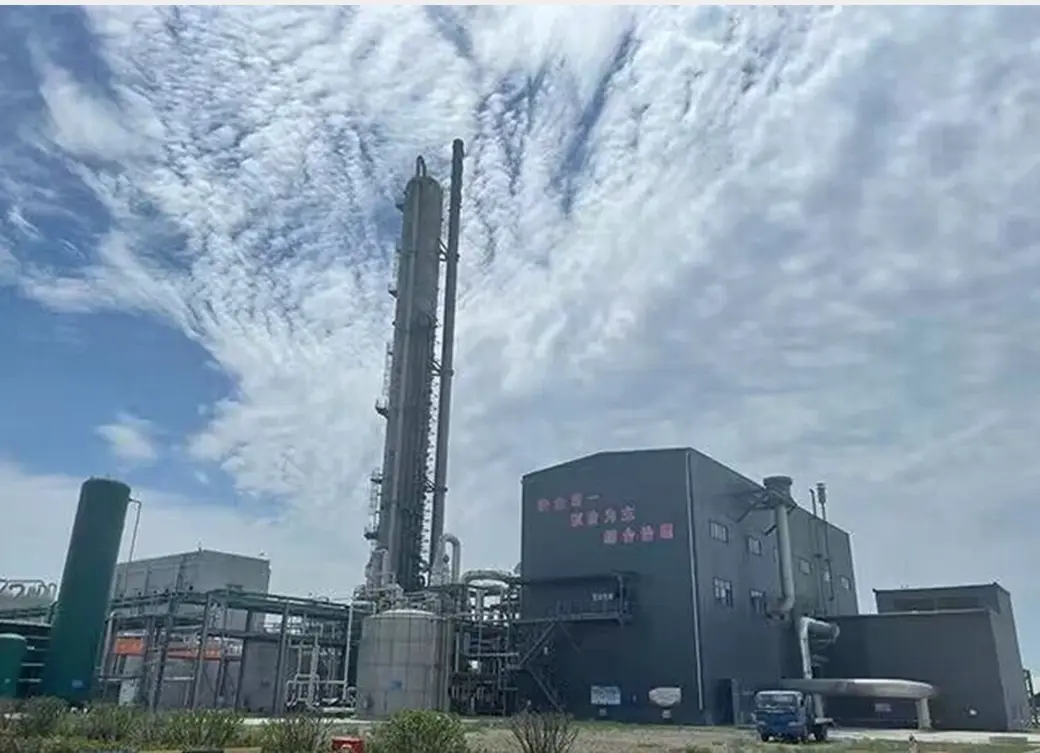
Shanxi Vojin New Materials Co., Ltd. operates advanced production facilities in Shanxi, China, situated within the raw material sourcing belt for high-purity synthetic nitrogen compounds. With a combined manufacturing footprint spanning approximately 1,000 acres, our operations are optimized to produce 600,000 metric tons of molten salts annually.
Our Factory 4.0 strategy integrates continuous recrystallization technology, automated magnetic separation, and digital control systems (DCS). This ensures consistent quality across large production volumes. By employing real-time inline mass spectrometry, we monitor and control trace impurities (like chlorides and moisture) to meet international standards. Our strategic proximity to logistics hubs and Tianjin Port enables efficient bulk shipping, mitigating supply chain disruptions for global projects.
Procuring molten salts for high-temperature applications requires rigorous technical verification. International developers evaluate suppliers based on impurity specifications:
Vojin New Materials ships product in moisture-barrier, heavy-duty 1.0 to 1.25 metric ton big bags with double-layered polyethylene liners. This packaging protects against environmental moisture and prevents clumping during ocean transit.
Driven since 2000, we have been committed to the entrepreneurial spirit and passion for innovation. Our team takes pride in delivering dependable products and services with a quality distinction in thermal energy storage & water-soluble fertilizer industries globally.
Established formally in 2010, the company has integrated advanced R&D divisions with large-scale industrial synthesis complexes. By bridging the gap between raw salt extraction and high-end chemical purification, we supply high-performance molten salt products that meet the safety and performance specifications of international utility projects.

Providing technical grades customized for energy storage, display technology, metallurgy, and smart agriculture.
Heat storage medium for Concentrated Solar Power (CSP) systems and industrial heat recovery modules, supporting round-the-clock power generation.
Ultra-pure KNO₃ formulated for chemical ion-exchange baths, increasing the impact resistance of modern cover glass.
Facilitating the transition of coal-fired industrial boilers into zero-emission thermal energy storage batteries.
High-solubility agricultural chemical configurations that optimize nutrient absorption rates in modern drip-irrigation systems.
Discover our primary inorganic chemical production families.
Why industrial global enterprises choose Shanxi Vojin for high-temperature chemical supplies.

Integrated experience in global export operations, ensuring consistent material quality during transit.
Annual output of 600,000 metric tons of molten salts to meet utility-scale infrastructure requirements.
Technical support team providing prompt answers and customized chemical blending solutions.
A diverse product portfolio including high-purity KNO₃ and NaNO₃ to satisfy varied technical parameters.
Stay updated with research, insights, and developments in high-temperature energy storage.
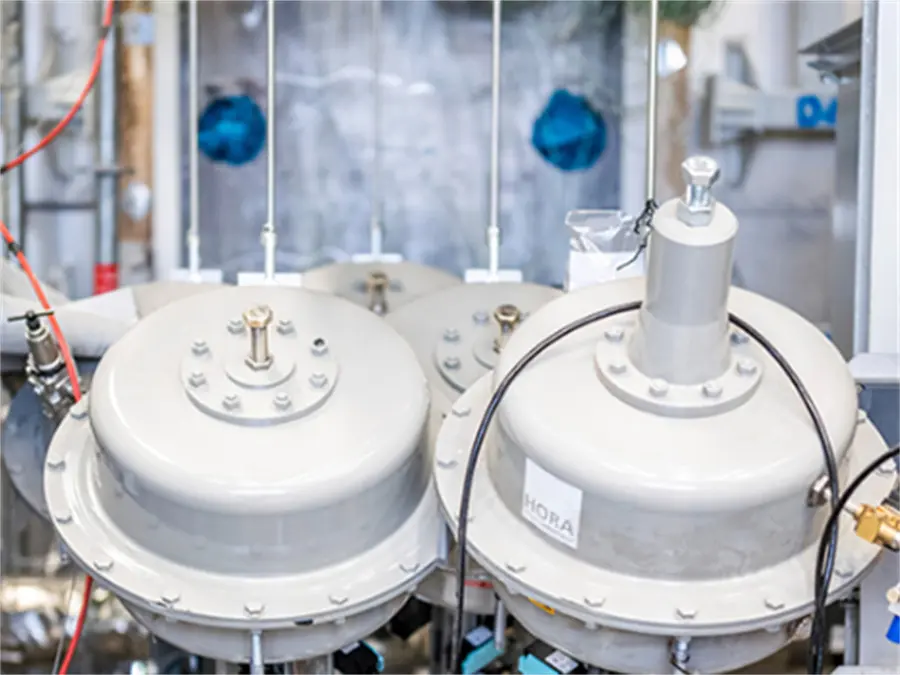
The technology operates at higher temperatures, which increases overall cycle efficiency and reduces thermal losses.
View More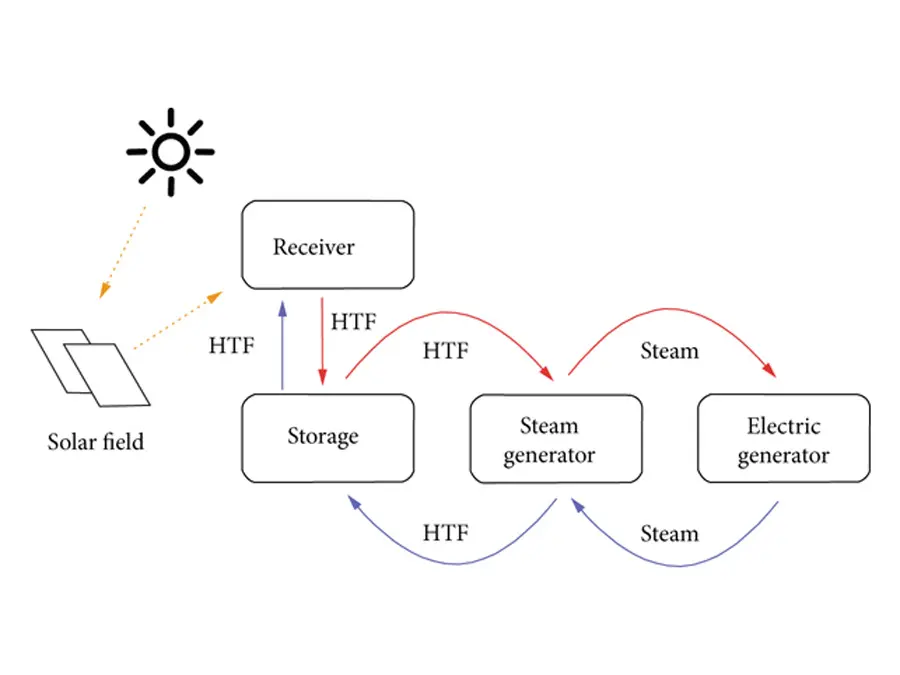
Concentrated solar power plants convert solar energy to electricity utilizing high-purity nitrate salts.
View More
Molten salt energy storage is an established solution for enhancing grid stability and reducing emissions.
View MoreAnswers to engineering and procurement questions regarding high-temperature molten salts.
Providing technical-grade materials to leading industrial enterprises and energy projects globally.


Explore our specialized solutions, agricultural inputs, and water purification additives.
 VOJIN
VOJIN