Industrial-grade chemicals synthesized to precision parameters for energy storage, agricultural enhancement, and metal heat processing.
As the global energy landscape transitions from fossil-fuel reliance to intermittent renewable systems, the demand for stable, grid-scale energy storage has reached unprecedented heights. Molten salt thermal energy storage (TES) has emerged as the most cost-effective and operationally reliable solution for dispatchable high-temperature energy deployment. By storing thermal energy in liquid salts during peak solar radiation or surplus grid power periods, systems can dispatch continuous utility-grade electricity or process steam on-demand.
Unlike lithium-ion batteries, which face limitations in lifespan, environmental degradation, and resource scarcity, molten salt systems boast an operational lifetime exceeding 30 years without capacity degradation. The core chemical constituents—principally high-purity potassium nitrate ($KNO_3$) and sodium nitrate ($NaNO_3$)—are abundant, environmentally benign, and offer exceptionally high volumetric heat storage capacities. Through these properties, molten salt technologies form the thermodynamic backbone of modern Concentrated Solar Power (CSP) tower and parabolic trough plants globally.
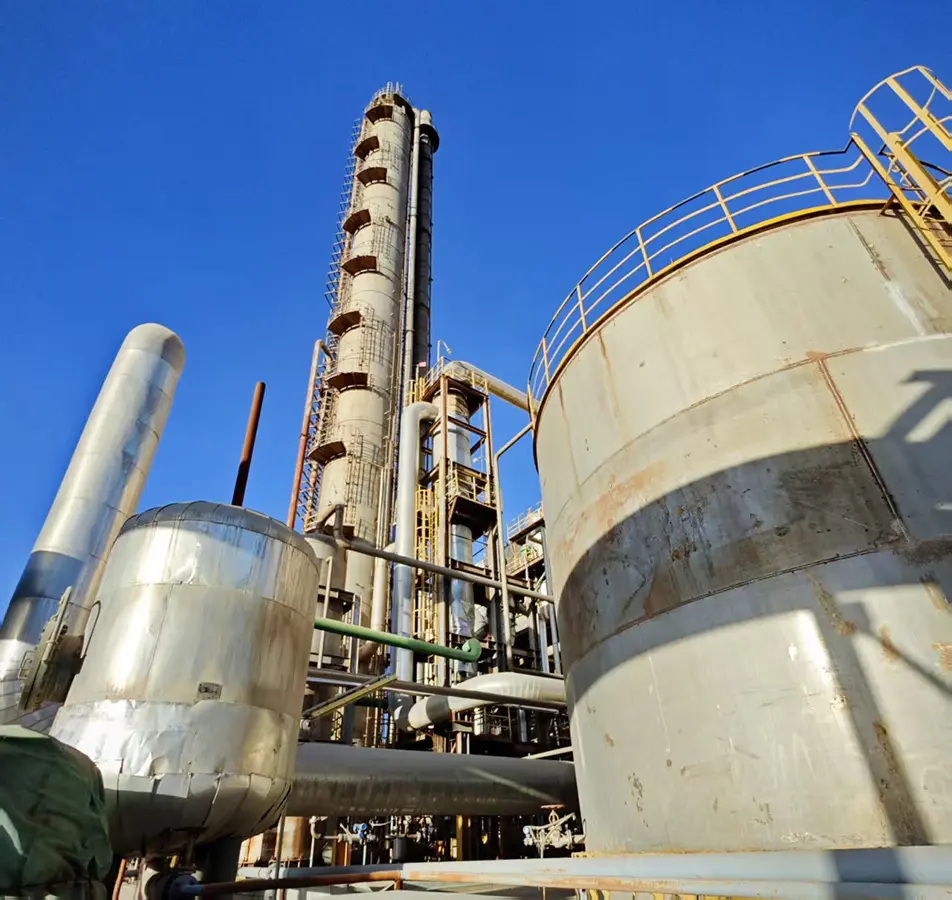
In regions with high Direct Normal Irradiance (DNI), such as the Middle East, Southern Europe, North Africa, and the Southwestern United States, solar thermal plants use binary molten salt mixtures as both the heat transfer fluid (HTF) and storage medium. Operating at temperatures up to 565°C, these systems achieve thermal-to-electrical efficiencies that outperform alternative non-carbon baseload technologies.
Chemical processing, metallurgy, glass manufacturing, and oil refining demand massive volumes of continuous high-temperature heat. Molten salt loops are increasingly deployed to replace traditional fossil-fueled boilers. By storing off-peak green electricity in molten salt, industrial facilities can tap into high-pressure steam lines at any hour, reducing carbon footprints.
Grid operators face immense instability due to wind and solar fluctuations. High-capacity thermal energy storage centers utilizing molten salts are integrated adjacent to retired thermal power stations. This leverages existing steam turbines and generator sets while transforming coal assets into modern, zero-emission green storage hubs.
Expertly synthesized by Shanxi Vojin New Materials Co., Ltd. for diverse high-demand global markets.
Ultra-pure potassium nitrate, sodium nitrate, calcium nitrate, and nitrite formulations engineered to minimize corrosive elements ($Cl^- < 0.05\%$).
100% water-soluble agricultural formulations designed for fertigation, rich in plant-available nitrogen, potassium, calcium, and phosphorus.
High-yield chemical recovery compounds that maximize production circularity while maintaining strict quality consistency.
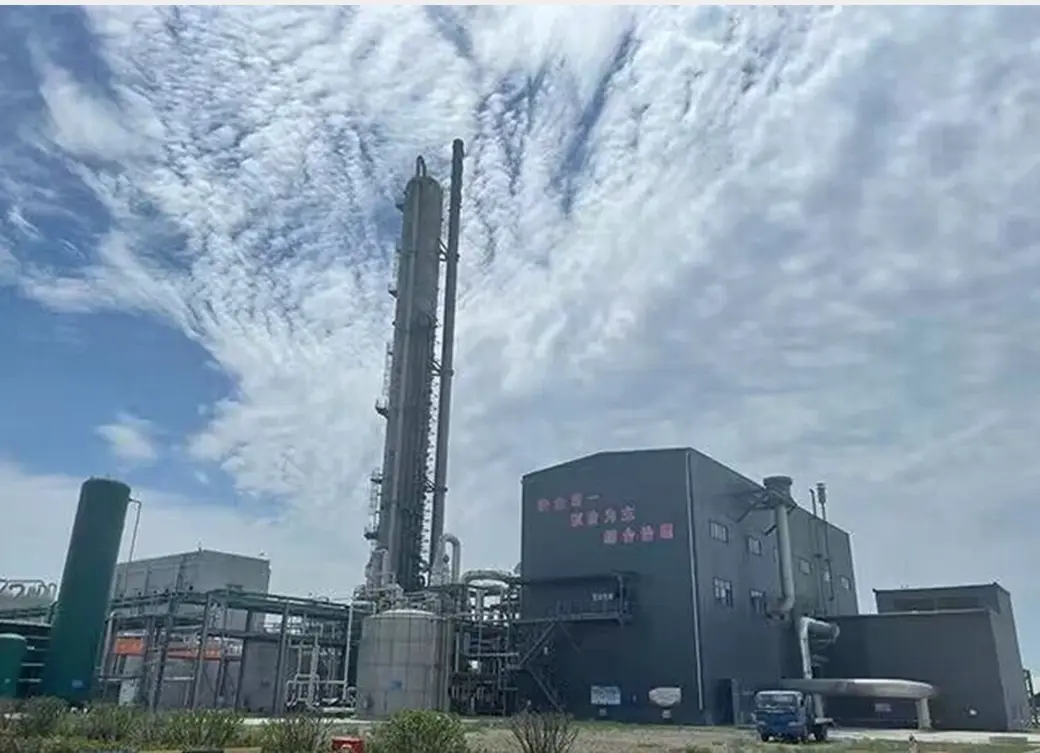
China is home to the world’s most robust industrial supply chain for nitrate production. The close integration of raw materials (ammonia, potassium salts, and sodium carbonate precursors) with local manufacturing hubs ensures unparalleled output reliability. Shanxi Vojin New Materials Co., Ltd. operates at the heart of this industrial nexus, optimizing every step of production from crystallization to distribution.
Our Shanxi facility spans approximately 1,000 acres, incorporating automated, digitalized production processes that minimize manual intervention and ensure consistent chemical purity. High-efficiency crystallization techniques reduce the presence of deleterious impurities such as chlorides, carbonates, and moisture. This efficiency translates directly into cost advantages for international EPC (Engineering, Procurement, and Construction) companies, who secure high-purity thermal salts without paying premium Western manufacturing margins.
Our engineered salts are designed to address the specific performance parameters required by major high-temperature industries.
Tailored for Concentrated Solar Power (CSP) tower systems. Our binary salts maintain low viscosity and stable thermal performance at temperatures up to 565°C.
High-purity potassium nitrate used as a potassium ion donor in chemical tempering baths, ensuring high structural strength in protective cover glass.
Eutectic salt configurations customized to replace traditional coal-fired heating systems with modern electric-thermal energy units.
High-grade water-soluble nitrates that supply readily absorbable nitrogen, potassium, and calcium to improve yields and crop quality.
Global procurement teams in the renewable energy and heavy chemical sectors must navigate complex quality requirements. When selecting a molten salt partner, factors like chemical purity, logistics capabilities, and factory scale are critical to ensuring project feasibility.
At Shanxi Vojin New Materials Co., Ltd., we align with the risk management frameworks used by global EPC firms. We provide comprehensive chemical documentation, batch certification, and moisture-controlled packaging to prevent clumping during long maritime transits. Our proximity to major Chinese shipping ports ensures cost-effective freight rates and fast delivery times to solar thermal construction sites across Spain, South Africa, South America, and the Middle East.
Why Tier-1 global energy developers select Shanxi Vojin New Materials Co., Ltd.

Expert coordination of international export operations ensures reliable quality control from production line to target destination.
An annual output of 600,000 metric tons of molten salts ensures we can reliably supply large-scale utility projects.
Our technical service teams offer fast responses, troubleshooting application parameters and offering customization options.
We supply a broad portfolio, including Potassium Nitrate ($KNO_3$), Sodium Nitrate ($NaNO_3$), and Calcium Nitrate, to meet diverse customer needs.
The molten salt industry is continually evolving to expand operating temperature windows and improve system thermal efficiency. A primary research trend focuses on ternary and quaternary eutectic mixtures. By combining potassium nitrate, sodium nitrate, calcium nitrate, and lithium nitrate, researchers have developed formulations with melting points below 100°C while maintaining thermal stability up to 550°C. This wider temperature window reduces the risk of salt freezing inside transport lines and lowers parasitic heating costs during shutdown phases.
In addition, the development of Molten Salt Reactors (MSR) for next-generation nuclear energy represents a significant technology frontier. MSR systems utilize molten fluoride or chloride salts as both the reactor coolant and the fuel solvent, allowing operation at low pressures and high temperatures. This design offers key safety benefits over water-cooled reactors, including a reduced risk of steam explosions. As these commercial nuclear applications mature, the demand for ultra-pure precursor chemicals will scale rapidly, requiring close collaboration between material scientists and high-capacity manufacturing facilities.
Stay updated on the latest trends and developments in global thermal energy storage and nitrate chemical technology.
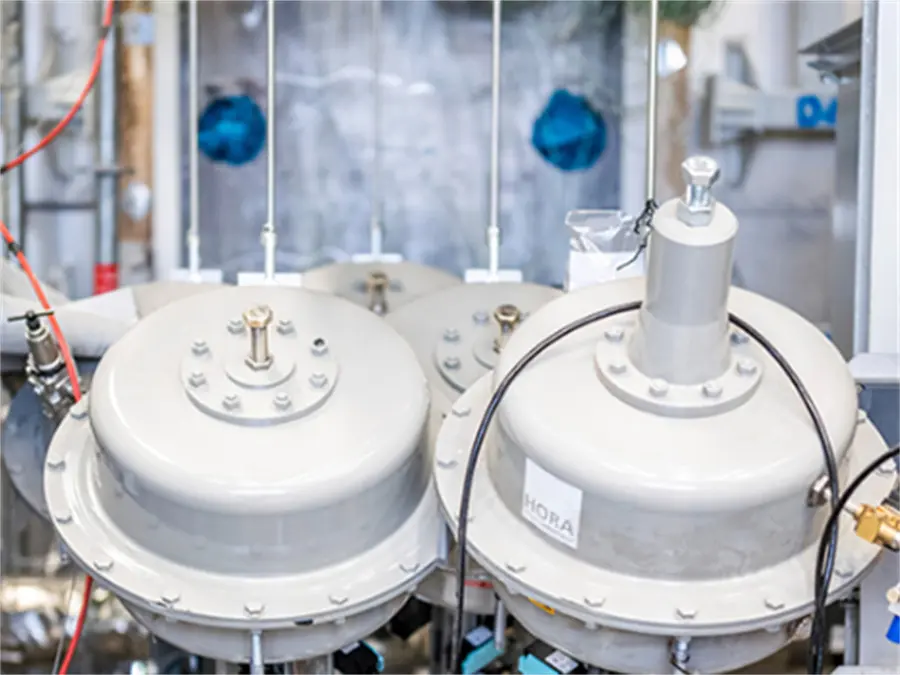
The technology operates at higher temperatures, directly improving overall efficiency and thermal capacity in large-scale solar arrays...
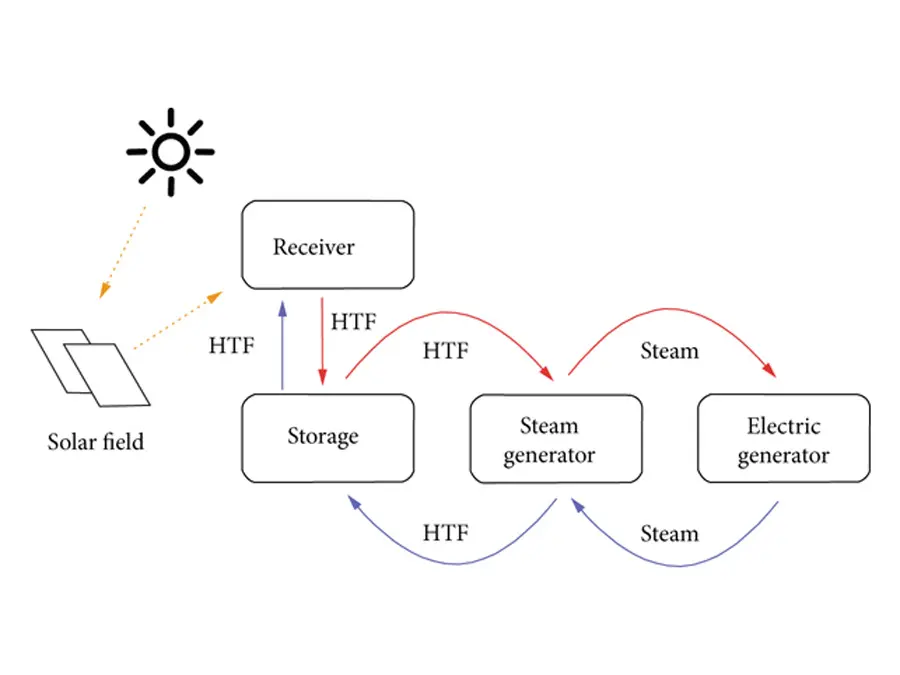
Concentrated solar power plants convert solar energy to electricity. It is based on flat tracking mirrors that focus sunlight...

Molten salt energy storage has emerged as a promising solution for enhancing the efficiency, flexibility, and stability of energy grids...
Providing expert answers to common queries regarding molten salt chemistry, performance parameters, and logistics.
Solar-grade molten salt, or "Solar Salt," is a binary mixture consisting of 60% sodium nitrate ($NaNO_3$) and 40% potassium nitrate ($KNO_3$) by weight. This eutectic composition liquefies around 220°C (428°F) and remains thermally stable up to 565°C (1049°F), offering a wide liquid window that is well-suited for heat transfer and storage in concentrated solar power applications.
Chlorides ($Cl^-$) are highly corrosive to the stainless steel alloys commonly used in heat exchangers, piping networks, and storage tanks. At elevated temperatures, chlorides can cause pitting corrosion and stress corrosion cracking. To extend system lifetimes, solar thermal specifications limit chloride concentrations to less than 0.05% (or under 500 ppm).
Caking is a common challenge for bulk nitrates when exposed to environmental humidity. We prevent this by optimizing crystal sizes, utilizing airtight, moisture-proof multi-layered bags, and offering customization options like trace anti-caking agents depending on customer specifications. These steps ensure that the material remains free-flowing and easy to load at the plant site.
Yes. Because our potassium nitrate, calcium nitrate, and monopotassium phosphate are synthesized to high purity, they dissolve fully in water and are well-suited for greenhouse fertigation and hydroponics. These products provide readily available potassium, nitrogen, and phosphorus, without leaving insoluble residues that can clog irrigation nozzles.
We work closely with leading partners across the global energy and chemical distribution sectors.






Further offerings from our chemical plant tailored for demanding agricultural and industrial processes.
 VOJIN
VOJIN