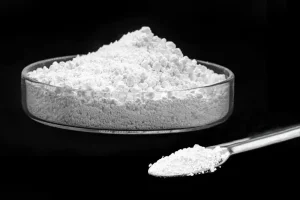
As the global energy landscape transitions toward complete carbon neutrality, traditional energy systems face intensive regulatory pressure to optimize efficiency and mitigate hazardous emissions. High-performance molten salt heat transfer fluids (HTFs) and thermal energy storage (TES) materials have emerged as pivotal agents in this transformation. By leveraging the large latent heat capacity and exceptional thermal stability of inorganic salts, modern industrial plants can capture excess thermal energy, eliminate intermittent generation gaps, and systematically reduce overall system emissions.
Shanxi Vojin New Materials Co., Ltd. stands at the forefront of this chemical revolution. Drawing upon over a decade of dedicated production expertise, we synthesize high-purity nitrate, nitrite, and carbonate solutions specifically formulated to meet the challenging heat transfer requirements of concentrated solar power (CSP), coal-to-energy conversions, waste heat capture, and advanced industrial steam distribution networks. Our molten salt technologies act as highly efficient thermal batteries, storing megawatt-scale thermal energy at temperatures exceeding 560°C and discharging steam on demand to eliminate fossil-fueled combustion peaks.
To assist global EPC (Engineering, Procurement, and Construction) companies and industrial buyers, we highlight the critical parameters required to ensure long-term stability and high round-trip efficiency.
Standard grade industrial nitrates contain trace impurities like chlorides, sulfates, and moisture. For emission-critical thermal storage, chloride content must remain below 100 ppm to mitigate severe stress-corrosion cracking in stainless steel heat exchangers and piping systems.
Thermal decomposition of molten salt releases NOx gases, which compromises systemic environmental goals. Pure binary salts (60% NaNO3 and 40% KNO3) must operate continuously up to 565°C without generating excess decomposition products, ensuring zero-loss loop integrity.
Moisture absorption during oceanic shipping leads to consolidation and caking, delaying on-site melting operations. Our materials are processed under strict relative humidity controls to deliver free-flowing crystals ready for prompt chemical loading.
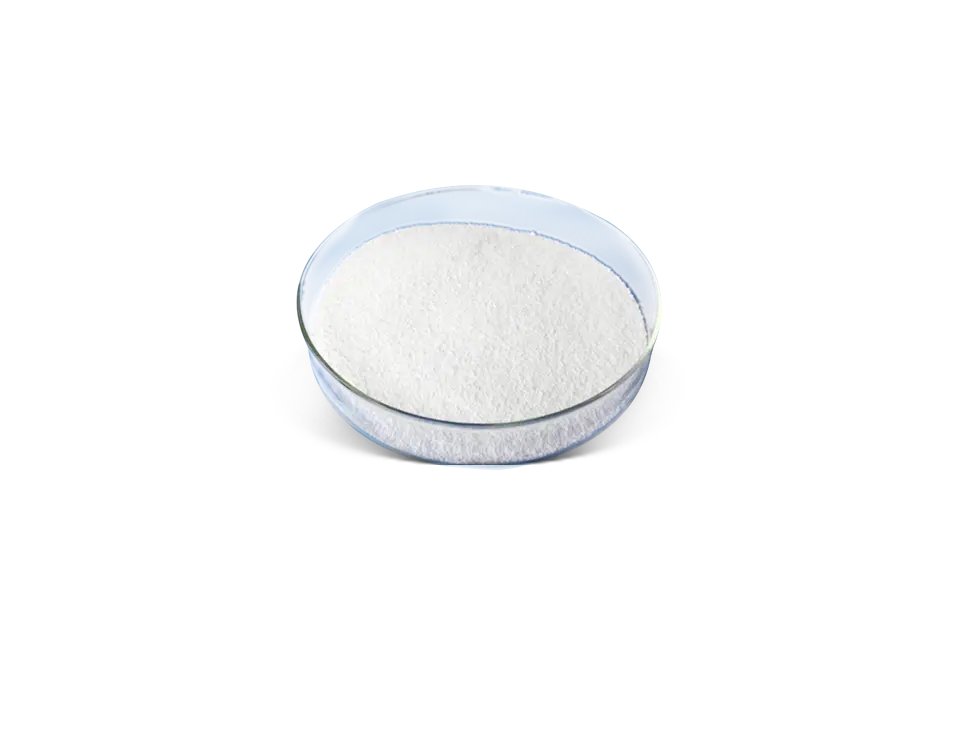
High purity industrial Potassium Nitrate (KNO3), Sodium Nitrate (NaNO3), and customized binary/ternary molten salt formulations for thermal storage and heat treatment.

Fully soluble organic and trace element agricultural formulations providing excellent crop nutrition and high soil absorption rates.
Value-added functional chemical compounds synthesized during high-efficiency extraction processes, catering to niche industrial applications.
Integrating molten salts into global industrial ecosystems provides critical thermal balancing, replacing fossil fuel combustors with clean, stored energy.
Solar towers and parabolic trough fields collect solar energy as heat during the day. By cycling molten salts through heat-receiving tubes, thermal energy is safely captured and stored in massive insulated tanks, generating steam to run turbines during night hours.
Heavy manufacturing plants require high-temperature process steam. Implementing a molten salt thermal battery allows operations to convert cheap off-peak wind or solar electricity into high-temperature heat, eliminating relying on natural gas boilers.
Decommissioned thermal power infrastructures can be retrofitted. By replacing traditional coal-fired boilers with molten salt heat storage systems linked to existing steam turbines, coal plants are repurposed as clean energy storage assets.
Enabling utility-scale energy shifting in power generation infrastructure globally.
Utilizing high-grade chemical salts in specialized glass tempering and chemical treatments.
High-efficiency thermal oil replacements in heavy chemical processes, coal conversion, and steam generation.
Providing high-purity water-soluble fertilizers to optimize plant growth and soil retention profiles.
Traditional solar salts rely on binary combinations of 60 wt.% NaNO3 and 40 wt.% KNO3. While highly reliable, these formulations present a relatively high melting temperature of approximately 220°C. Systems must run trace heating lines continuously to prevent "freezing" (crystallization) within piping networks, consuming parasitic power and increasing operations risks.
Vojin New Materials, in collaboration with leading inorganic chemistry research institutions, is developing ternary and quaternary formulations. Adding Calcium Nitrate [Ca(NO3)2] reduces the eutectic melting point to 130°C. This lowers the operational energy floor required to keep the storage material in liquid phase, expanding the thermal operating range and reducing trace heating requirements.
Looking forward, our R&D team is experimenting with nanoparticle additions (such as silica and alumina) to increase the specific heat capacity of molten salts. By increasing the heat storage capacity of the liquid medium, next-generation CSP plants can shrink storage tank footprints, saving capital cost and minimizing infrastructure footprint.
Providing premium thermal compounds and chemical derivatives at a global scale.

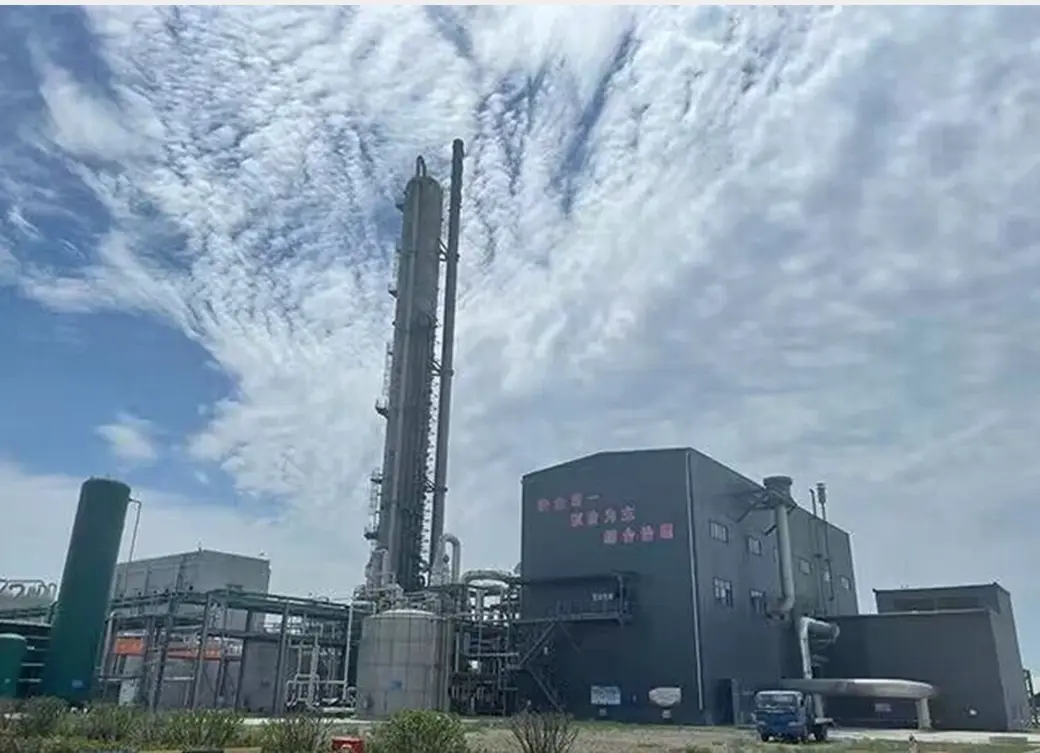
Driven since 2000, we have been committed to the entrepreneurial spirit and passion for innovation. Our team takes pride in delivering dependable products and services with a quality distinction in thermal energy storage & water-soluble fertilizer industries globally.
Located near rich mineral deposits in Shanxi Province, our manufacturing plants leverage secure local raw materials, providing cost stability and consistent output quality. From raw chemical synthesis to international freight clearance, we control the entire lifecycle of our chemical products.


Integrated experience on exporting operation. Always assure your customers good quality, compliant customs documentation, and seamless shipping logistics.
Annual output of 600,000 Tons of Molten salts and related chemical compounds, securing continuous supply for even the largest thermal storage plants.
Experienced technology skill & service team. Quick response to our customers for technical consultations, product modifications, and on-site support.
Multiple items for selection such as KNO3, NaNO3, Calcium Nitrate, and related derivatives to meet various processing needs of customers.
Shanxi Vojin New Materials ensures all shipments align with regional target-market regulations, providing a seamless supply chain.
We manage REACH registrations for European clients, ensuring full compliance with European Chemicals Agency (ECHA) safety mandates. For American and global markets, our chemicals match OSHA Hazard Communication Standard expectations and GHS labeling rules.
Given the hydroscopic nature of nitrate salts, we utilize heavy-duty woven polypropylene bags lined with polyethylene moisture barriers. For bulk deliveries, ocean-freight container desiccants and customized pallet wrapping secure the material through tropical shipping lanes.
Beyond delivery, our engineering team advises on safe initial melting procedures. We coordinate with onsite EPC operators to verify storage tank pre-heating protocols, prevent premature salt solidification, and optimize the initial thermal charging loop.
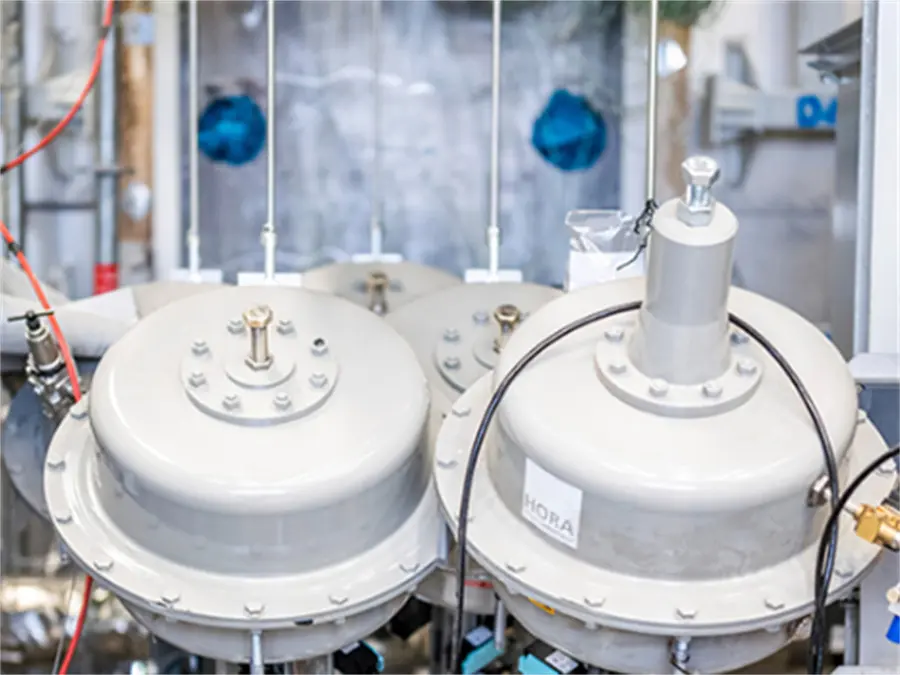
The technology can operate at higher temperatures, which has a direct impact on the efficiency of modern steam turbines...
Read More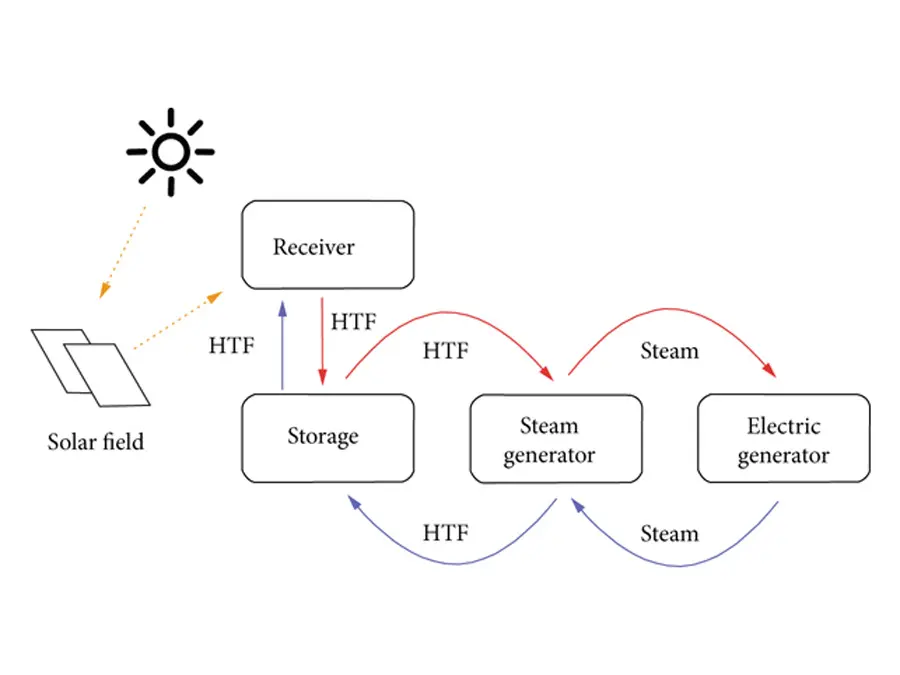
A concentrated solar power plant converts solar energy to electricity. It is based on advanced salt circulation networks...
Read More
Molten salt energy storage has emerged as a promising solution for enhancing the grid stability and balancing output...
Read MoreFor many years, we have successfully responded to the requirements of reputed customers in the market.




 VOJIN
VOJIN