Optimized chemistry systems formulated for Concentrated Solar Power (CSP), heat transfer media, and industrial high-temperature processes.
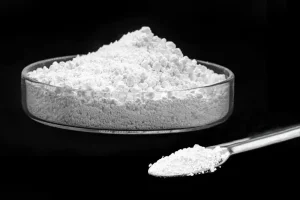
As the global community aggressively pivots toward net-zero emissions, the intermittent nature of renewable energy sources—specifically solar photovoltaics (PV) and wind power—presents a profound engineering challenge. Grid operators require baseload-capable renewable electricity to ensure stability when the sun sets and the wind stops. In this landscape, high-temperature molten salt fluids have emerged as the premier medium for utility-scale Thermal Energy Storage (TES) and Heat Transfer Fluids (HTF).
Molten salt fluids typically consist of binary or ternary nitrate mixtures, such as a eutectic blend of 60% sodium nitrate (NaNO3) and 40% potassium nitrate (KNO3), commonly known as "solar salt." These materials exhibit exceptional thermodynamic properties. Unlike traditional organic thermal oils, which break down rapidly at temperatures exceeding 390°C, nitrate-based molten salts remain highly stable up to 565°C and beyond. This high-temperature operation is critical; it allows steam turbines to run at higher pressures, directly boosting Carnot efficiency and driving down the Levelized Cost of Energy (LCOE) for Concentrated Solar Power (CSP) facilities and heavy industry energy storage applications.
Explore our three primary product divisions, manufactured with strict quality standards at our domestic production facilities.
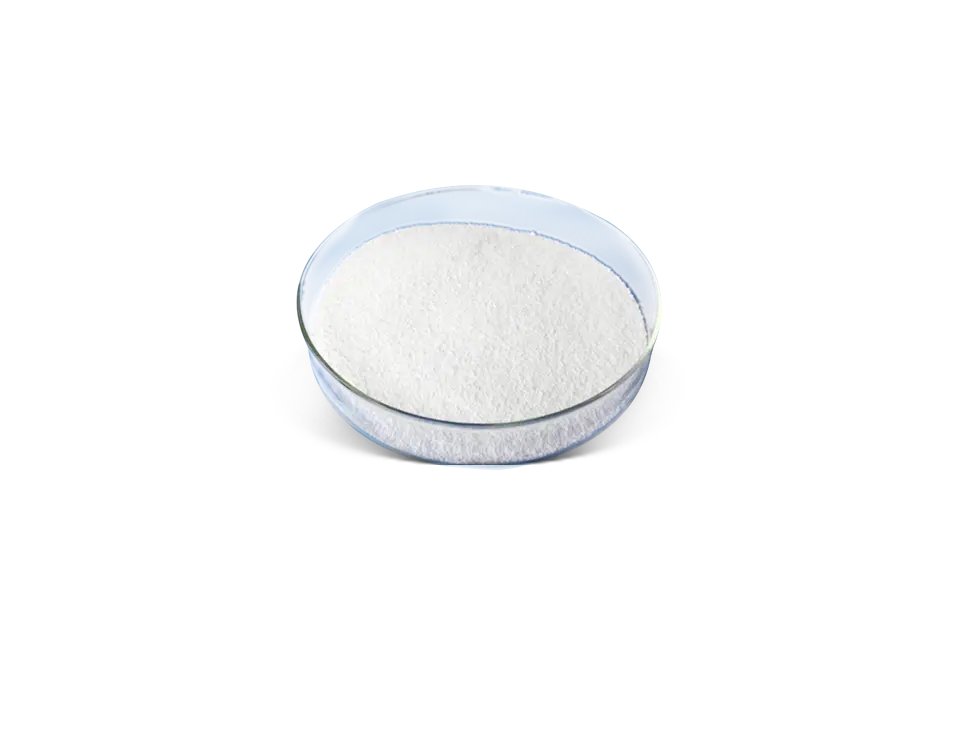
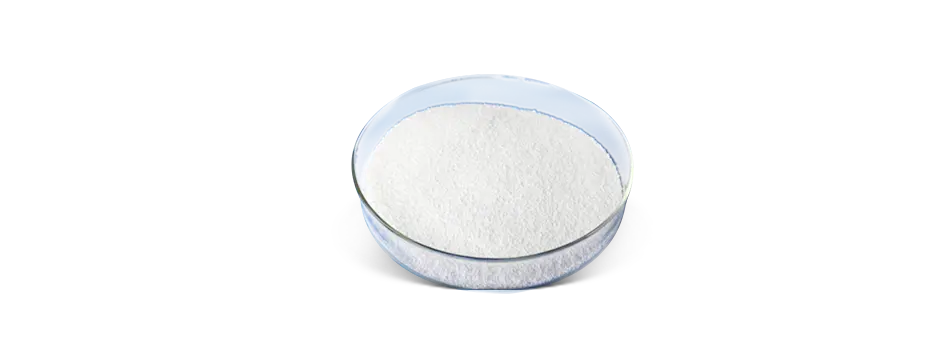
From clean power generation to heavy industry retrofitting, molten salt fluids are the backbone of high-temperature operations.
The industry standard binary solar salt (60% NaNO3 and 40% KNO3) is reliable, but its high melting temperature (~220°C) presents operational hazards. If the temperature drops below this critical threshold due to auxiliary heater failure or weather events, the fluid will solidify, causing catastrophic pipe blockages and structural damage to the thermal storage plant. Modern engineering is pushing two parallel research paths to overcome these constraints:
By blending calcium nitrate (Ca(NO3)2) or sodium nitrite (NaNO2) into the binary mixture, engineers can lower the melting point to below 130°C. For example, a eutectic mixture of NaNO3, KNO3, and Ca(NO3)2 significantly reduces the required trace heating energy and increases the operational window. However, calcium-containing salts are hygroscopic, requiring advanced refining and airtight handling processes during manufacturing and delivery.
For Gen3 CSP and high-performance nuclear systems operating at temperatures over 700°C, nitrate salts degrade rapidly. The technical roadmap is shifting toward chloride salts (such as NaCl-KCl-MgCl2 blends) and carbonate salts (Li2CO3-Na2CO3-K2CO3). While these salts provide excellent thermal stability up to 800°C, they are highly corrosive. Shanxi Vojin is actively researching advanced chemical corrosion inhibitors and grain-refining agents to control hot corrosion in chromium-nickel alloys.
High-temperature molten salts behave as active electrochemical electrolytes. At temperatures exceeding 500°C, trace levels of chloride and moisture cause intergranular corrosion and stress corrosion cracking in high-alloy steels. Vojin mitigates this by maintaining a strict chemical purification process during production, keeping chlorides under 50 ppm and moisture under 0.05% by weight. This ensures minimal degradation of structural steels over the lifetime of the project.
| Impurity Spec | Vojin Standard |
|---|---|
| Chlorides (Cl-) | < 50 ppm |
| Sulfates (SO4^2-) | < 100 ppm |
| Moisture Content | < 0.05 % |
| Insolubles | < 0.01 % |
Our decades of industrial synthesis experience and refined quality systems ensure predictable performance in challenging operating environments.
Global supply chain security is a priority for EPC contractors building multi-billion dollar CSP and industrial heating systems. A delay in the delivery of molten salt can stall commissioning, leading to significant financial penalties. Shanxi Vojin’s manufacturing footprint offers strong structural resilience for global markets.
Our facilities are located in Shanxi Province, China's largest production hub for coal-derived energy and basic chemical raw materials. This geographic location gives us direct access to essential inputs, including high-quality nitric acid, ammonium compounds, and potassium carbonate minerals. By sourcing key raw materials locally, we reduce transportation costs and protect our production cycles from global supply shocks.
Operating from a 1,000-acre manufacturing base, Vojin produces over 600,000 metric tons of nitrates and process-related chemicals annually. This scale of operation provides B2B buyers with two main advantages:
1. Volume Flexing: The ability to scale up production to meet the large-volume requirements of major utility projects (often requiring 20,000 to 50,000 tons of high-grade solar salt for a single 100MW tower plant).
2. Batch Consistency: Large, continuous processing runs minimize batch-to-batch variation, ensuring consistent chemical purity and predictable thermal performance across large shipments.
Our logistics network connects our production facilities with major deepwater ports in Northern China, including Tianjin (Port of Tianjin) and Qingdao. We offer containerized shipping with moisture-resistant barrier bags, bulk bags with protective outer coatings, and custom bulk vessel configurations to prevent moisture absorption during maritime transit.
We combine raw material access, advanced production processes, and strict quality control to support demanding industrial applications.

Integrated exporting operations ensuring safe handling, custom clearance documentation, and consistent material quality upon delivery.
Annual capacity of 600,000 tons of molten salts and industrial-grade chemical inputs to support large-scale infrastructure projects.
Experienced engineering and technical support teams available to assist with melt preparation, filling procedures, and corrosion analysis.
A diverse product portfolio including high-purity KNO3, NaNO3, and custom formulations designed to meet specific technical requirements.
Industrial applications for molten salt systems are expanding as countries seek to decarbonize high-temperature processes. Below is an overview of how molten salts are currently utilized across key global regions:
Europe's strict environmental regulations are driving demand for thermal storage solutions. Molten salts are increasingly used in Spain and Southern Europe to upgrade existing Concentrated Solar Power (CSP) plants. In Northern Europe, companies are utilizing molten salts to capture and store excess wind energy from the grid, converting it into high-pressure industrial steam for paper mills, chemical manufacturing, and district heating networks.
In the United States and Canada, molten salt technologies are primarily deployed in large-scale solar tower projects in desert regions. These plants rely on binary nitrate mixtures to provide up to 12 hours of continuous energy storage, allowing solar generation to meet evening peak demand. In addition, US research institutions are studying molten salts for use as primary coolants in next-generation modular nuclear reactors (SMRs).
The Asia-Pacific region is experiencing rapid growth in molten salt applications, driven by industrial expansion. China is leading this growth with large-scale solar projects in its western provinces, integrating CSP towers with wind and photovoltaic power plants. Furthermore, heavy industries in China and India are utilizing molten salt heat storage to replace coal-fired boilers, using clean electricity to generate process steam for steel production, chemical refining, and textile manufacturing.
Stay updated on development trends in solar thermal power, thermal energy storage materials, and global clean energy infrastructure.
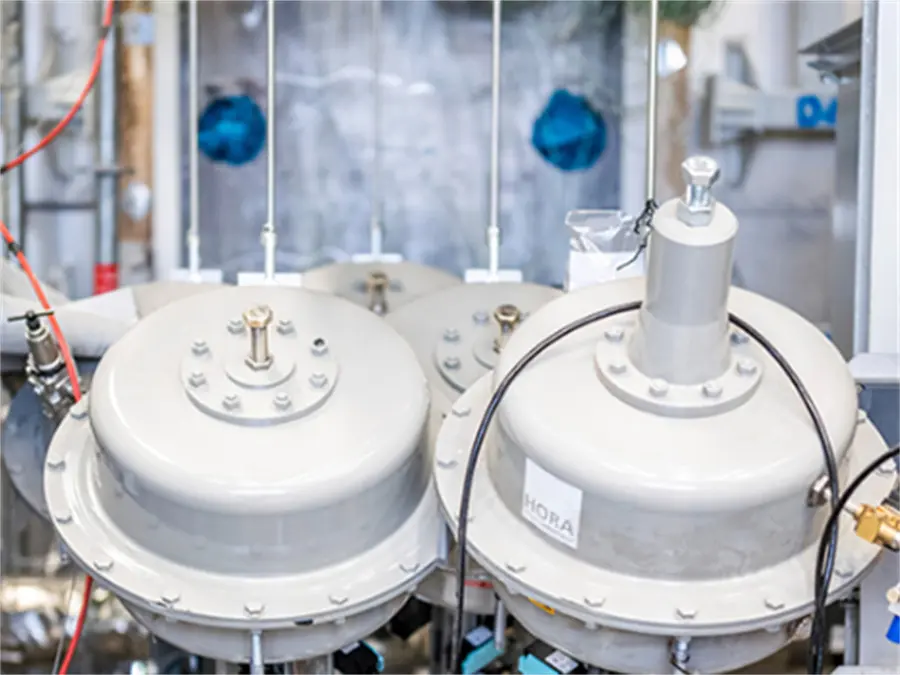
The technology can operate at higher temperatures, which has a direct impact on the efficiency of modern steam turbines...
Read More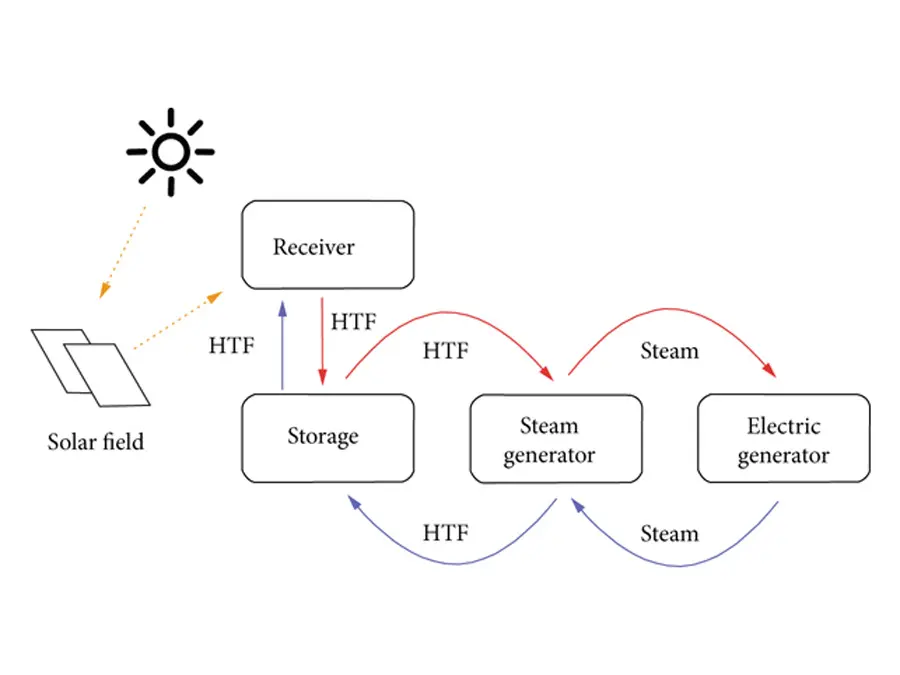
A concentrated solar power plant converts solar energy to electricity. It is based on focusing solar radiation onto receivers...
Read More
Molten salt energy storage has emerged as a promising solution for enhancing the efficiency of regional smart grids...
Read MoreWe work with EPC contractors, industrial plant operators, and agricultural distributors worldwide to deliver consistent chemical solutions.


Working in international chemical markets requires compliance with rigorous global safety and quality standards. Our manufacturing processes and logistics operations adhere to established international standards:
Our production facilities maintain ISO 9001 certification for quality management systems and ISO 14001 certification for environmental management. This structure ensures that every stage of production—from raw material screening and high-temperature synthesis to final packing—is documented, audited, and optimized for consistency.
For European buyers, REACH (Registration, Evaluation, Authorisation and Restriction of Chemicals) compliance is required for imports. Vojin maintains registration profiles for our primary potassium nitrate and sodium nitrate compounds. This ensures smooth customs clearance at European ports and verifies that our materials meet EU-standard environmental and toxicological profiles.
Every shipment is accompanied by a certified Certificate of Analysis (COA) generated by our quality control laboratory. We utilize Inductively Coupled Plasma Optical Emission Spectroscopy (ICP-OES) to monitor metallic impurities down to single-digit ppm levels. Additionally, Ion Chromatography (IC) is used to track chloride and sulfate concentrations, and automatic titrators monitor moisture levels to ensure they stay below 0.05% by weight.
Technical answers to common questions about molten salt chemistry, handling, and operation.
High-purity agricultural nutrients, specialized processing inputs, and chemical raw materials for industrial operations.
 VOJIN
VOJIN