Engineered chemicals providing extreme thermal stability, low corrosion kinetics, and exceptional heat transfer properties for utility-scale CSP installations and industrial heating loops.
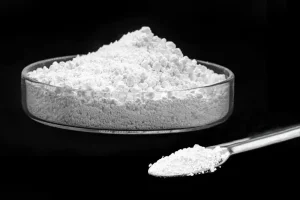
A Whitepaper on Molten Salt Thermal Energy Storage (TES) Chemistry, Global Procurement Dynamics, and China’s Factory 4.0 Supply Infrastructure
"To accelerate the global transition from fossil energy toward dispatchable clean electricity, Concentrated Solar Power (CSP) coupled with Thermal Energy Storage (TES) remains one of the few technically mature, utility-scale thermodynamic options. At the heart of this technology is the optimization of high-density molten salt formulations."
As the integration of intermittent wind and solar photovoltaic (PV) systems puts unprecedented stress on municipal power transmission networks, the demand for long-duration energy storage (LDES) has transitioned from a localized policy goal to a global engineering necessity. Conventional battery storage systems, such as lithium-ion packs, excel in short-duration frequency regulation but fail to deliver economic base-load generation over cycles spanning 8 to 24 hours. This is where molten salt thermal energy storage demonstrates its system-level advantage.
By leveraging the high heat capacity and exceptional thermal conductivity of eutectic nitrate mixtures, CSP plants and industrial process operators can capture surplus solar flux or off-peak grid power and store it as high-temperature sensible heat. When demand peaks or solar DNI drops, this thermal fluid flows through high-efficiency heat exchangers to generate superheated steam, driving conventional steam turbines with minimal energy degradation. Today, these systems operate reliably in hyper-arid desert zones, high-altitude industrial corridors, and decommissioned thermal power plants undergoing transition to clean thermodynamic batteries.
The performance of any molten salt storage system is directly dictated by the purity and composition of its chemical inventory. The most widely adopted commercial configuration is "Solar Salt", a binary eutectic mixture of 60% Sodium Nitrate (NaNO₃) and 40% Potassium Nitrate (KNO₃). This system features a melting point of approximately 220°C (428°F) and exhibits thermal stability up to 565°C (1049°F).
Maintaining operating specifications within this tight thermal window requires strict mitigation of trace chemical impurities. Specifically, chloride (Cl⁻) and sulfate (SO₄²⁻) concentrations must be restricted to minimal fractional values. In high-temperature molten environments, trace chlorides rapidly accelerate the corrosion rate of typical chromium-nickel alloy piping, heat exchanger tubes, and containment tanks. Under thermal cycles, contaminated salts can induce pitting, stress corrosion cracking (SCC), and eventual catastrophic structural failures. As a leading manufacturer, Vojin New Materials employs advanced synthesis and crystallization technologies to ensure that our molten salts consistently feature ultra-low halide contents, dramatically extending the operational lifespan of downstream mechanical assets.
Global procurement offices evaluating molten salt suppliers must prioritize technical verification over simple price metrics. Essential criteria include:
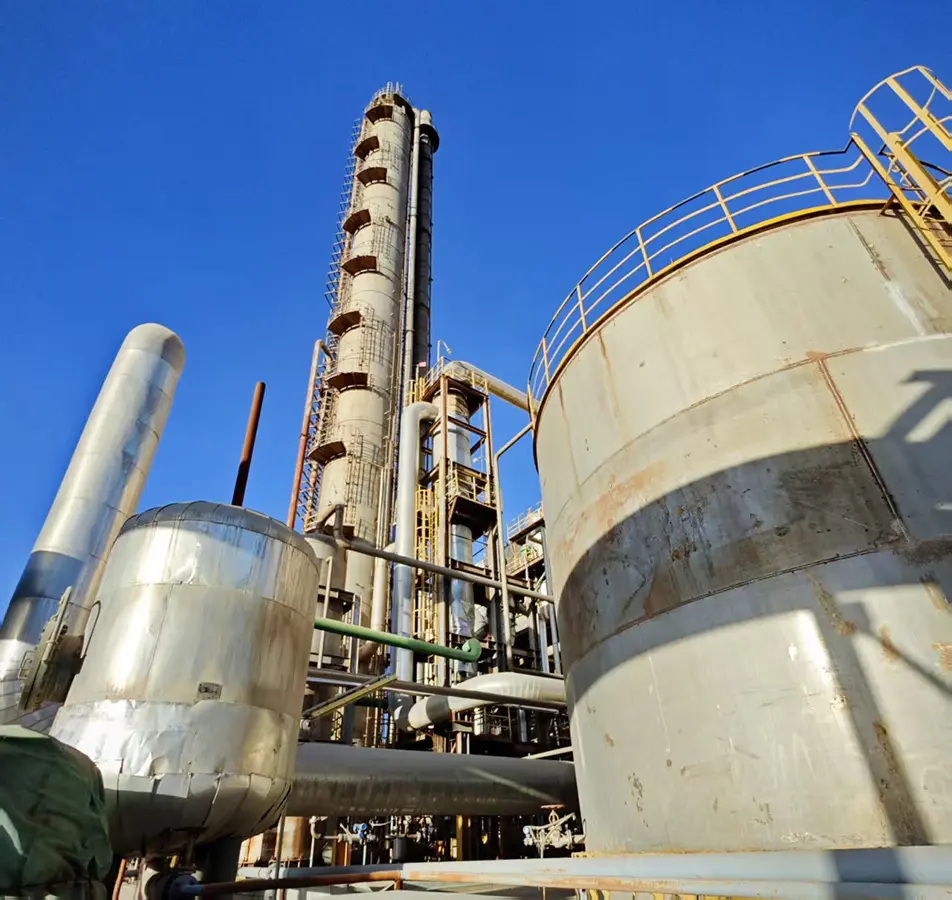
How Shanxi Vojin New Materials integrates digital processing and massive mineral scale to secure the global clean energy pipeline.
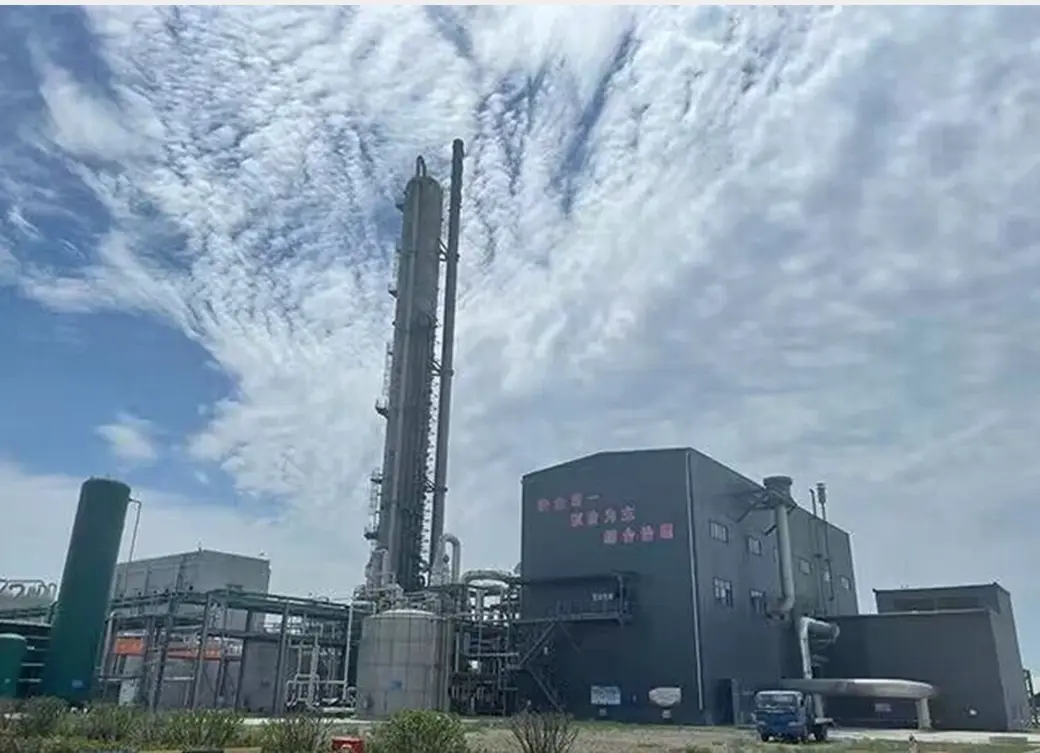
Shanxi Vojin New Materials Co., Ltd. represents the absolute state-of-the-art in precision industrial chemical production. Operating from the mineral-rich Shanxi province, our facilities leverage direct access to high-quality raw chemical feedstocks, eliminating upstream supply vulnerabilities. Our factories integrate automated crystallization lines, real-time purity monitoring, and dust-controlled packaging technology to deliver absolute batch-to-batch consistency.
With a massive annual output reaching 600,000 Tons, we possess the execution capability to support multiple utility-scale projects concurrently. From early laboratory verification to trans-oceanic dry bulk shipping and hot-commissioning technical support, Vojin is the standard of reliability in international thermal energy markets.
Our comprehensive production runs satisfy requirements across thermal energy, high-efficiency agricultural chemistry, and manufacturing sectors.
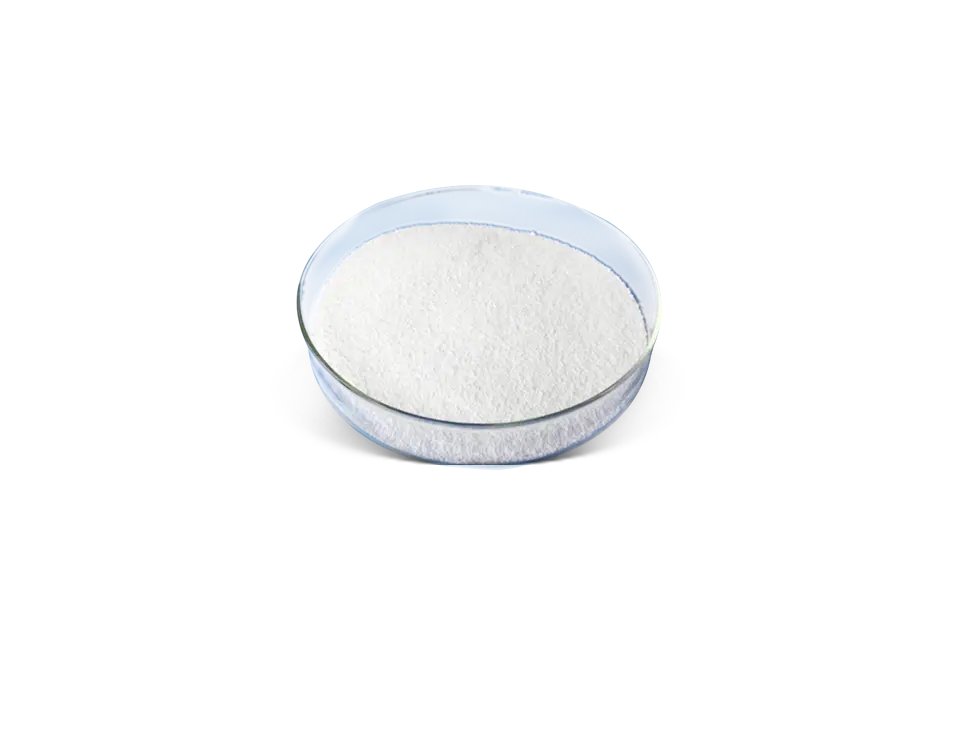
High purity nitrate formulations serving as primary heat transfer fluids and heat storage media for CSP plants.

Highly soluble macro and microelement agricultural chemical compounds designed for modern fertigation.
Secondary refined inorganic compounds serving various metallurgical, glass-making and industrial applications.
Optimizing heat transport across diverse thermodynamic systems, extreme environments, and heavy industries.
How we ensure continuous material quality and rapid response for high-stakes thermal storage pipelines.

Integrated expertise on global exporting logistics. We secure hassle-free customs clearance and transit monitoring for massive industrial shipments.

With an annual output of over 600,000 Tons of molten salts and related nitrates, we easily absorb fluctuations in global market demand.
Our dedicated engineering and technical teams provide quick response, thermal compatibility analysis, and custom blending services.
We provide a comprehensive selection of inorganic compounds including Potassium Nitrate, Sodium Nitrate, and Carbonates tailored to custom specifications.
Find technical answers compiled by our senior industrial chemists regarding solar salt dynamics, system safety, and project integration.
For standard utility-scale concentrated solar power towers, binary solar salt (60% NaNO₃ + 40% KNO₃) must maintain a minimum purity of 99.5%, with some high-temperature towers requiring 99.7%. Most importantly, corrosive impurities must be strictly limited: Chlorides (Cl⁻) should be kept under 50–100 ppm, and moisture content must be below 0.05% weight. High moisture levels lead to hydrolytic acid formation at elevated temperatures, causing severe damage to pipe linings.
We leverage advanced fractional crystallization processes. Because potassium nitrate and sodium nitrate have differing temperature-solubility curves, we precisely cycle crystallization temperatures to drop out impurities. In addition, our raw minerals undergo multi-stage aqueous refining. We perform continuous automated ion-chromatography analysis throughout the production line to reject any batch exceeding strict threshold criteria before it enters the storage bins.
If binary solar salt drops below 220°C, it enters a solid crystalline phase. Freezing inside structural loops can block pipelines, damage heat exchangers, and warp valves due to material expansion stress. Modern plants utilize automated heat-tracing systems (electric impedance or resistive heating) along with high-efficiency thermal insulation to maintain salt temp at a minimum of 240°C during standby mode.
To operate at temperatures above 565°C without nitrate decomposition, researchers and engineers utilize ternary systems or carbonate/chloride eutectic mixtures. Adding Lithium Nitrate (LiNO₃) reduces the melting point to roughly 120°C, though it is more expensive. Carbonate salts (e.g., sodium, potassium, and lithium carbonates) offer thermal stability up to 800°C but present higher melting points and challenging viscosity behaviors, making binary nitrate mixtures the current gold standard for economic commercial application.
We supply molten salt in 25kg, 500kg, and 1,000kg moisture-barrier woven jumbo bags with thick polyethylene inner liners. This design prevents atmospheric humidity absorption during maritime transport. For large-scale projects, we also arrange specialized dry-bulk containers with pneumatic unloading mechanisms to transport high-tonnage shipments directly to the chemical melting station at the project site.
Catch up on recent insights, project commissionings, and thermodynamic breakthroughs.
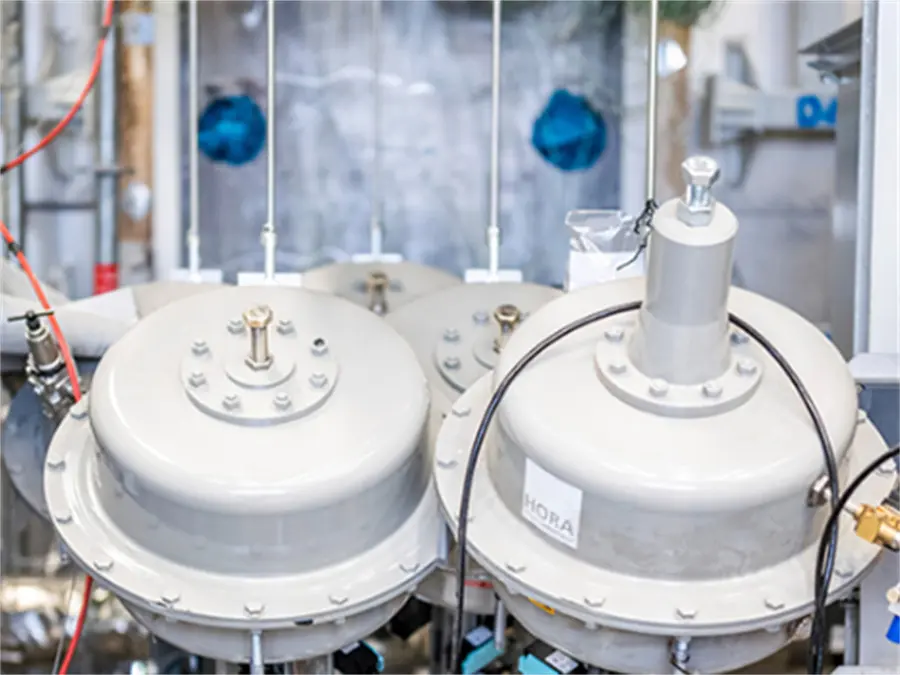
Modern solar salts are being optimized to operate at higher temperature thresholds, which directly impacts the efficiency of downstream supercritical carbon dioxide (sCO2) turbine systems...
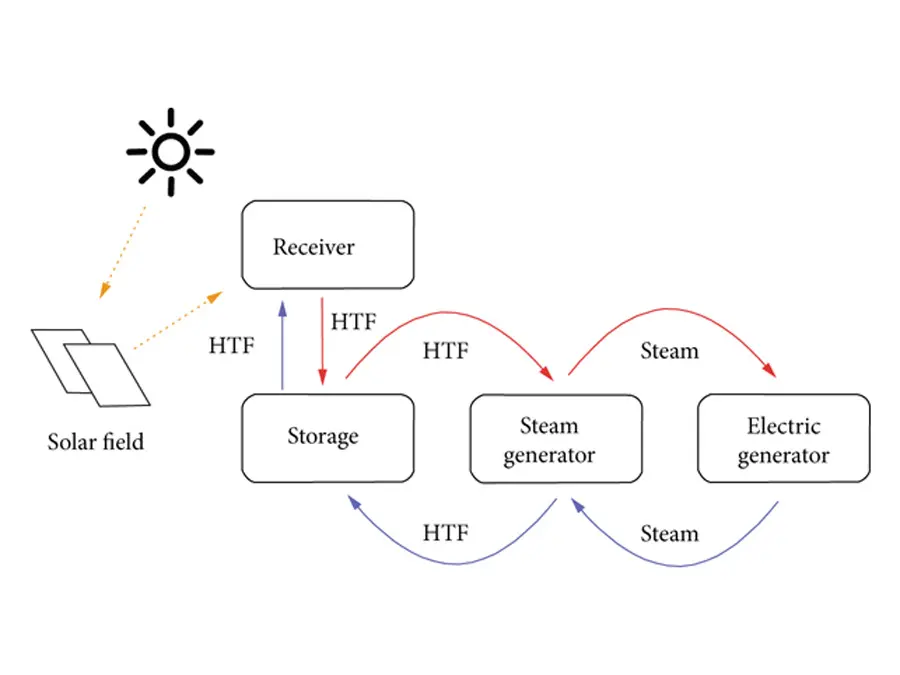
A concentrated solar power plant converts solar energy to electricity. It is based on tracking systems, heliostats, and tower thermal receivers using high-performance chemical blends...

Molten salt energy storage has emerged as a promising solution for enhancing grid stability, decoupling heat generation from instantaneous power consumption...
A comprehensive inventory of high-solubility compounds, water purification chemicals, and agricultural-grade fertilizers manufactured under rigorous quality-control systems.
Securing key partnerships with leading engineering firms, construction companies, and global distribution groups.







 VOJIN
VOJIN