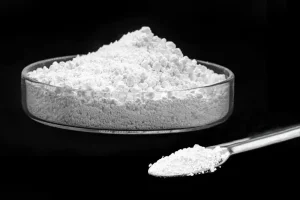
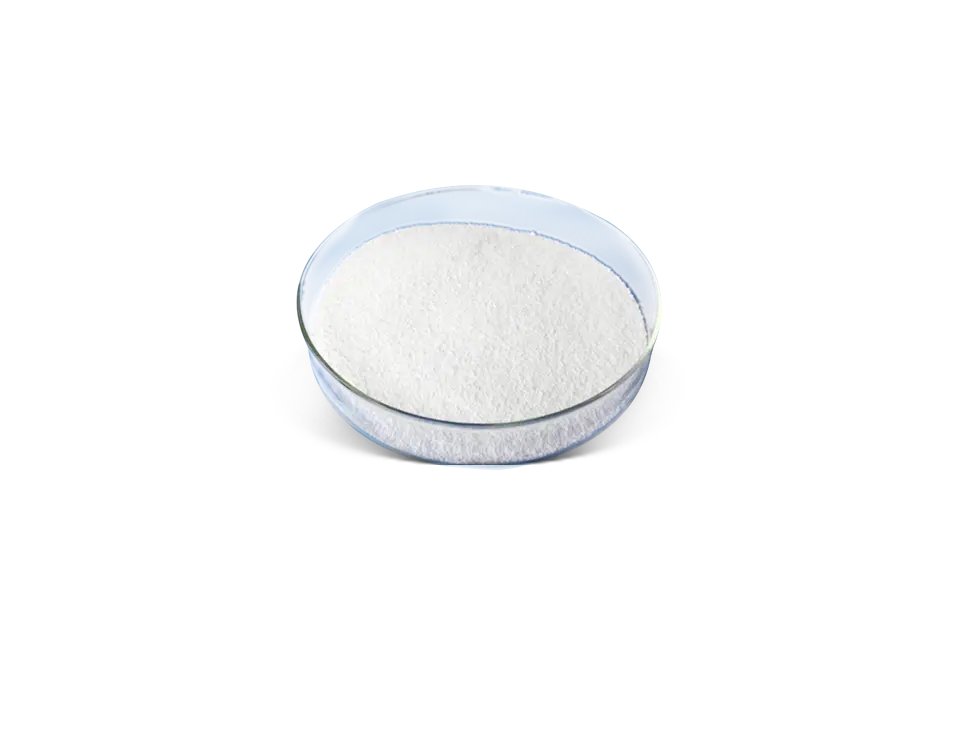
Explore our high-purity nitrate salts and industrial-grade chemicals engineered for concentrated solar power (CSP) and manufacturing.
In the transition toward carbon neutrality, thermal energy storage (TES) has become a key element for grid stability and green industrial manufacturing. As a dominant medium for solar thermal electricity generation (CSP) and high-temperature process heating, molten salts demand incredibly precise distribution architectures. Molten salt distributors and internal manifolds serve as the vascular system of hot storage tanks and steam generator circuits. They must deliver uniform flow rates under temperatures that frequently exceed 560°C, all while operating inside highly corrosive nitrate or chloride salt environments.
“Uniform flow and thermal gradient control are essential to prevent freezing points (below 220°C) and avoid structural creep or fatigue in high-performance molten salt loops.”
A molten salt distributor system is not simply piping; it is a custom-engineered fluid-distribution network. The system is designed to handle binary mixtures, such as 60% sodium nitrate (NaNO3) and 40% potassium nitrate (KNO3), or advanced ternary mixtures containing calcium nitrate [Ca(NO3)2]. The design challenges focus on two critical issues: thermal expansion management and shear-induced corrosion prevention.
To keep flow distribution uniform across large tank diameters, engineers rely on sophisticated CFD (Computational Fluid Dynamics) modeling. Distributors must accommodate high flow rates while keeping pressure drop low. This prevents hot spots inside the heat exchanger bundle and mitigates cold spots near the tank base, where the salt could solidify.
Our distribution systems and high-purity chemical media are deployed across critical global sectors to optimize energy transformation and process efficiency.
Enabling 24/7 Concentrated Solar Power (CSP) plants by distributing solar salt safely between cold (290°C) and hot (565°C) storage tanks, ensuring continuous electricity generation.
High-purity potassium nitrate acts as a chemical strengthening agent for ultra-thin cover glass, utilizing molten salt baths to achieve exceptional scratch resistance.
Delivering high-temperature process heat for chemical production facilities, coal-to-liquids conversion, and large-scale industrial heating loops without high steam pressures.
Using refined nitrate-based byproducts for advanced, water-soluble fertilizers that optimize nitrogen and potassium delivery to crops under high-yield farming methods.
China has become the global hub for molten salt chemistry and equipment manufacturing, driven by robust industrial infrastructure and proximity to essential raw materials. China's factories provide a significant cost advantage while matching or exceeding Western standards for material purity and manufacturing quality. This balance of cost and quality is supported by three main pillars:
Shanxi Province is a global center for inorganic salt manufacturing. By sourcing raw materials like potassium nitrate, sodium nitrate, and sodium nitrite locally, Shanxi Vojin New Materials reduces long-distance transportation costs and supply chain risks. This localized sourcing model also minimizes carbon emissions during production, supporting green energy initiatives.
With an annual capacity of 600,000 tons, Chinese factories utilize highly automated crystallization and purification processes. This automation ensures consistency across production runs, keeping impurities like chlorides (Cl-) and carbonates (CO3^2-) below 100 ppm—a crucial factor for preventing corrosion in solar thermal energy storage tanks.
China's heavy industrial zones feature advanced fabrication facilities specialized in working with high-nickel alloys and stainless steels. Equipped with automated orbital welding, vacuum testing, and non-destructive examination (NDE) methods, Chinese factories manufacture complex internal distributor arrays to precise mechanical tolerances.
We combine advanced engineering with high-capacity chemical manufacturing to deliver reliable thermal energy solutions worldwide.
Why global EPC contractors and industrial chemical purchasers trust Shanxi Vojin.

Integrated experience on exporting operation. Always assure your customers good quality and smooth customs logistics.
Annual output of 600,000 tons of molten salts, supporting large-scale utility and industrial projects.
Experienced technical support and service teams offering quick responses and customized system design solutions.
A broad portfolio including KNO3, NaNO3, and customized ternary salts to meet diverse client requirements.
Procuring molten salt distributors and raw salts requires rigorous quality assurance. When sourcing high-temperature media, procurement teams must evaluate the chemical profile of the salts alongside the mechanical design of the distribution equipment. Below are the key metrics used by international buyers during the technical evaluation process:
Minimizing corrosive impurities is the primary way to extend the lifespan of storage tanks and distribution manifolds. Halides, particularly chloride (Cl-) and sulfate (SO4^2-) ions, break down the passive chromium oxide layer on stainless steels, leading to pitting and stress corrosion cracking (SCC) at high temperatures.
For custom-designed internal distributors, standard pressure tests are insufficient. Manufacturers must provide comprehensive documentation, including:

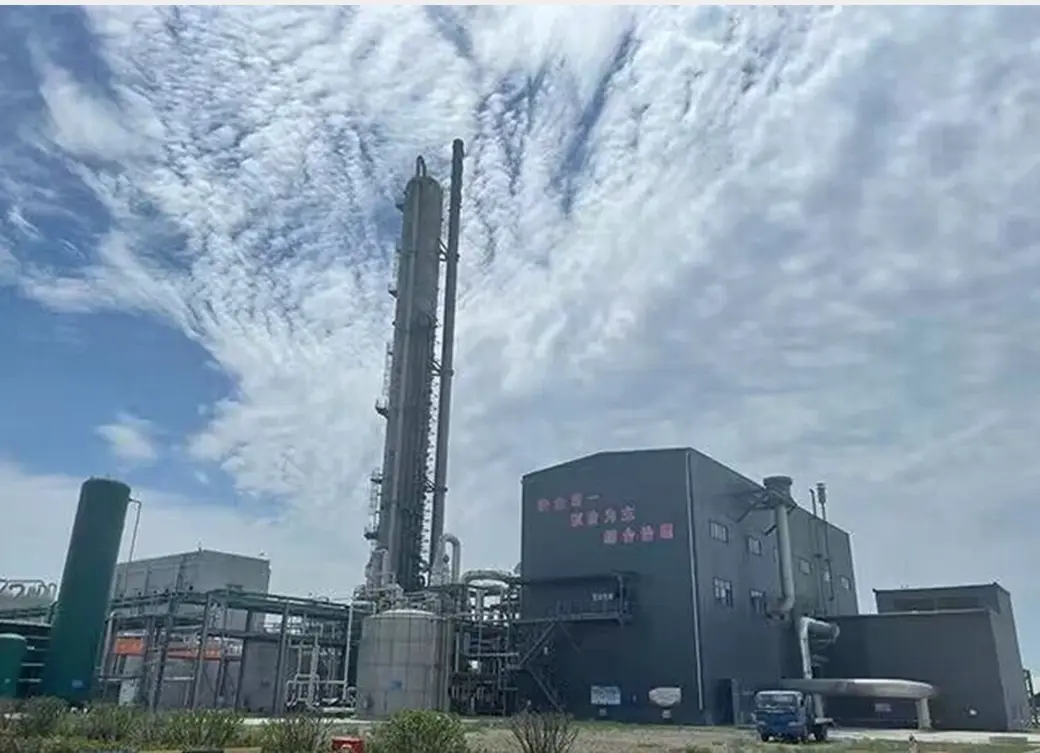
Established in 2010 with foundations dating back to 2000, Shanxi Vojin New Materials Co., Ltd. is committed to innovation and high-quality production in the thermal energy storage and water-soluble fertilizer industries. Located in Shanxi's chemical industrial zone, we utilize local resources to supply premium chemical products and engineering solutions to clients globally.
Our experienced technical team is focused on delivering reliable products that meet strict international standards, supporting the transition to clean energy and advanced agricultural methods.
Learn MoreThe thermal energy storage sector is shifting toward higher operating temperatures to improve power cycle efficiency (such as supercritical CO2 power cycles). This transition requires advancements in both chemical formulations and distribution hardware:
Modern industrial facilities are combining solar thermal input with waste heat recovery and wind power. Molten salt distribution loops are evolving into multi-source systems that can dynamically route heat depending on energy pricing and availability.
Standard binary solar salt performs well up to 565°C, but solidifies at 220°C. New salt formulations incorporating calcium nitrate, lithium nitrate, or chlorides lower the melting point to under 120°C while maintaining stability up to 600°C. These lower melting points significantly reduce the energy needed for heat-tracing systems, making the overall plant more efficient.
Next-generation distributors are being designed with integrated, high-temperature optical fiber sensors to monitor flow rates, pressure drops, and localized thermal gradients in real-time. This active monitoring allows operators to detect flow imbalances or localized freezing risks early, preventing unplanned downtime.
Stay updated with our latest insights, technological breakthroughs, and developments in thermal energy storage.
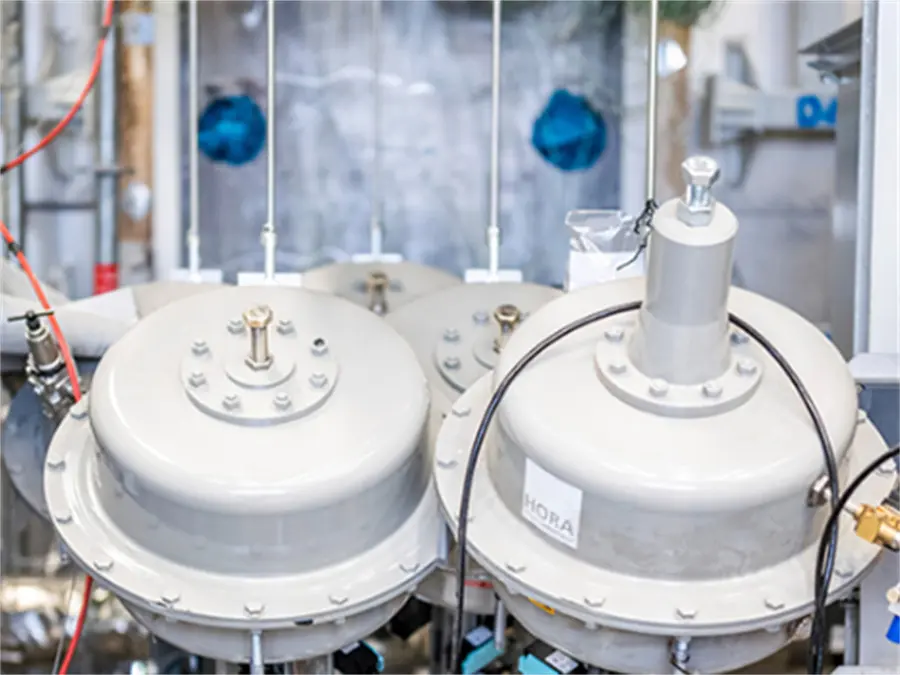
Modern solar thermal technologies operate at higher temperatures, directly improving steam turbine efficiency and grid stability...
Read More →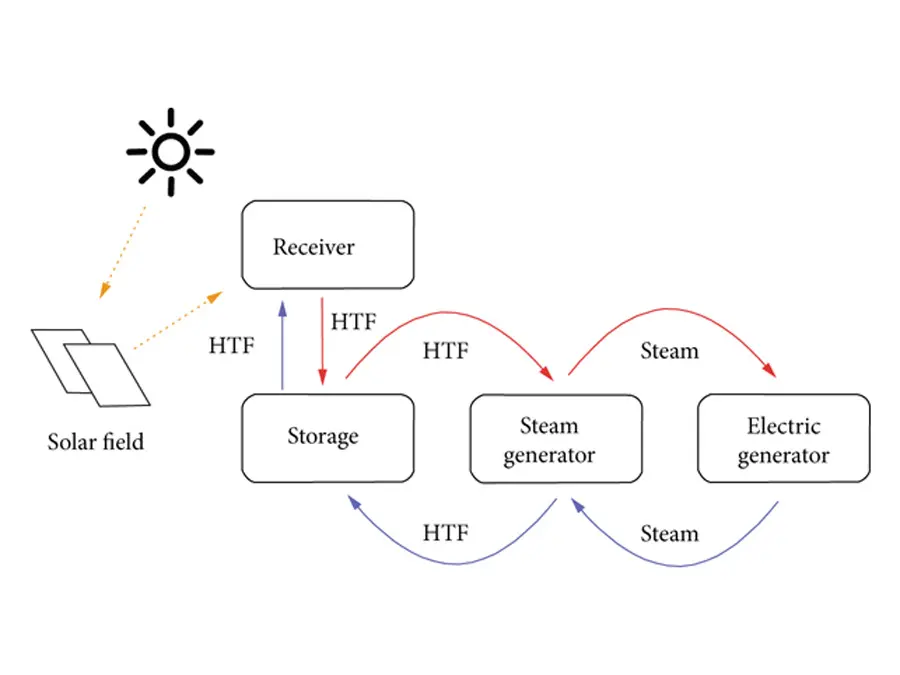
Concentrated solar plants convert thermal energy to electricity using molten salts as the heat transfer fluid...
Read More →
Molten salt thermal energy storage has emerged as a reliable solution for clean energy integration and process heat applications...
Read More →Common technical and procurement inquiries regarding molten salt chemistry, distributor engineering, and factory capabilities.
We work closely with global engineering, procurement, and construction (EPC) companies to deliver high-quality thermal energy solutions.



Explore our full range of potassium, sodium, and calcium derivatives for industrial and agricultural applications.
 VOJIN
VOJIN