High-purity chemical compounds manufactured to international standards for agriculture, industry, and thermal applications.
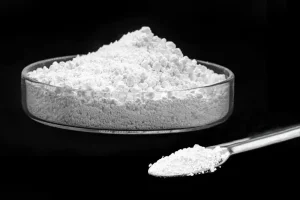
In high-yield tomato cultivation, physiological stability, cellular integrity, and nutrient uptake velocity are key determinants of marketability. Solanum lycopersicum is particularly susceptible to calcium deficiencies. These deficiencies present physically as Blossom-End Rot (BER), a cellular collapse at the distal end of the fruit that renders the yield unmarketable. Because calcium ($Ca^{2+}$) is transport-limited and moves almost exclusively through the xylem via transpirational pull, the chemical format of the calcium source is highly critical. Calcium Nitrate ($Ca(NO_3)_2$) is the only commercially viable, fully water-soluble calcium source that provides immediate biological availability without altering soil pH or introducing harmful chlorides or sulfates.
Chemically, Calcium Nitrate integrates dual-action nutrition. It pairs highly soluble calcium with nitric nitrogen ($NO_3^-$), which is the preferred nitrogen source for tomatoes. Unlike ammoniacal nitrogen ($NH_4^+$), which directly competes with calcium at root uptake sites, nitric nitrogen promotes the synergistic uptake of divalent cations ($Ca^{2+}$, $Mg^{2+}$). This cationic balance strengthens the middle lamella of cell walls, increases resistance to bacterial pathogens (like *Ralstonia solanacearum*), and improves the shelf life of the fruit.
Modern commercial tomato growers—ranging from glasshouse hydroponics facilities in the Netherlands and Almeria, Spain, to open-field processors across California and Western Australia—face volatile input costs and rigorous food safety requirements. As global supply lines shift, sourcing Calcium Nitrate directly from established Chinese factories provides significant strategic and commercial advantages. Shanxi province stands as the world's leading hub for nitrate salt production. This concentration provides raw material integration (nitric acid and synthetic ammonia), highly efficient coal-gasification energy structures, and established freight routes to major international ports like Tianjin and Qingdao.
For B2B procurement managers, sourcing Calcium Nitrate from China involves evaluating several key technical parameters:
Hydroponic-grade calcium nitrate requires complete water solubility with zero water-insoluble residue (<0.1%) to prevent clogging drip emitters and micro-irrigation nozzles. Anhydrous variations and refined double salts are tailored to minimize moisture absorption during transport.
Strict regulatory bodies such as the European Chemicals Agency (ECHA) and United States EPA require extremely low levels of arsenic, cadmium, lead, and chromium. Premium Chinese export lines provide batch-level SGS or Intertek certifications to ensure clean inputs for edible crops.
Calcium nitrate is highly hygroscopic. It easily absorbs ambient moisture, leading to clumping and handling issues. Advanced factories use physical prilling with specialized organic anti-caking coatings and moisture-barrier PE/PP laminated bulk bags to maintain flowability in humid port environments.
Expanding the application range of nitrates and specialty chemicals from high-yield farming to advanced thermal energy storage.
The manufacturing of calcium nitrate generally follows one of two routes: the direct reaction of calcium carbonate (limestone) with nitric acid, or as a co-product of the Odda process (nitrophosphate extraction from phosphate rock). The direct neutralization pathway, utilized by top-tier suppliers like Shanxi Vojin New Materials, results in a highly pure compound. The chemical reaction is carefully controlled:
CaCO₃ (s) + 2HNO₃ (aq) → Ca(NO₃)₂ (aq) + CO₂ (g) + H₂O (l)
Post-neutralization, the solution goes through multi-stage filtration to remove acid-insoluble impurities. It is then concentrated in evaporator loops before prilling or crystallization. To produce agricultural-grade calcium ammonium nitrate (CAN) or double salt configurations (which are less hygroscopic), ammonium nitrate is added to form a complex: $5Ca(NO_3)_2 \cdot NH_4NO_3 \cdot 10H_2O$. This formula balances calcium content (typically 19% Ca) with total nitrogen (around 15.5%, primarily nitric nitrogen with a small portion of ammoniacal nitrogen).
To maximize commercial tomato crops in soil, substrate, or hydroponic systems, precise dosing schedules are required. Over-application of nitrogen can cause excessive vegetative growth at the expense of fruit set, while insufficient calcium immediately increases the rate of Blossom-End Rot (BER). The table below outlines a typical fertigation schedule based on tomato growth stages:
| Crop Growth Stage | Primary Nutrient Goal | Recommended Calcium Nitrate Concentration | Agronomic Impact |
|---|---|---|---|
| Post-Transplant / Vegetative | Root development & structural growth | 50–75 ppm Ca (diluted in irrigation) | Builds plant framework, prevents early calcium deficiencies. |
| Flowering & Fruit Set | Cell division and pollen viability | 100–125 ppm Ca | Ensures optimal pollination and initial fruit structure. |
| Fruit Swelling to Harvest | Cellular density & post-harvest stability | 150–200 ppm Ca | Reduces BER risk under high transpirational demand. |
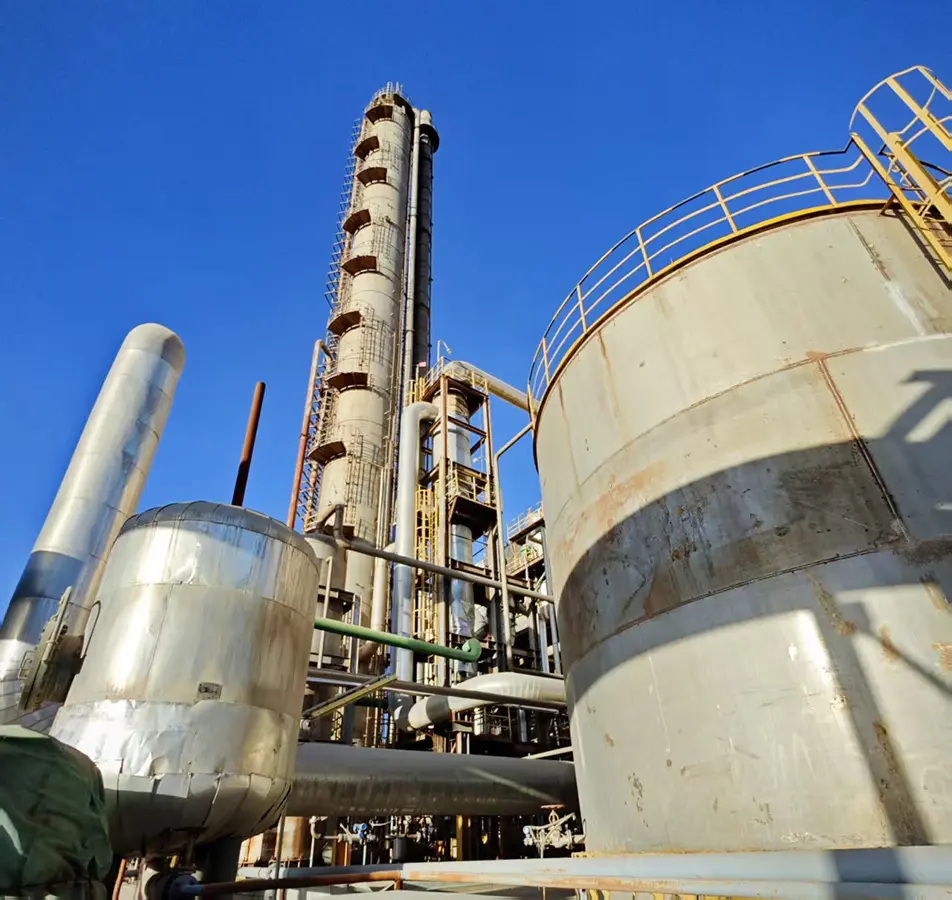
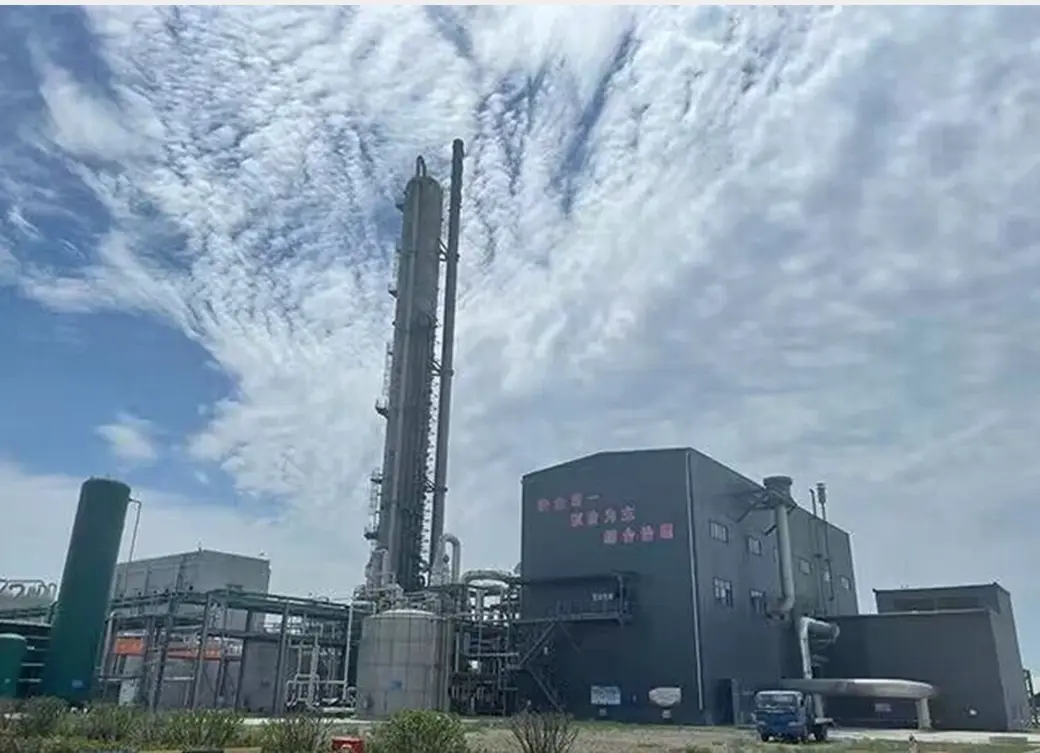
Established with a commitment to high-purity inorganic chemicals, Shanxi Vojin New Materials has become a key manufacturer of solar molten salts, agricultural water-soluble fertilizers, and custom industrial compounds. Our manufacturing processes utilize automated crystallization, gas-fired calcination, and advanced heavy metal extraction systems.
Located in the heart of China's energy chemical production base, we operate under strict environmental and quality management guidelines (including ISO 9001:2015 and ISO 14001:2015 certifications). We prioritize local logistics and bulk storage at ports to ensure timely delivery to agricultural distributors, greenhouse developers, and industrial manufacturing plants worldwide.
View Corporate ProfileWhy commercial chemical buyers and agricultural enterprises partner with us for bulk nitrate supply.

Over a decade of direct export experience. We manage shipping logistics, customs clearance, and marine cargo insurance to ensure smooth transit.
With an annual capacity of 600,000 tons of molten salts and technical agricultural nitrates, we support steady supply volumes for bulk distributors.
Our lab technicians and engineers provide direct assistance with water solubility profiles, custom blends, and anti-caking solutions.
We produce a wide variety of compounds, including KNO₃ and NaNO₃, allowing customers to source all essential nitrate salts from a single manufacturer.
As the international fertilizer sector moves toward lower environmental impact, manufacturing processes are shifting. Traditional nitrate synthesis depends on fossil fuel-derived ammonia, which contributes to greenhouse gas emissions. The future of Calcium Nitrate production involves integrating green ammonia—synthesized using green hydrogen from renewable energy sources like wind and solar—with industrial carbon capture systems.
Additionally, precision agriculture technologies are changing how calcium nitrate is applied. Automated drip systems and IoT-enabled soil moisture sensors allow for real-time adjustments to electrical conductivity (EC) and pH in irrigation water. This targeted approach prevents nutrient runoff, protects groundwater resources, and ensures that tomato crops receive precise nutrient ratios at each growth stage. For high-tech greenhouse operations, combining high-purity, fully soluble Calcium Nitrate with modern sensors is essential for optimizing crop yields and resources.
Stay up to date with international trends in molten salt technology, green fertilizers, and smart agricultural chemistry.
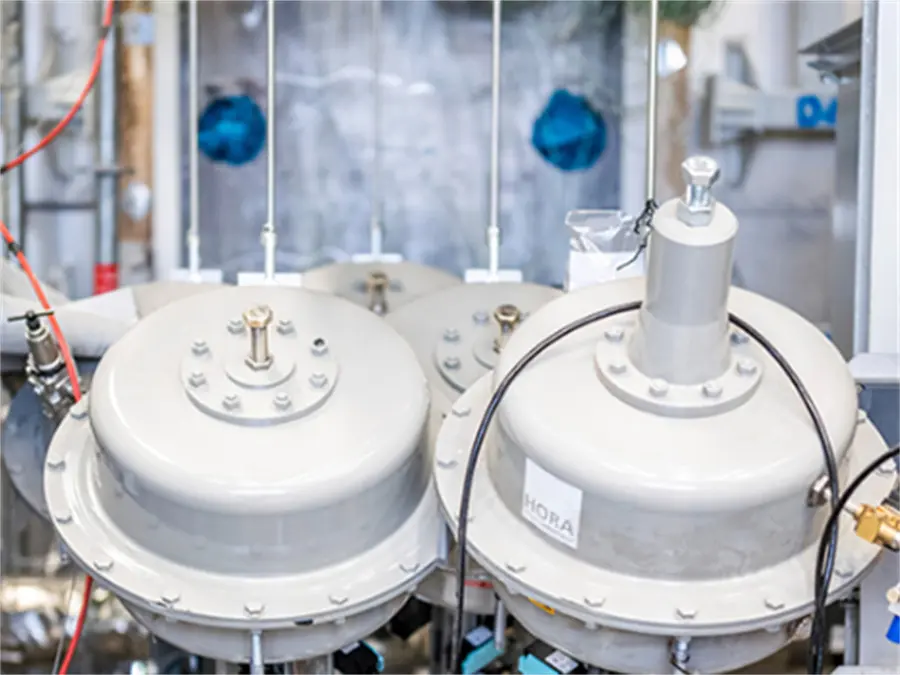
Developing new nitrate formulations that operate at elevated temperatures to increase thermodynamic efficiency in solar plants...
Read Full Report →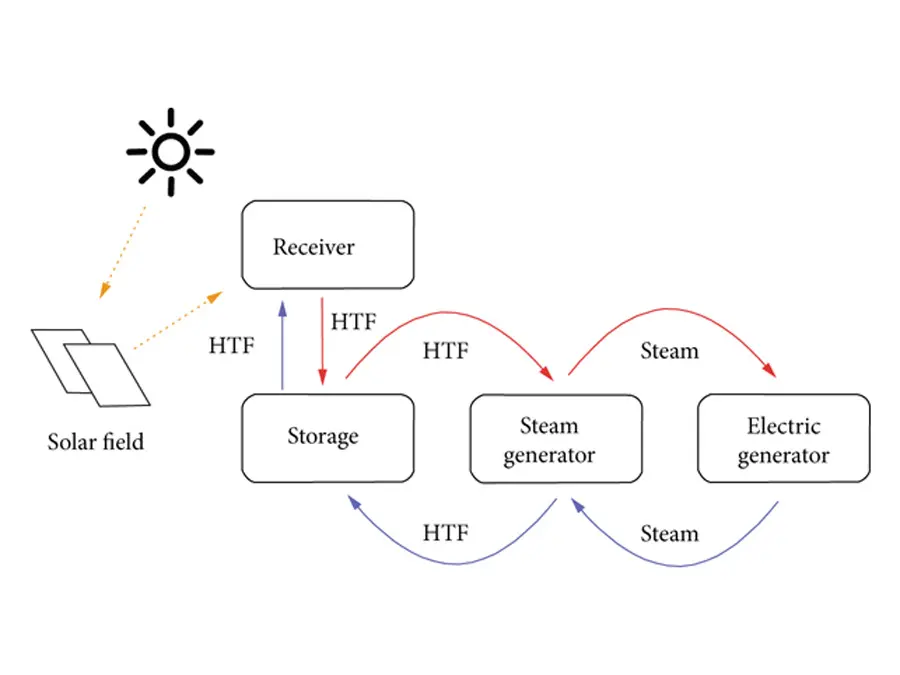
An analysis of concentrated solar thermal systems and the performance profile of commercial-grade sodium and potassium nitrates...
Read Full Report →
Investigating how advanced storage mixtures are stabilizing renewable grids and lowering operating costs across the sector...
Read Full Report →



Technical specifications and custom concentrations for advanced agricultural and industrial applications.
 VOJIN
VOJIN