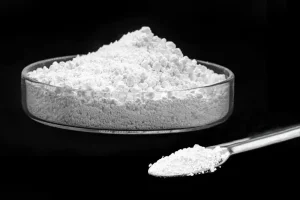
Direct from Shanxi Vojin New Materials — Exporting ultra-high purity industrial nitrates and agricultural agents to over 40 countries.
Molten salt technology represents a cornerstone of the modern clean energy transition and advanced manufacturing sectors. As a thermal energy storage (TES) medium, industrial molten salts are primarily composed of high-purity inorganic nitrates, notably Sodium Nitrate (NaNO3) and Potassium Nitrate (KNO3). For global logistics, tariff assessments, and regulatory compliance, classifying these compounds under the correct Harmonized System (HS) codes is crucial for frictionless cross-border operations.
Generally, molten salts do not fall under a single general classification, but rather their individual chemical components or specifically engineered mixtures are designated as follows:
To optimize thermal performance and prevent heat exchanger corrosion, molten salts demand extremely low impurity thresholds, specifically restricting moisture, chloride (Cl-), and sulfate (SO42-) content. Shanxi Vojin New Materials Co., Ltd. produces specialized molten-grade salts with purities exceeding 99.8%, mitigating long-term corrosion risks within Concentrated Solar Power (CSP) systems and thermal storage loops.
| Property | Solar Grade NaNO3 | Solar Grade KNO3 |
|---|---|---|
| Purity (Dry Basis) | ≥ 99.8% | ≥ 99.7% |
| Chloride Content | ≤ 0.01% | ≤ 0.02% |
| Moisture Content | ≤ 0.05% | ≤ 0.05% |
| Melting Point | 308 °C | 334 °C |
How different regions and industries adapt thermal energy storage and nitrate salts for specific engineering demands.
In regions with high direct normal irradiance (such as the Mojave Desert, USA; Andalusia, Spain; and Northwest China), binary molten salts circulate through solar tower receivers, absorbing heat up to 565°C and storing it to provide 24/7 baseload renewable electricity.
In major electronics manufacturing clusters across East Asia, high-purity potassium nitrate (KNO3) is melted in baths to chemically strengthen glass panels for smartphones and advanced displays via potassium-sodium ion exchange.
Replacing coal boilers in European and North American industrial parks, molten salt thermal loops utilize cheap off-peak wind or solar power to heat salt reserves, providing continuous, high-temperature zero-carbon process heat.
Using ultra-soluble nitrogen-potassium fertilizers developed from nitrate production by-products, automated drip irrigation systems in modern greenhouses across Israel, China, and the Netherlands optimize crop nutrition yields.
Continuous evolution in chemical formulations and thermal storage physics designed to optimize plant lifetimes and efficiency parameters.
Standard solar salt freezes at 220°C, requiring continuous parasitic heating to prevent line solidification. The next-generation roadmap explores adding Calcium Nitrate [Ca(NO3)2] or Lithium Nitrate [LiNO3] to reduce the melting point down to 100°C–120°C, massively expanding the operational window.
By doping molten nitrates with silica or alumina nanoparticles, scientists can enhance the specific heat capacity by up to 15%. Additionally, maintaining low-impurity chemical environments prevents intergranular corrosion in stainless steel piping.
Future Gen-IV nuclear designs rely on molten fluoride and chloride salts as primary coolants. While different from solar nitrate salts, the chemical processing, handling under high heat, and containment technologies share deep structural linkages.
Empowering the global transition to sustainable engineering through large-scale, quality-driven nitrate manufacturing since 2000.
The global demand for molten salts requires suppliers capable of delivering tens of thousands of tons of high-grade material within tight construction schedules. Shanxi Vojin New Materials Co., Ltd. benefits from a highly integrated local industrial ecosystem:
We leverage advanced gas-fired rotary crystallization and multi-stage centrifugation to isolate pure nitrates from impurities like sodium chloride and sulfates. Our dedicated laboratory uses ICP-MS and ion chromatography to analyze every batch, ensuring compliance with strict EPC engineering standards for Concentrated Solar Power (CSP) facilities.
Integrated operation exporting over 600,000 tons of high-purity inorganic salts annually.
Experienced technical engineers offering comprehensive on-site salt melting and logistics guidance.
Navigating the complex international legal frameworks governing the transport and application of class 5.1 oxidizing substances.
Sodium Nitrate and Potassium Nitrate are classified as UN 1498 and UN 1486 (Class 5.1 Oxidizers) respectively. Vojin complies strictly with the International Maritime Dangerous Goods (IMDG) Code, providing reinforced woven packaging bags with moisture-barrier liners to prevent moisture ingress and clumping.
For European clients, our chemical products undergo registration under the Registration, Evaluation, Authorisation and Restriction of Chemicals (REACH) regulations. This ensures environmental safety, transparency, and unhindered entry into all EU member states.
We provide localized, multi-language Globally Harmonized System Safety Data Sheets (GHS SDS) addressing toxicity, chemical compatibility (especially avoiding organic material contact), emergency firefighting procedures, and safe storage requirements.
Insights and updates from the frontline of thermal energy storage and advanced material chemistry.
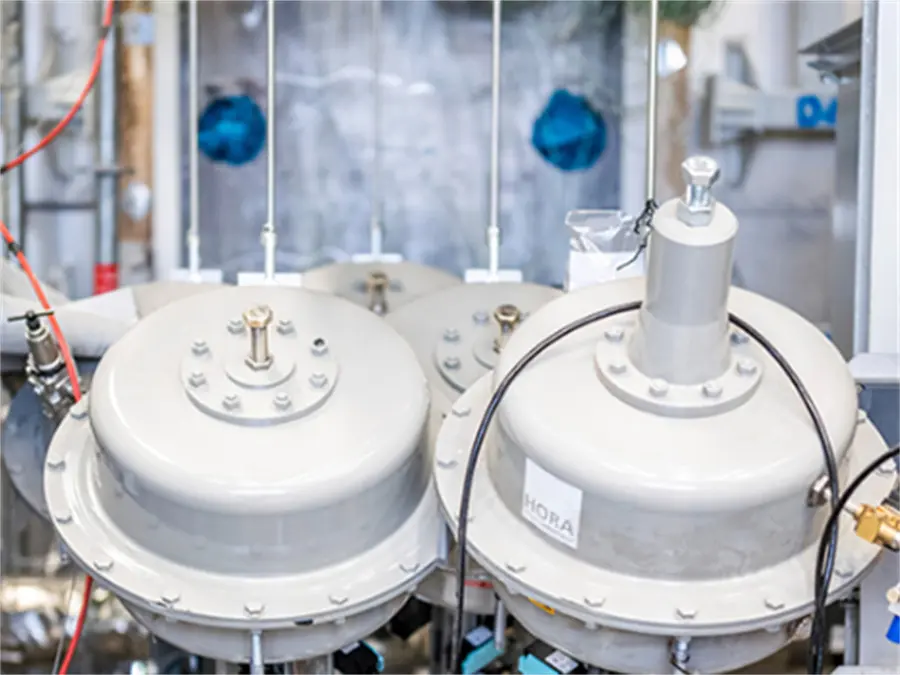
08.03.2024
Modern molten salt technology is shifting toward higher operational temperatures, directly boosting steam turbine efficiency and reducing plant capital expenses.
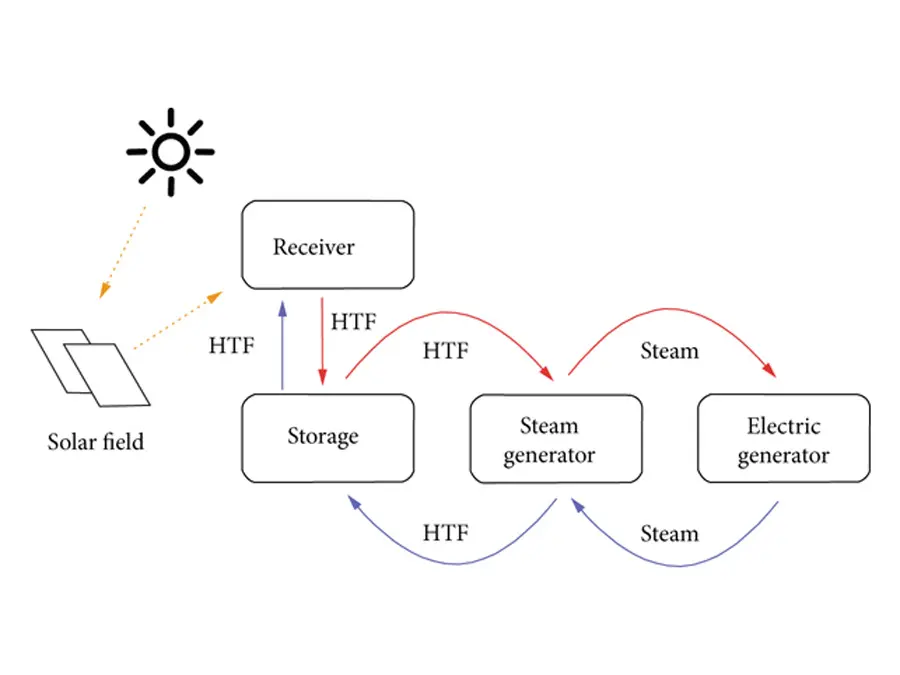
08.03.2024
Concentrated solar power plants function as reliable baseline anchors, converting solar energy to electricity and stabilizing municipal grids against solar intermittency.

08.03.2024
From food processing to chemical production, industrial thermal storage utilizing molten salt is emerging as a practical route to eliminate coal dependency.
Collaborating with leading EPC contractors, agricultural distributors, and global energy conglomerates.

Detailed technical answers addressing common regulatory, composition, and logistical inquiries from global procurement managers.
Pure Potassium Nitrate is classified under HS Code 2834.21.00, while pure Sodium Nitrate is classified under 2834.29.20 (or 2834.29.90 depending on specific regional tariff codes). For premixed eutectic solar salts (e.g., 60% NaNO3 and 40% KNO3), customs typically categorize the compound under HS Code 3824.99.99, which covers chemical mixtures not elsewhere specified or included. Always verify localized customs decisions in the country of import.
Impurities, particularly chloride ions (Cl-) and sulfate ions (SO42-), accelerate corrosion in stainless steel pipework, containment tanks, and heat exchangers at temperatures above 400°C. Furthermore, moisture contamination will react to form corrosive hydrogen chloride gas (in chloride systems) or cause thermal expansion stress. Shanxi Vojin restricts chloride levels to less than 100-200 ppm in our solar-grade product lines.
As Class 5.1 Oxidizing Agents, nitrates do not burn on their own but liberate oxygen during decomposition, accelerating the combustion of surrounding organic material. Storage facilities must be dry, well-ventilated, and completely segregated from reducing agents, organic compounds, acids, and flammable materials.
Ensuring operational reliability with certified chemical consistency, customized packaging, and robust supply logistics.
 VOJIN
VOJIN