High-purity salts manufactured to stringent industrial standards for global delivery.
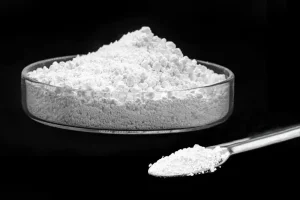
As the global energy paradigm shifts toward decarbonization, molten salts have emerged as a cornerstone for medium-to-high-temperature Thermal Energy Storage (TES) and heat transfer applications.
Modern engineering projects require massive volumes of highly purified nitrates and chlorides. From Concentrated Solar Power (CSP) installations in desert regions to advanced grid-scale thermal batteries, chemical stability at temperatures exceeding 550°C is critical. Procuring organizations must balance chemical composition parameters, heavy metal tolerances, and mechanical caking characteristics to avoid catastrophic system corrosion and thermal blockages.
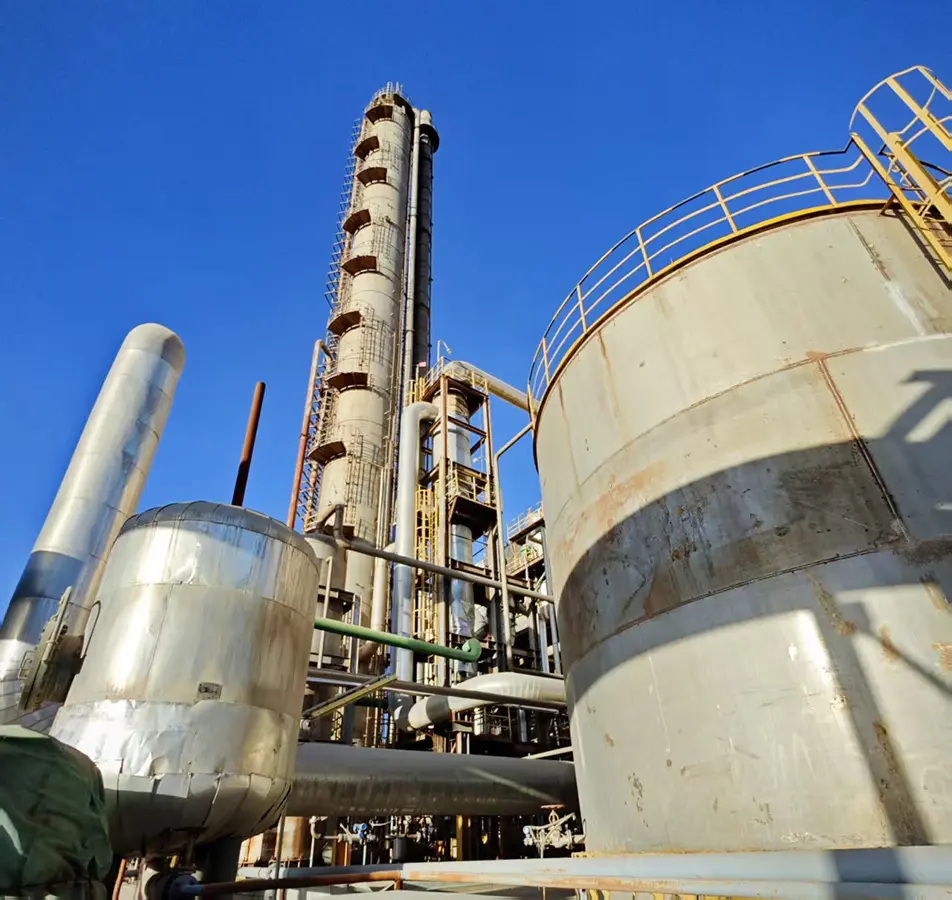
Optimizing eutectic concentrations to broaden the operating window and minimize freezing risks.
The performance of molten salt in Concentrated Solar Power (CSP) systems depends directly on its physical properties. The standard industry blend, known as "Solar Salt", consists of 60% Sodium Nitrate (NaNO₃) and 40% Potassium Nitrate (KNO₃) by weight. This binary mixture establishes an optimal eutectic point that maintains a liquid state down to approximately 220°C, while retaining thermal stability up to 565°C.
For processes demanding lower operational temperatures, ternary eutectic compositions featuring Calcium Nitrate [Ca(NO₃)₂] or Potassium Chloride (KCl) are utilized. The goal is to extend the liquid-phase envelope as wide as possible to simplify system start-ups and mitigate freeze-recovery risks.
Minimizes electrochemical oxidation and local pitting corrosion of receiver tubes at high thermal ranges.
Water presence acts as a catalyst for nitrate hydrolysis, yielding nitric oxide gases and forming highly corrosive alkaline hydroxides.
Specialized physical processing eliminates moisture retention during long-distance bulk maritime transport without adding impurities.
| Salt Blend Category | Composition Ratio (wt%) | Melting / Eutectic Point (°C) | Upper Thermal Limit (°C) | Typical Applications |
|---|---|---|---|---|
| Binary Solar Salt | 60% NaNO₃ / 40% KNO₃ | 220 | 565 (up to 600 with N₂ cover gas) | Concentrated Solar Power (CSP) Towers, Thermal Batteries |
| Hitec Salt | 53% KNO₃ / 40% NaNO₂ / 7% NaNO₃ | 142 | 538 | Industrial chemical heating, plastic processing |
| Hitec XL | 48% Ca(NO₃)₂ / 43% KNO₃ / 9% NaNO₃ | 120 | 500 | Low-melting point solar arrays, process steam generation |
| Chloride Eutectics | NaCl / KCl / MgCl₂ variations | 350 - 450 | > 800 | Gen-IV nuclear reactors, high-temperature metallurgical heat treatment |
How high-capacity thermal transport vectors redefine energy efficiency across multiple sectors.
Storing excess wind and solar electricity as thermal energy in molten salt tanks, which can then run steam turbines on demand. This provides a cost-effective, long-duration alternative to chemical lithium-ion battery banks.
Integrating high-temperature molten salt heaters with steam methane reforming or high-temperature steam electrolysis (HTSE) to produce green hydrogen, significantly reducing the carbon footprint of chemical plants.
Ultrapure potassium nitrate (KNO₃) is kept molten at 400°C for chemical glass strengthening. Smaller sodium ions in the glass substrate are replaced by larger potassium ions, creating a high-stress compression layer that resists cracks.
Established with a deep commitment to high-purity chemical processing, Shanxi Vojin New Materials has grown into a leading supplier for both the thermal energy storage and agricultural water-soluble fertilizer industries globally. Our focus on quality and process control ensures our materials perform reliably in critical thermal energy storage systems worldwide.
High-capacity lines ensure consistent supply for large-scale energy projects and bulk shipments.
Our expansive, modern facilities allow for synchronized chemical processing, testing, and packaging under strict quality control.
We provide comprehensive export support, including handling customs, maritime shipping documentation, and compliance logistics.
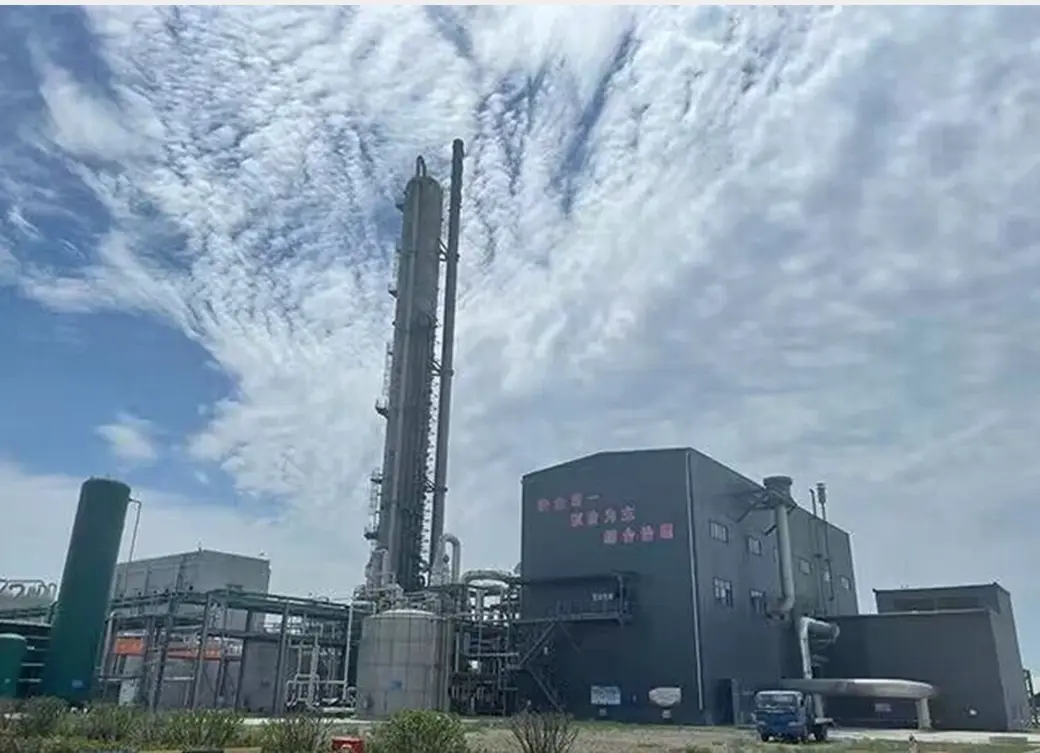
Adhering to strict international standards for transportation safety and chemical stability.
Every batch of molten salt undergo ICP-OES elemental analysis and ion chromatography to verify purity before dispatch. We maintain strict batch traceability for all shipments.
Nitrates are classified as Class 5.1 oxidizers under IMDG regulations. We handle compliance, including specialized packaging, container segregation, and maritime safety certifications.
Shipped in heavy-duty, multi-layer PP/PE bags with built-in moisture barriers. We also offer 1.0–1.25 MT bulk bags designed for automatic silo-unloading systems.
Answering complex technical questions about molten salt chemistry and application design.
Stay updated on advances in solar thermal storage, chemical refining, and energy technology.
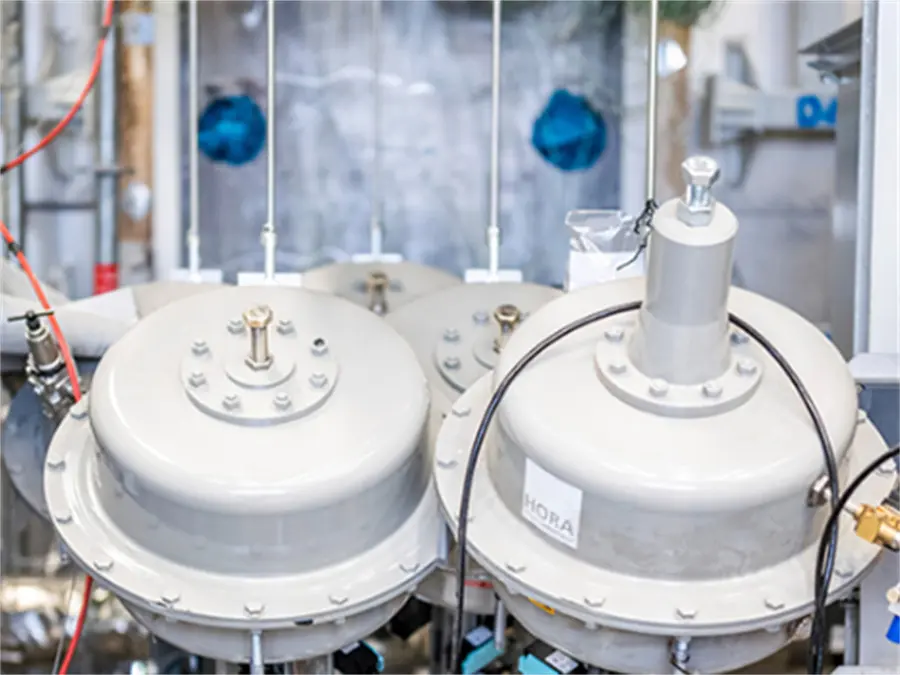
Operational modifications that allow molten salts to function reliably at higher temperatures, helping to improve the thermal efficiency of steam turbines.
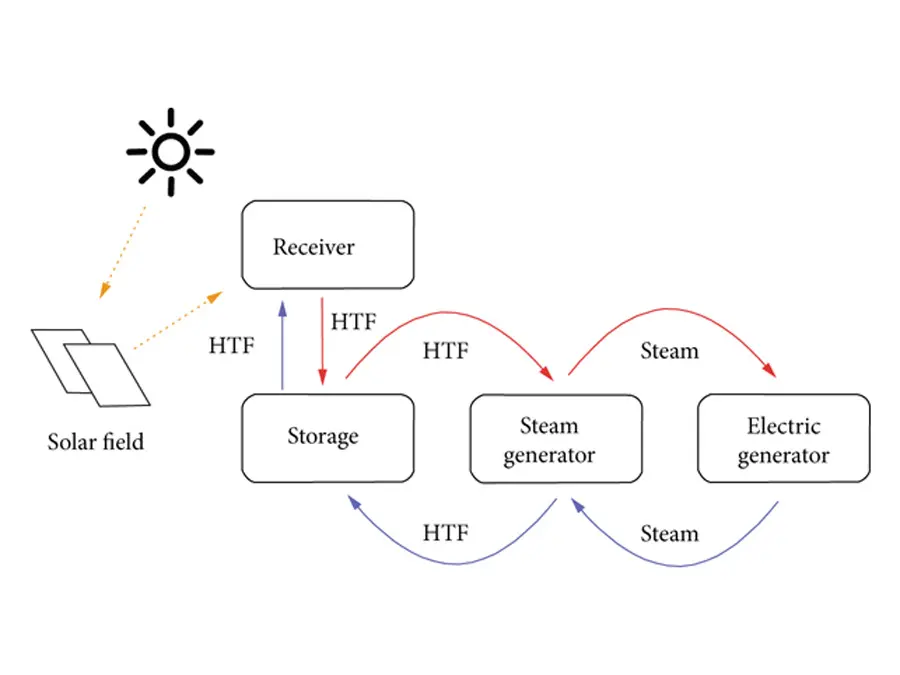
Concentrated solar power plants convert solar radiation into electricity using heliostat arrays and high-capacity binary nitrate storage systems.

How thermal energy storage helps balance power grids by storing excess renewable generation for dispatch when solar and wind power are offline.
Providing reliable material supply and logistics support for energy projects and industrial plants worldwide.


Explore our full selection of nitrogen and potassium materials, manufactured for industrial, agricultural, and thermal applications.
 VOJIN
VOJIN