Premium Grade Inorganic Chemical Solutions and Solar Salts engineered for stability, purity, and longevity.
Analyzing the pivotal role of Thermal Energy Storage (TES) in bridging the gap between intermittent renewables and continuous dispatchable power.
The global transition to a decarbonized grid has placed energy storage at the center of energy planning. While lithium-ion batteries dominate short-duration storage, the industrial sector and large-scale utility grids require Long-Duration Energy Storage (LDES) capable of discharging power and high-temperature heat for 8 to 24 hours. Molten Salt Energy Storage (MSES) has emerged as the most cost-effective and chemically stable technology for gigawatt-scale thermal storage.
By using eutectic mixtures of nitrate salts (most commonly 60% Sodium Nitrate (NaNO3) and 40% Potassium Nitrate (KNO3)), MSES systems store thermal energy sensible heat at temperatures exceeding 560°C. Globally, commercial deployment has transitioned from Concentrated Solar Power (CSP) facilities to complex multi-energy systems. These include grid-level peak-shaving units, deep industrial steam processes, and retrofitted coal-fired power stations where molten salt acts as the clean thermal core replacing traditional combustion boilers.
Unlike electrochemical systems that degrade and scale linearly in cost with capacity, MSES stores thermal energy in cheap, abundant chemical compounds. Large insulated steel tanks hold hundreds of thousands of tons of salt, yielding a levelized cost of storage (LCOS) that decreases as storage duration increases.
Providing synchronous inertia to stabilize regional transmission grids. MSES systems drive steam turbines that offer real-world mechanical inertia, maintaining voltage and frequency stability where wind and photovoltaic generation fall short.
High-quality nitrates show minimal chemical degradation over operational horizons exceeding 30 years. With proper chemistry management, zero capacity fade occurs, circumventing the recycling and replacement bottlenecks seen in battery chemistries.
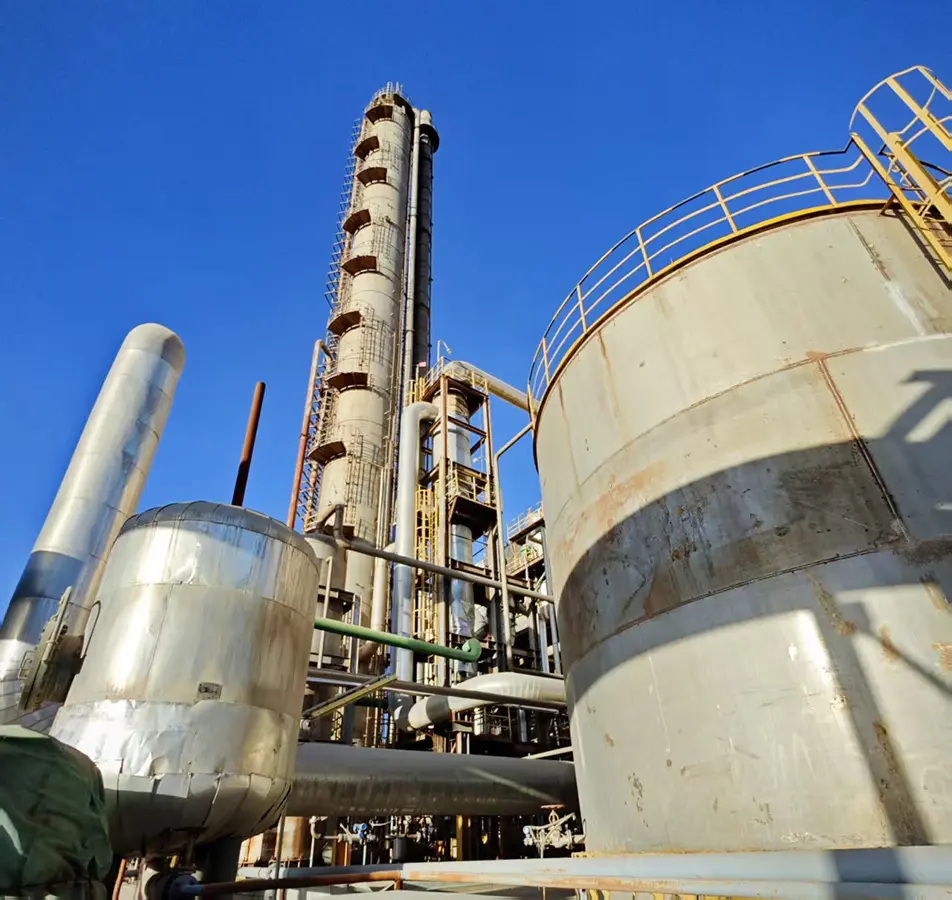
Driven since 2000, we have been committed to the entrepreneurial spirit and passion for innovation. Our team takes pride in delivering dependable products and services with a quality distinction in the thermal energy storage & water-soluble fertilizer industries globally. Our state-of-the-art manufacturing plants utilize local mineral wealth, highly refined purification columns, and smart control systems to maintain tight control over product parameters.
As a key partner to international developers, EPC contractors, and chemical distributors, Shanxi Vojin New Materials Co., Ltd. delivers scale and quality consistency. Our integrated manufacturing operations facilitate custom formulations of molten salts, tailored precisely for high-temperature and low-melting-point thermodynamic applications.
Quantifying our manufacturing footprint, export reliability, and technological capabilities across the globe.
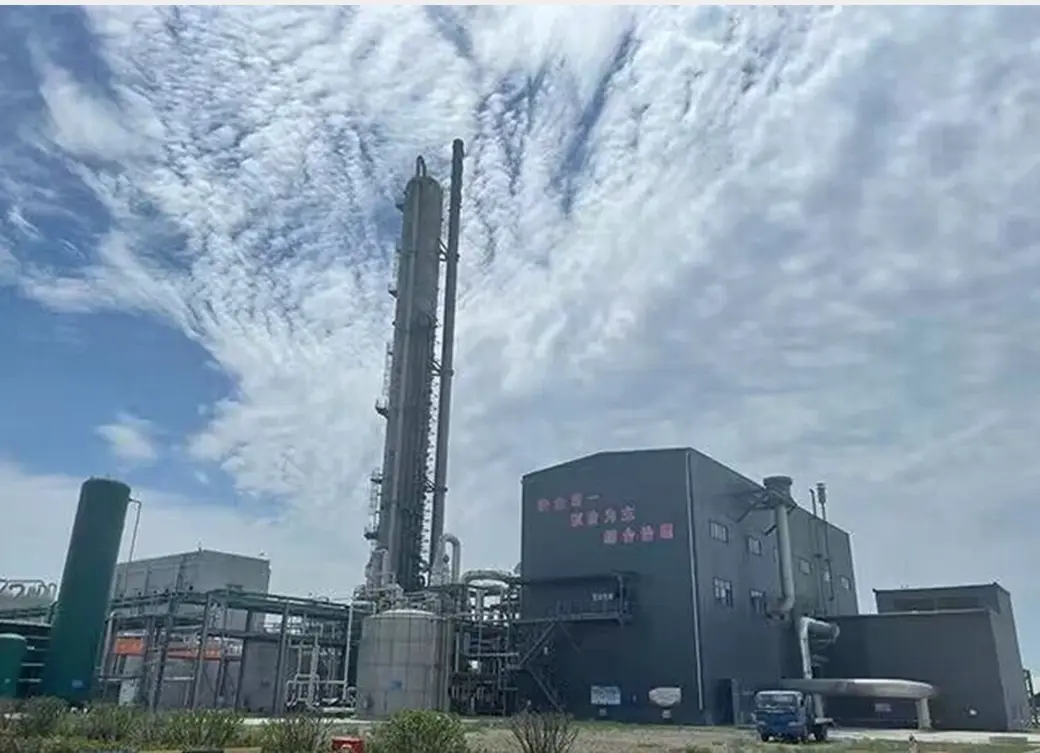
Why do global developers rely on Shanxi Vojin New Materials as their primary supplier? The answer lies in the structural efficiencies of China's advanced chemical manufacturing ecosystems. By locating our production lines in Shanxi—the heart of China's mineral and chemical raw materials industry—we eliminate long-distance logistics for key feedstock compounds, lowering the embodied carbon and cost of our materials.
Beyond raw materials access, our factory incorporates high-efficiency energy integration. Recycled industrial waste heat drives our crystallization systems, reducing processing costs. Additionally, our automated, continuous-crystallization lines run 24/7, maintaining uniform purity levels across multi-thousand-ton batches. This process prevents the batch-to-batch variations common in smaller, fragmented facilities.
Understanding how physical and chemical thermal storage applications rely on high-purity molten salts.
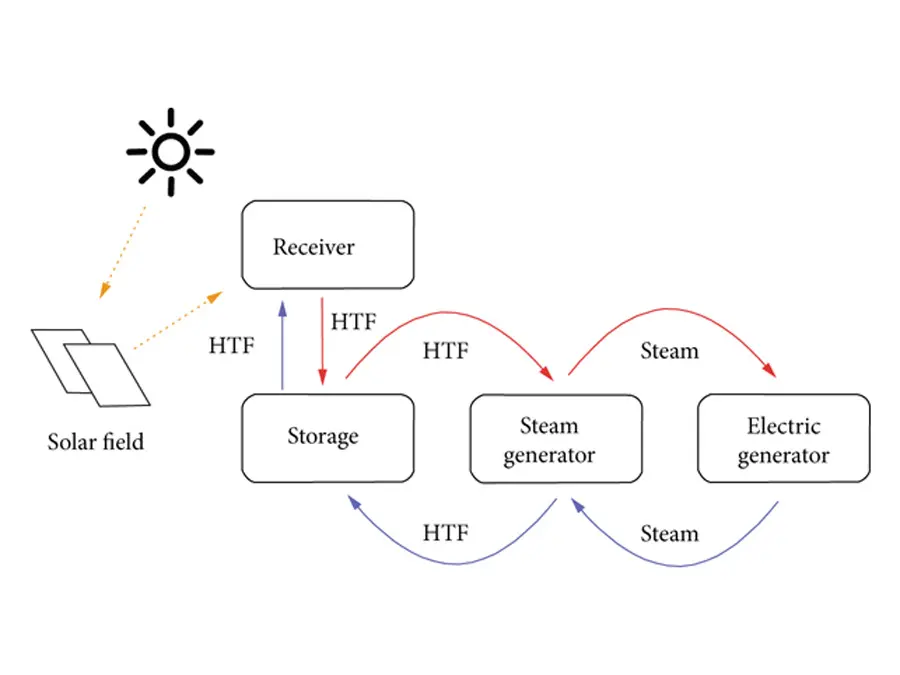
Molten salt acts as both the heat transfer fluid (HTF) and storage medium in solar power towers. By retaining temperatures up to 565°C, it provides superheated steam to drive generators even through the night.
By replacing coal combustion boilers with molten salt heat exchangers, retired coal plants are converted into clean energy hubs. They store off-peak electricity from wind and solar and discharge it as high-pressure steam.
Industries like paper mills, textile processors, and chemical refineries require constant heat. High-purity molten salts supply continuous process steam, eliminating reliance on natural gas combustion.
Potassium Nitrate (KNO3) is critical for chemical strengthening baths for smartphone and display panels. The high-purity salt facilitates smooth ion exchange to yield durable, scratch-resistant glass.
Combining experience, production capacity, specialized services, and product versatility to support global infrastructure projects.
Integrated expertise in exporting logistics. We guarantee reliable customs handling, moisture-proof bulk packaging, and on-time maritime logistics globally.
An annual output capacity exceeding 600,000 tons of high-grade nitrates, ensuring stable prices and bulk availability for major utility installations.
Experienced chemical engineering and logistics teams provide rapid responses, chemical compatibility testing, and on-site salt melting supervision.
Broad catalog covering KNO3, NaNO3, Ca(NO3)2, and custom eutectic ratios to address specific temperature brackets and corrosion envelopes.
Crucial quality control parameters global engineering teams must analyze during the sourcing phase.
When procurement managers source solar salts, looking only at the compound name is insufficient. The lifetime of a solar thermal system depends on minimizing impurities that can lead to corrosion and salt degradation. Impurities like Chlorides (Cl-) and Sulfates (SO4 2-) accelerate corrosion rates in stainless steel tanks and piping. Shanxi Vojin New Materials maintains tight control over these critical parameters:
High chloride levels damage the protective chromium oxide layer on high-temperature alloy steels. We use advanced crystallization techniques to keep chloride impurities below critical damage limits.
Water content causes foaming, pressure spikes, and accelerates corrosion in high-temperature systems. Our packaging features advanced moisture-barrier liners to prevent absorption during transit.
Excess carbonates increase viscosity and alter the melting point of the eutectic mix. We verify the chemistry of every batch to ensure predictable flow characteristics across the temperature range.
A look at upcoming technologies, including ultra-high temperature salts and ternary eutectic formulations.
The thermal energy storage sector is moving toward higher operating temperatures to improve steam turbine cycle efficiency. Standard solar salt (composed of sodium nitrate and potassium nitrate) operates safely up to 565°C. At higher temperatures, nitrate decomposition speeds up, requiring synthetic gas blankets or chemical stabilizers.
Research is shifting toward ternary and quaternary formulations, which add calcium nitrate or lithium nitrate to the mix. These mixtures lower the freezing point, reducing the energy required for freeze-protection systems. Development is also progressing in chloride and carbonate salts for next-generation solar tower designs and nuclear integration, where operation exceeds 700°C. Vojin New Materials actively collaborates with research institutions to supply high-purity test batches for these next-generation applications.
Keeping you updated on thermal energy storage technology and chemical market movements.
Operating at higher temperatures increases overall cycle efficiency, driving down the levelized cost of energy...
Concentrated solar power plants rely on large salt volumes. A review of modern high-purity nitrate logistics...
Molten salt energy storage has emerged as a key option for increasing the efficiency of multi-energy grids...
Working alongside engineering, procurement, and construction (EPC) companies around the world.

Detailed technical answers addressing common challenges in molten salt chemistry and thermal storage projects.
The primary industrial formulation is a binary mixture known as "Solar Salt". This consists of 60 wt% Sodium Nitrate (NaNO3) and 40 wt% Potassium Nitrate (KNO3). This mixture behaves eutectically with a melting point of approximately 220°C and remains chemically stable up to 565°C to 585°C under normal atmospheric pressure.
Chlorides (Cl-) and sulfates (SO4 2-) break down the passive chromium-rich oxide film on containment steels. When temperatures exceed 500°C, high chloride concentrations accelerate localized corrosion and pitting, which can lead to pipe fatigue. Keeping chloride levels below 100-200 ppm is crucial for achieving a 30-year operational life.
Nitrate salts are naturally hygroscopic and prone to caking when exposed to temperature and humidity variations during transport. At Vojin New Materials, we use custom dry crystallization steps, control the packaging room humidity, and package products in heat-sealed, moisture-barrier multi-layer bags to keep the salt free-flowing upon arrival.
Lithium-ion batteries are optimal for rapid response times and durations up to 4 hours. However, for 8 to 24 hours of storage, molten salts are far more cost-effective. They do not degrade, require no complex mineral extraction for cells, present zero thermal runaway risk, and integrate easily with steam turbines to supply industrial thermal energy.
Yes. Adding Calcium Nitrate [Ca(NO3)2] creates a ternary eutectic system. This lowers the mixture's freezing point from 220°C to below 150°C, reducing the parasitic heating load required to prevent freezing. However, ternary salts require careful monitoring of thermal decomposition temperatures, which are typically lower than those of binary solar salts.
From high-purity industrial-grade salts to agricultural nutrients, we supply high-performance solutions for diverse applications.
 VOJIN
VOJIN