Engineered for high thermal capacity, agricultural efficiency, and industrial optimization.
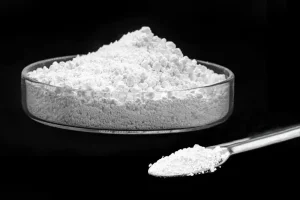
As the global energy landscape undergoes a structural transition toward decarbonization, high-temperature Thermal Energy Storage (TES) has emerged as a cornerstone technology. Among various phase change and sensible heat storage mediums, molten salts—primarily eutectic and near-eutectic mixtures of Potassium Nitrate (KNO₃) and Sodium Nitrate (NaNO₃)—are widely deployed. However, the chemical and physical consistency of these salts at working temperatures (290°C to 565°C) poses significant engineering challenges. This paper explores the critical variables controlling molten salt consistency, manufacturing specifications in Chinese chemical production, macro applications, and key global procurement requirements.
The term molten salt consistency refers to the stability of the salt mixture’s physical properties under thermal loading. Key factors include:
By optimizing chemical grade formulations and processing controls, modern manufacturers provide a product that guarantees consistent heat transfer co-efficiency over a 25-year operational lifecycle.
China has consolidated its position as the global hub for nitrate salt processing. The advantages of sourcing from Chinese facilities like Shanxi Vojin New Materials Co., Ltd. include:
International procurement teams must navigate strict parameters when sourcing binary nitrate mixtures. A critical metric is the Thermal Stability Range. Procurement agents should demand certified lab tests showing that the thermal weight loss of the mixture is less than 0.1% at 565°C. Impurity control certificates (specifically for moisture levels below 0.05%) are necessary to prevent hydrolytic degradation and excessive corrosion rates in stainless steel storage tanks.
To increase the efficiency of steam turbines, the industry is pushing operating temperatures past 600°C. This requires the development of ternary mixtures (adding Calcium Nitrate, Ca(NO₃)₂) or chloride/carbonate based salts. However, molten salt consistency remains the primary engineering hurdle, as multi-component mixtures are inherently more susceptible to phase segregation and fractional crystallization. Research and development in China is actively addressing these issues with stabilizing additives that prolong eutectic integrity.
How precise molten salt consistency powers global technological infrastructure.
Stabilized eutectic salts enable solar heat capture by day and electricity dispatch by night.
High purity potassium nitrate chemical strengthening processes for high-performance glass display covers.
Decarbonizing heavy industry by replacing fossil fuels with high-capacity thermal energy transfer systems.
Water-soluble high-grade potassium nitrate providing balanced plant nutrition with quick absorption.
Converting excess wind and solar electricity to thermal energy stored in molten salts, ready for grid injection on demand.
Molten salt baths provide exceptionally uniform heating and cooling media for stress-relieving alloys and structural steel hardening.
High-purity potassium nitrate solutions enable chemical ion exchange processes, increasing screen scratch resistance.
Proven operational excellence with global supply capabilities.

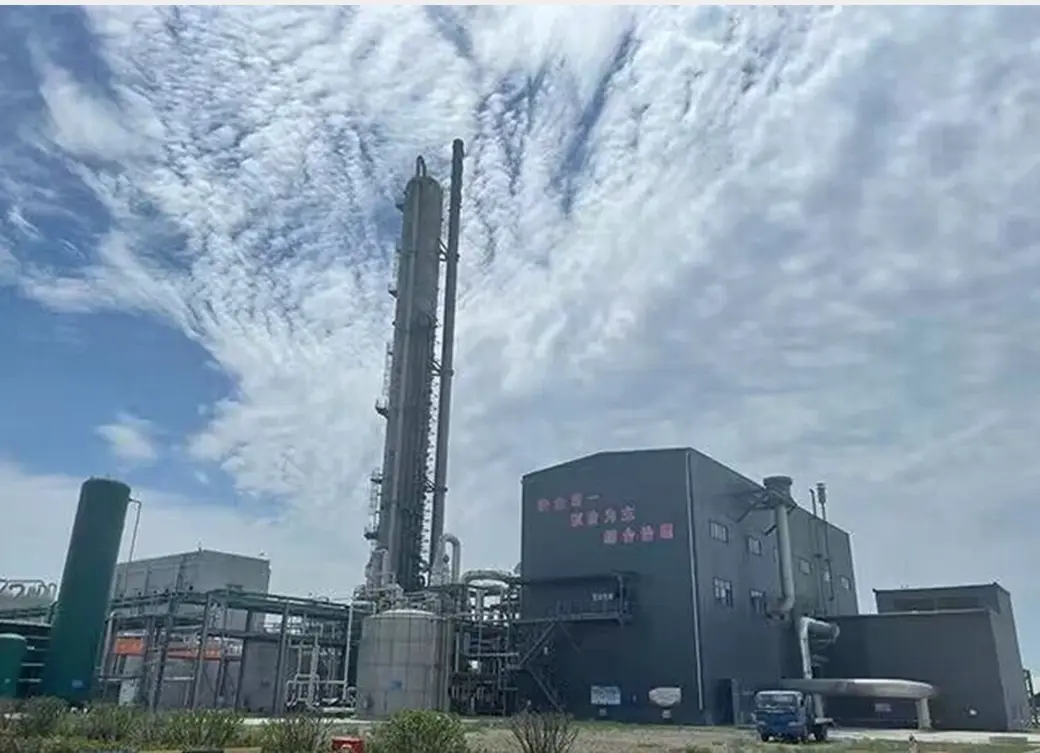
Driven since 2000, we have been committed to the entrepreneurial spirit and passion for innovation. Our team takes pride in delivering dependable products and services with a quality distinction in thermal energy storage & water-soluble fertilizer industries globally.
View More Corporate InfoWhy project engineers and purchasing managers specify Vojin New Materials.

Integrated experience on exporting operation. Always assure your customers good quality and compliant international logistics.
Annual output of 600,000 Tons of high-purity molten salts. Capable of supplying gigawatt-scale CSP solar initiatives.
Experienced technology skill & service team. Quick response to client requirements, chemical analyses, and custom formulations.
Multiple items for selection such as KNO3, NaNO3 to meet various need of customers in energy storage, agriculture, metallurgy, and water purification sectors.
Stay updated with the frontiers of molten salt technology and renewable systems.
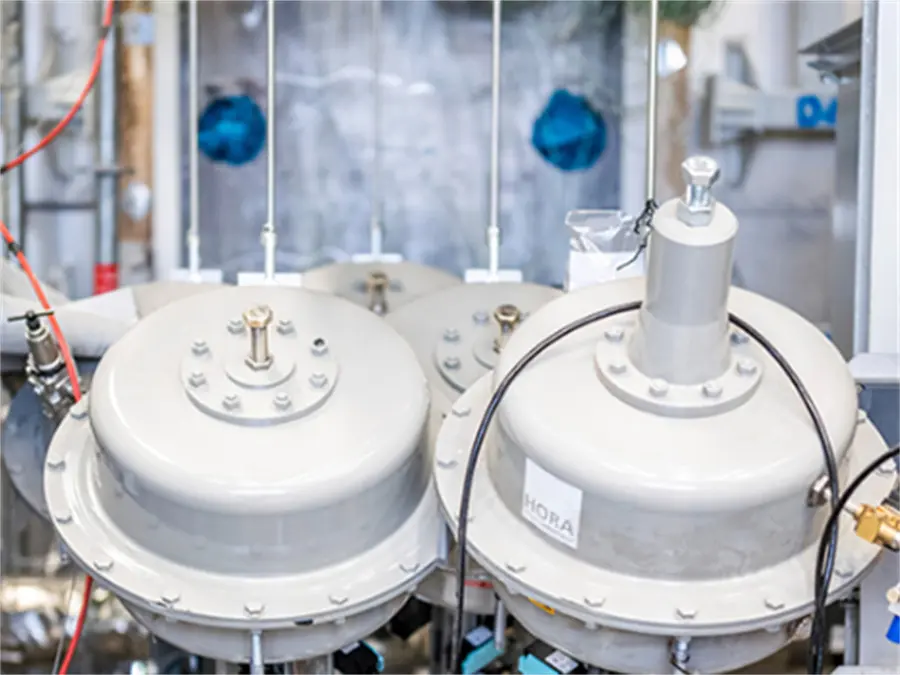
The technology can operate at higher temperatures, which has an impact on the efficiency of solar-to-electrical energy conversion...
VIEW MORE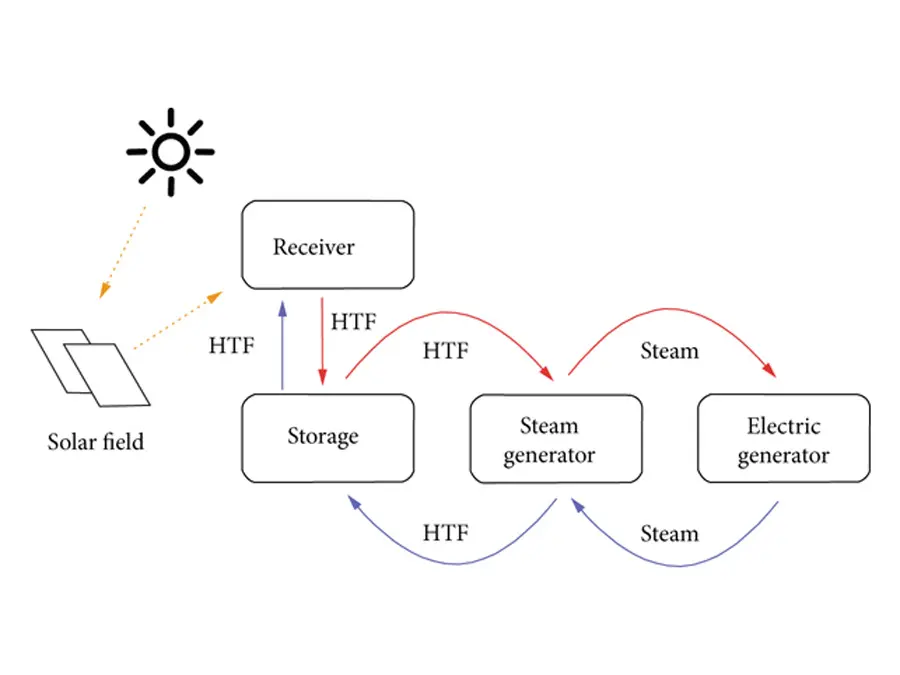
A concentrated solar power plant converts solar energy to electricity. It is based on advanced heat capture arrays...
VIEW MORE
Molten salt energy storage has emerged as a promising solution for enhancing the efficiency of modern grid battery setups...
VIEW MOREExpert answers addressing the chemical, structural, and procurement criteria of solar-grade salts.
Comprehensive selection of salts for energy, purification, glass, and metallurgical industries.
Serving world-class organizations, supply chains, and industrial engineering consortiums.



 VOJIN
VOJIN