Direct industrial-grade agricultural raw materials from global manufacturing units, optimized for high crop productivity and sustainable soil management.
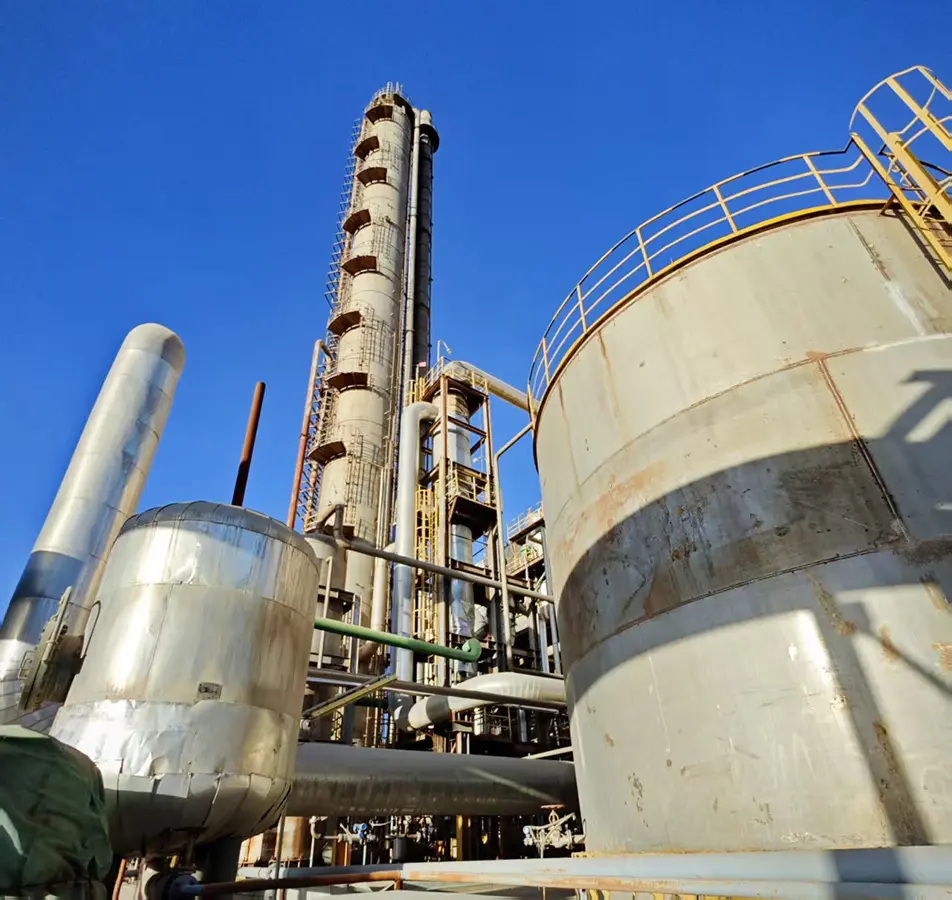
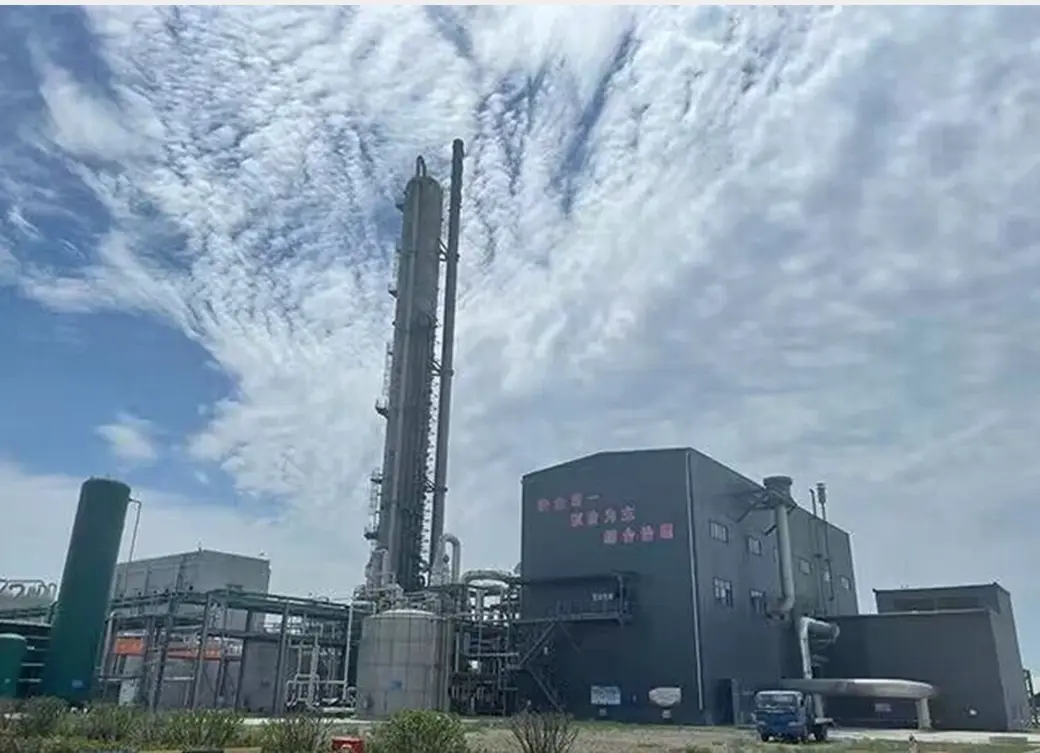
Driven since 2000, we have been committed to the entrepreneurial spirit and passion for innovation. Our team takes pride in delivering dependable products and services with a quality distinction in the thermal energy storage and water-soluble fertilizer industries globally. We maintain state-of-the-art production environments in the industrial heart of China to secure consistency and physical-chemical integrity in every batch of nitrate series solutions.
An in-depth analysis of calcium nitrate integration in commercial agricultural systems, highlighting cellular absorption pathways, fertilizer synergy, and global market execution.
Calcium Nitrate [Ca(NO3)2] stands as one of the most chemically effective water-soluble fertilizers in commercial agriculture. The compound operates through a unique dual-nutrient configuration that optimizes ionic absorption mechanisms within the rhizosphere. Unlike conventional nitrogen sources like ammonium (NH4+) or urea, which require biochemical transformation by soil microbes, the nitrate-nitrogen (NO3-) in calcium nitrate is immediately available for root uptake.
Once absorbed, nitrate ions carry a negative charge, which facilitates the co-transport of positively charged cations, most notably Calcium (Ca2+), Potassium (K+), and Magnesium (Mg2+). This synergistic action, known as anion-cation synergism, prevents the physiological antagonism common in mixed-salt soil solutions. The structural integrity of crop tissues relies heavily on calcium, which constitutes the middle lamella of cell walls in the form of calcium pectate. Without steady calcium delivery, new plant tissues exhibit structural collapse, culminating in common physiological disorders such as blossom-end rot in nightshades, tip burn in leafy greens, and bitter pit in pome fruits.
On a global scale, the agricultural sector is undergoing a transition toward intensive, high-efficiency production systems. Hydroponics, modern greenhouses, and drip irrigation (fertigation) systems dictate the specifications of industrial fertilizer products. Industrial buyers look for fertilizers with rapid dissolution profiles, negligible insoluble fractions, and precise nitrogen-to-calcium ratios.
Calcium nitrate is the cornerstone of these systems. The global market is growing rapidly due to the expansion of soil-less cultivation and the necessity to rehabilitate agricultural zones affected by secondary salinization. By utilizing agricultural-grade calcium nitrate, growers can sustain higher soil osmotic pressures without increasing sodium concentrations, guaranteeing consistent crop quality and shelf-life extension during long-distance transportation.
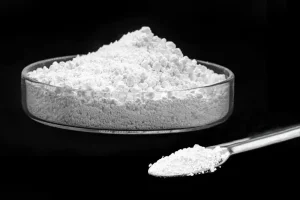
Commercial-grade calcium nitrate typically features a hydrated structure, represented as 5Ca(NO3)2·NH4NO3·10H2O (decahydrate double salt) or anhydrous variants. For horticultural fertigation, the presence of ammonium acts as a pH stabilizer in the root zone. Our modern manufacturing processes minimize impurities and heavy metals, yielding a product that dissolves without leaving residues that could clog micro-emitters.
Agricultural practices vary widely across different climates, requiring specific application profiles for calcium nitrate:
Our long-term manufacturing vision centers on technological refinement, lower carbon footprints, and improved physical granule characteristics.
By refining our crystallization temperatures and utilizing proprietary anti-caking coatings, we produce calcium nitrate granules that resist moisture absorption during storage and transport.
Our production facilities reuse exothermic heat from the nitric acid neutralization process to power the evaporative crystallization loop, cutting down energy use per ton.
We log and monitor every stage of production—from raw nitric acid synthesis to the final packaging line—to confirm batch compliance with international purity standards.
Explore our main chemical categories, engineered for diverse applications in clean energy storage, high-precision industrial processes, and commercial farming.
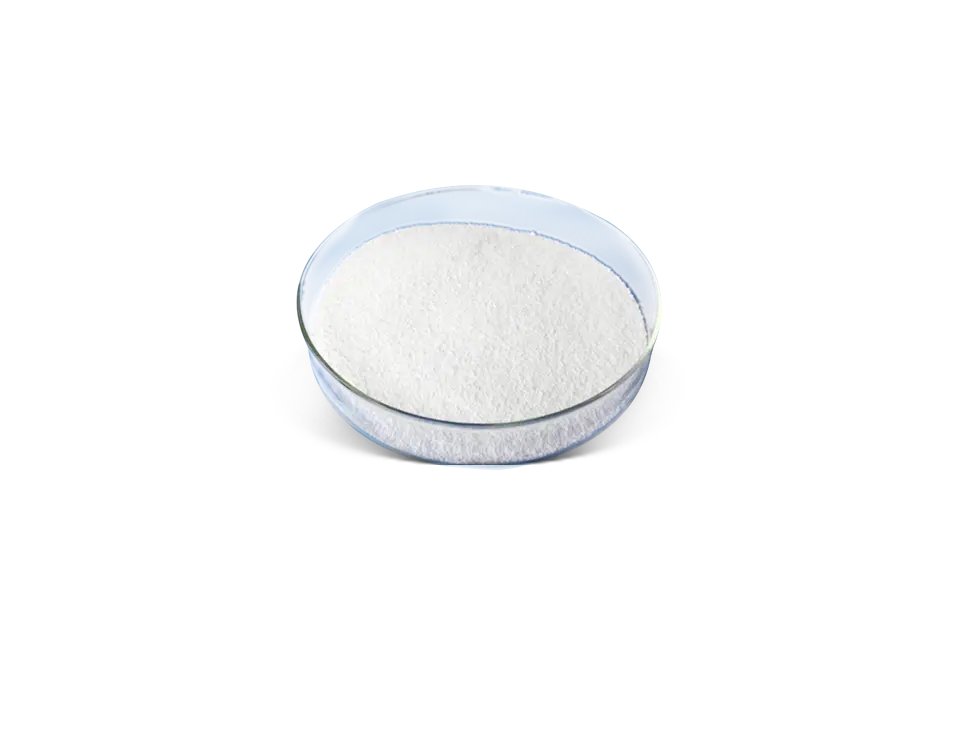
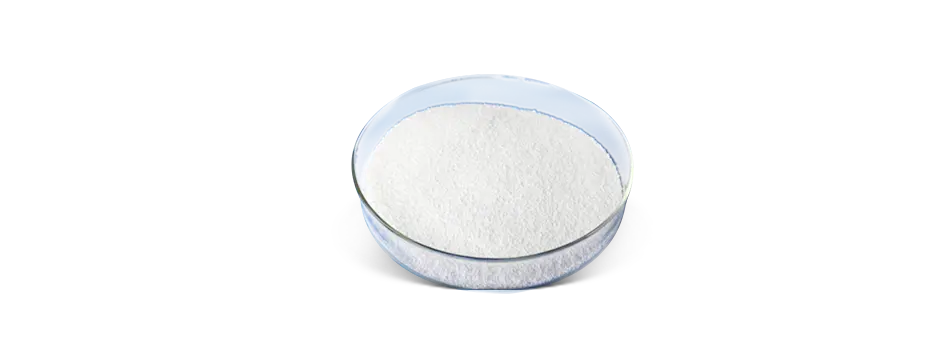
Our manufacturing capacity supports critical global infrastructure, industrial heating, precision agriculture, and advanced optoelectronic displays.
Our logistical integration and manufacturing capabilities help keep our partners competitive and supply chains stable.

Integrated experience on exporting operation Always assure your customers good quality. We handle customs declarations, hazardous goods certifications, and marine logistics smoothly.

Annual output 600,000 Ton Molten salts. High-throughput synthesis reactors and automated packaging lines enable consistent wholesale delivery, even during peak agricultural demand seasons.
Experienced technology skill & service team Quick response to our customers. Our laboratory provides custom adjustments to moisture levels and granule sizing to match your application equipment.
Multiple items for selection such as KNO3, NaNO3 to meet various need of customers. Our portfolio covers industrial, technical, and agricultural grades for different global standards.
Located in Shanxi province—the main base for coal chemical production in China—Shanxi Vojin New Materials leverages regional raw materials and logistical networks. Direct access to liquid nitric acid and high-grade calcium carbonate feeds our synthesis processes. This localized supply chain insulates our production lines from raw material shortages, providing stable prices for bulk buyers.
We work with international logistics providers out of major ports like Tianjin and Qingdao. We offer containerized shipments with silica gel desiccants, shrink-wrapped pallets, and bulk vessels to protect the product from moisture damage during sea transit. We also utilize overland block trains to serve markets across Central Asia and Eastern Europe.
Our agricultural and industrial products comply with major global frameworks, including the EU Fertilising Products Regulation (Regulation EU 2019/1009) and REACH registrations. We limit heavy metal impurities (such as arsenic, cadmium, lead, and chromium) to levels well below international limits, ensuring safety for soil applications and hydroponics.
Stay updated with our technical insights on molten salt energy storage, agricultural chemistry, and manufacturing upgrades.
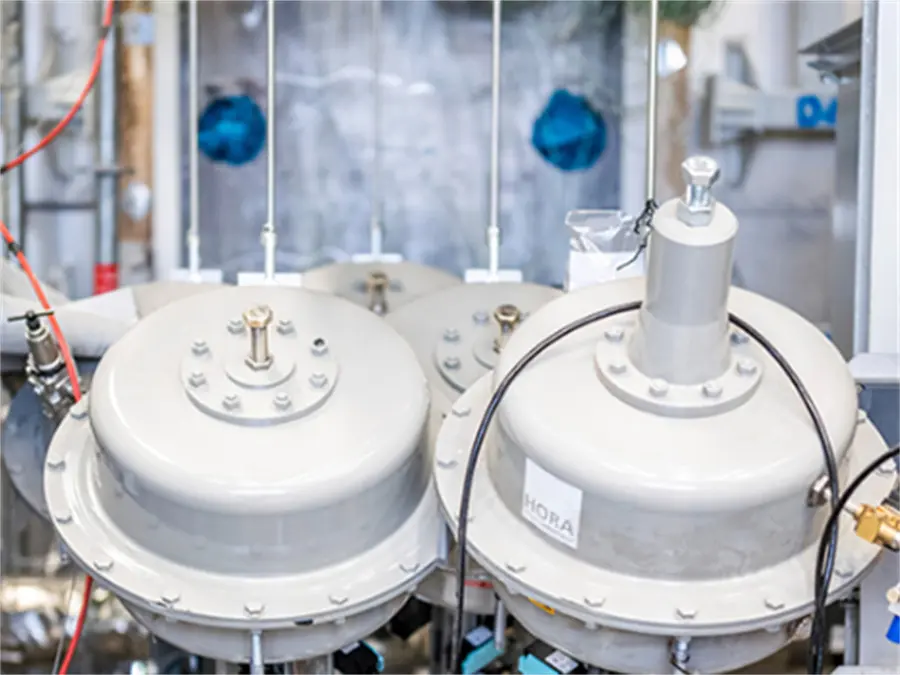
The technology can operate at higher temperatures, which has an impact on the efficiency of thermal power plants...
Read Full Article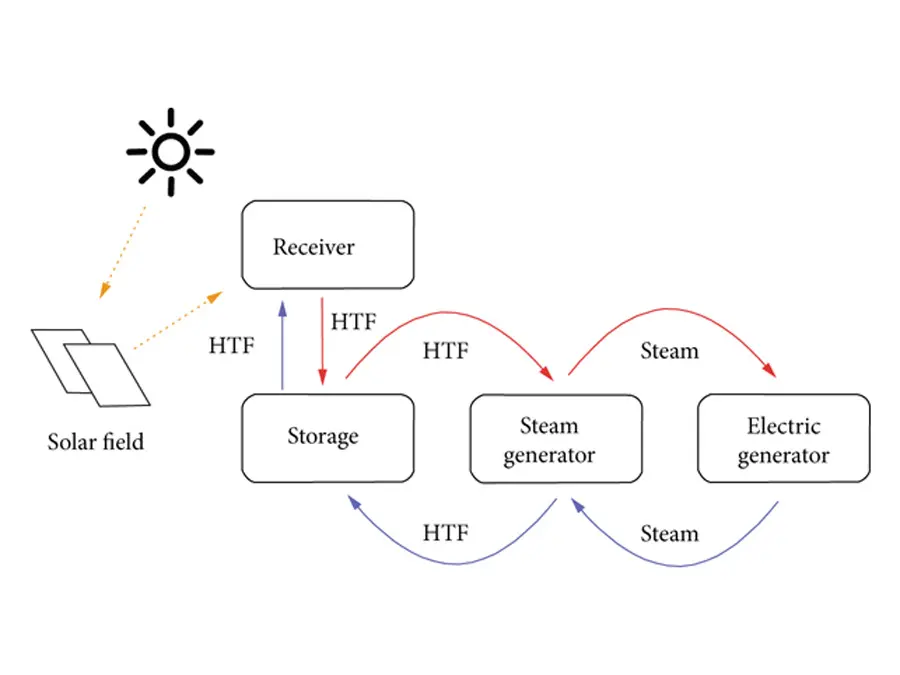
A concentrated solar power plant converts solar energy to electricity. It is based on focused solar radiation...
Read Full Article
Molten salt energy storage has emerged as a promising solution for enhancing the efficiency and stability of grids...
Read Full ArticleTechnical answers regarding chemistry, physical characteristics, application rates, and handling of wholesale agricultural-grade calcium nitrate.
Agricultural-grade calcium nitrate is typically formulated as a double salt containing about 1.1% ammonium-nitrogen to help stabilize crystallization. Its chemical formula is represented as 5Ca(NO3)2·NH4NO3·10H2O, yielding a total nitrogen content around 15.5% and calcium oxide (CaO) around 26%. Calcium Ammonium Nitrate (CAN), on the other hand, is a physical blend of ammonium nitrate and crushed calcium carbonate (or dolomite). CAN has a higher nitrogen content (typically 26% to 27%) and a higher ratio of ammonium-nitrogen, which makes it less ideal for direct hydroponic solutions but suitable for dry broadcast soil applications.
Gypsum (calcium sulfate) and agricultural lime (calcium carbonate) have low water solubility, which limits their use to dry soil amendments. They also take months to release nutrients. Calcium nitrate is highly soluble, which allows it to deliver immediately plant-available calcium (Ca2+) and nitrate-nitrogen (NO3-) directly through micro-irrigation systems. Because it is highly soluble, it is also useful for resolving acute calcium deficiencies mid-season.
In saline and sodic soils, high sodium concentrations (Na+) displace calcium on the soil exchange complex, which degrades soil structure and limits root development. Applying soluble calcium nitrate releases calcium ions (Ca2+), which displace the sodium from clay particles. The displaced sodium can then be leached deeper into the soil profile by irrigation, helping to improve soil aeration and water infiltration.
No. In highly concentrated stock solutions (like hydroponic A & B tanks), dissolved calcium (Ca2+) reacts with phosphate ions (HPO4 2-) and sulfate ions (SO4 2-) to form insoluble calcium phosphate or calcium sulfate (gypsum) precipitates. This reaction will clog drip lines and reduce nutrient availability. To prevent this, keep calcium nitrate in Tank A, and keep phosphates and sulfates in Tank B. They can safely mix once diluted in the final irrigation water.
Calcium nitrate is highly hygroscopic (it readily absorbs moisture from the air). Store it in a cool, dry, and well-ventilated warehouse, away from direct sunlight and heat sources. Keep the bags tightly sealed, and store pallets off the ground. Avoid storing it near organic materials, strong acids, or reducing agents, and do not double-stack pallets in high-humidity areas.






High-purity agricultural formulations designed for micro-irrigation systems, specialized orchards, and large-scale farming operations.
 VOJIN
VOJIN