Wholesale Calcium Nitrate For Tomato Plants Manufacturer & Manufacturers

Global Industrial Supply of High-Purity Calcium Nitrate Double Salts: Optimizing Crop Nutrition, Cell Wall Density, and Prevention of Blossom-End Rot (BER)

Our Specialized Chemical Catalog

Explore our premium-grade chemical components designed for agricultural yield optimization and advanced industrial applications.
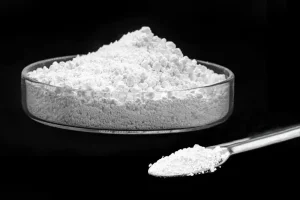
China Food Grade Potassium Carbonate Manufacturers

China Food Grade Potassium Carbonate Manufacturers, Factories

View Product Details
China Sodium Nitrite Manufacturer Supplier

China Sodium Nitrite,Metal Heat Treatment Agent Manufacturer, Supplier

View Product Details
China Potassium Chloride Hypokalaemia Supplier Vojin New Materials

China Potassium Chloride,Vojin New Materials,Treatment Of Hypokalaemia Supplier, Factories

View Product Details
Wholesale Agricultural Potassium Nitrate Suppliers

Wholesale Agricultural Grade Potassium Nitrate Suppliers, Factories

View Product Details
China Potassium Nitrate Manufacturer

China Industrial Grade Potassium Nitrate Manufacturer, Factories

View Product Details
China Trace Element Water Soluble Fertilizer Manufacturer

China Trace Element Water Soluble Fertilizer Manufacturer, Manufacturers

View Product Details
China Sodium Nitrate Supplier Vojin New Materials

China Sodium Nitrate,Vojin New Materials,Protect Against Spoilage Supplier, Factory

View Product Details
China Sodium Nitrate Manufacturers Factory

China Food Grade Sodium Nitrate,Vojin New Materials Manufacturers, Factory

View Product Details
TECHNICAL WHITE PAPER

The Critical Role of Calcium Nitrate in Commercial Tomato Cultivation

Tomatoes (Solanum lycopersicum) are intensive nutritional feeders requiring precise agronomic parameters to maximize weight, shelf life, and skin integrity. As a primary crop globally, tomatoes are highly susceptible to physiological diseases resulting from nutritional imbalances, the most notorious being Blossom End Rot (BER). Calcium Nitrate [represented as Ca(NO₃)₂] stands out as the ultimate mineral source designed to directly combat physiological collapses while supplying the nitrogen required for vegetation.

The Physiological Nexus of Calcium Deficiency: Calcium is structurally vital for plants, functioning as the primary constituent of the middle lamella in cell walls in the form of calcium pectate. Lacking cellular mobility, calcium transport within the plant is dependent entirely on transpiration flow through the xylem. Under periods of fast growth or environmental stress, calcium fails to reach the distal end of the developing fruit in necessary concentrations. The results are cell wall disintegration, fluid leakage, and the characteristic necrotic black lesions of Blossom End Rot.

Why Pure Calcium Nitrate Outperforms Alternative Calcium Sources

In global agricultural markets, growers often weigh Calcium Nitrate against calcium chloride (CaCl₂) or gypsum (calcium sulfate - CaSO₄). While gypsum is highly insoluble (requiring excessive water volumes to break down) and calcium chloride risk-induces soil salinity and leaf scorch, calcium nitrate dissolves rapidly with zero residue. The nitrate-nitrogen (NO₃⁻) carries a negative charge, which synergetically enhances the root uptake of the positively charged calcium ion (Ca²⁺). This positive ionic synergy improves nitrogen assimilation rates and calcium uptake, driving yield increases and elevating quality parameters for food processors.

Global Procurement Dynamics: Market Demands & Sourcing Vectors

B2B agricultural input distributors, greenhouse growers, and horticultural conglomerates must systematically analyze regional supply vulnerabilities. The market for wholesale agricultural chemical supplies relies on precise raw material sourcing—particularly natural gas and ammonia—which directly dictates fertilizer pricing indices. Procurement officers looking for structural cost advantages must evaluate manufacturers based on quality metrics, packaging technology, and logistical access.

  • Physical Consistency: Free-flowing granular forms with anti-caking properties prevent product degradation during ocean transit and warehouse storage.
  • Formulation Adaptability: Supply chains require both agricultural-grade double salts (containing ammonium nitrate co-crystallization) and premium horticultural-grade options suitable for zero-tolerance hydroponic reservoirs.
  • Regulatory Compliance: Sourcing from ISO-compliant entities with REACH and chemical safety certificates ensures clearing customs without structural delays.

Hot Products

Core Inorganic Chemicals & Plant Nutrition Formulations

Inorganic Chemicals

Industrial and technical grade nitrates, carbonates, and nitrites manufactured under precise temperature and pressure crystallization protocols.

Fertilizer Series

Fully water-soluble fertilizers engineered for micro-irrigation, soil application, and advanced hydroponic greenhouse setups.

By-Products

Derived secondary chemical compound yields optimized for industrial use, thermal processing, and composite material additives.

Macro Agronomic Integration and Hydroponic Target Formulations

In modern CEA (Controlled Environment Agriculture) and open-field drip fertigation, precise calculations of crop feeding curves are standard practice. The integration of Calcium Nitrate into the grower's water reservoir must account for structural interactions with phosphates and sulfates. When mixed in high concentrations, Calcium reacts with Sulfate (SO₄²⁻) and Phosphate (PO₄³⁻) to form highly insoluble precipitates like calcium sulfate (gypsum) and calcium phosphate, causing irrigation system blockages and nutrient lockouts.

The Dual-Reservoir Strategy (A & B Tanks): Concentrated stock solutions are separated into two discrete tanks. Tank A contains Calcium Nitrate alongside iron chelates and potassium nitrate. Tank B holds the phosphates, sulfates, and magnesium salts. This operational barrier prevents chemical synthesis of insoluble precipitates until dilution occurs within the mainline irrigation system.

Hydroponic Tomato Formula Balance Matrix

Typical target nutritional requirements for tomatoes during the vegetative, early fruiting, and heavy fruiting stages require dynamically adjusted ratios. When using Calcium Nitrate, the ppm calculations are targeted as follows:

Growth Stage Nitrate-N (ppm) Calcium (ppm) Potassium (ppm) Magnesium (ppm)
Vegetative Phase 120 - 150 140 - 170 200 - 240 45 - 60
Fruit Setting 150 - 175 160 - 190 250 - 300 50 - 70
Peak Harvesting 160 - 190 180 - 220 300 - 350 60 - 80

APPLICATION

Industrial and Agronomic Sectors Utilizing Advanced Salts

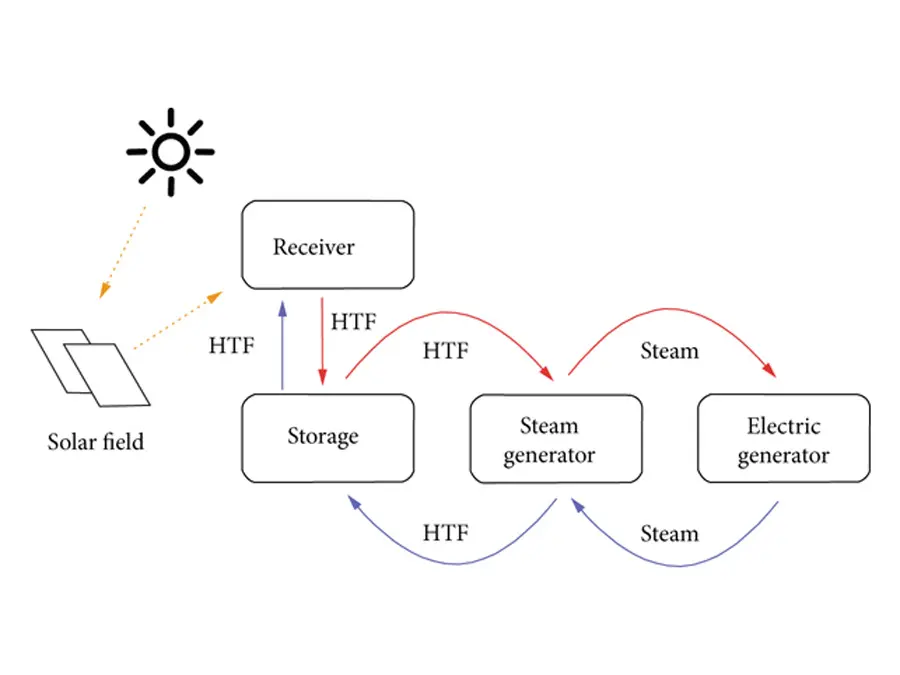
Thermal energy storage system

Optimized molten nitrate salt mixtures designed to absorb and store thermal energy in solar power plants, providing reliable heat transfer medium stability.

Display devices manufacturing

High-purity chemical agents utilized in screen glass chemically strengthening processes, optimizing surface density and resistance features.

Industry Steam, Heating, Coal Conversion

Functional chemical integration designed for heat exchange acceleration, waste gas treatment, and environmental safety optimization.

Agricultural Technology

Deploying specialized water-soluble nutrient compounds, crop growth regulators, and micro-nutrient profiles optimized for precision drip and foliar systems.
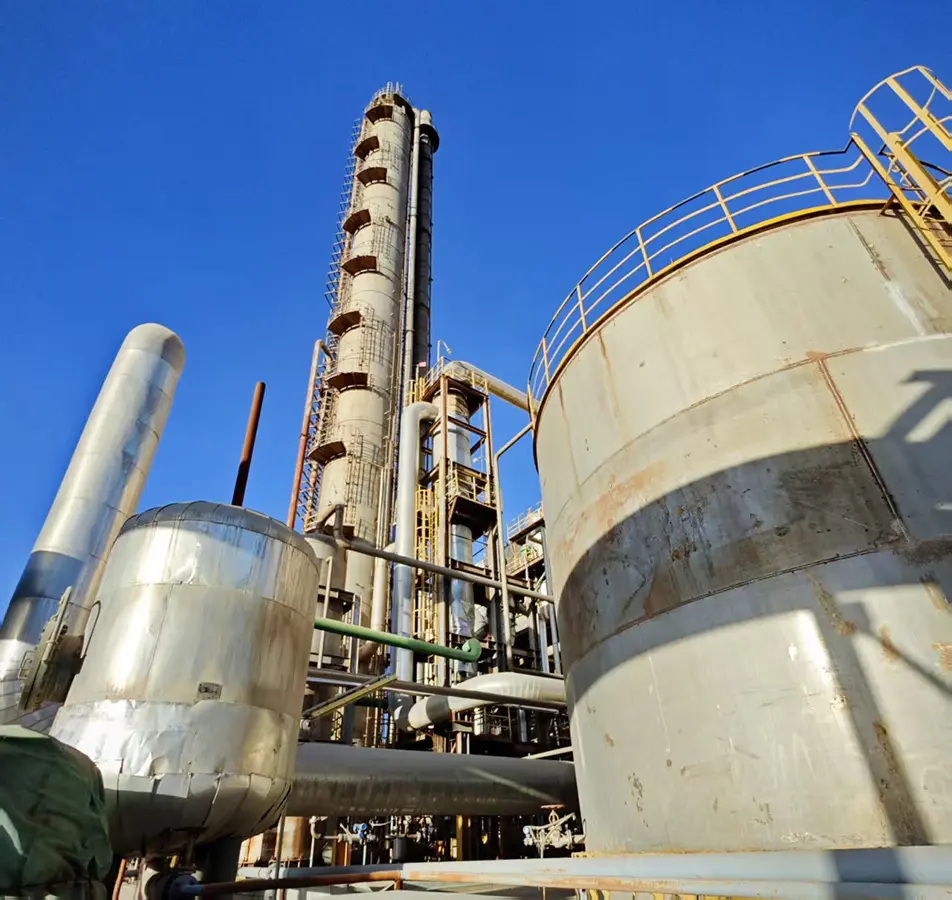
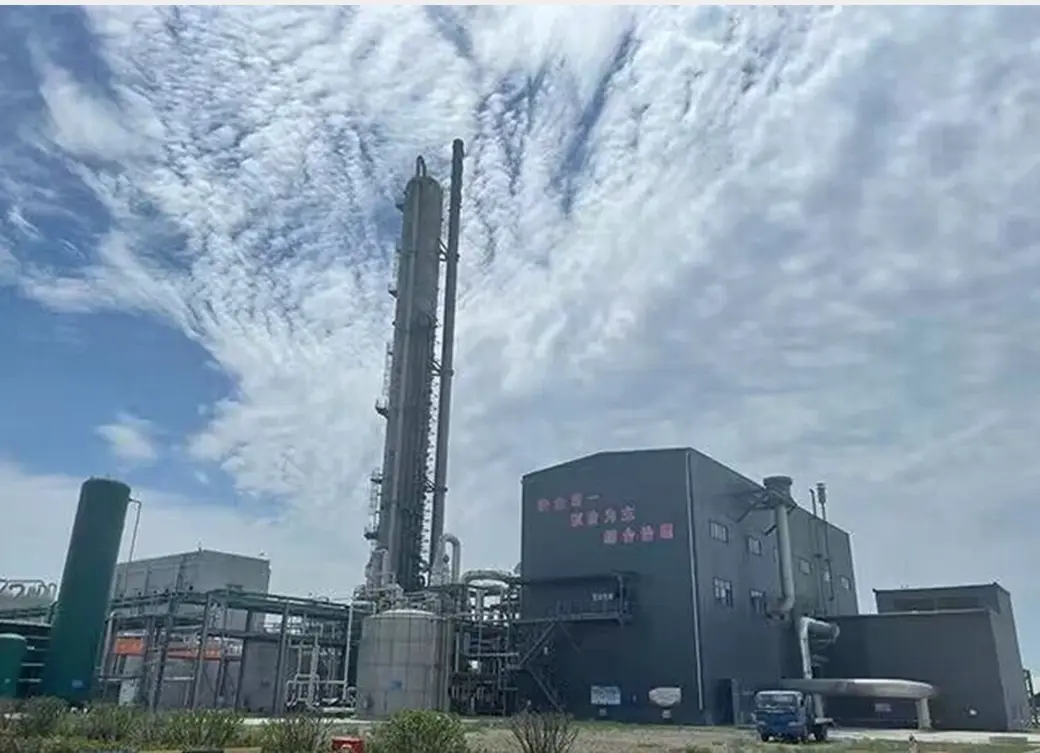
Vojin Manufacturing Facility
Crystallization Process Warehouse logistics
ESTABLISHED PRODUCER

SHANXI VOJIN NEW MATERIALS CO., LTD.

Driven since 2000, we have been committed to the entrepreneurial spirit and passion for innovation. Our team takes pride in delivering dependable products and services with a quality distinction in thermal energy storage & water-soluble fertilizer industries globally.

Strategically located in Shanxi, China, our manufacturing facilities operate within direct proximity to major energy raw materials and global export harbors, optimizing our shipping logistics, product consistency, and overall pricing competitiveness.

View Enterprise Details
15Years+
Manufacturing Experience
600,000 Ton Annual Capacity
50+
Product Breakdown
Exported to 40+ Countries
80+
Solutions Provided
1,000 Acres Plant Size
2010
Established Year
Systematic Modernization

Advanced Manufacturing Roadmap & Sustainable Production Outlook

As international environmental regulations tighten, fertilizer manufacturing methods must adapt. Our long-term technical blueprint targets lowering emission volumes while elevating chemical purities. Shanxi Vojin New Materials utilizes a synthesis process to produce high-grade Calcium Nitrate through direct neutralization reactions between nitric acid and calcium carbonate (limestone).

Phase I: Raw Material Integration
Advanced Catalytic Neutralization
Utilizing closed-loop neutralization vessels with automated pH controllers to manage the acid-base reaction. This eliminates volatile emissions and ensures a 99.8% raw conversion yield of calcium carbonate.
Phase II: Purification & Heavy Metal Filtration
Multi-Stage Filtration & Defluorination
Implementing multi-stage filter presses and crystallization units to filter out heavy metal impurities (such as lead, cadmium, and arsenic), producing agricultural solutions safe for long-term food crops.
Phase III: Granulation & Anti-Caking Technology
Spherical Granulation and Hydrophobic Coating
Introducing high-speed fluid-bed spray granulation technology. This creates uniform, round particles and applies an organic, biodegradable hydrophobic surface coating to minimize moisture absorption in humid environments.

Enterprise Advantages

Why Industrial Buyers Choose Shanxi Vojin New Materials

Experience

Integrated experience on exporting operations. We always assure your customers receive consistent, certified quality chemicals.

Production

Our production facilities achieve an annual output of 600,000 Tons of molten salts, guaranteeing stable B2B supply volume.

Services

Experienced technical support and professional service team. We offer fast replies and solution consulting to global inquiries.

Rich choices

We offer multiple high-demand catalog selections such as KNO3, NaNO3, and Ca(NO3)2 to meet the varying requirements of agricultural and industrial buyers.

Latest News

Technical updates from our engineering teams and research labs

Storing the sun
08/03/2024

Storing the sun: Molten Salt Energy Solutions

The technology operates at elevated temperatures, directly improving the efficiency of storage cells...

Molten Salt Power
08/03/2024

Molten Salt Power Plant Integration Overview

A concentrated solar power plant converts solar energy into electricity. It is based on focused solar beams...

Molten Salt Energy
08/03/2024

Molten Salt Energy Storage Potential Markets

Molten salt energy storage has emerged as a promising solution for enhancing grid stability globally...

They Trust Us

Collaborations and global supply partnerships built over years of operations

Partner Logo
Partner Logo
Partner Logo
Partner Logo
Partner Logo
Partner Logo
Partner Logo
Partner Logo

Frequently Asked Questions

In-depth technical answers for agronomists, bulk distributors, and commercial growers

What is the optimal application rate of Calcium Nitrate for tomatoes?
For field cultivation, application rates range between 150 to 300 kg per hectare, split across the early vegetative and fruit setting stages. In hydroponic systems, the target is 150 to 220 ppm of actual Calcium (Ca) in the diluted feed solution, depending on the stage of crop development.
Why does Calcium Nitrate dissolve so quickly compared to other fertilizers?
Calcium Nitrate is highly hygroscopic with high solubility kinetics (1290 g/L at 20°C). The ionic bond between the calcium cation and nitrate anion splits instantly in water, releasing nutrients for rapid root uptake without leaving solid residues.
Can Calcium Nitrate be mixed directly with Potassium Phosphate or Magnesium Sulfate?
No. Concentrated mixtures of Calcium Nitrate with phosphates or sulfates will cause precipitations (calcium phosphate and calcium sulfate). They should only be combined in fully diluted, final-stage irrigation lines, or separated using a dual-tank (Tank A and Tank B) system.
How does Calcium Nitrate combat Blossom End Rot (BER)?
BER is caused by a localized calcium deficiency at the distal end of the tomato fruit. Calcium Nitrate provides fully soluble Ca²⁺ ions that travel via the transpiration stream to build cell walls, while the co-delivered nitrate-nitrogen promotes structural root development, facilitating more efficient mineral transport.

Related Technical Products

Alternative formulations and industrial derivatives engineered for global industrial and agricultural specifications.

China Potassium Carbonate Manufacturers Supplier

China Industrial Grade Potassium Carbonate Manufacturers, Supplier

View Product Details
China Lithium Carbonate Vojin New Materials Gypsum Suppliers

China Lithinm Carbonate,Vojin New Materials,Gypsum Suppliers, Factory

View Product Details
China Organic Water Soluble Fertilizer Manufacturer

China Organic Water Soluble Fertilizer Manufacturer, Factory

View Product Details
Wholesale Molten Salt Power Plants Suppliers

Wholesale Molten Salt Power Plants,Vojin New Materials Supplier, Suppliers

View Product Details
Wholesale Calcium Ammonium Nitrate Fertiliser Manufacturers

Wholesale Calcium Ammonium Nitrate,Vojin New Materials,Fertiliser Manufacturers, Factories

View Product Details
Wholesale Water Soluble Fertilizer Suppliers Factory

Wholesale Large Element Water Soluble Fertilizer Suppliers, Factory

View Product Details
Wholesale Calcium Nitrate Supplier

Wholesale Calcium Nitrate Supplier, Factories

View Product Details
Wholesale Calcium Nitrite Water Purification Supplier

Wholesale Calcium Nitrite,Vojin New Materials,Water Purification Agent Supplier, Factories

View Product Details