High-grade technical and agricultural formulations engineered for commercial greenhouse crop management and industrial processes.
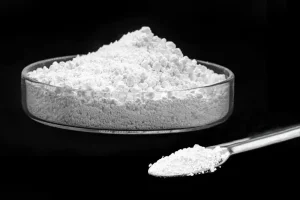
Analyzing the shifts in high-density floriculture, greenhouse automation, and the imperative role of fully soluble nitrogen and calcium salts.
The commercial cut-rose industry represents one of the most demanding sub-sectors of global horticulture. Valued at tens of billions of dollars annually, key production hubs across Naivasha (Kenya), the Savanna of Bogotá (Colombia), Cundinamarca (Ecuador), and the Yunnan Province (China) rely heavily on precise fertigation chemistry to meet rigorous export criteria. Modern floriculture demands stem lengths exceeding 70–90 cm, dense flower head circumferences, vibrant petal saturation, and an extended post-harvest vase life of 14 to 21 days. Achieving these commercial metrics consistently under automated glasshouse or high-tunnel environments is impossible without managing calcium nutrition at a structural level.
As commercial growers shift from legacy soil-based planting to hydroponic substrate systems (such as rockwool, coco coir, and volcanic pumice), the requirement for pure, instantly soluble plant nutrients has surged. Calcium Nitrate ($Ca(NO_3)_2$) stands as the backbone of Tank A fertigation formulations worldwide. Unlike non-specialized agricultural grade fertilizers that contain high levels of insoluble carbonates, heavy metals, or excessive sodium chloride, premium wholesale calcium nitrate supplies readily available calcium ($Ca^{2+}$) paired synergistically with nitrate-nitrogen ($NO_3^-$).
Understanding cellular wall architecture, xylem transport dynamics, and nitrate-driven cation uptake mechanisms in Rosa hybrida.
Calcium is an immobile structural element within plant tissue. Once deposited in cell walls, it cannot be remobilized to younger growth. In fast-growing stem shoots and expanding rose buds, $Ca^{2+}$ ions cross-link with pectic acid to form calcium pectate within the middle lamella. This biochemical "cement" provides mechanical strength to long stems, preventing the catastrophic "bent neck syndrome" post-harvest—a major cause of commercial floral rejection.
Unlike ammonium nitrogen ($NH_4^+$), which competes directly with calcium for root membrane uptake channels and acidifies rootzones, nitrate-nitrogen ($NO_3^-$) promotes the active absorption of essential cations ($Ca^{2+}$, $Mg^{2+}$, $K^+$). Furthermore, nitrate nitrogen provides an immediate, non-toxic nitrogen source that drives leaf expansion and chlorophyll synthesis without inducing weak, succulent foliage prone to pest attack.
Gray mold (Botrytis cinerea) hydrolyzes plant cell walls by releasing pectolytic enzymes. Tissues fortified with high calcium concentration display superior structural resistance against enzymatic breakdown. Maintaining target calcium concentrations in petal tissues drastically reduces cold-chain transit rot when flowers are shipped internationally via sea or air freight.
Calcium signals stress responses at the root plasmalemma. Under saline irrigation conditions (high Na+ concentrations), calcium ions displace sodium from root cell surface binding sites, maintaining cellular selectivity, preventing root tip necrosis, and preserving optimal hydraulic conductivity throughout high-transpiration bloom periods.
Comparing commercial grade standards for enterprise procurement, fertilizer blending, and high-frequency fertigation.
| Chemical / Physical Parameter | Horticultural Standard (Grade A Rose Hydroponics) | Standard Industrial / Commercial Grade | Agronomic Significance |
|---|---|---|---|
| Assay ($Ca(NO_3)_2 \cdot 4H_2O$) | ≥ 99.0% | ≥ 95.0% | Ensures maximum concentrated nutrient bioavailability per metric ton. |
| Total Nitrogen (N) | ≥ 15.5% (Nitrate-N ≥ 14.4%) | 15.0% | Prevents excessive ammonium toxicity and root zone pH crashes. |
| Calcium Oxide (CaO) / Ca | ≥ 26.5% (Ca ≥ 19.0%) | ≥ 25.0% | Direct precursor for middle lamella pectin cross-linking. |
| Water Insoluble Matter | ≤ 0.01% | ≤ 0.1% | Eliminates drip irrigation emitter plugging and filter backwashing downtime. |
| Heavy Metals (as Pb) | ≤ 5 ppm | ≤ 20 ppm | Prevents phytotoxic bioaccumulation in long-term substrate culture. |
| pH Range (10% Solution) | 5.0 - 7.0 | 4.5 - 7.5 | Minimizes secondary acid buffering requirements in fertigation mix tanks. |
| Iron (Fe) Content | ≤ 10 ppm | ≤ 50 ppm | Prevents unintended interaction with chelates (EDTA/DTPA) in Tank A. |
Leveraging dual-industry chemical synthesis expertise to deliver unmatched batch consistency and global logistics stability.
Established in 2010 with continuous industrial lineage driving back to 2000, our manufacturing facility spans over 1,000 acres. With an annual capacity of 600,000 tons of high-grade nitrate salts (including Potassium Nitrate, Calcium Nitrate, and Molten Salts), we provide stability against global market supply shocks.
Our engineering team synthesizes nitrate salts for both agricultural fertigation and concentrated solar power (CSP) thermal energy storage systems. Thermal energy grade requirements enforce absolute chemical purity and near-zero impurity thresholds, which directly benefits our agricultural product line quality.
We provide seamless export operations with custom ocean shipping options, break-bulk capability, multi-layer moisture-proof anti-caking packaging (25kg bags, 1000kg jumbo bags), and full support for REACH, ISO 9001, and local import quarantine certifications globally.
Standard operational practices for managing Calcium Nitrate in modern automated recirculating and drain-to-waste hydroponics.
Always dissolve Calcium Nitrate in Tank A alongside Potassium Nitrate and Iron Chelates (Fe-EDTA/DTPA). Never combine concentrate Calcium Nitrate with Sulfates ($MgSO_4$) or Phosphates ($KH_2PO_4$) in Tank B to prevent irreversible Gypsum ($CaSO_4$) precipitation.
For vegetative stem extension in cut roses, target 160 – 200 ppm elemental Ca ($Ca^{2+}$) and 150 – 180 ppm Nitrate-N ($NO_3^-$). During peak bloom development, maintain EC (Electrical Conductivity) between 1.6 to 2.2 mS/cm depending on ambient vapor pressure deficit (VPD).
Boron is necessary for calcium translocation across root cell membranes. Maintain a precise Ca:B stoichiometry in the rootzone (approx. 100:1 ratio) to ensure active calcium uptake even under low transpiration conditions (e.g., cloudy winter days).
Monitor slab drainage pH daily. Nitrate absorption by rose roots releases hydroxyl ($OH^-$) ions, naturally buffering substrate pH within the ideal 5.5 to 6.2 range, reducing the need for aggressive nitric or phosphoric acid additions.
Complete traceability, international shipping security, and regulatory documentation for commercial bulk importers.
Shanxi Vojin New Materials Co., Ltd. operates under strict Quality Management Systems certified under ISO 9001:2015 and Environmental Management Systems ISO 14001:2015. Every shipment is issued a comprehensive Certificate of Analysis (COA) verified via ICP-OES spectroscopy.
Recognizing that maritime transport across high-humidity tropical lanes can compromise salt structure, our bulk packaging utilizes custom-engineered 25kg PP/PE woven bags with inner PE liners, or 1000kg heavy-duty UV-stabilized flexible intermediate bulk containers (FIBCs).
Addressing commercial buyers', agronomists', and fertilizer blenders' critical operational queries.
While Calcium Chloride provides calcium, it introduces excessive chloride ($Cl^-$) ions into the rootzone. Cut roses are sensitive to chloride accumulation, which causes leaf margin necrosis, osmotic stress, and reduced yield. Calcium Nitrate provides nitrogen in the beneficial nitrate ($NO_3^-$) form without imposing salt stress.
Standard agricultural CAN contains significant ammonium ($NH_4^+$) and inert limestone filler, rendering it only partially soluble and unsuitable for drip hydroponics. Horticultural Grade Calcium Nitrate is fully water-soluble crystal or prill formulation with minimal ammonium (< 1.5%), tailored specifically for closed-loop fertigation systems.
Bent neck occurs when the vascular tissue immediately below the floral receptacle lacks sufficient cell wall strength, collapsing under the weight of the flower head. Calcium Nitrate provides systemic $Ca^{2+}$ required for synthesizing robust cell wall pectin matrixes, supporting heavy blooms throughout transit.
Our standard export MOQ is 20 Metric Tons (one 20ft full container load). Backed by our 600,000-ton capacity, standard production lead time is 7 to 14 days, with port departure from Tianjin or Qingdao, China.
Yes, low-concentration foliar applications (0.5% – 1.0% solution) can provide rapid emergency calcium during prolonged overcast weather when transpiration rates drop. However, root fertigation remains the primary method for long-term canopy uptake.
Explore our broader industrial and agricultural inorganic salt formulations.
Discover high-purity inorganic chemical lines engineered for energy and agricultural breakthroughs.
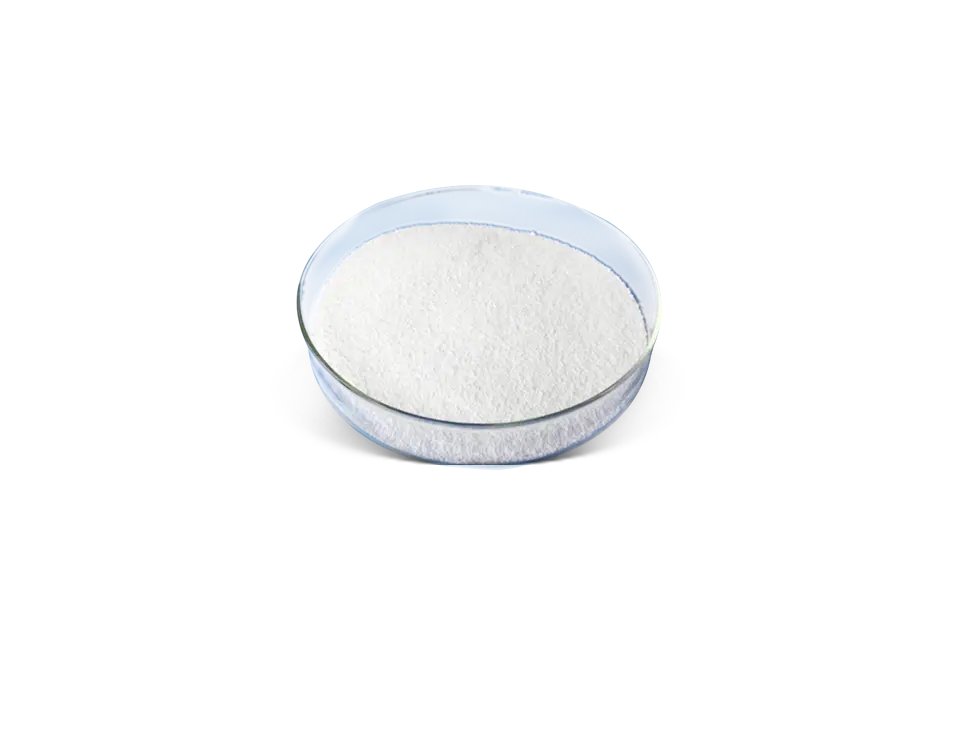
High-purity sodium, potassium, and calcium nitrate formulations for enterprise fertigation and heat transfer applications.
View Category
Fully water-soluble large element and trace element macro-nutrient fertilizers for modern greenhouse crops.
View Category
Specialty chemical intermediate products refined under strict environmental synthesis standards.
View CategorySpecialty chemical agents for high-grade optical glass treating.
Explore SolutionThermal transfer salts replacing conventional coal heating setups.
Explore SolutionPrecision fertigation inputs for enterprise commercial greenhouse crops.
Explore SolutionDriven since 2000, Shanxi Vojin New Materials Co., Ltd. has been committed to an entrepreneurial spirit and passion for chemical innovation. Our engineering team takes pride in delivering dependable products and services with a quality distinction in thermal energy storage & water-soluble fertilizer industries globally.
Our years of manufacturing experience and refined synthetic processes provide your commercial enterprise with superior crop performance, high solubility guarantees, and competitive global bulk delivery.
Read More About Us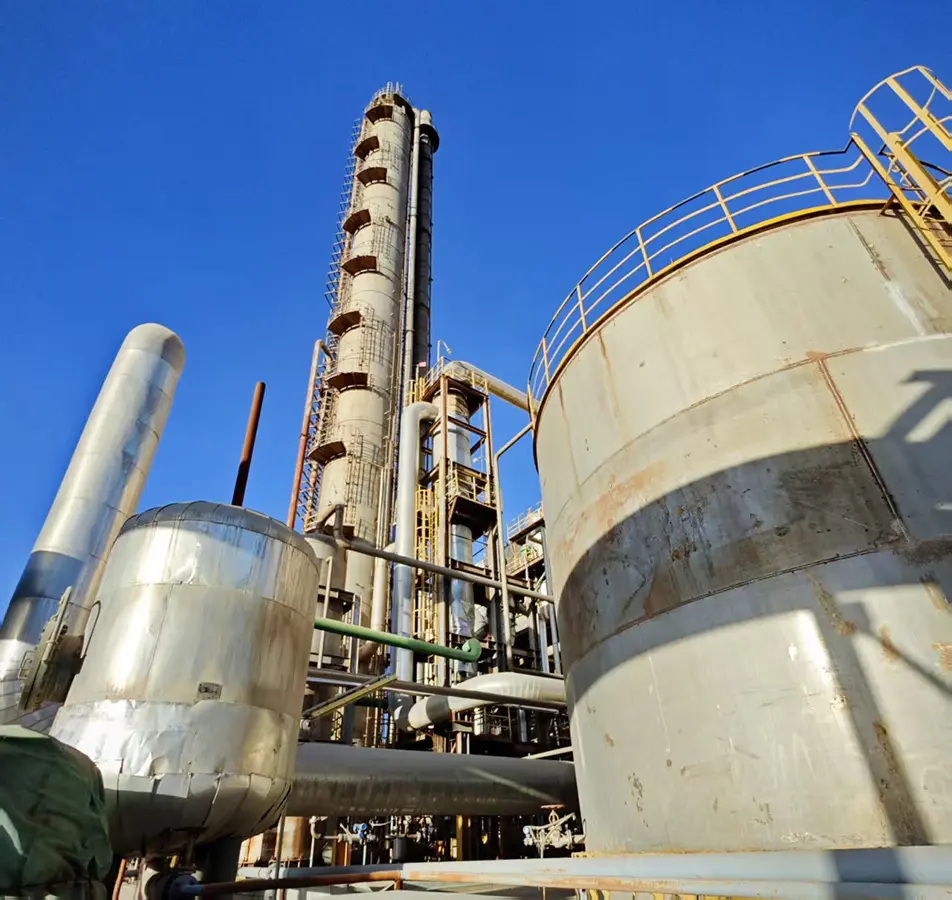
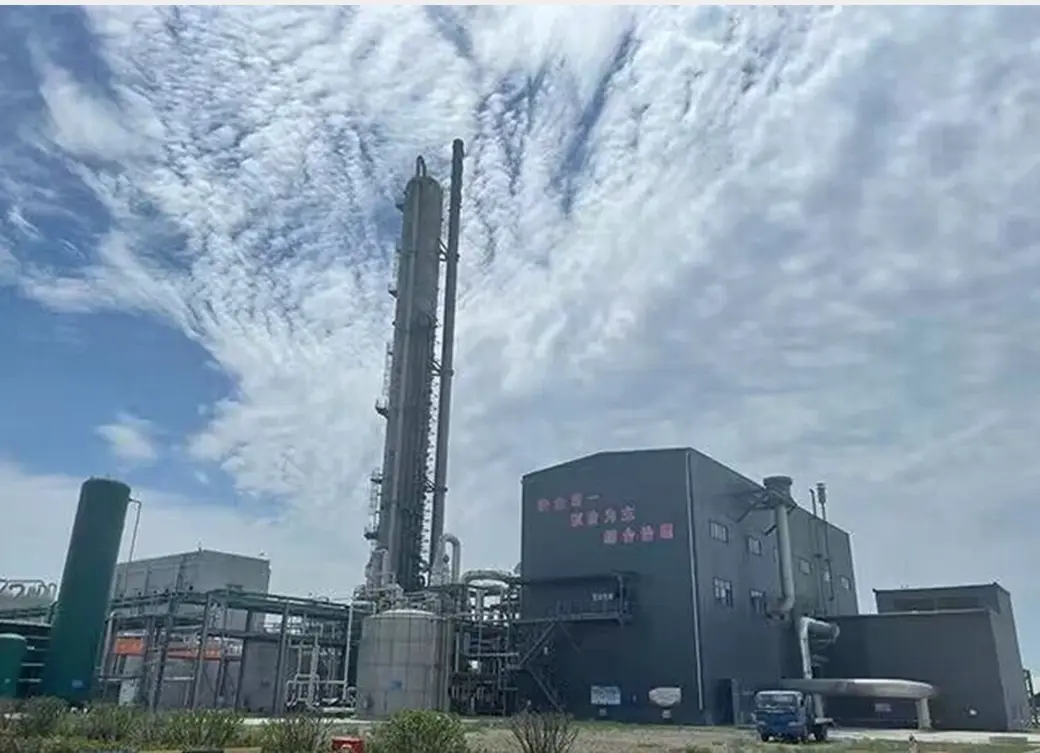
Stay informed with technology developments in thermal salt energy storage and specialized agricultural nutrition.
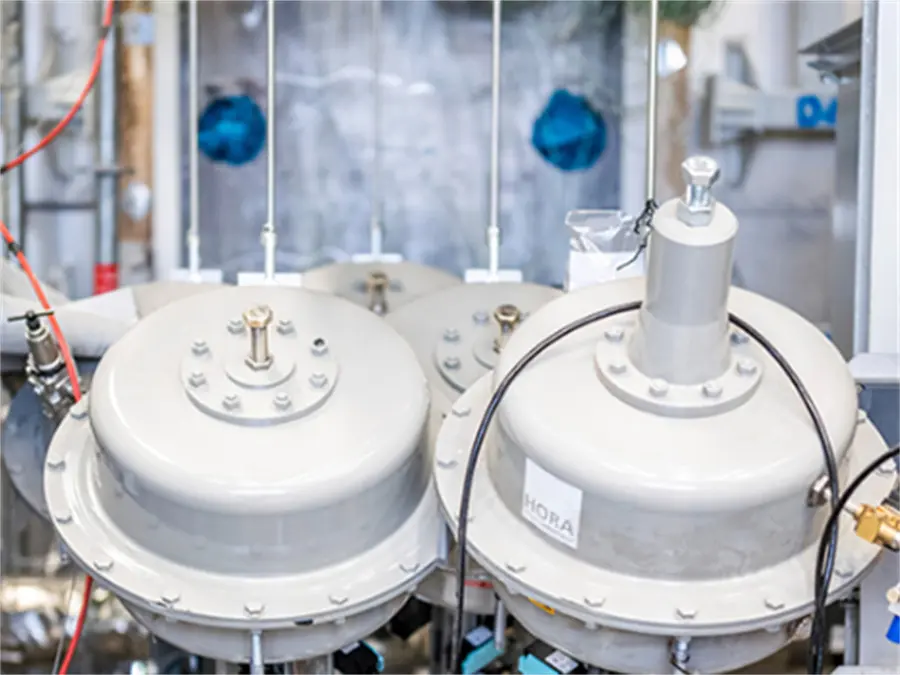
The molten salt technology can operate at ultra-high temperatures, significantly impacting solar conversion efficiency...
Read Full Article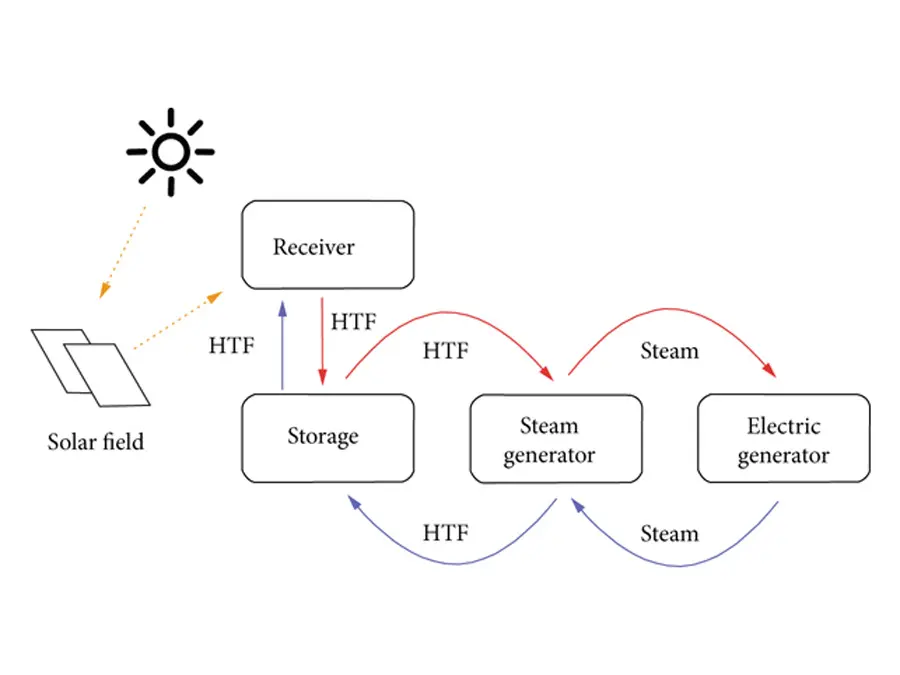
A concentrated solar power plant converts solar energy into reliable electricity via high-purity nitrate salt loops...
Read Full Article
Molten salt energy storage has emerged as a key technology enhancing modern green power grid efficiency worldwide...
Read Full ArticleFor many years, we have successfully met the stringent quality requirements of globally reputed enterprise customers.











 VOJIN
VOJIN