China Potassium Nitrate Food Manufacturer & Factories

Pioneering High-Purity Food-Grade Nitrate Solutions for Global Logistics & Distribution

China Potassium Nitrate Food Grade: Whitepaper & Strategic Procurement Guide

Uncovering technical standards, production advantages, supply chain frameworks, and compliance paradigms of food-grade potassium nitrate.

1. The Crucial Role of Food-Grade Potassium Nitrate (E252) in Food Processing

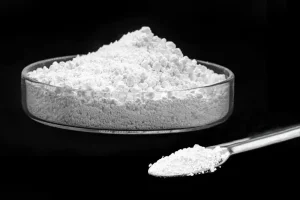
Potassium Nitrate (KNO₃), systematically identified as E252 within the European Union and recognized globally under international food additive frameworks, acts as a pivotal preservation agent, color stabilizer, and antimicrobial compound. Throughout modern food technology, the demand for high-purity food-grade potassium nitrate has surged. Industrial processors rely on its specific chemical characteristics to prevent bacterial propagation, optimize biochemical reactions, and extend the viability of perishable items.

Unlike industrial grades used primarily in metallurgy, ceramic glass manufacturing, or fertilizers, food-grade potassium nitrate requires meticulous refinement. The presence of trace heavy metals, chloride impurities, or moisture content can compromise not only the chemical integrity of the preservation process but also threaten compliance with international food safety codes (such as FDA, FCC, and European Food Safety Authority directives). Therefore, sourcing from accredited manufacturers with advanced purification infrastructures is a strategic necessity for global purchasing departments.

Key Insight: True food-grade potassium nitrate is characterized by a purity level exceeding 99.5%, with stringent control over heavy metal impurities: Lead (Pb) < 2 mg/kg, Arsenic (As) < 3 mg/kg, and Carbonates/Chlorides reduced to minimal fractions.

2. Why Partner with Chinese Factories for Food-Grade KNO₃?

China's chemical sector has transitioned from a high-volume manufacturing model to a sophisticated, quality-driven production hub. Prominent manufacturers, notably located in chemical resource-rich regions like Shanxi, integrate vertical raw material access with cutting-edge synthesis methods.

  • Integrated Raw Material Chains: By centering production close to crucial deposits of potassium carbonate and nitrogenous precursors, Chinese factories bypass external supply shocks, ensuring continuous volume outputs.
  • Refinement Technologies: Advanced multi-stage crystallization systems remove sodium, chloride, and heavy metal ions, producing ultra-pure, uniform crystals suitable for the global food industry.
  • Logistical Advantages: Established supply corridors link manufacturing plants directly to major deepwater ports (such as Tianjin, Qingdao, and Shanghai), reducing transport delays and cargo moisture exposure risks.
  • Economic Scales: High capacity utilization enables cost efficiencies that allow factories to offer competitive pricing without lowering strict E-E-A-T manufacturing parameters.

3. Technical Specifications & Quality Standards Matrix

For quality assurance professionals, evaluating chemical manufacturers depends on clear analytical standards. Food-grade potassium nitrate must conform to distinct parameters. Below is the operational comparison of standards observed by premier Chinese food-grade exporters:

Typically, the chemical formula KNO₃ must demonstrate high thermal stability and rapid solubility. Certified plants ensure that the crystalline layout prevents caking under humid maritime shipping conditions. Standard packaging protocols call for multi-layered paper-plastic composite bags with PE inner liners, often customized into 25kg bags or 1000kg bulk containers depending on customer processing requirements.

Purity & Active Content

Minimum purity threshold of 99.5% with total control over alkaline metals. Fully compliant with Food Chemicals Codex (FCC) standards.

Heavy Metal Mitigation

Ensuring Lead (Pb) < 2 ppm, Arsenic (As) < 2 ppm, and Mercury (Hg) < 1 ppm via advanced double-crystallization techniques.

Anti-Caking and Packaging

Zero chemical anti-caking agents added. Pure crystalline form protected by high-barrier moisture-proof composite packaging.

4. Strategic Procurement: Navigating Global Regulatory and Safety Certifications

Global enterprise buyers face complex regulatory landscapes. When procuring from China, verification of safety standards is essential. Leading manufacturers maintain comprehensive certification matrices to streamline customs clearance and quality verification processes:

  • ISO 9001:2015 & ISO 22000: Standardizes quality management and specific food safety protocols throughout production.
  • HACCP Compliance: Hazards Analysis Critical Control Point matrices ensure no physical, chemical, or biological contamination risks occur during the crystallization and packaging phases.
  • Kosher and Halal Verification: Ensures the chemicals comply with cultural and dietary regulatory markets worldwide.
  • Reach Registry: Necessary for European imports, proving that the chemical substances meet strict regional safety and environmental benchmarks.

We Manufacture High-Performance Renewable Products

Operating out of state-of-the-art facilities, we provide high-caliber chemical solutions to critical global sectors.

15+
Years Experience
Refining manufacturing quality & supply logistics
600K
Tons Capacity
Annual output capability for molten salts & nitrates
40+
Export Regions
Delivering approved products globally
1000
Acres Facility
Large industrial manufacturing area in Shanxi

Core Enterprise Advantages

Export Operations

Integrated processing capabilities ensuring high quality and seamless global delivery documentation.

Production Volume

600,000 tons annual capacity of molten salts and industrial/food nitrates for bulk buyers.

Technical Services

Experienced technical support and rapid response to complex customer issues.

Broad Selection

Multiple chemical grades (KNO₃, NaNO₃, etc.) to meet specific regional specifications.

Industrial & Food Applications of Potassium Nitrate

Our solutions cater to multiple critical industries, ensuring process efficiency and product stability.

Thermal Energy Storage

High-purity molten salts optimized for Concentrated Solar Power (CSP) plants, serving as heat transfer media.

Display Devices

Used in chemical strengthening of cover glass for smart devices and specialized monitor screens.

Industrial Steam & Heating

High-temperature heat transfer systems and coal conversion processes requiring thermal stability.

Agricultural Technology

Formulating high-efficiency water-soluble fertilizers to optimize crop yields and soil quality.

About Us

SHANXI VOJIN NEW MATERIALS CO., LTD.

Established in 2010, with roots extending back to 2000, Shanxi Vojin New Materials Co., Ltd. has developed into a reliable chemical manufacturer. Our team is dedicated to providing high-performance products and services to the thermal energy storage and water-soluble fertilizer industries globally.

By combining advanced processing methods with local mineral resources in Shanxi, we ensure consistent product quality across all batches. Our facilities maintain strict safety guidelines, helping us build a reputable position in the international chemical sector.

Discover More
Latest Industry Developments

Stay updated on technological milestones in thermal energy storage and industrial nitrate applications.
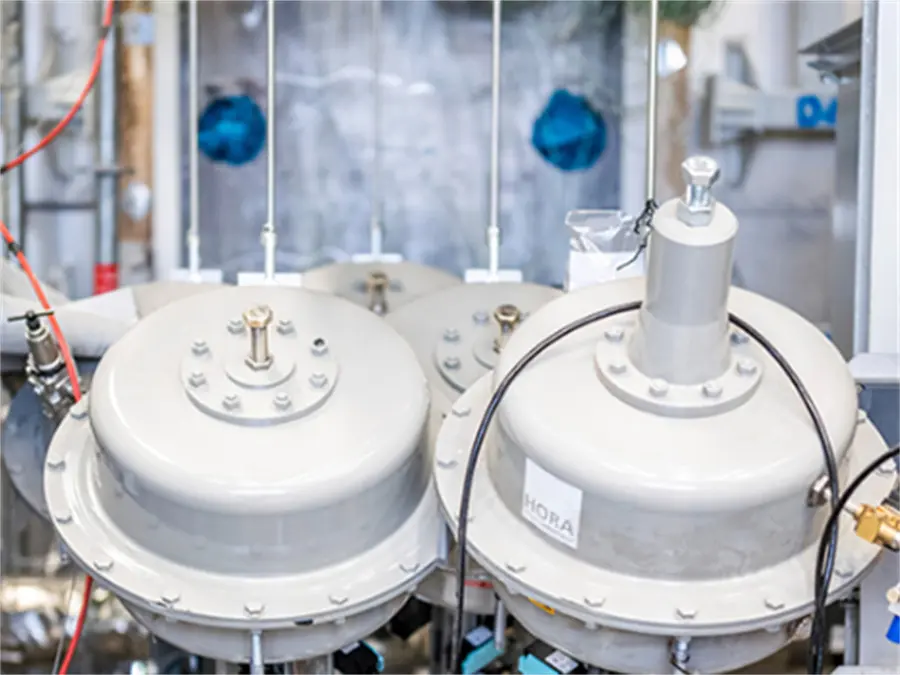
Storing the sun
08.03.2024

Storing the sun: Advanced CSP Milestones

Discover how high-temperature molten salts are increasing solar energy storage efficiency globally.

Read Article
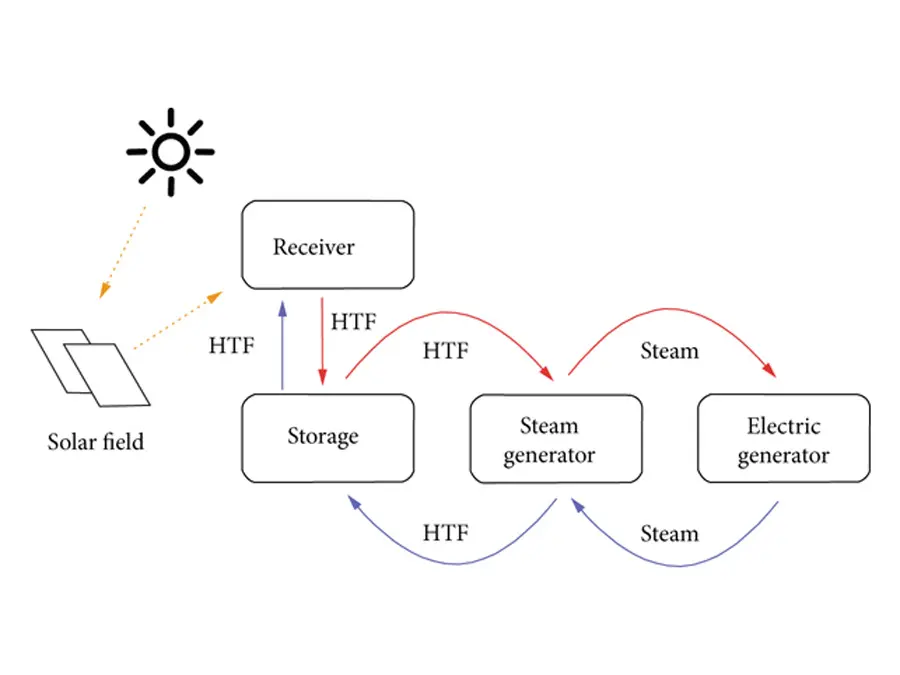
Molten Salt Power Plants
08.03.2024

Molten Salt Power Plants Progress

Concentrated solar power systems convert solar radiation into electricity using molten salt buffers.

Read Article

Molten Salt Energy Storage
08.03.2024

Molten Salt Energy Storage Trends

An evaluation of grid-scale energy storage options and the function of high-purity chemical salts.

Read Article

Global Enterprise Trust

Meeting the strict chemical safety and performance requirements of companies worldwide.
Expert Procurement FAQ: Food Grade Potassium Nitrate

Addressing crucial regulatory, safety, and logistical questions for international procurement teams.

Q1: What parameters distinguish Food-Grade Potassium Nitrate (E252) from Industrial-Grade?
Food-grade potassium nitrate must conform to strict purity metrics, typically exceeding 99.5% active KNO₃ content. Unlike industrial grades, it requires the mitigation of trace heavy metals. The Food Chemicals Codex (FCC) restricts Arsenic to < 3 ppm and Lead to < 2 ppm. Industrial grade, which is suited for glass treatment or fertilizers, permits higher concentrations of chlorides, sodium, and organic impurities that are unsuitable for food processing.
Q2: How does Shanxi Vojin control heavy metal contamination during crystallization?
Our facilities employ multi-stage recrystallization processes where temp differentials are adjusted to isolate KNO₃ while keeping heavy metals and sodium salts in the mother liquor. Every batch is analyzed using ICP-MS (Inductively Coupled Plasma Mass Spectrometry) to confirm trace metals remain below food safety regulations before packaging.
Q3: What certifications do Vojin factories hold for international trade compliance?
Our manufacturing processes conform to ISO 9001 and ISO 22000 food safety regulations. In addition, our materials are Halal and Kosher certified, ensuring compatibility with global food product standards. REACH registrations are also maintained for the European Union market.
Q4: What are the standard packaging configurations for bulk exports?
The standard configuration includes 25kg multi-layer Kraft paper bags with an inner PE moisture barrier to prevent caking during transport. For high-volume manufacturing facilities, we offer 1000kg or 1200kg UV-resistant PP jumbo bags. Custom packaging options can be arranged depending on client requirements.
Q5: How does shipping humidity affect crystalline caking, and how is it managed?
Potassium nitrate is moderately hygroscopic. To minimize caking during maritime transport, we control the moisture content of the crystals to < 0.1% during drying. Using container desiccant systems and high-barrier PE liners helps protect the product during long transit periods.
Q6: What is the typical lead time for a FCL (Full Container Load) order?
For standard products, lead time ranges from 10 to 15 business days from order confirmation to port delivery. Custom specifications or custom packaging configurations may require an additional 5 to 7 days for production adjustment and QA testing.
Q7: Can food-grade potassium nitrate be stored alongside other food chemicals?
Potassium nitrate is classified as a strong oxidizer. It should be stored in dry, cool, well-ventilated conditions away from direct heat sources and reducing agents. Keep storage separate from organic compounds, acids, and active metals to maintain safety standards.