Explore our high-performance technical-grade, agricultural-grade, and premium molten salt compound portfolio.
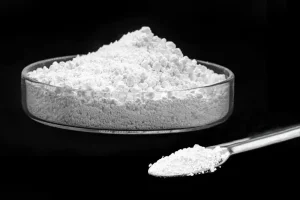
Potassium nitrate, an inorganic chemical compound with the formula KNO₃, is a crystalline salt with a highly integrated history of industrial chemistry, serving as a pillar for modern high-performance materials, clean energy ecosystems, and highly refined agrochemical sectors. Globally, the demand for specialized, low-impurity potassium nitrate is surging as the world shifts toward Concentrated Solar Power (CSP) systems and advanced micro-irrigation methodologies.
Potassium nitrate stands as a core nitrogen-potassium compound featuring a rich concentration of 13.7% nitrate-nitrogen and 46% potassium oxide (expressed as K₂O). Unlike standard potash compounds (such as potassium chloride), KNO₃ represents a chloride-free source of potassium. This structural configuration is vital for agriculture, specifically for chloride-sensitive high-value cash crops such as citrus, tobacco, berries, and greenhouse vegetables, where chloride toxicity can systematically ruin crop yields.
Beyond agricultural uses, high-purity industrial grade potassium nitrate plays an indispensable role in thermal energy storage (TES). In Concentrated Solar Power (CSP) facilities, binary molten salt mixtures comprising 60% sodium nitrate (NaNO₃) and 40% potassium nitrate function as heat transfer and storage media. Operating at temperatures exceeding 560°C, these molten salts store thermal energy with high efficiency, facilitating 24/7 continuous baseload solar power generation. This clean energy wave has positioned large-scale Chinese chemical manufacturers, like Shanxi Vojin New Materials Co., Ltd., at the forefront of the global energy transition.
China's Shanxi province acts as a global epicenter for nitrate compound processing due to its rich inorganic raw material deposits and integrated industrial chains. Shanxi Vojin New Materials Co., Ltd., driving innovations since 2000, utilizes advanced double-decomposition (metathesis) manufacturing methodologies, reacting ammonium nitrate with potassium chloride to generate premium potassium nitrate crystals. Through continuous crystallization, centrifugal extraction, and multi-stage purification, the company consistently delivers high-purity grades required for specialized display device manufacturing and optical glass tempering.
Refining raw materials into specialized categories to power downstream industries.
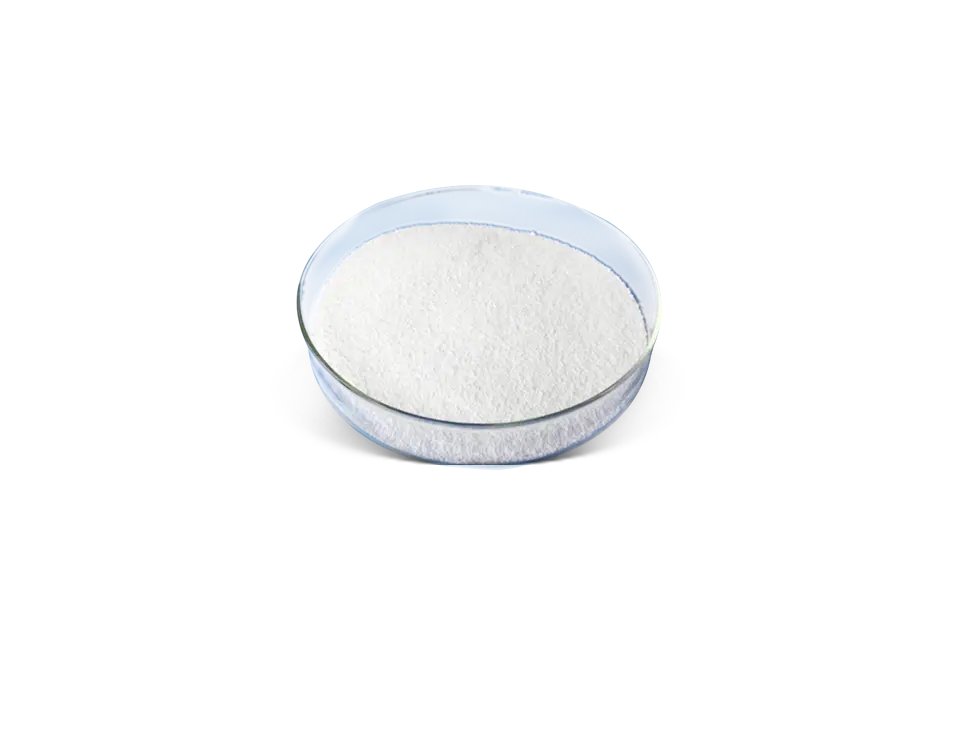
High purity industrial nitrates, including Sodium Nitrate and Potassium Nitrate, customized for molten salt and industrial application scenarios.

100% water-soluble large and trace element fertilizers formulated for direct foliar spray and pressurized micro-irrigation systems.
Industrial co-products refined to maximize chemical efficiency while advancing circular economy goals within local factories.
How our engineering-grade chemical formulations support energy, modern electronics, and crop nutrition.
Pioneering Global Chemical Supply Chains & Custom Formulations Since 2000
Founded with a focus on innovation and environmental efficiency, Shanxi Vojin New Materials Co., Ltd. has established itself as an authoritative manufacturer of molten salt media and high-end water-soluble fertilizers. Over more than two decades, we have continuously improved our purification chemistry, shifting from basic local operations to an integrated international exporting enterprise.
We pride ourselves on providing high-quality chemical formulations to over 40 countries and regions globally. Our facilities cover a manufacturing area of approximately 1,000 acres, equipped with computerized crystallization systems and strict ICP-MS impurity analyzers. This ensures every batch of potassium nitrate, sodium nitrate, and calcium nitrite meets international purity and quality standards.
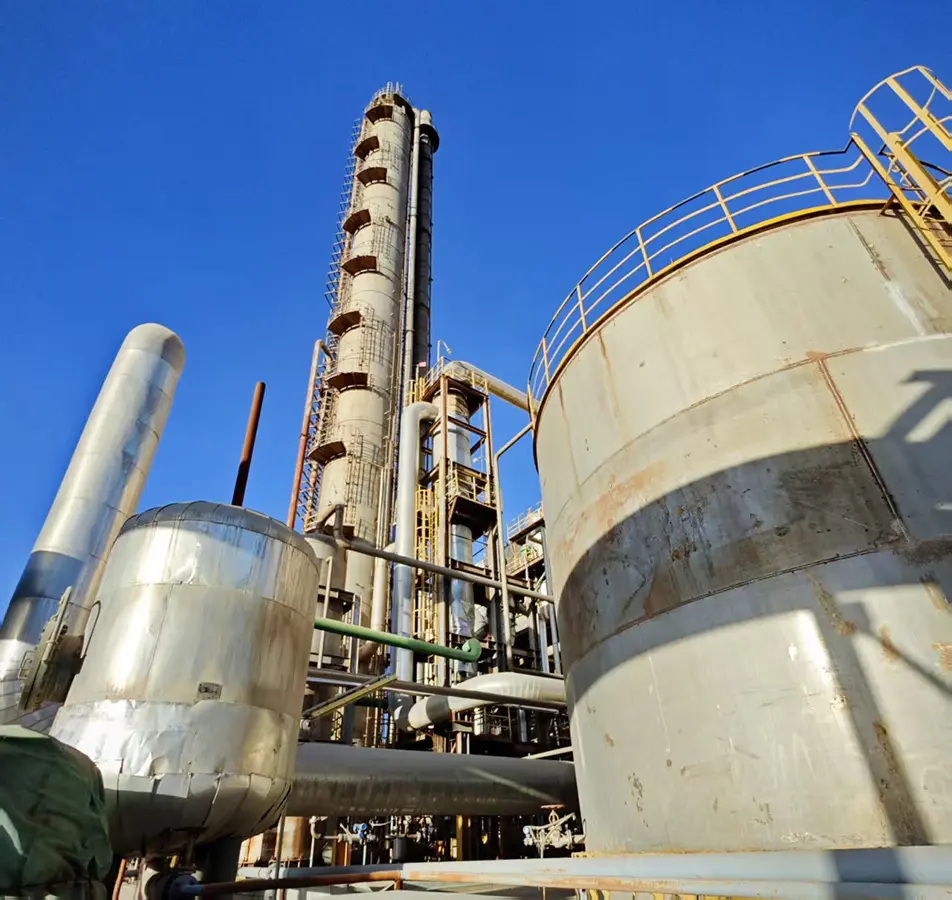
Established basic synthesis lines for sodium nitrate and potassium nitrate to supply regional chemical industries.
Constructed a new 1,000-acre production plant, increasing annual output capacity for agricultural and technical grades.
Optimized low-chloride (Cl < 0.01%) potassium nitrate processing, gaining approval from major solar thermal power plant projects.
Implementing low-carbon chemical synthesis processes and developing specialized crop nutrition programs.
The manufacturing process of potassium nitrate generally relies on two primary chemical pathways: the double decomposition (metathesis) process and the neutralization process. Understanding these routes is critical for industrial procurement officers matching specific purity profiles to down-stream application requirements.
1. Double Decomposition (Metathesis): This is the dominant production route in Shanxi, utilizing readily available potassium chloride (KCl) and ammonium nitrate (NH₄NO₃) or sodium nitrate (NaNO₃). The reaction formula is:
NaNO₃ + KCl ↔ KNO₃ + NaCl
Due to the temperature-dependent solubility curve of KNO₃, which rises sharply as temperature increases compared to NaCl, separation is achieved through thermal concentration and fractional crystallization. Proper purification is essential to minimize chloride contamination, which can accelerate high-temperature oxidation in molten salt heat exchangers.
2. Direct Neutralization: This reaction involves nitric acid (HNO₃) and potassium carbonate (K₂CO₃) or potassium hydroxide (KOH). This pathway yields ultra-pure potassium nitrate with minimal chloride content, suitable for electronic-grade display glass chemical tempering. However, it requires significant energy inputs and higher raw material costs.
As governments work to decarbonize power grids, Concentrated Solar Power (CSP) plants have become key infrastructure. Unlike photovoltaic (PV) solar farms, which require large lithium-ion battery packs to store power, CSP facilities focus sunrays onto a central receiver tower. Here, molten nitrate salts are pumped through to capture the heat.
This process uses a mixture of 60% Sodium Nitrate and 40% Potassium Nitrate. This specific ratio results in a low melting point (approx. 220°C) and remains stable up to 600°C. In this application, potassium nitrate acts as a thermal buffer, absorbing heat during daylight hours and releasing it to steam turbines during peak demand or overnight. Consequently, low-chloride nitrates are vital to prevent corrosion of stainless steel storage tanks and transfer piping.
During potassium-nitrate-based chemical strengthening of display glass (such as smart phone screens), glass panels are submerged in a molten potassium nitrate bath at around 400°C. Potassium ions (K⁺, radius 138 pm) exchange with smaller sodium ions (Na⁺, radius 102 pm) on the glass surface, generating a high compressive stress layer that increases drop resistance and durability.
In hydroponics and modern agriculture, potassium nitrate provides highly soluble nutrients. The nitrate-nitrogen (NO₃⁻) is easily absorbed by plants, promoting the intake of essential cations like potassium (K⁺), calcium (Ca²⁺), and magnesium (Mg²⁺) to support plant growth and fruit quality.
Stay updated on new technologies in thermal energy storage and advancements in chemical manufacturing.
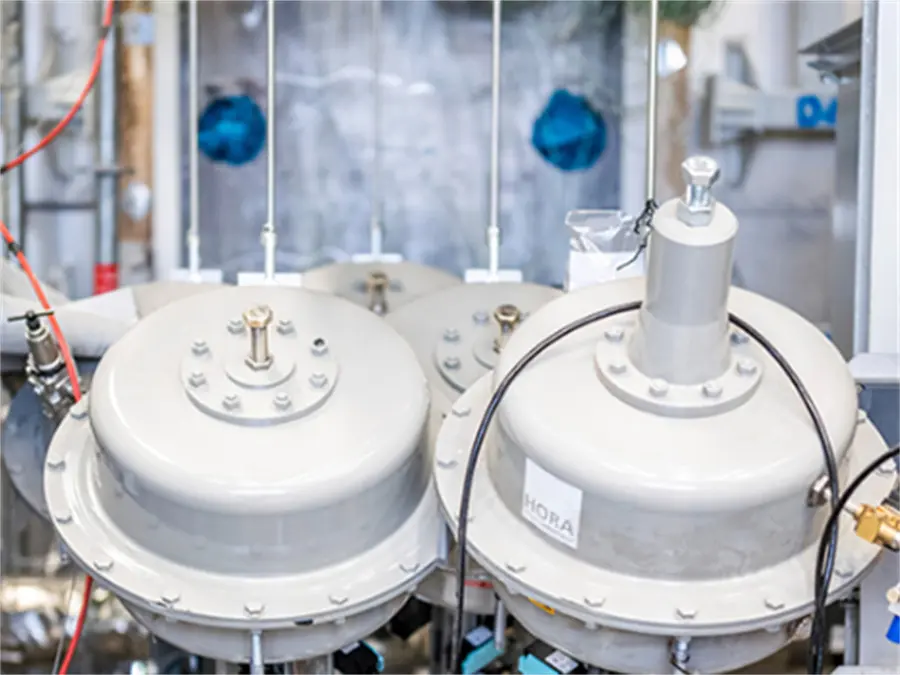
Industrial technical-grade nitrates are enabling solar plants to operate at higher temperatures, directly improving steam turbine efficiency and grid reliability.
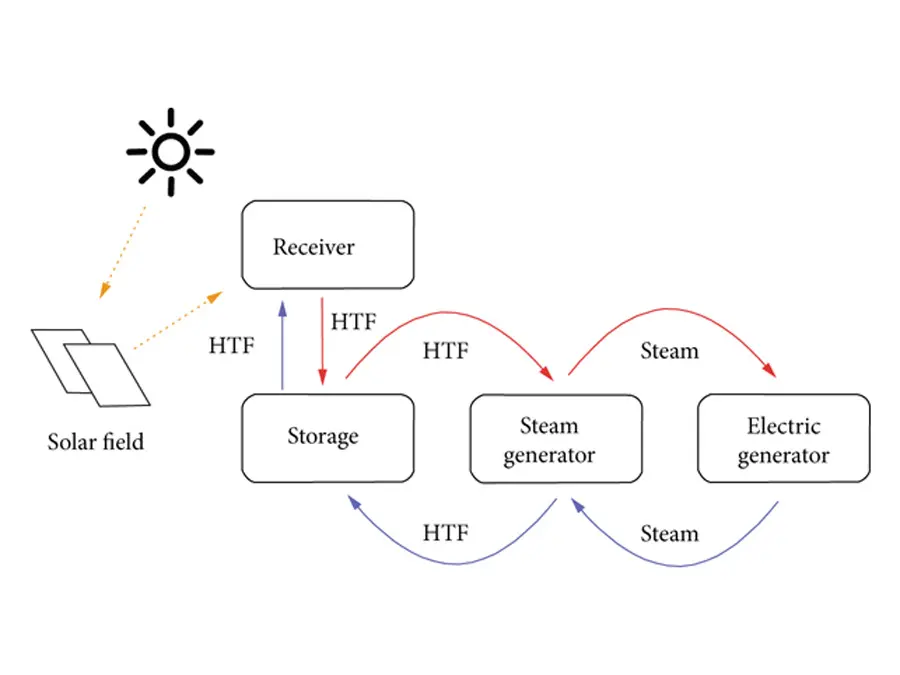
Concentrated solar plants convert solar energy into baseload electricity using binary nitrate salts to store heat for dispatchable power generation.

Recent studies highlight molten salt thermal storage as a cost-effective utility-scale solution for grid stabilization.
Expert answers to common questions about industrial potassium nitrate specifications, applications, and logistics.





Detailed product specifications for industrial manufacturing, water purification, and agriculture.
 VOJIN
VOJIN