China Molten Salt Explosion Safety Solutions & Premium Factories

Leading Thermal Energy Storage (TES) Engineering & High-Purity Inorganic Salt Manufacturing for Zero-Runaway Industrial Applications

Premium Nitrate & Molten Salt Products

Explore our industrial-grade and chemical-grade product catalog, engineered to meet the highest safety and purity parameters.
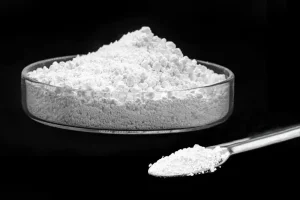
Wholesale Calcium Ammonium Nitrate

Wholesale Calcium Ammonium Nitrate,Vojin New Materials,Fertiliser Manufacturers, Factories

View Details
China Lithium Carbonate

China Lithinm Carbonate,Vojin New Materials,Gypsum Suppliers, Factory

View Details
Wholesale Molten Salt Power Plants

Wholesale Molten Salt Power Plants,Vojin New Materials Supplier, Suppliers

View Details
China Monoammonium Phosphate

China Monoammonium Phosphate,Vojin New Materials,Phosphate Fertiliser Manufacturer, Manufacturers

View Details
China Potassium Carbonate

China Industrial Grade Potassium Carbonate Manufacturers, Supplier

View Details
Wholesale Water Soluble Fertilizer

Wholesale Large Element Water Soluble Fertilizer Suppliers, Factory

View Details
China Organic Water Soluble Fertilizer

China Organic Water Soluble Fertilizer Manufacturer, Factory

View Details
China High Purity Potassium Nitrate

China High Purity Potassium Nitrate,Vojin New Materials Manufacturers, Suppliers

View Details

Engineering Safety and Mitigating Risks in Molten Salt Thermal Applications

A Technical Whitepaper on Safety Protocols, Chemical Specifications, and Explanatory Mechanics in High-Temperature Systems

1. Understanding the "Molten Salt Explosion" Risk Profile

In modern concentrated solar power (CSP) generation, nuclear research, and industrial metallurgy, molten salts (primarily eutectic mixtures of Sodium Nitrate and Potassium Nitrate) are favored for their superb thermal conductivity, low vapor pressure, and high heat storage capacities. However, at operational temperatures ranging from 290°C to well over 565°C, ensuring safety against potential thermal runaway and rapid phase change events is paramount. Industrial terminologies like "molten salt explosion" refer to two distinct types of physical and chemical hazards:

  • Physical Steam/Vapor Explosions: Occurs when liquid water penetrates a vessel containing superheated molten salt. Since the salt operates far above the boiling point of water, any water contact causes an instantaneous phase change to steam, expanding over 1,700 times in volume and causing severe mechanical overpressure and physical explosions.
  • Chemical Thermal Decomposition Explosions: Direct runaway reactions initiated when molten salts exceed their thermal stability limit (typically over 600°C for standard nitrates), decomposing into highly oxidizing gaseous oxides of nitrogen (NOx) and oxygen, which can feed combustion or trigger explosive decompression if containment fails.

Preventing these hazards requires strict moisture control, meticulous purity levels of raw materials, and robust pressure relief systems. As a leading manufacturer, Shanxi Vojin New Materials Co., Ltd. adopts strict standards to produce anhydrous, highly purified nitrate salts that minimize moisture absorption and avoid secondary reactions.

2. Technology Roadmap & Future Outlook

Our technical roadmap focuses on increasing the thermal envelope of eutectic salts while maintaining low melting points and superior chemical stability. Traditional Solar Salt (60% NaNO3 and 40% KNO3) is undergoing significant research and development modifications to expand safety and energy storage densities.

Thermal Generation Technology Salt Composition (wt%) Operating Temperature Range Decomposition Limit Explosion Risk Level
Standard Binary Solar Salt 60% NaNO3 / 40% KNO3 290°C - 565°C > 600°C Low (Under Controlled Conditions)
Ternary Low-Melting Eutectic Hitec (53% KNO3 / 40% NaNO2 / 7% NaNO3) 142°C - 535°C > 580°C Medium (High oxidation potential)
Quaternary Novel Formulations Nitrate-Nitrite-Carbonate combinations 80°C - 620°C > 660°C Ultra-Low (High thermal limit)

Future advancements are shifting towards adding trace nanoparticle oxides (such as silica or alumina) into the molten salt matrices. These nanoparticles increase specific heat capacity by up to 15-20% and stabilize the salt against thermal degradation, which significantly reduces the possibility of temperature spikes that cause pressure runaways. Additionally, developing organic and metal corrosion inhibitors will prevent vessel wall erosion, eliminating structural failures that permit external moisture contamination.

3. Macro Industry Solutions

Shanxi Vojin New Materials provides a comprehensive suite of macro-level solutions configured to safely integrate thermal storage materials into heavy industry:

  • Concentrated Solar Power (CSP) Integration: We deliver custom binary nitrate mixtures designed to circulate through central receiver towers. Our salts are engineered with very low halide content (<100ppm chloride), preventing pitting corrosion in SS317 or Inconel heat exchangers, thereby preventing catastrophic thermal loop ruptures.
  • Coal-to-Clean Energy Infrastructure: Retrofitting thermal power plants by converting retired coal boilers into molten salt thermal storage units. This process requires robust, high-volume safety metrics and explosive-containment engineering designed around our high-grade KNO3 and NaNO3 components.
  • High-Temperature Heat Transfer Systems: For synthetic chemical industries and metal processing lines that require precise temperatures over 400°C without the high pressures of steam systems, our thermal-stable mixtures replace direct-fired systems, dramatically reducing industrial fire hazards.

Industrial Capabilities & Track Record

Delivering dependable products and services globally since 2000

15Yr+
Manufacturing Experience
Thermal energy storage & water-soluble fertilizer industries
600KT
Annual Production
Ensuring consistent bulk supply for global clean energy projects
50+
Products Exported
Shipped securely to more than 40 countries and regions
1000Ac
Manufacturing Area
State-of-the-art Chinese smart factories and raw warehouses

4. China Factory 4.0: Supply Chain Resilience & Efficiency Advantages

The manufacturing ecosystem of Shanxi Vojin New Materials Co., Ltd. is built upon the Industry 4.0 paradigm, combining automated processing with rigorous chemical safety compliance.

Our facilities utilize automated raw material handling systems that operate in humidity-controlled environments. Since nitrates are highly hygroscopic (moisture-absorbing), keeping ambient humidity below critical thresholds during crystallization and packaging is essential to prevent caking and potential water-salt vapor hazard potentials down the road. Our production process integrates:

  • Continuous ICP-OES Analysis: Inductively Coupled Plasma Optical Emission Spectroscopy is conducted every two hours to monitor trace metals, ensuring that trace contaminants like magnesium, calcium, and heavy metals are kept below strict PPM thresholds. High levels of magnesium/calcium act as catalytic impurities that reduce the decomposition temperature of the solar salt, introducing explosion hazards in the high-temperature range.
  • DCS Automated Control: The synthesis and recrystallization processes are managed via Distributed Control Systems (DCS), ensuring perfect thermal stability, uniform crystalline grain distribution, and precise chemical batching.
  • Carbon-Neutral Supply Logistics: Located in Shanxi, the industrial heartland of inorganic chemical production in China, our facilities sit on key transit routes. This proximity secures immediate raw material feedstocks and provides access to clean, low-cost processing energy, guaranteeing consistent supply chain resilience even during global shipping disruptions.

5. Global Procurement Demands & Selection Criteria

Procuring molten salts for high-temperature applications goes beyond evaluating cost per metric ton; it requires a deep analysis of safety parameters. Procurement managers at global EPC companies must evaluate the following critical criteria:

  1. Halide Impurities (Cl⁻ and F⁻): Halides must be kept strictly below 100 ppm, and ideally below 50 ppm for high-temperature CSP loops. Excessive chloride ions break down the protective passive oxide film of steel containers, leading to corrosion and pitting. This structural compromise can release pressurized fluid or allow external moisture to ingress, increasing explosion risks.
  2. Anhydrous Specifications: Free water must be less than 0.1% wt. Bound water must be thoroughly removed via precise thermal drying. Even minuscule moisture values can cause pressure surges when the salt is melted inside standard commercial loops.
  3. Formulation Stability and Certifications: Sourcing from ISO 9001 and ISO 14001 certified Chinese facilities guarantees that safety parameters are tracked across batches, and full Material Safety Data Sheets (MSDS) are provided along with REACH registration compliance for European imports.

6. Localization Support & Compliance Assurance

Our international support network ensures that clients receive localized storage, safety monitoring, and technical backup services:

  • Customized Safety Packaging: Products are sealed in specialized, heavy-duty moisture-barrier big bags (FIBC) with vacuum linings to prevent moisture absorption during maritime transit.
  • On-Site Melting Support: During the initial commissioning of CSP and industrial thermal storage loops, our technical service engineers provide on-site guidelines for salt melting, conditioning, and thermal cycling to prevent structural damage and localized thermal stress runaways.
  • Regulatory Compliance: We maintain strict compliance with global transport guidelines (IMDG regulations for Class 5.1 Oxidizing Substances) and localized environmental rules to ensure smooth clearance at destination ports.

Inorganic Chemical Application Ranges

Providing high-purity salts and chemical derivatives across diverse technological sectors

Nitrates Series

Super-purified sodium nitrate, potassium nitrate, and calcium nitrate, processed to optimize thermal properties and agricultural efficiency.
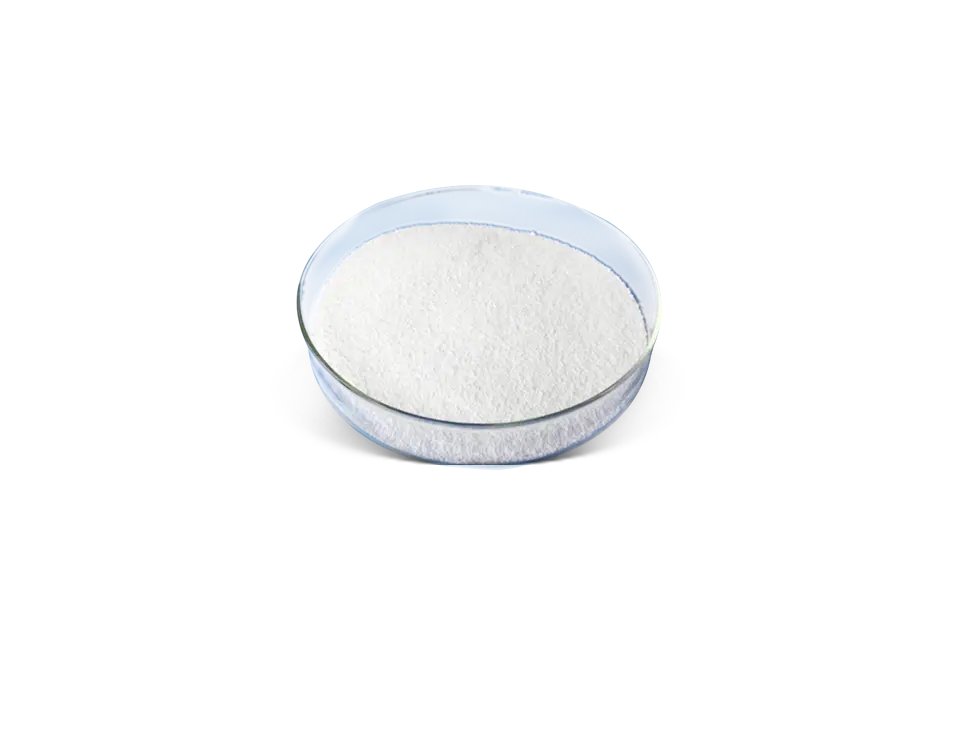
Nitrates Series

Fertilizer Series

High-efficiency, fully water-soluble nutrients, including ammonium nitrates and phosphorus derivatives, maximizing crop yield.

Fertilizer Series

By-Products

Industrial co-products refined to support construction, chemical synthesis, water treatment, and specialized manufacturing sectors.

By-Products

Target Thermal & Chemical Applications

Deploying our products safely into next-generation industrial applications globally

Thermal Energy Storage

Eutectic salt matrices providing massive thermal storage capacities in CSP and grid-scale storage units.

Display Devices

High-purity potassium nitrate used for chemical strengthening of screen glass in modern hardware.

Industrial Steam & Heating

Replacing carbon boilers with high-temperature molten salt heating networks in heavy manufacturing plants.

Agricultural Technology

Direct-absorption nutrient formulas enhancing cellular resilience in cash crops, vegetables, and fruit orchards.

SHANXI VOJIN NEW MATERIALS CO., LTD.

Driven since 2000, we have been committed to the entrepreneurial spirit and passion for innovation. Our team takes pride in delivering dependable products and services with a quality distinction in thermal energy storage and water-soluble fertilizer industries globally.

Our company, established in 2010 with deep manufacturing heritage reaching back to 2000, leverages state-of-the-art chemical processing technologies in Shanxi, China. We combine domestic resource abundance with global export expertise to supply over 40 countries.

Learn More About Us
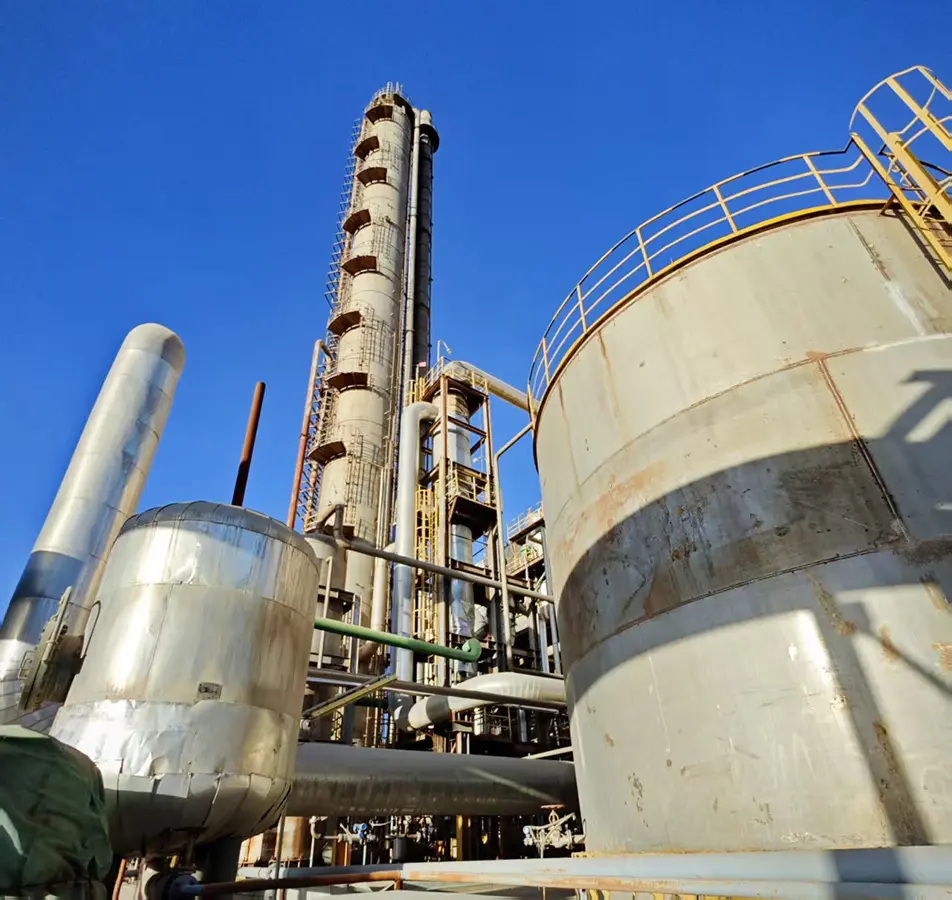
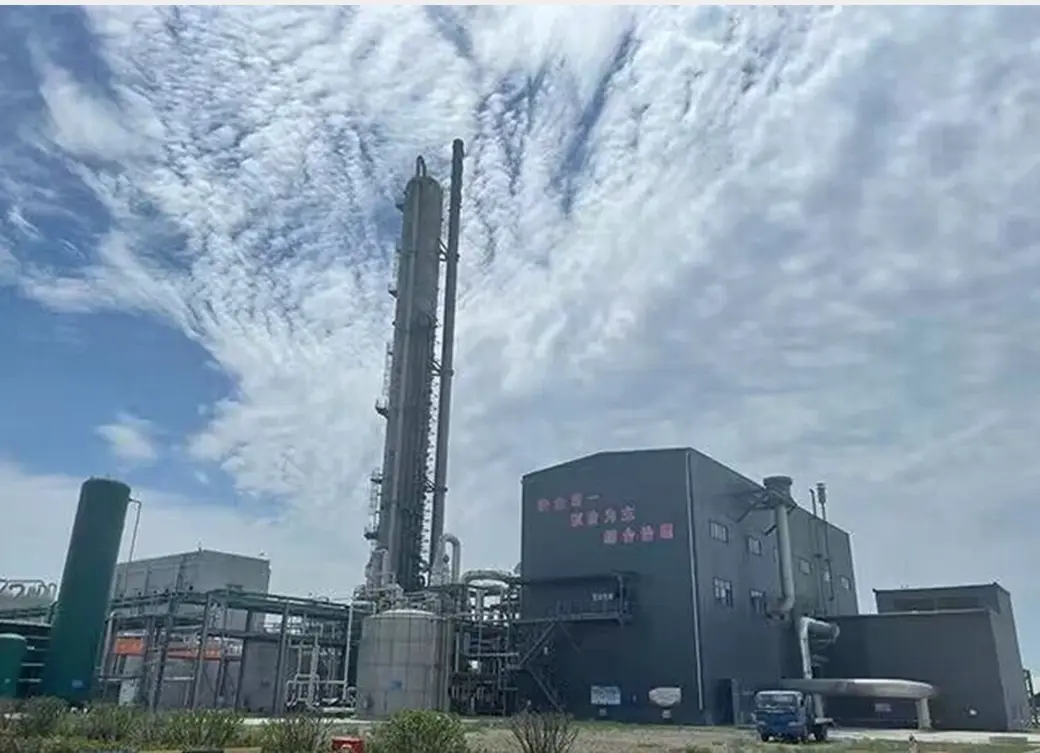
Vojin Manufacturing Facility
Production Process Quality Inspection

Why Partner with Vojin New Materials

Enterprise advantages that guarantee quality, efficiency, and reliability for clean energy infrastructures

Experience Icon

Export Experience

Integrated experience on exporting operations. Always assure your customers good quality.

Production Icon

Production Scale

Annual output of 600,000 Tons of molten salts, guaranteeing supply stability.

Service Icon

Expert Service

Experienced technology skills and services team. Quick responses to our customers.

Choices Icon

Rich Choices

Multiple items for selection such as KNO3 and NaNO3 to meet various customer needs.

Expert Q&A: Molten Salt Safety & Engineering

In-depth responses regarding high-temperature safety, explosion avoidance, and chemical specifications.

Q1: What triggers a physical steam explosion in a molten salt system, and how is it prevented? +
A: A physical steam explosion is triggered when water comes into contact with molten salt heated above 100°C (typically between 290°C and 565°C). The rapid heat transfer from the molten salt instantly vaporizes the water, causing an expansion of over 1,700 times its volume in milliseconds, resulting in a devastating overpressure blast. Prevention methods include: implementing strict anhydrous specifications (moisture < 0.1 wt%), designing double-walled heat exchangers, using nitrogen blanketing gas over storage vessels, and installing fast-acting moisture sensors and automated pressure release vents.
Q2: How do chemical impurities in KNO3 or NaNO3 affect the safety margin of thermal storage units? +
A: Impurities such as magnesium (Mg²⁺), calcium (Ca²⁺), and carbonates act as thermal catalysts that lower the overall decomposition temperature of the eutectic salt mixture. Standard solar salt is chemically stable up to approximately 565°C. However, if impurity levels are high, decomposition can start below 500°C, releasing oxygen and nitrogen oxide (NOx) gases. This gas build-up creates high mechanical pressures in closed loops, which can lead to pipe ruptures or chemical runaways. Shanxi Vojin maintains strict impurity refining controls to keep these components at low PPM levels.
Q3: Why are chloride and fluoride impurities strictly limited to under 100 ppm in molten salt specifications? +
A: Halide ions (specifically chloride and fluoride) are highly corrosive to industrial steels and alloys at elevated temperatures. High halide levels attack and break down the passive chromium oxide film on stainless steel piping, leading to rapid stress corrosion cracking and pitting. If a pipe fails, the high-temperature salt can leak into insulation or interact with environment moisture, creating severe hazards. By keeping halides below 100 ppm, the operational life of the piping is extended, and risk parameters are significantly reduced.
Q4: What is the optimal temperature ramp-up speed to prevent thermal shock in molten salt vessels? +
A: During commissioning or cold startups, temperature ramp-up must be carefully managed to avoid localized thermal expansion and mechanical stress. The optimal rate is typically between 5°C to 15°C per hour, depending on the wall thickness of the storage vessels. Rapid heating can cause structural cracking, creating pathways for internal salt leakage or atmospheric air/water ingress.
Q5: How does the addition of potassium nitrate (KNO3) improve the thermal dynamics of solar salt? +
A: Pure Sodium Nitrate (NaNO3) melts at 308°C, while pure Potassium Nitrate (KNO3) melts at 334°C. Mixing them in a eutectic ratio of 60% NaNO3 and 40% KNO3 decreases the melting point of the mixture to approximately 220°C-240°C. This lower melting point provides a wider operational window, preventing the salt from freezing in the pipelines while maintaining high thermal capacity and heat transmission dynamics.

Latest Industry News & Updates

Stay informed with current events and technical updates from the molten salt thermal energy storage sector
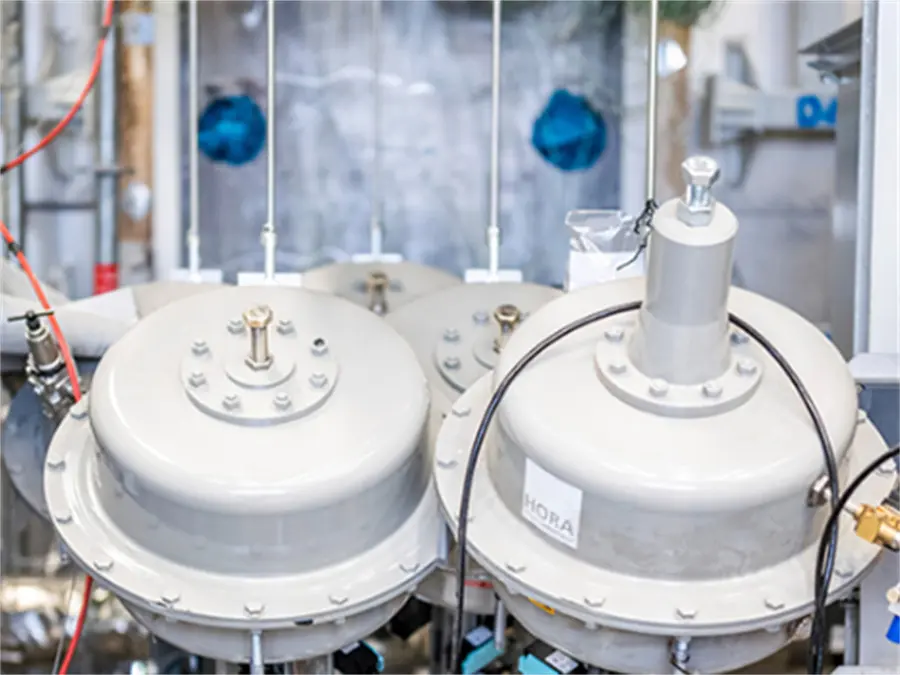
Storing the sun

Storing the sun: Molten Salt Advancements

08/03/2024

The technology can operate at higher temperatures, which has an impact on the efficiency of solar thermal power generation networks...
Read More
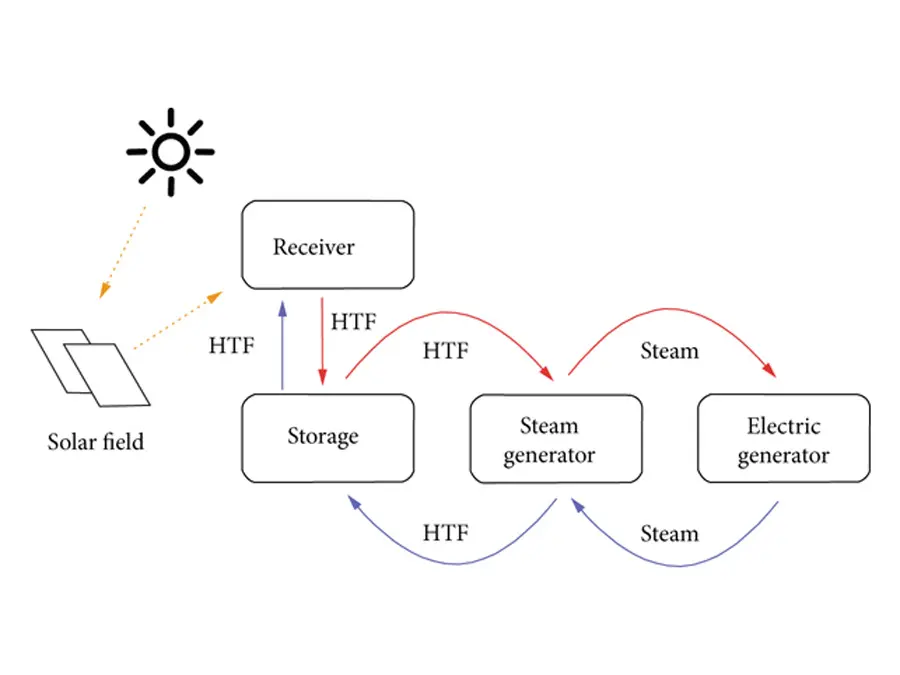
Molten Salt Power

Molten Salt Power Plants Operations

08/03/2024

A concentrated solar power plant converts solar energy to electricity. It is based on advanced mirror focus configurations...

Read More
Molten Salt Energy

Molten Salt Energy Storage Potential

08/03/2024

Molten salt energy storage has emerged as a promising solution for enhancing the efficiency of green power grids...

Read More

They Trust Us

Successfully responding to the requirements of reputed global partners
Partner Partner Partner Partner Partner Partner Partner Partner Partner Partner Partner Partner

Industrial Nitrates & Specialty Formulation Products

Browse our second group of specialty nitrate chemical outputs, designed for maximum purity parameters

Wholesale Calcium Nitrate

Wholesale Calcium Nitrate Supplier, Factories

View Details
China Sodium Nitrate Vojin

China Sodium Nitrate,Vojin New Materials,Protect Against Spoilage Supplier, Factory

View Details
China Food Grade Sodium Nitrate

China Food Grade Sodium Nitrate,Vojin New Materials Manufacturers, Factory

View Details
China Trace Element Water Soluble Fertilizer

China Trace Element Water Soluble Fertilizer Manufacturer, Manufacturers

View Details
Wholesale Agricultural Potassium Nitrate

Wholesale Agricultural Grade Potassium Nitrate Suppliers, Factories

View Details
China Food Grade Potassium Carbonate

China Food Grade Potassium Carbonate Manufacturers, Factories

View Details
China Potassium Nitrate Manufacturer

China Industrial Grade Potassium Nitrate Manufacturer, Factories

View Details
Wholesale Calcium Nitrite

Wholesale Calcium Nitrite,Vojin New Materials,Water Purification Agent Supplier, Factories

View Details