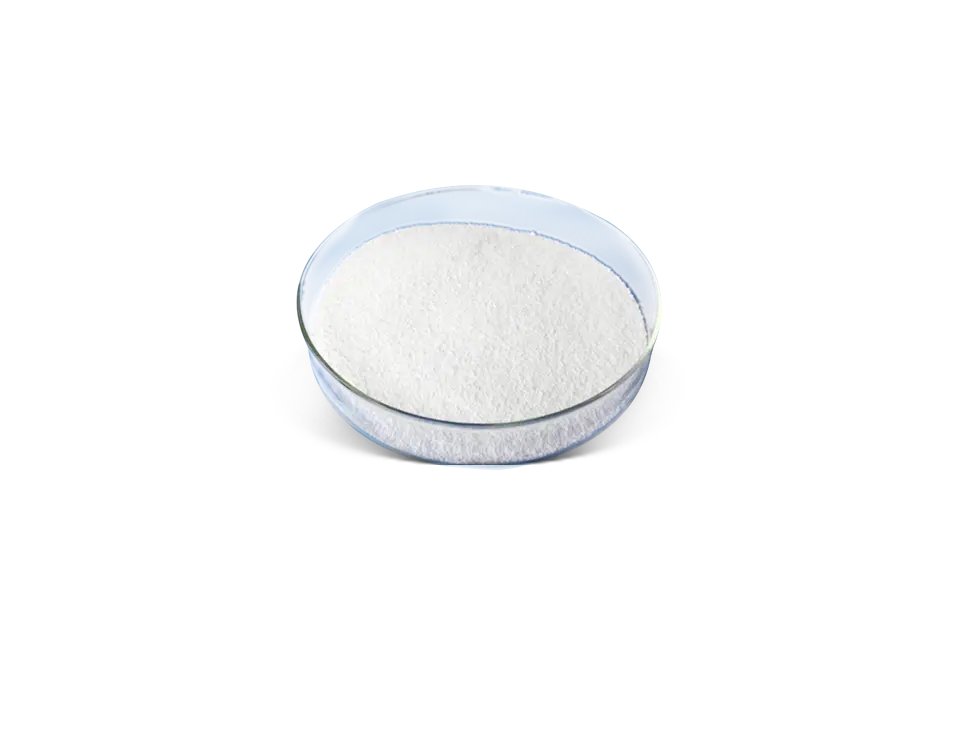
Industrial grade chemicals synthesized under rigorous quality standards for maximum stability and performance.
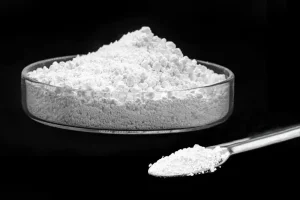
As the global energy transition accelerates, the demand for highly efficient, grid-scale energy storage systems has reached unprecedented heights. Thermal Energy Storage (TES) utilizing molten salts has emerged as the premier technology for Concentrated Solar Power (CSP) plants, industrial waste heat recovery, and grid peak shaving. In this context, "Molten Salt Files" refer to the comprehensive chemical, thermal, and mechanical profile datasheets that govern the formulation, purity, and operational lifecycle of eutectic and non-eutectic nitrate salts. These files serve as the blueprint for project developers, engineers, and plant operators to configure heat transfer systems that operate reliably for decades.
“Modern Concentrated Solar Power plants and industrial thermal networks require molten salt systems that exhibit exceptional thermal stability up to 600°C, high specific heat capacity, and minimal corrosive impact on metallurgy. Understanding the thermodynamic parameters stored in Molten Salt Files is key to maximizing plant lifespan and energy output.”
The core chemistry behind modern molten salt storage relies on binary mixtures (typically 60% Sodium Nitrate and 40% Potassium Nitrate, commonly referred to as Solar Salt) or ternary formulations incorporating Calcium Nitrate. The performance, safety, and longevity of these systems are directly dictated by impurities—such as chlorides, carbonates, and moisture. As a leading manufacturer, Shanxi Vojin New Materials utilizes advanced purification technologies to deliver solar-grade salts that exceed international standards, preventing unexpected crystallization, decomposition, and premature alloy corrosion in heat exchangers.
The evolution of Molten Salt technology is focused on broadening the liquid phase range, reducing the melting point, and raising the thermal degradation threshold. By expanding the thermal delta (T_hot - T_cold), thermodynamic cycle efficiency can be dramatically improved, directly reducing the cost of electricity (LCOE) for CSP installations.
Currently, the binary mixture of NaNO3 and KNO3 is the industry standard. It operates safely between 290°C and 565°C. At higher temperatures, thermal decomposition generates nitrites and oxygen, leading to chemical instability if not regulated by custom oxygenation or chemical balancing protocols. Shanxi Vojin New Materials has engineered proprietary stabilizers that retard this degradation, extending the life of the salt files in operational plants.
To reduce the freezing point of the mixture (typically around 220°C for binary salts), researchers and manufacturers are adding Calcium Nitrate (Ca(NO3)2) or Lithium Carbonate (Li2CO3) to the matrix. This reduces the melting point to as low as 120°C-150°C. Lowering the minimum operational temperature significantly reduces the auxiliary heating power required to prevent freeze-up in pipelines, saving millions in operational expenditures. The future roadmap involves cataloging and manufacturing these custom ternary "Molten Salt Files" for specific regional environments.
Looking toward future industrial and nuclear applications, molten chloride salts (such as NaCl-KCl-MgCl2) and carbonate salts (such as Li2CO3-Na2CO3-K2CO3) are being researched. These advanced materials can withstand temperatures exceeding 800°C, paving the way for next-generation Gen-III CSP plants and integrated molten salt reactors (MSR). Shanxi Vojin New Materials maintains a forward-looking R&D team dedicated to synthesis protocols, safety profiles, and production scalability for these next-generation materials.
The global molten salt market is undergoing massive expansion, driven by policy mandates for renewable integration and decarbonization of hard-to-abate industrial sectors. In regions like Spain, the Southwestern United States, the Middle East and North Africa (MENA), and Northern China, large-scale thermal storage plants are no longer pilot projects—they are critical base-load components of national grids.
In addition to solar power, heavy industrial facilities are utilizing molten salts to replace coal-fired steam generation. Factories in chemical production, metallurgy, and petroleum refining are integrating Molten Salt Thermal Energy Storage systems to capture excess off-peak wind or solar energy, store it at high temperatures, and release it as industrial-grade process steam when needed. This closed-loop process helps global corporations meet their Scope 1 emission reduction targets while stabilizing energy input costs.
The deployment of molten salt is highly sensitive to local environmental conditions, geographic positioning, and regulatory limits. Here, we outline the primary localized application profiles:
In regions experiencing long winter seasons, minimizing the freezing risk is paramount. Here, ternary formulations containing calcium nitrate are preferred. The lower melting point ensures trace heating systems consume far less energy, protecting the integrity of thermal pipelines and preventing catastrophic blockages.
Arid desert regions receive high solar irradiance but face intense temperature variations between day and night. Standard binary solar salts are deployed at a massive scale here. High purity is critical to prevent evaporation losses and reduce corrosion in the harsh, dry, sand-laden atmosphere.
Industrial complexes in these regions utilize molten salts for deep coal-to-electricity conversion projects. Off-peak energy is converted to thermal energy, stored in large tanks, and supplied as industrial steam to chemical parks, drastically reducing reliance on coal burners.
As a global supply hub, Shanxi Vojin New Materials benefits from the robust raw material supply and logistical advantages of Shanxi Province, China. Shanxi is home to some of the world's largest deposits of mineral resources, facilitating a vertically integrated supply chain from nitrate synthesis to final molten salt formulation.
With an annual capacity of 600,000 tons of molten salts and industrial inorganic chemicals, Shanxi Vojin guarantees unmatched supply security. Our state-of-the-art production lines utilize automated purification crystallization techniques that screen out heavy metals and trace moisture, yielding high-purity potassium nitrate and sodium nitrate. This level of capacity and automation protects our global buyers from the supply disruptions and pricing volatility that affect smaller, fragmented chemical suppliers.
Exporting high-volume industrial chemicals globally requires a deep understanding of localized compliance standards. Shanxi Vojin New Materials is committed to facilitating hassle-free delivery through meticulous regulatory adherence. All our products are accompanied by extensive SDS (Safety Data Sheets) compliant with regional GHS regulations. We provide active support for REACH registration in Europe, ensuring full compliance for EU buyers, and meet all chemical regulations for North America, Oceania, and Latin America.
Furthermore, our localized logistical partnerships allow us to offer flexible shipping methods (such as sea, rail, and intermodal transport) packaged in secure moisture-proof bags or customizable bulk transport configurations. We provide 24/7 technical support, offering localized onsite consultation for salt loading, melting, and initial thermal conditioning during plant commissioning.

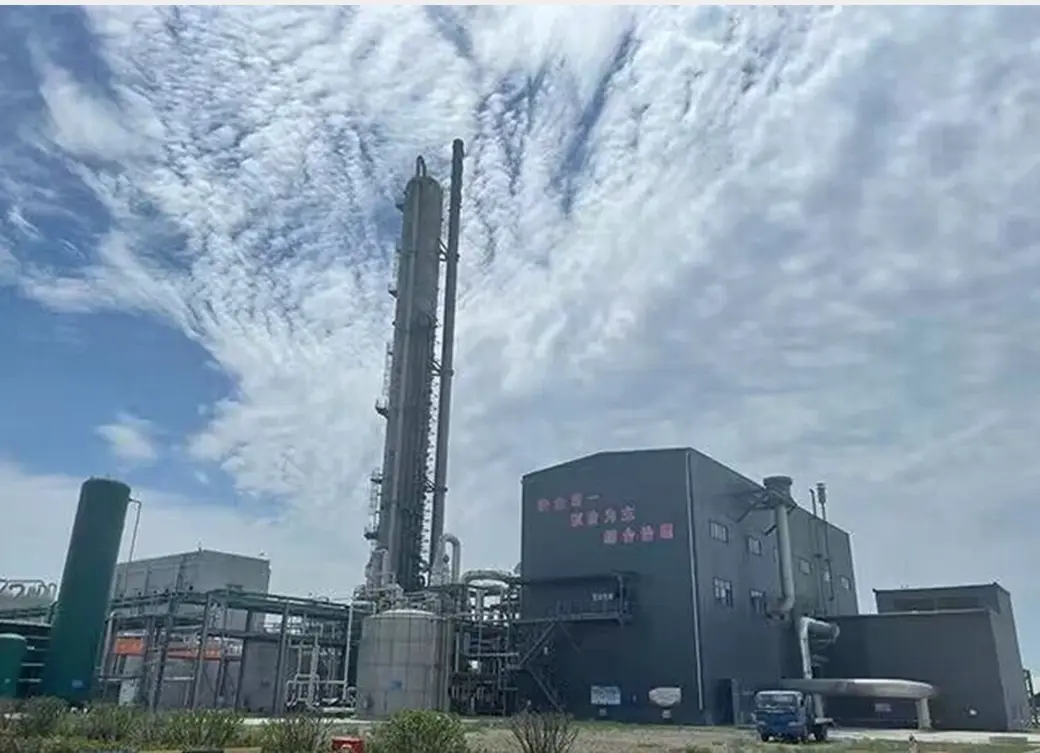
Driven since 2000, we have been committed to the entrepreneurial spirit and passion for innovation. Our team takes pride in delivering dependable products and services with a quality distinction in thermal energy storage & water-soluble fertilizer industries globally.
View moreOur years of manufacturing experience and refined products provide you with better performance
Welcome to learn more about our strategic advantages in the industry

Integrated experience on exporting operation. Always assure your customers good quality.
Annual output 600,000 Ton Molten salts and industrial compounds.
Experienced technology skill & service team. Quick response to our customers.
Multiple items for selection such as KNO3, NaNO3 to meet various need of customers.
Stay updated with our latest industry reports and announcements
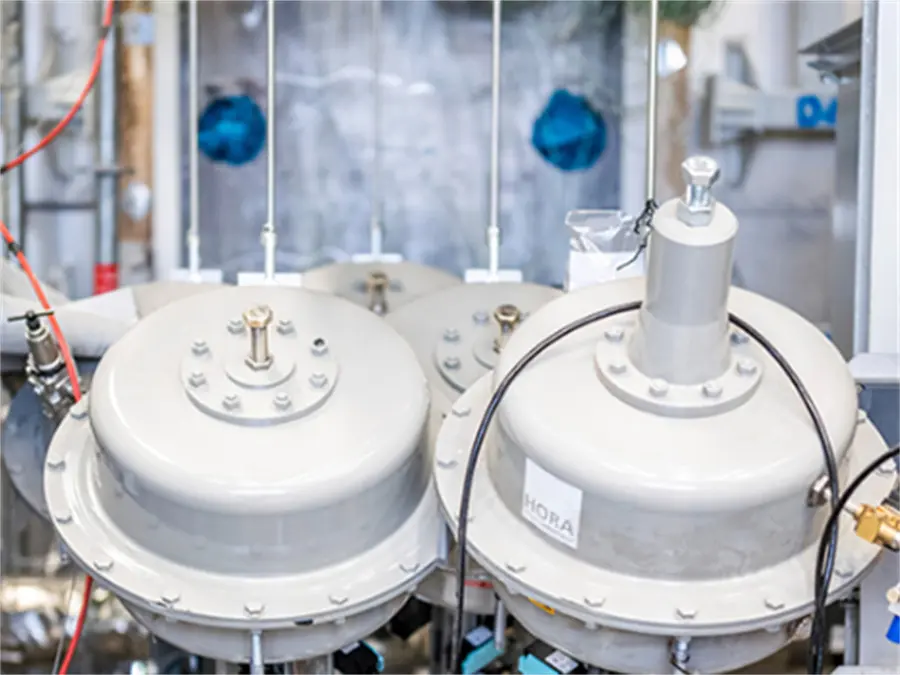
The technology can operate at higher temperatures, which has an impact on the efficiency of solar systems...
view more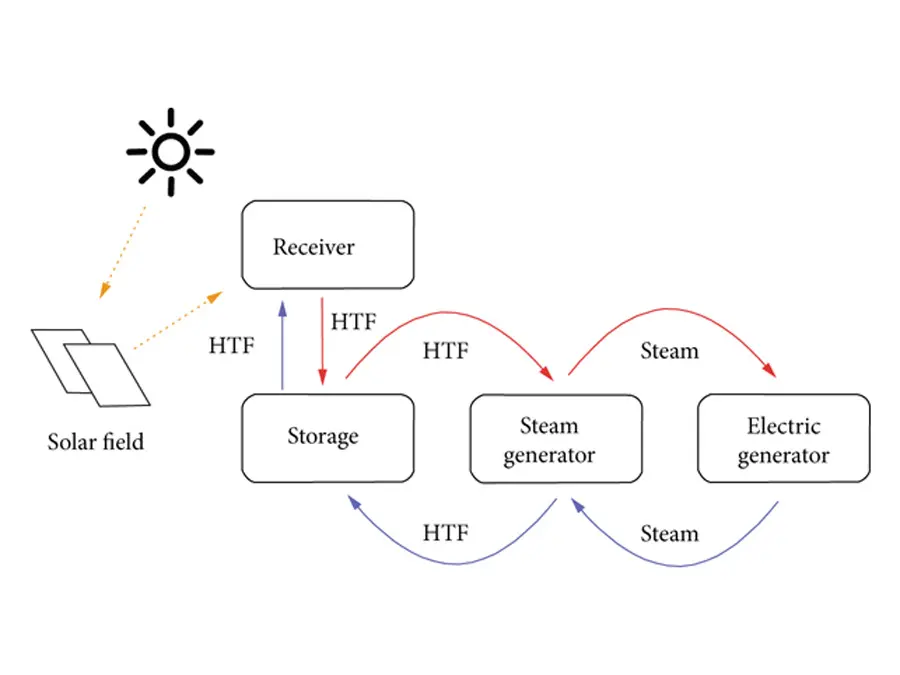
A concentrated solar power plant converts solar energy to electricity. It is based on advanced nitrate storage files...
view more
Molten salt energy storage has emerged as a promising solution for enhancing the efficiency of green energy grids...
view moreThe operational safety of thermal storage media depends almost entirely on the chemical composition profile details. For this reason, Shanxi Vojin New Materials details all parameters transparently in its product specification sheets. A slight elevation in chloride ion concentration can cause stress corrosion cracking in stainless steel pipes and tanks. To prevent this, we employ multi-stage crystallization processes that keep chloride content strictly below 100 ppm, and in premium batches, below 50 ppm.
Moisture control is another critical parameter. High moisture levels lead to nitric acid formation and significant pressure spikes inside the heat storage system. Our state-of-the-art packaging facility guarantees that the moisture content of our shipped products does not exceed 0.1%, protecting your systems from long-term corrosion and premature breakdown.
Expert answers to common inquiries regarding molten salt applications, formulations, and logistics.
Standard Solar Salt is a binary mixture containing 60% Sodium Nitrate (NaNO3) and 40% Potassium Nitrate (KNO3) by weight. This formulation has a melting point of approximately 220°C and remains thermally stable up to 565°C, making it optimal for modern tower and parabolic trough CSP installations.
Impurities like chlorides, sulfates, and carbonates accelerate corrosion in alloy piping and steel tanks. High chloride levels lead to pitting corrosion and stress cracking, while high moisture content triggers gas expansion and acid formation. We control impurities to ultra-low levels (Cl < 0.01%) to maximize equipment lifecycle.
Yes. Incorporating Calcium Nitrate creates a ternary salt mixture that can lower the freezing point down to 130°C-150°C. This significantly decreases the energy required for trace heating and reduces pipeline freeze-up risks, improving net power efficiency.
We offer standard 25kg PP/PE bags, 1-ton or 1.2-ton jumbo bags, and customized bulk packaging. All packaging materials feature robust moisture barriers to protect the highly hygroscopic nitrates from environmental humidity during transit and storage.
Absolutely. We hold ISO9001 and ISO14001 certifications. We provide comprehensive Safety Data Sheets (SDS), certificates of analysis (COA), and support for REACH registration to ensure seamless customs clearance in European, North American, and Asian ports.
Our factory maintains an annual capacity of 600,000 tons of inorganic chemicals and molten salts. This scale allows us to fulfill large-scale utility projects efficiently while ensuring stable, competitive wholesale pricing.
For many years, we have successfully responded to the requirements of reputed customers in the market.


Premium solutions spanning industrial chemical compounds, fertilizers, and power plant salts.
 VOJIN
VOJIN