Premium Inorganic Chemicals and Specialized Nitrates Series Direct From Top Factories
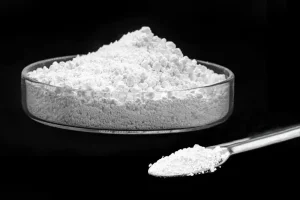
An authoritative analysis of modern chemical synthesis, supply chain management, and next-generation technical applications
Potassium nitrate (KNO3) represents a cornerstone of modern industrial and agricultural chemistry. Possessing a unique dual-nutrient profile—delivering 13.7% nitrogen in highly bioavailable nitrate form and 46.2% potassium oxide (K2O)—KNO3 stands out as one of the most efficient chloride-free water-soluble fertilizers in the world. Beyond its massive footprint in high-yield agronomy, potassium nitrate is increasingly serving as an indispensable component in advanced technological sectors. Most notably, it acts as a critical heat storage medium in molten salt thermal energy storage systems for Concentrated Solar Power (CSP) plants, and as a chemical strengthening agent in high-durability display glass manufacturing for mobile screens and monitors.
In the global chemical arena, sourcing managers and agricultural distributors face a rapidly shifting macro-environment. Factors such as energy grid transitions, raw material availability (potassium chloride and nitric acid inputs), and shifting environmental regulations in traditional Western hubs have catalyzed a major consolidation toward advanced Chinese manufacturing clusters. Shanxi province, recognized globally as the heart of China’s inorganic nitrogen industry, has emerged as the premier global supply base. Sourcing directly from modern domestic factories like Shanxi Vojin New Materials Co., Ltd. provides international buyers with a critical competitive advantage: the combination of raw material proximity, immense economies of scale, and specialized technological execution.
Information Gain Insight: While many importers categorize potassium nitrate solely as a fertilizer commodity, the actual value lies in the purity variance. Minor trace impurities of chloride (Cl-), sodium (Na+), and heavy metals dramatically alter its efficacy in high-tech molten salt solar arrays and agricultural drip irrigation systems. Modern factories utilize customized crystallization and refining circuits to achieve industrial purities of 99.8%+, paving the way for maximum thermal efficiency and soil health.
The global demand for potassium nitrate is driven by two distinct market segments: agricultural high-end crop nutrition and technical/industrial manufacturing. In agriculture, KNO3 is preferred for high-value, chloride-sensitive crops. Unlike lower-cost potassium sources such as muriate of potash (Potassium Chloride, KCl), potassium nitrate does not accumulate toxic chloride ions in the root zone. This makes it the absolute gold standard for arid regions, greenhouse farming, and intensive hydroponic operations where water quality and soil salinity are critical concerns. Crops such as citrus, tobacco, tomatoes, potatoes, and berries demonstrate marked yield increases, enhanced drought tolerance, and vastly improved post-harvest storage capabilities when fertilized with high-purity KNO3.
Simultaneously, the industrial landscape has experienced a massive paradigm shift. The global transition toward renewable energy has placed Concentrated Solar Power (CSP) at the forefront of grid-scale energy storage. Unlike photovoltaic solar arrays, CSP utilizes mirrors to concentrate sunlight, heating a mixture of molten nitrate salts (typically 60% sodium nitrate and 40% potassium nitrate) to temperatures exceeding 560°C. This molten salt holds heat with exceptional efficiency, allowing power grids to generate electricity 24 hours a day, long after the sun has set. Because these thermal storage tanks operate under extreme conditions, the purity of the potassium nitrate must be immaculate. Any high concentration of trace impurities like magnesium, calcium, or chlorides can accelerate corrosion in piping, heat exchangers, and storage vessels, leading to catastrophic structural failures. This high-purity mandate has forced chemical factories to upgrade their production lines, creating specialized industrial-grade divisions equipped with advanced recrystallization technologies.
Exploring the diverse deployment of KNO3 from high-tech manufacturing to specialized crop cultivation
Utilized as a premium molten salt component in Concentrated Solar Power (CSP) plants, optimizing heat transfer and enabling continuous 24-hour green grid operations.
Applied in high-temperature chemical strengthening baths for aluminosilicate glass, crucial for producing shatter-resistant smartphone displays and optical glass.
Serves as a high-temperature heat transfer medium in chemical processing, coal conversion, and secondary heat recovery systems across manufacturing plants.
Delivers chloride-free potassium and highly bioavailable nitrate nitrogen directly to crops via advanced fertigation and foliar spray programs.
In the global chemical supply chain, reliability is measured not just in tons produced, but in the stability of feedstock inputs, energy continuity, and logistical proximity. China's chemical industry—specifically the industrial clusters in Shanxi—exhibits unmatched supply chain resilience. Shanxi is rich in primary coal resources, coke-oven gas, and basic nitrogen chemical industries, establishing an integrated upstream resource pool that minimizes input price volatility. While factories in North America or Western Europe frequently suffer from high gas prices and feedstock shortages, Chinese facilities maintain uninterrupted operations.
A prime example of this manufacturing scale is Shanxi Vojin New Materials Co., Ltd. Backed by a history starting in 2000 and officially established in 2010, the company has grown into a world-class chemical manufacturing giant. Spanning approximately 1,000 acres, Vojin boasts an annual output capacity of over 600,000 tons of molten salts and specialized nitrogen chemicals. This colossal scale enables the factory to buffer against global raw material spikes and maintain stable pricing structures for long-term contract partners. The company's integration of the entire manufacturing cycle—from raw gas synthesis to state-of-the-art crystallization and packaging—minimizes intermediate logistical costs and isolates the production cycle from domestic supply disruptions.
Logistical efficiency is another core component of China's structural export advantage. Factories are directly linked to robust railway networks and high-capacity expressways that connect to primary deepwater ports such as Tianjin and Qingdao. This facilitates rapid container packing, customs pre-clearance, and seamless transfer to international maritime carriers. For global buyers, this means lead times are consistently predictable, drastically reducing safety stock requirements in warehouses abroad.
The manufacturing process of potassium nitrate has evolved from historical double-decomposition methods toward highly sophisticated, environmentally circular processes. Historically, factories reacted sodium nitrate with potassium chloride in aqueous solutions. While simple, this method produces significant sodium chloride byproducts and consumes large amounts of energy during the cooling crystallization phase. Modern production sites are transitioning to advanced multi-effect crystallization systems and ion-exchange membrane technologies. These methods yield higher purity levels while reducing energy consumption by up to 30%, which is critical in alignment with global carbon reduction targets.
The technological roadmap for the next decade centers on green manufacturing and smart digitalization. High-tech factories are integrating automated AI monitoring systems to continuously track parameters like pH, crystallization speed, and temperature down to 0.1°C increments. This real-time optimization minimizes crystal defects, ensuring that the potassium nitrate particles are uniform in size, free-flowing, and resistant to caking during long maritime transport. Additionally, the development of green ammonia inputs (using solar or wind power to synthesize hydrogen feedstock) is poised to decarbonize the nitrate synthesis process entirely, offering global importers a zero-carbon product line that meets the strict environmental criteria of ESG-conscious multinational corporations.
Decades of manufacturing prowess translated into measurable global scale
A common error in agricultural chemical sourcing is assuming a single formulation works universally across all geographical regions. The localization of potassium nitrate requires careful adjustment based on regional soil chemistry, crop profiles, irrigation hardware, and climatic conditions. For instance, in the drylands of the Middle East, soils are typically alkaline and high in salts. Utilizing highly soluble potassium nitrate prevents further sodium accumulation, but the application must be carefully metered via pressurized drip systems. In contrast, for the acidic soils of South America's coffee and fruit belts, potassium nitrate serves as a physiological buffer, promoting potassium uptake while ensuring the soil pH does not plummet further.
Furthermore, fertigation technology is highly localized. In European greenhouse systems, growers require ultra-soluble powders with zero insoluble residues (typically less than 0.05% weight) to prevent nozzle clogging in automated systems. In contrast, broadacre growers in Australia or North America prefer granular, anti-caking-coated potassium nitrate suitable for bulk blending and mechanical dry spreading. As an experienced exporter, Shanxi Vojin works directly with regional distributors to customize the physical qualities of the fertilizer—such as particle size distribution and anti-caking additives—ensuring the product performs optimally under local climatic conditions, whether it is high-humidity tropical climates or arid desert regions.
Because potassium nitrate is classified as a powerful oxidizer (UN 1486, Class 5.1), shipping, handling, and importing it require strict adherence to international maritime regulations and local security compliance. A critical element of information gain for global sourcing managers is understanding the regulatory barriers in the destination market. In the European Union, REACH (Registration, Evaluation, Authorisation and Restriction of Chemicals) compliance is a strict prerequisite. In the United States, chemical imports must comply with EPA, OSHA, and Department of Homeland Security regulations. Sourcing from a factory with robust certification portfolios ensures that shipments are not delayed or impounded at customs ports.
A resilient factory partner provides localized support through comprehensive documentation: Material Safety Data Sheets (MSDS) in regional languages, certificates of origin, independent third-party analysis certificates (SGS, Intertek), and specialized packaging options. For example, UN-approved moisture-barrier bags are utilized for shipments to humid tropical zones, preventing degradation and clumping during sea transit. Additionally, Shanxi Vojin supports local partners by providing customized technical consultation services, helping buyers design chemical application programs that comply with regional environmental protection laws and safety regulations.
Why Shanxi Vojin New Materials is the Preferred Global Strategic Partner
Seamless export operations with comprehensive quality controls, ensuring timely deliveries and consistent material specifications globally.
An annual output of 600,000 tons of high-grade molten salts, providing supply security even during market volatility.
Highly trained chemical engineers and sales technicians providing quick responses and tailor-made logistics solutions.
Diverse offerings including KNO3, NaNO3, Calcium Nitrate, and Sodium Nitrite to meet unique commercial and industrial demands.
Dedicated to high-performance chemical manufacturing and reliable global supply chain networks.
Driven since 2000, we have been committed to the entrepreneurial spirit and passion for innovation. Our team takes pride in delivering dependable products and services with a quality distinction in thermal energy storage & water-soluble fertilizer industries globally. Operating under strict international quality guidelines, Shanxi Vojin combines advanced technological solutions with cost-efficiency advantages to support clients in more than 40 countries.
Our expansive production facilities and direct raw material supply chains allow us to offer highly competitive pricing, custom packaging, and flexible logistics arrangements. Whether you are sourcing bulk agricultural-grade fertilizers or high-precision molten salts for power generation, we are equipped to meet your demands with uncompromising quality.
Learn More About Us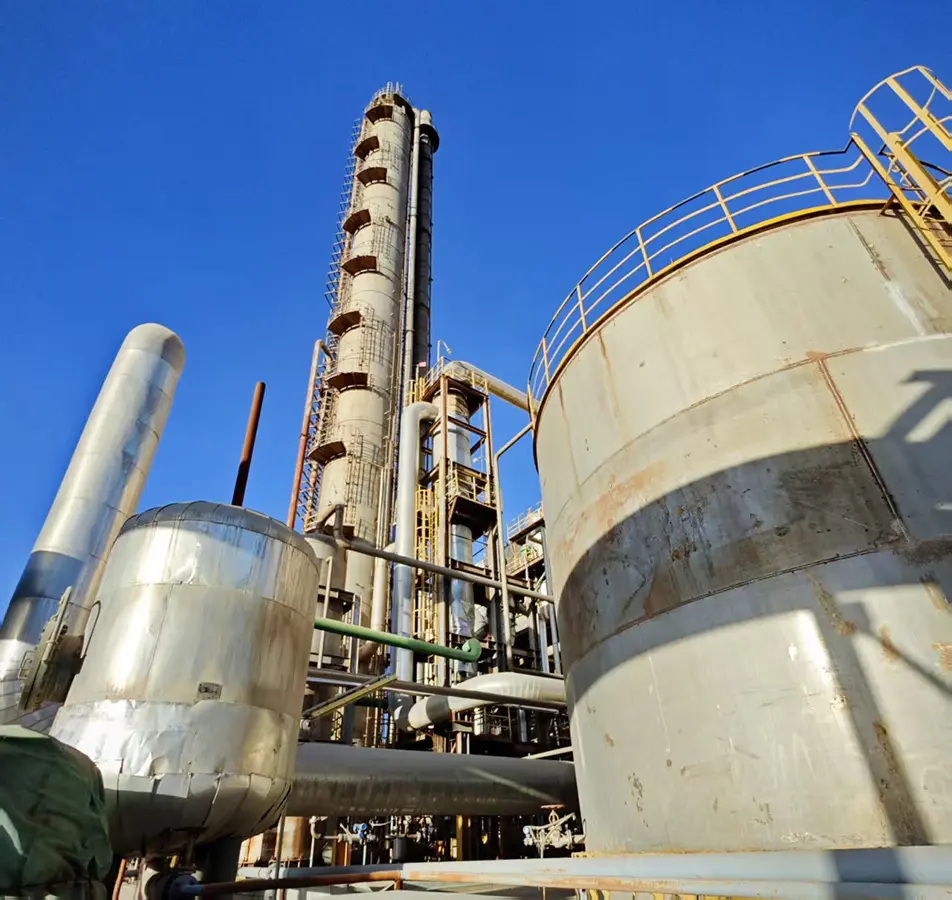
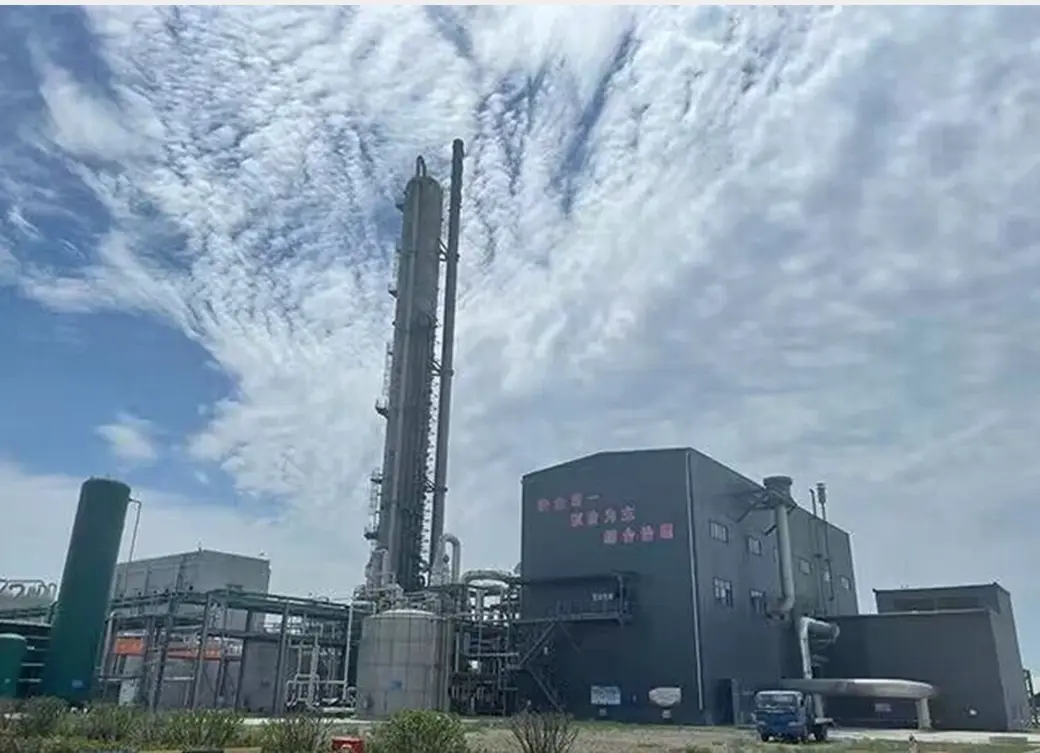
Insights into the evolution of energy storage technology and nitrate applications
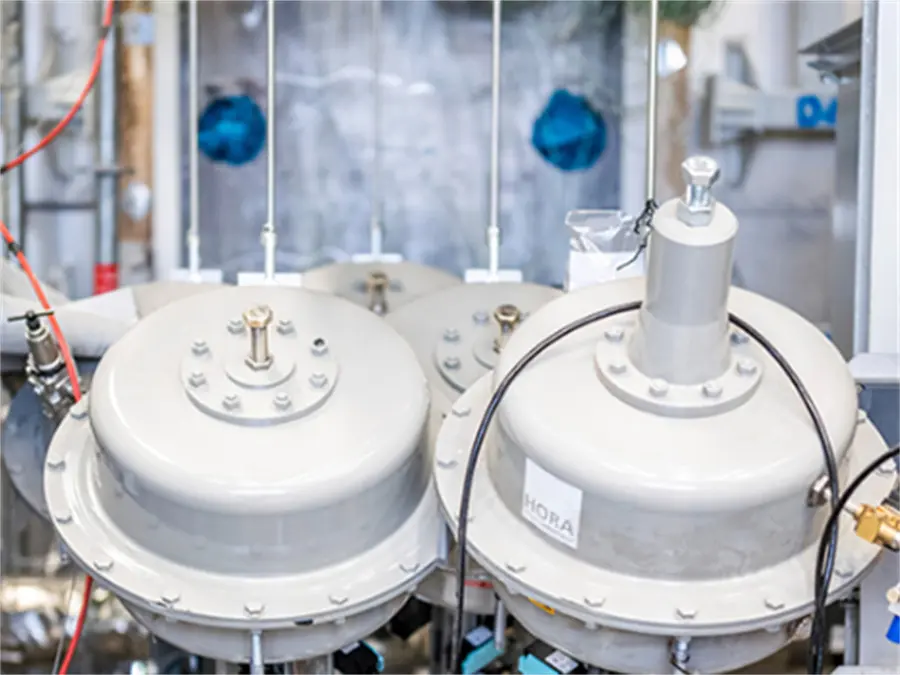
The technology can operate at higher temperatures, which has an impact on the efficiency and cost of global clean energy storage plants...
Read More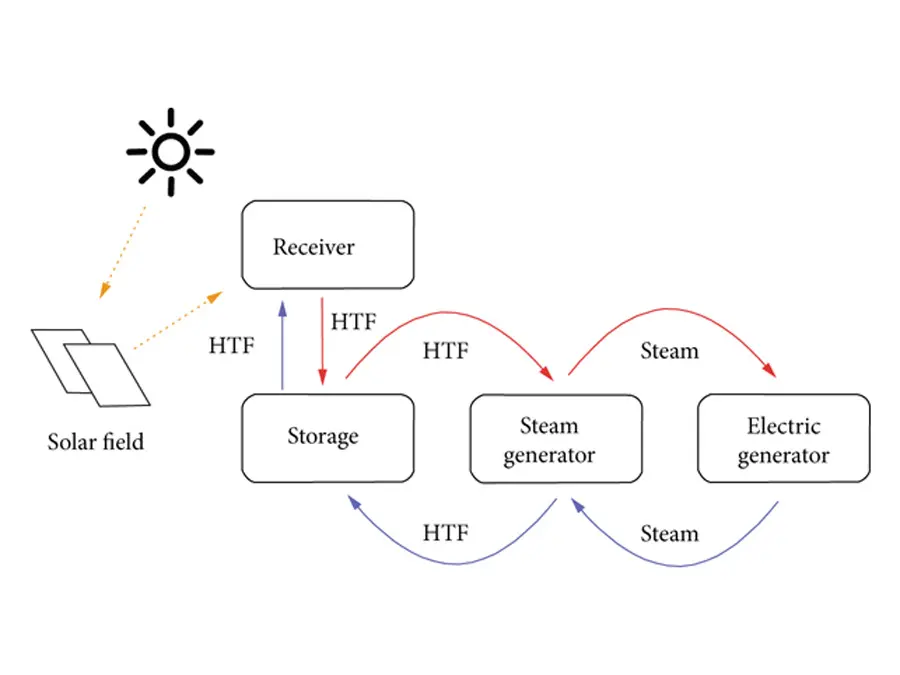
A concentrated solar power plant converts solar energy to electricity. It is based on advanced nitrate salt combinations for high efficiency thermal storage...
Read More
Molten salt energy storage has emerged as a promising solution for enhancing grid stability and integrating intermittent renewable energy sources globally...
Read MoreSuccessfully meeting the demanding requirements of leading global enterprises
Technical and logistics clarifications for professional chemical buyers
Select from our fully integrated product inventory, manufactured to strict global standards
 VOJIN
VOJIN