China’s chemical manufacturing sector includes suppliers of Lead II Nitrate And Potassium Iodide for controlled laboratory and industrial applications. This guide introduces ten suppliers selected through practical procurement criteria. These criteria include product consistency, documentation, production experience, export capability, and customer support.
Reliable suppliers should provide current safety data sheets, certificates of analysis, batch numbers, and clear packaging specifications. Buyers may also examine purity ranges, moisture controls, container seals, and storage instructions. A dependable supplier explains how materials are tested before dispatch. Traceability matters. So does communication.
The featured companies should not be judged by rankings alone. A supplier with attractive pricing may offer weaker documentation or slower responses. That detail is easy to overlook. We assess available evidence, including certifications, manufacturing information, stated quality procedures, and export experience. However, online information can change, and some supplier claims require direct verification.
Because these compounds require careful handling, responsible purchasing must follow applicable chemical safety, transport, import, and workplace regulations. This article does not encourage unsupervised use or provide operational instructions. Instead, it supports informed supplier evaluation. Readers should request updated documents, confirm legal requirements, and consult qualified safety professionals before placing an order. Small checks prevent larger problems.
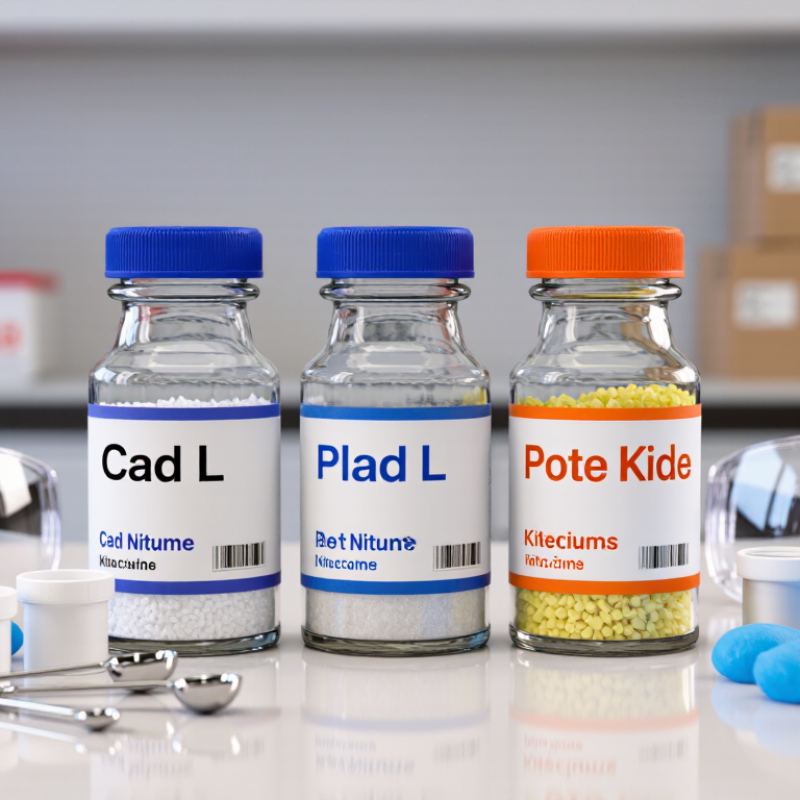
Lead(II) nitrate and potassium iodide serve very different industrial roles. Lead(II) nitrate is a strong oxidizing salt used in controlled laboratories, mineral-processing research, and selected surface-treatment processes. Its supply requires verified purity, sealed packaging, batch traceability, and hazardous-material controls. The U.S. Geological Survey reports that recycled materials provide most refined lead in the United States. This strengthens the case for suppliers with documented material sourcing and waste-management systems.
Potassium iodide has broader public-health relevance. It supports iodine fortification, pharmaceutical manufacturing, analytical chemistry, and emergency preparedness under official guidance. The World Health Organization identifies iodine deficiency as a preventable cause of impaired cognitive development. It also recommends quality assurance across iodized-salt production. Supplier comparisons should examine assay results, particle consistency, water content, and pharmacopeial compliance. The exact specification matters.
Safety cannot be treated as a purchasing detail. WHO and the Institute for Health Metrics and Evaluation estimated that lead exposure caused about 1.5 million deaths globally in 2021. That figure demands strict segregation, worker training, and independent testing for lead(II) nitrate. Potassium iodide is safer in ordinary handling, yet excessive intake can affect thyroid function. Some market reports predict steady growth in both chemical segments, but forecasts vary widely. They should be checked against audited production data, not accepted blindly.
Lead(II) nitrate has a molar mass of 331.2 g/mol and is highly soluble in water, making it useful in laboratory synthesis, analytical chemistry, and selected industrial processes. Potassium iodide has a molar mass of 166.0 g/mol and greater water solubility at approximately 20°C; it is used in iodide chemistry, laboratory reagents, and certain pharmaceutical and nutritional applications. Both substances should be handled according to applicable safety and regulatory requirements.
Reference values shown: approximate molar mass and water solubility at 20°C. Actual solubility can vary with temperature, purity, and measurement conditions.
Selecting China’s top 10 lead II nitrate and potassium iodide suppliers requires more than comparing prices. Verify legal registration, production scope, export history, and audited quality systems. ISO Survey 2023 recorded over 1.2 million ISO 9001 certificates worldwide, but certification alone cannot prove batch consistency. Request recent certificates of analysis, impurity limits, lot numbers, and traceable production records.
Technical reliability matters. Suppliers should provide current safety data sheets, transport classifications, packaging specifications, and controlled storage evidence. The OECD Due Diligence Guidance supports risk-based checks across supply chains, including ownership, labor practices, and environmental controls.
UN Comtrade data can help compare declared trade activity by HS code, although classification errors remain possible. Do not treat database volume as proof of manufacturing capability. A large export figure may reflect trading activity.
Tips: Build a weighted scorecard before contacting suppliers. Give quality and compliance at least half the score. Check three recent batches, not one. Ask for an independent laboratory test when results appear unusually perfect. The World Bank’s 2023 Logistics Performance Index gave China a 3.7 score, showing strong logistics capacity, but delivery still depends on port congestion and hazardous-goods procedures. A low quotation can hide weak packaging or incomplete documentation. No scorecard is perfect. Reassess suppliers after every shipment.
China’s top ten suppliers of lead II nitrate and potassium iodide serve laboratories, electronics, analytical testing, and specialty manufacturing. Their product portfolios usually include reagent, industrial, and customized grades. Public rankings remain imperfect. Many suppliers disclose capacity, but not consistent sales figures.
USGS Mineral Commodity Summaries 2025 identifies China as a major global lead producer, supporting a broad domestic chemical supply base. The report also shows that iodine production remains concentrated in fewer countries, making potassium iodide sourcing more dependent on purification, imports, and inventory planning. UN Comtrade data further indicate China’s continuing role in international trade for inorganic chemicals, although product-level figures vary by customs classification.
Quality evidence matters more than a polished catalogue.
Buyers should request recent certificates of analysis, batch traceability, impurity limits, and moisture results. For lead II nitrate, packaging should resist leakage and clearly identify hazardous-material controls. For potassium iodide, light-resistant containers help protect appearance and assay stability. Ask about ISO-based quality systems and independent laboratory testing. Small details matter.
A practical supplier review can compare assay consistency, minimum order quantity, export documentation, lead time, and technical support. Public data seldom reveal failure rates or complaint handling. That gap deserves attention. Suppliers with responsive documentation teams may reduce delays, even when their quoted price is not the lowest. Regulatory requirements also differ by destination, so buyers should verify current transport and chemical-control rules before ordering.
Choosing among the China top 10 lead II nitrate and potassium iodide suppliers requires more than comparing prices. Quality begins with documented specifications, consistent batch testing, and clear traceability. Reliable suppliers should provide current Safety Data Sheets, Certificates of Analysis, impurity limits, and lot numbers that match shipment labels. For lead II nitrate, buyers should review heavy-metal controls, moisture protection, and compliant hazardous-goods packaging. Potassium iodide also requires purity verification, sealed containers, and protection from contamination.
Certifications can strengthen confidence, but certificates alone are not proof. A responsible supplier should explain its quality system, audit history, laboratory methods, and corrective-action process. ISO 9001 may indicate structured management, while environmental and occupational-safety certifications show broader control. Buyers should verify certificate validity through issuing bodies. Ask for recent sample data, not only standard templates. That small step often reveals gaps. Supply capability matters equally. Check monthly capacity, lead times, warehouse conditions, export documentation, and backup production plans. A low quoted price may hide unstable availability or weak packaging.
Tips: Request a pre-shipment inspection for the first order. Confirm batch consistency across two or three deliveries. Keep written records of specifications and approvals. Also, review local laws before importing, storing, or transporting these materials. Some assumptions may be wrong, especially when regulations change. A careful supplier welcomes technical questions and provides prompt, precise answers.
Selecting a supplier for lead(II) nitrate or potassium iodide requires more than comparing prices. In practical procurement, purity, consistency, and documentation often decide whether a batch performs as expected. Request a current certificate of analysis, safety data sheet, specification sheet, and batch number. Check assay, moisture, trace metals, and packaging condition. For regulated or hazardous materials, confirm that the supplier supports lawful end use, proper handling, and compliant transport in your region. Cheap offers can become expensive after delays or rejected batches.
Evaluate each candidate against your actual application. A research laboratory may need small, sealed containers and responsive technical support. A production facility may prioritize stable volume, lot consistency, and dependable delivery schedules. Ask how the supplier controls raw materials, sampling, labeling, and storage. Verify whether documents match the shipped lot, not an old template. Communication matters too. A clear answer is useful; vague promises are not. I would also request a small qualification order when permitted. It may reveal packing weaknesses that a polished quotation hides. This step is easy to skip, and I sometimes underestimate it.
Tips: Build a simple scorecard covering purity, documentation, lead time, packaging, compliance support, and total cost. Keep at least two qualified sources. Review emergency contacts before an urgent order arrives. Do not judge reliability from one successful shipment. Track three or more batches when possible, because consistency matters more than a single impressive result. Store records securely and involve your safety officer before approval.
Request a current certificate of analysis, safety data sheet, specification sheet, and matching batch number. Old templates are not enough.
Check assay, moisture, trace metals, batch traceability, and impurity limits. Packaging should resist leakage and show clear hazard information.
Light-resistant containers can help protect appearance and assay stability. Inspect seals, labels, and container condition when the shipment arrives.
Not automatically. Delays, rejected batches, weak documents, or damaged packaging can make a cheap order expensive.
Laboratories may prioritize small sealed containers, consistent purity, responsive support, and clear technical documents. A small qualification order can reveal packing weaknesses.
Production facilities often need stable volume, consistent lots, dependable lead times, and controlled raw-material handling. One successful shipment proves little.
Use a scorecard covering purity, documents, packaging, compliance support, lead time, minimum order quantity, and total cost.
A backup source can reduce supply disruption. I sometimes underestimate this. Three batches show consistency better than one impressive result.
Verify lawful end use, current transport rules, chemical-control requirements, and destination documents. Involve the safety officer before approval.
Vague answers, mismatched batch documents, unclear complaint handling, and missing impurity data deserve attention. Polished catalogues can hide practical gaps.
This article provides a practical overview of Lead Ii Nitrate And Potassium Iodide, including their key properties, common laboratory and industrial applications, storage considerations, and the importance of responsible handling. It also explains how buyers can evaluate chemical suppliers in China by reviewing product specifications, purity levels, manufacturing consistency, technical support, packaging, delivery capability, and customer service.
The guide presents a structured approach to comparing leading Chinese suppliers without focusing on brand promotion. It highlights the value of quality management systems, relevant certifications, batch testing, traceability, documentation, and compliance with applicable transportation and chemical safety requirements. Finally, it offers suggestions for selecting a suitable supplier according to intended use, order volume, customization needs, budget, and delivery schedule. Buyers should always verify local regulations, request current safety documentation, and choose suppliers that demonstrate transparent, reliable, and responsible business practices.

VOJIN
