How to Source K Nitrate Safely in 2026?

Time:2026-09-14 Author:Isabella
0%

Sourcing K Nitrate safely in 2026 requires more than comparing prices or choosing the fastest supplier. Buyers must verify product identity, quality, documentation, and lawful use before placing an order. Potassium nitrate is commonly identified by CAS number 7757-79-1, but a label alone cannot prove authenticity. Request a current Certificate of Analysis, Safety Data Sheet, batch number, purity specification, and traceable manufacturer details. Check every document carefully.

“Use the right fertilizer source, at the right rate, at the right time, and in the right place,” advises Dr. Robert Mikkelsen, a widely cited soil fertility specialist. His principle remains practical for responsible K Nitrate purchasing. A dependable supplier should explain grade, moisture limits, contamination controls, packaging, storage conditions, and transport requirements. The supplier should also confirm compliance with applicable national and regional rules. Do not rely on anonymous marketplaces or vague product photographs. Real verification takes time.

Small details matter.

For industrial and agricultural buyers, assess whether the material matches the intended, legitimate application. Store it in a dry, well-ventilated area, away from incompatible materials, heat, and unnecessary handling. Maintain receiving records and inspect damaged packaging before acceptance. No checklist is perfect. Supplier websites can change, certificates can expire, and assumptions can fail. That is why independent verification, documented purchasing controls, and advice from qualified safety professionals remain essential in 2026. Safe sourcing protects workers, crops, facilities, and the reputation of every organization involved.
How to Source K Nitrate Safely in 2026?

What Potassium Nitrate Is and Why Safe Sourcing Matters

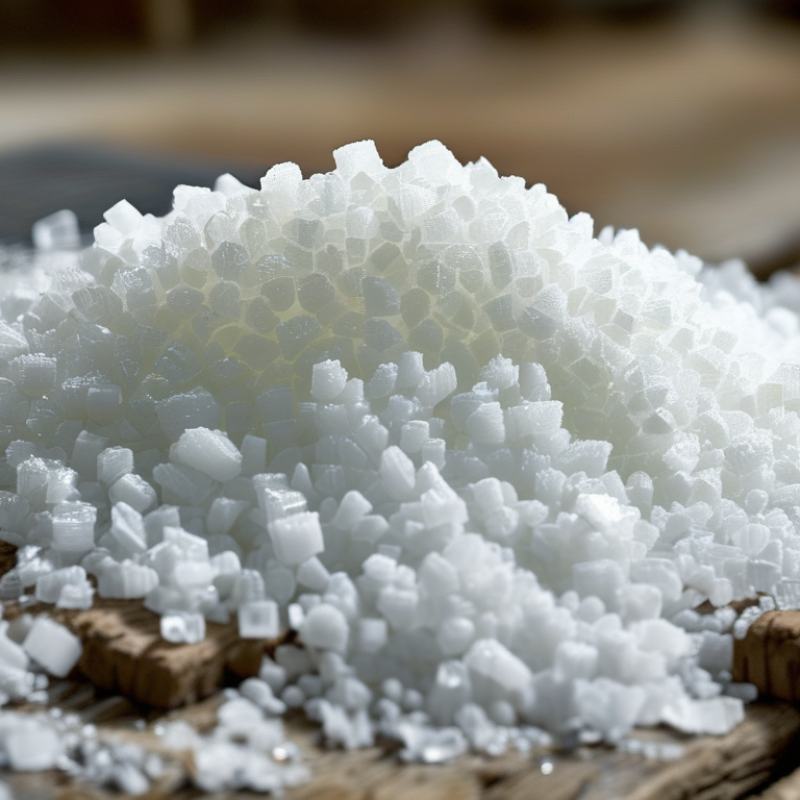
Potassium nitrate, commonly written as KNO3, is an inorganic salt made from potassium, nitrogen, and oxygen. It appears as white crystals or granules. In legitimate settings, it supports regulated agricultural, laboratory, and industrial applications. Its usefulness does not remove its responsibilities. A clean appearance alone proves very little.

Safe sourcing begins with a verified supplier and a clear intended use. Ask for a current Safety Data Sheet, certificate of analysis, batch number, and documented origin. Check stated purity, moisture content, packaging condition, and transport requirements. A reliable supplier should answer technical questions without pressure or vague promises. Local rules may also require registration, permits, or purchase records. Confirm them before ordering.

Storage deserves equal attention. Keep the material sealed, dry, clearly labeled, and separated from incompatible substances. Limit access to trained personnel. Never transfer it into food containers or unmarked bags. I have learned that small labeling shortcuts create large risks later. Still, paperwork can be incomplete, and a certificate may not reveal every handling problem. Independent testing may be sensible for critical applications. Review the supplier periodically, not only after something goes wrong. Safe sourcing is a continuing verification process, not a single transaction.

How to Check Legal Requirements Before Purchasing

Before purchasing potassium nitrate in 2026, check the laws where your business operates. Requirements may differ by country, state, province, and intended use. Contact the relevant chemical regulator, customs office, or local authority for current guidance. Do not rely on an old supplier email or a general internet article. Ask whether registration, licensing, end-use declarations, quantity limits, or buyer identification applies.

Prepare clear records before requesting a quotation. Keep your organization’s legal name, address, responsible contact, intended lawful use, and estimated annual quantity consistent across documents. Request a current safety data sheet, certificate of analysis, transport classification, and storage guidance. A professional supplier should explain compliance requirements without suggesting shortcuts. Be cautious if a seller avoids paperwork, encourages unusual payment methods, or refuses to confirm the product’s legal status.

Check shipping rules separately from purchasing rules. Some carriers require special packaging, labeling, trained handlers, or advance approval. Your workplace may also need a written risk assessment, secure storage, inventory logs, and staff training. Store documents where inspectors can access them quickly. Small details matter.

A common mistake is assuming agricultural availability means unrestricted sale. That assumption can be wrong. Laws and enforcement practices can change during the year, so review official sources shortly before ordering. If any requirement remains unclear, pause the transaction and obtain written advice from a qualified compliance professional.

How to Source Potassium Nitrate Safely in 2026

Before purchasing, confirm the product identity, concentration, end use, transport classification, storage controls, and any permit or reporting requirements in the destination jurisdiction.

Potassium nitrate is transported internationally as UN 1486, Class 5.1 oxidizing substance, Packing Group III. In the European Union, potassium nitrate above 45% by weight is listed as a restricted explosives precursor, so additional licensing, customer-verification, and reporting requirements may apply. Always confirm the current rules with the competent authority before ordering.

Reference framework: UN dangerous-goods classification, ADR road transport rules, IMDG maritime rules, ICAO technical instructions, and European Union Regulation 2019/1148.

How to Evaluate Suppliers, Product Quality, and Documentation

How to Source K Nitrate Safely in 2026?

Supplier evaluation should begin with traceability, not price. The International Fertilizer Association’s Medium-Term Fertilizer Outlook 2024–2028 places global nutrient demand near 200 million tonnes annually. That scale increases the value of consistent documentation. Request the legal entity, manufacturing site, production date, lot number, and supply-chain route. Verify the certificate of analysis against an independent laboratory report. Check assay, moisture, insoluble matter, chloride, and particle size. Small differences can affect storage and application performance.

Documentation must match the physical material. Review a current safety data sheet, specification sheet, certificate of analysis, transport classification, and quality-management records. Confirm that the documents identify the same lot. They should also state sampling methods and test standards.

A supplier’s certificate alone is not enough. Keep sealed retain samples and photograph the packaging when received. The United Nations Comtrade database can help compare declared trade flows, while national authorities should confirm local import, storage, and agricultural requirements. Never rely on a generic website statement.

A practical audit should examine dry storage, humidity control, batch segregation, recall procedures, and complaint handling. The product should arrive in intact, clearly labelled packaging. No mystery bags. One weakness remains common: buyers sometimes accept old certificates because the material looks clean. Appearance proves very little. Recheck documents after every supplier or specification change, and record who approved the release. This process may feel slower, but incomplete records create the greatest uncertainty.

How to Buy, Receive, and Store Potassium Nitrate Safely

How to Source K Nitrate Safely in 2026?

Buying potassium nitrate safely begins with a legitimate, documented supplier. Confirm the seller follows current local regulations and provides a recent Safety Data Sheet. Ask for the product grade, concentration, packaging details, and emergency contact information before ordering. Avoid anonymous listings or sellers who refuse basic documentation. Use the material only for a lawful, clearly defined purpose.

When the shipment arrives, inspect the outer carton before opening it. Look for tears, moisture, crushed containers, missing labels, or powder residue. Do not accept a damaged package without recording the problem and contacting the carrier or supplier. Keep the original label and paperwork with the product. Wear suitable eye protection and gloves during inspection, and wash your hands afterward. A clean receiving area reduces accidental contamination.

Store potassium nitrate in its original, sealed container. Choose a cool, dry, well-ventilated cabinet away from heat, flames, fuels, paper, oils, and other combustible materials. Keep it separate from incompatible chemicals, and restrict access to trained adults. Never use food containers or unmarked jars. Maintain a simple inventory with purchase dates and quantities. Check containers regularly for corrosion, clumping, or damaged seals. I would not rely on memory alone; a written check is easier to audit. Small oversights can matter. When uncertain, pause and ask a qualified safety professional or local authority before moving the material.

How to Identify Scams, Contamination, and Unsafe Handling Practices

How to Source K Nitrate Safely in 2026?

Sourcing potassium nitrate safely begins with verifying the seller, not chasing the lowest price. Choose suppliers with a registered business address, responsive technical staff, and current safety documentation. Ask for a Safety Data Sheet and a recent Certificate of Analysis. The documents should show purity, moisture, batch identification, and testing methods. Vague paperwork is a warning sign. So are pressure tactics.

Contamination can appear as unusual color, damp clumps, strong odors, or damaged packaging. Do not taste or casually handle the material. Compare the delivered batch with the certificate before using it. Independent laboratory testing is sensible when the material supports food, agricultural, or controlled industrial work. I still check labels twice; small errors can become serious mistakes. A polished website does not prove reliability.

Tips: Confirm local regulations and intended-use requirements before ordering. Purchase only the quantity needed for an approved purpose. Keep the original container sealed, dry, and clearly labeled. Store it away from heat, fuels, organic materials, and incompatible chemicals. Use gloves, eye protection, ventilation, and written handling procedures. Never accept unlabeled material or transfer it into drink bottles. If a supplier avoids traceability questions, walk away. Safety sometimes feels inconvenient. That is exactly why people skip it.

How to Source K Nitrate Safely in 2026? - How to Identify Scams, Contamination, and Unsafe Handling Practices

Verification or Safety Dimension Reliable Reference Information Warning Signs Recommended Buyer Action
Chemical identity Potassium nitrate; formula KNO3; CAS Registry Number 7757-79-1; molar mass approximately 101.10 g/mol. The seller cannot provide a consistent chemical name, formula, CAS number, or specification. Match the product identity across the quotation, label, SDS, certificate of analysis, invoice, and shipping documents.
Oxidizing classification Potassium nitrate is classified as an oxidizing solid in transport regulations; UN 1486 is commonly assigned to potassium nitrate, with transport Division 5.1. The listing describes it as non-hazardous, ordinary combustible material, or suitable for unrestricted storage beside fuels. Request the current SDS and verify the transport classification with the carrier and applicable local regulations.
Seller legitimacy A legitimate supplier should provide a verifiable business address, formal quotation, traceable order records, and a responsible contact for regulatory documents. Pressure to pay by irreversible methods, mismatched payment details, disposable email addresses, unusually low prices, or refusal to provide documentation. Use purchase orders, documented payment channels, and independent verification of the supplier’s legal and shipping information.
Certificate of analysis A useful CoA identifies the lot or batch, test date, test methods, purity or assay, moisture, relevant impurities, and an authorized reviewer. A generic certificate has no lot number, uses unexplained percentages, contains copied signatures, or does not match the delivered packaging. Require a lot-specific CoA and compare its lot number, product identity, and test results with the container label before acceptance.
Safety Data Sheet The SDS should contain identification, hazard classification, first aid, firefighting, accidental-release, handling, storage, exposure-control, and transport information. Missing SDS, outdated revision, contradictory hazard statements, or a document describing a different chemical. Obtain and review the SDS before purchase, and make it available to receiving, storage, laboratory, and emergency personnel.
Physical appearance Pure material is typically a white crystalline solid or powder. Appearance alone cannot establish purity or identity. Unexpected color, oily or wet material, strong foreign odor, caking with liquid leakage, damaged seals, or mixed particles. Quarantine questionable material. Do not taste, intentionally heat, mix, or perform improvised chemical tests.
Contamination control Oxidizers should be protected from contamination by fuels, oils, solvents, reducing agents, acids, organic materials, and combustible dust. Unsealed bags, reused food containers, shared scoops, visible debris, or packaging stored with flammable products. Accept only intact, clearly labeled packaging. Use clean, dedicated tools and prevent contact with incompatible materials.
Storage conditions Store in a cool, dry, well-ventilated area, away from heat, flames, direct sunlight, combustible materials, and incompatible chemicals. Storage near fuels, paper, wood, oils, solvents, gas cylinders, ignition sources, or in damp unventilated spaces. Follow the SDS and local fire-code requirements; use suitable segregation, secondary containment, and controlled access.
Moisture and packaging The material is water-soluble and should be kept dry and protected from moisture during storage and transport. Condensation, wet cartons, torn liners, softened packaging, or evidence of repeated opening and resealing. Inspect shipments on arrival, record damage, isolate compromised packages, and request replacement or formal disposition instructions.
Basic analytical screening Identity and purity should be confirmed using validated laboratory methods appropriate to the intended use, such as ion chromatography or other qualified analytical procedures. Seller claims that color, crystal size, a flame test, or a home test proves purity or safety. Use an accredited or competent laboratory when material quality is critical. Treat field tests as insufficient for release decisions.
Handling controls Avoid generating dust; use appropriate eye protection, protective clothing, gloves selected from the SDS, and local ventilation where dust may form. Dry sweeping, compressed-air cleaning, open transfers, eating or drinking in the area, or handling without training and PPE. Follow the SDS, workplace risk assessment, and applicable occupational-safety requirements. Wash hands after handling.
Receiving and traceability Each shipment should be linked to a purchase record, quantity, lot number, supplier documents, receipt date, and storage location. No lot identification, handwritten relabeling, unexplained quantity changes, or materials transferred into unmarked containers. Maintain a chain of custody and retain the SDS, CoA, invoice, inspection record, and disposal documentation.
Regulatory review Requirements may vary by country, quantity, intended use, workplace, and transport route; oxidizer controls and reporting obligations may apply. The seller claims that no permits, records, transport controls, or workplace procedures are ever required. Check current requirements with the relevant environmental, occupational-safety, fire, customs, and transport authorities before ordering.
Stop-use criteria Unidentified, contaminated, damaged, or undocumented material should not be released for use. Heating, unusual odor, smoke, rapid decomposition, container damage, or contact with combustible or reactive material. Stop work, isolate the area, keep ignition sources away, and contact trained emergency, safety, or hazardous-materials personnel. Do not improvise disposal.

Note: This table is a procurement and safety checklist, not a substitute for the current Safety Data Sheet, applicable law, professional risk assessment, or emergency response guidance.

FAQS

What legal checks should buyers complete before purchasing potassium nitrate?

Check current laws in your country, state, province, and intended-use category. Requirements may include registration, licensing, quantity limits, buyer identification, or end-use declarations. Ask the relevant authority directly. Do not trust outdated emails or general websites.

What information should an organization prepare before requesting a quotation?

Prepare your legal name, address, responsible contact, lawful purpose, and estimated annual quantity. Keep these details consistent across every document. Inconsistencies can delay approval. Small errors matter.

Which documents should a supplier provide?

Request a current Safety Data Sheet, specification sheet, certificate of analysis, and transport classification. The documents should identify the same product lot. They should include sampling methods and test standards. Missing paperwork deserves caution.

How can buyers evaluate supplier traceability?

Request the legal entity, manufacturing site, production date, lot number, and supply-chain route. Compare the certificate with an independent laboratory report when practical. Review assay, moisture, insoluble matter, chloride, and particle size. Price alone proves little.

What should buyers check about shipping?

Review shipping rules separately from purchasing rules. Carriers may require special packaging, labels, trained handlers, or advance approval. Confirm transport requirements before payment. Do not assume ordinary delivery is acceptable.

How should an incoming shipment be inspected?

Examine the carton before opening it. Look for tears, moisture, crushed containers, missing labels, or powder residue. Record damage with photographs and contact the carrier or supplier. Keep the original label and paperwork.

How should potassium nitrate be stored safely?

Keep it sealed in the original container, inside a cool, dry, ventilated cabinet. Separate it from heat, flames, fuels, oils, paper, and incompatible chemicals. Restrict access to trained adults. Never use food containers or unmarked jars.

What records should a workplace maintain?

Keep inventory logs with purchase dates, quantities, lot numbers, and approval details. Record inspections, staff training, risk assessments, and complaint handling. Check containers for corrosion, clumping, and damaged seals. Memory is not enough.

What should someone do when a requirement remains unclear?

Pause the transaction and seek written advice from a qualified compliance or safety professional. Review official sources shortly before ordering because rules can change during the year. I would not guess. Uncertainty should stop the purchase.

Conclusion

Sourcing K Nitrate safely in 2026 requires more than comparing prices. Buyers should first understand its legitimate agricultural, industrial, or laboratory uses and confirm all applicable purchasing, transport, and storage requirements in their location. Before placing an order, verify that the supplier is properly registered, provides clear contact information, and can supply current product specifications, safety data, batch details, purity information, and traceable documentation. Independent quality checks may also be appropriate when consistency is important.

A safe purchasing process includes confirming packaging, delivery conditions, labeling, and receiving procedures in advance. Store K Nitrate in its original, clearly marked container in a cool, dry, well-ventilated area, separated from incompatible materials and protected from unauthorized access. Be cautious of unusually low prices, incomplete paperwork, pressure to bypass normal procedures, damaged packaging, unexplained discoloration, or suppliers unwilling to answer technical questions. Refusing questionable shipments and consulting qualified safety professionals can help prevent contamination, mishandling, and avoidable compliance problems.


Isabella

Isabella

Isabella is a dedicated marketing professional with a sharp focus on driving brand growth and engagement through strategic content creation. With an extensive background in digital marketing, she combines her passion for storytelling with her keen understanding of industry trends to deliver......