How to Buy KNO3 Potassium Nitrate Safely?

Time:2026-09-29 Author:Sophia
0%

Buying Kno3 Potassium Nitrate safely requires more than comparing prices or reading a supplier’s product page. Product identity, purity, packaging, documentation, and legal compliance all matter. Potassium nitrate is an oxidizing fertilizer chemical, so careless storage can intensify fire hazards. Treat the purchase seriously.

Recent market analyses from Grand View Research and Mordor Intelligence describe steady global demand for potassium nitrate, driven by specialty fertilizers, greenhouse cultivation, and industrial applications. Their reports also highlight supply-chain complexity and regional differences in regulation. However, market growth does not guarantee supplier reliability. A low price may reflect weak packaging, missing documentation, or unclear origin.

“Responsible fertilizer use begins with sound stewardship across the supply chain,” says Patrick Heffer, an international fertilizer-industry specialist associated with the International Fertilizer Association. That principle should guide every purchase. Ask for a current Safety Data Sheet, certificate of analysis, batch number, manufacturer details, and clear labeling under the Globally Harmonized System. Check whether the seller follows applicable transport, storage, and sales requirements in your country.

Look closely.

A trustworthy package should arrive sealed, dry, and undamaged. Avoid unlabeled bags, improvised containers, vague purity claims, and sellers who resist basic questions. Confirm the intended lawful use before ordering, and purchase only the quantity your organization can store safely. Regulatory databases, national chemical authorities, and recognized agricultural suppliers provide stronger verification than anonymous online listings. Mistakes still happen, even with experienced buyers. A documented purchasing process reduces that risk and creates accountability.
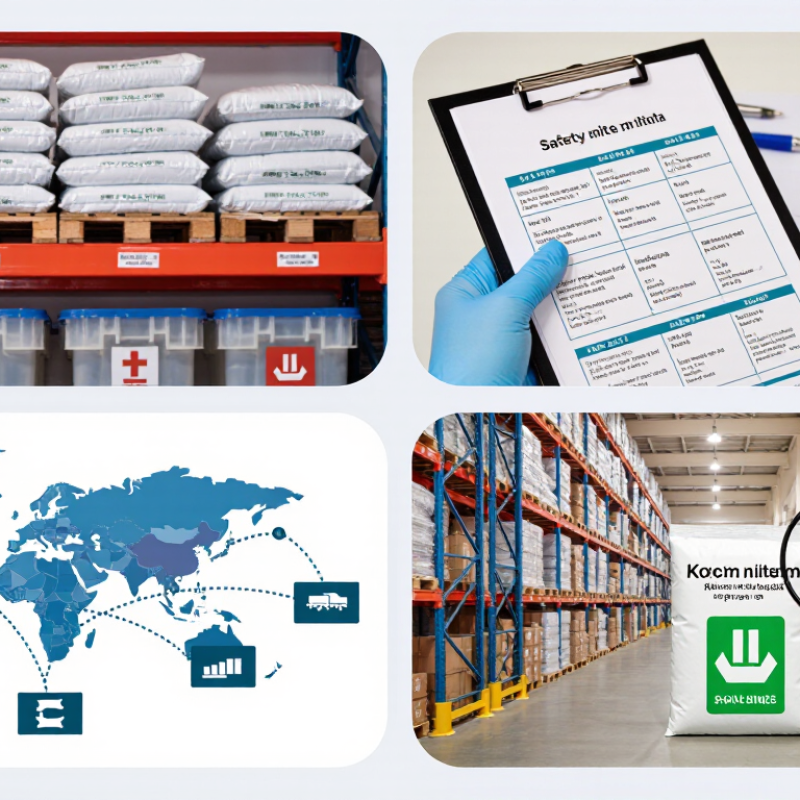
How to Buy KNO3 Potassium Nitrate Safely?

Identify the Legal Uses and Regulations for KNO3

Potassium nitrate, or KNO3, has legitimate uses in agriculture, regulated food processing, and laboratory work. For home gardening, it may be sold as a fertilizer ingredient, but the product label should clearly state its grade and intended use. Food-grade use is subject to strict rules; only approved products and methods are appropriate. A fertilizer or laboratory grade is not a substitute.

Regulations differ by country and may also vary by state or province. Before buying, check local rules for permitted uses, seller requirements, purchase limits, and shipping restrictions. Rules vary. A product being listed online does not prove that its sale or use is allowed where you live. Choose a reputable agricultural or chemical supplier, and review the label and safety data sheet before purchase. Confirm the package is sealed, identify the manufacturer, and keep the receipt and product documentation. If the intended use is unclear, ask a qualified agricultural adviser or local regulator. It is easy to assume one grade fits every purpose; that assumption can be wrong.

Selected Drinking-Water Nitrate Limits

These benchmarks apply to nitrate in drinking water, not to potassium nitrate products. The WHO and EU values are 50 mg/L as nitrate (NO₃⁻). The U.S. EPA limit is 10 mg/L as nitrate-nitrogen; it is approximately 44.3 mg/L when expressed as nitrate. Applicable rules for buying, possessing, or using KNO₃ vary by jurisdiction and intended use, so check local requirements.

Sources: WHO Guidelines for Drinking-water Quality; EU Drinking Water Directive 2020/2184; U.S. EPA National Primary Drinking Water Regulations.

Verify Product Purity, Grade, and Seller Credentials

When buying potassium nitrate, match the grade to a clearly defined, lawful use. Agricultural, laboratory, and food-related grades have different specifications; one should not be substituted for another without checking requirements. Read the label for the stated assay, additives, and impurity limits. Check the paperwork. A current certificate of analysis should identify the product’s lot and report measured values, not just repeat a general specification.

Confirm that the seller provides a safety data sheet, sealed and labeled packaging, and a way to trace the shipment to its lot. Review the company’s business details and ask whether it can answer technical questions about grade, storage, and documentation. Clear answers matter. Be cautious if documents are missing, inconsistent, or appear unrelated to the product. I would not treat a polished website as proof of quality; paperwork and traceability are more useful, though they cannot guarantee every batch is perfect.

Before ordering, check local rules and any workplace purchasing requirements, since restrictions can vary by location and use. Plan storage as well: potassium nitrate is an oxidizer, so follow the SDS and keep it away from incompatible materials, heat, and moisture. Use the original labeled container where practical. If the intended application or grade remains unclear, pause and consult a qualified supplier or safety professional rather than guessing.

Compare Packaging, Labeling, and Safety Documentation

When buying KNO3, inspect the package as carefully as the price. Potassium nitrate is an oxidizing solid; the ECHA substance dossier identifies the hazard statement “May intensify fire; oxidizer” (H272). Choose intact, sealed packaging with a clear product name, grade, net quantity, batch or lot number, and supplier contact details. The hazard label should remain readable, not covered by a shipping sticker. Check that the container is clean and dry, with no tears, damp patches, or loose crystals around the closure. Small clues matter. Avoid material transferred into an unmarked bag or jar; appearance alone cannot confirm identity or purity.

Ask for a current Safety Data Sheet before purchase, then compare its product identity with the label. OSHA’s Hazard Communication Standard sets a 16-section format for SDS documents, including sections on hazards, handling, storage, and transport. A complete document is useful, but it is not proof that the specific lot matches its stated grade.

Request a batch-specific certificate of analysis when purity matters, and check its date, lot number, and test values. Follow the SDS storage guidance, including separation from combustible materials. One detail is easy to miss: supplier grade names can vary, so compare actual specifications rather than relying on the wording alone. The paperwork should be clear enough for a second person to verify.

Check Order, Storage, and Transport Requirements

Before buying KNO3, confirm the seller’s legal registration, product grade, net weight, and intended agricultural or laboratory use. Request a current Safety Data Sheet and Certificate of Analysis. The UN Recommendations on the Transport of Dangerous Goods, 23rd revised edition, identifies potassium nitrate as UN 1486, Class 5.1, an oxidizing solid. This classification affects packaging, labeling, carrier selection, and delivery paperwork. Check the order carefully. A cheaper listing may hide unclear purity or incomplete documentation.

Store the material in its original, sealed container, away from heat, moisture, fuels, paper, oils, and other combustible materials. Keep the area cool, dry, ventilated, and access-controlled. Never place it beside incompatible chemicals. Inspect packaging for swelling, tears, contamination, or dampness before accepting delivery. ECHA substance information also highlights its oxidizing properties, so household containers are not suitable. In practice, storage mistakes often begin with poor segregation. That deserves honest review.

Tips: Ask the supplier how the shipment will be classified and labeled. Confirm the carrier accepts oxidizing solids before payment. Keep the SDS with the package. Do not repackage, mix, or leave it inside a hot vehicle. Requirements can vary by country, quantity, and transport mode. When information conflicts, pause the order and consult a qualified dangerous-goods professional or local authority.

Inspect the Product Safely Upon Delivery

When KNO3 potassium nitrate arrives, inspect the parcel before opening it. Check for crushed corners, damp cardboard, broken seals, or loose powder. Photograph every concern while the package is still unopened. The label should clearly identify potassium nitrate, its grade, net quantity, supplier details, and relevant hazard information. Compare these details with your order and the supplied safety data sheet.

Open the package in a clean, dry, well-ventilated area away from flames, heat, food, and combustible materials. Wear suitable gloves and eye protection. Do not smell, taste, or touch the material with bare hands. Look for moisture, discoloration, unusual clumps, or contamination. A small amount of caking may result from humidity, but unexplained debris deserves attention. Do not use it yet.

Keep it isolated. If the inner container leaks, stop handling it and follow the supplier’s safety guidance. Contact the seller with clear photographs, batch information, and delivery records. Do not sweep spilled material into ordinary waste or mix it with other chemicals. Local disposal rules and the safety data sheet should guide the next step.

I once underestimated how easily packaging damage can hide beneath an intact outer box. That mistake changed my inspection routine. Now I check the bottom, seams, and inner liner carefully. It takes only a few minutes, but rushed inspections can miss important warning signs. The product should remain sealed, dry, correctly labeled, and traceable before acceptance.

FAQS

How do I choose the correct potassium nitrate grade?

Match the grade to a clearly defined, lawful use. Agricultural, laboratory, and food-related grades differ. Do not substitute casually.

What should I check on the product label?

Review the stated assay, additives, net weight, and impurity limits. Small details matter.

Which documents should a seller provide?

Request a current Safety Data Sheet and a lot-specific Certificate of Analysis. The certificate should show measured values, not copied specifications.

How can I evaluate seller credibility?

Check business details, legal registration, sealed packaging, and shipment traceability. Ask technical questions about grade, storage, and documentation. Clear answers matter.

Is an attractive website proof of product quality?

No. Paperwork and traceability are more useful. Still, they cannot guarantee every batch is perfect.

What storage conditions are appropriate?

Keep the original sealed container in a cool, dry, ventilated area. Keep it away from heat, moisture, fuels, oils, paper, and combustible materials.

What should I inspect when delivery arrives?

Check for swelling, tears, dampness, or contamination. Do not accept damaged packaging without review. That step is easy to underestimate.

What transport information should I confirm before payment?

Ask how the shipment will be classified, labeled, packaged, and carried. Confirm the carrier accepts oxidizing solids. Requirements vary by location and quantity.

What should I do if the grade or paperwork seems unclear?

Pause the order. Do not guess, repackage, mix, or leave the material in a hot vehicle. Consult a qualified supplier, safety professional, or local authority.

Conclusion

Buying Kno3 Potassium Nitrate safely requires careful attention to lawful use, product quality, and responsible handling. Before placing an order, confirm that your intended application is permitted in your location and review any applicable purchasing or reporting requirements. Select a reputable, properly authorized seller and verify the product’s purity, grade, batch information, and quality documentation. Clear packaging, accurate labels, hazard warnings, and an up-to-date safety data sheet are important indicators of responsible supply.

Also consider order limits, delivery conditions, storage instructions, and transport restrictions before purchase. The product should be kept in its original, clearly labeled container, away from incompatible materials, heat, moisture, and unauthorized access. When it arrives, inspect the package for damage, leakage, missing labels, or discrepancies in the documentation. Do not use a product that appears compromised; instead, isolate it safely and contact the seller or relevant safety authority for guidance. Following these steps supports legal compliance, product reliability, and safe handling throughout the purchasing process.


Sophia

Sophia

Sophia is a dedicated marketing professional with an exceptional depth of knowledge about her company's products and services. With a keen understanding of market trends and customer needs, she crafts insightful blog posts that not only inform but also engage readers, enriching the company’s online......