Potassium nitrate is a compound found in various household items. Many people are unaware of its presence in everyday products. This compound offers multiple benefits, but it can also pose potential concerns. Knowing about "Household Items With Potassium Nitrate" can help you use these items wisely.
From fertilizers to certain food products, potassium nitrate plays a crucial role. It enhances growth in plants and preserves food for longer. However, the impact on health is something worth considering. Regular exposure might lead to unintended consequences.
Understanding the applications of potassium nitrate in your home is vital. Awareness can guide better choices and informed usage. While some of these items are beneficial, it’s essential to reflect on their safety and impact. This knowledge empowers you to make the best decisions for your household.
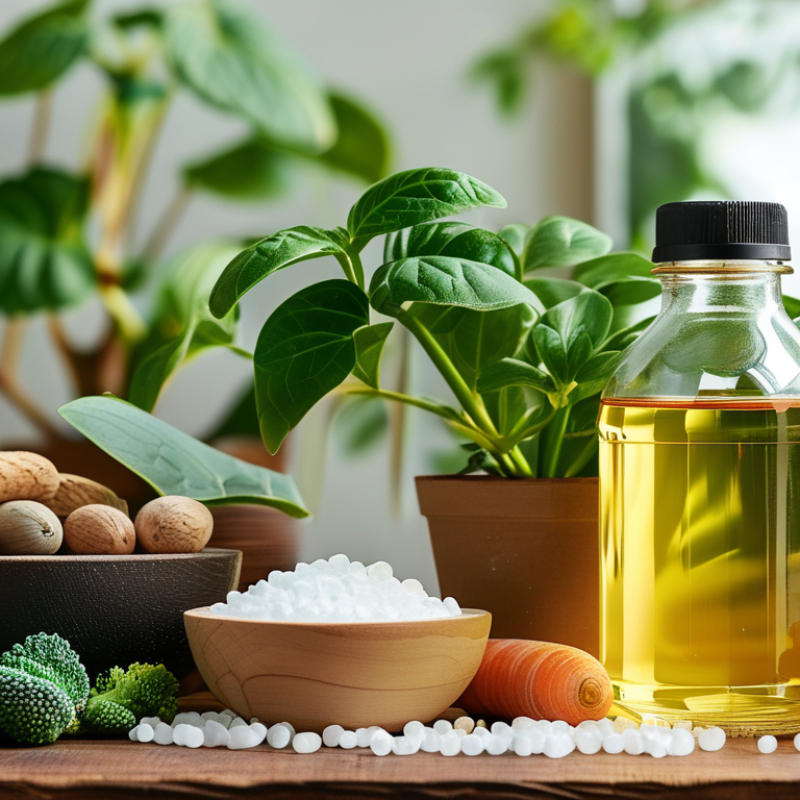
Potassium nitrate is a versatile compound found in various household items. It serves multiple purposes in daily life. One common use is as a fertilizer. Gardeners appreciate its ability to promote healthy plant growth. By providing essential nutrients, potassium nitrate improves flowering and fruiting in plants.
Another notable application is in food preservation. Potassium nitrate helps inhibit bacterial growth in meats. This is crucial for maintaining freshness and extending shelf life. However, it's important to use it correctly. Overuse might lead to undesirable flavors.
When handling potassium nitrate, always follow safety guidelines. Store it away from heat sources and moisture. Proper storage ensures its effectiveness and reduces the risk of accidents. For those interested in gardening, consider using it carefully to enhance plant health. Testing soil before application is wise to prevent imbalances.
For food preservation, always measure the quantity accurately. Using too much can alter taste and texture. Seek information on safe handling practices. This compound can be beneficial if used responsibly. Make informed decisions to maximize its positive effects in your home.
Potassium nitrate, a compound with many applications, is present in several household items. A common use is in fertilizers. According to a report by the Fertilizer Institute, around 50% of potassium nitrate produced is utilized in agricultural settings. This highlights its importance, but many may not realize it can also be found in foods and other unexpected household products.
Food products like cured meats often contain potassium nitrate, acting as a preservative. The USDA states that many processed meats retain this ingredient for both flavor and safety. Additionally, it can be found in certain cleaning agents. While some may use cleaning products with potassium nitrate for their effectiveness, it's essential to consider potential health risks. Misunderstanding the safety of this compound often leads to inappropriate usage, emphasizing the need for informed choices.
Household gardeners may also encounter potassium nitrate in some plant nutrients. While beneficial for plant growth, excessive use can harm soil balance. Awareness of where this compound appears in our homes is crucial, as misapplication could lead to unintended consequences. Recognizing the everyday items containing potassium nitrate is the first step in making safer household decisions.
When using products that contain potassium nitrate, safety should be the priority. This compound is often found in fertilizers and some food preservation methods. However, ignorance about its properties can lead to serious health concerns. Exposure to high levels may cause skin irritation or respiratory issues. In fact, a study published in the Journal of Environmental Health noted that chronic exposure could result in harmful effects on the liver and kidneys.
Understanding how to handle items with potassium nitrate is essential. Proper storage away from heat sources is crucial, as it can become a fire hazard. According to the U.S. National Fire Protection Association, potassium nitrate is classified as an oxidizer. This means it can enhance the combustion of other materials. Ensure that you're using these products in well-ventilated areas to minimize inhalation risks.
While potassium nitrate can serve beneficial purposes, caution is necessary. Reviewing product safety data sheets can provide vital information. It helps understand how to mitigate risks effectively. Always consider wearing gloves and masks when handling these materials to prevent potential health issues. Keep these safety measures in mind while managing household items containing potassium nitrate.
Potassium nitrate is a versatile compound found in various household items. It is valued for its benefits, such as acting as a natural fertilizer and a preservative in food items. According to the USDA, potassium nitrate functions effectively in enhancing plant growth by providing essential nutrients. This is particularly important for urban gardens and indoor plants, as urban dwellers seek sustainable gardening methods.
In addition to gardening, potassium nitrate proves beneficial in food preservation. Studies show that it inhibits the growth of pathogens in meats. By using potassium nitrate, households can extend the shelf life of cured meats. However, while the benefits are clear, it is essential to use potassium nitrate responsibly. Excessive use can lead to health concerns, including elevated nitrogen levels in water sources. Hence, balancing use is crucial for safety.
Household cleaning products may also include potassium nitrate as a stabilizing agent. Its presence can enhance the efficacy of certain cleaners. However, not all cleaning agents disclose their full ingredients. This can lead to misuse or overuse in cleaning routines. Homeowners should educate themselves about the products they use. Understanding potassium nitrate's role and potential risks ensures safer environments.
Potassium nitrate is commonly found in various household products, raising concerns about its environmental impact. This compound, used in fertilizers, can leach into the soil and waterways. According to the United States Geological Survey, excessive nitrate runoff can lead to water quality issues, including algal blooms and aquatic dead zones.
The use of potassium nitrate in home products adds to this concern. For example, it may be present in certain garden fertilizers or pest control solutions. Studies indicate that when compounds like potassium nitrate enter the ecosystem, they disrupt local flora and fauna. Wildlife, especially aquatic organisms, is sensitive to elevated nitrate levels, impacting biodiversity.
Households might unintentionally contribute to this problem. Many are unaware of the cumulative effects of these products. A study from the Environmental Protection Agency found that agricultural runoff, including household products, significantly affects local waterways. Reducing reliance on potassium nitrate-based products could enhance environmental health and promote sustainable practices. Awareness is vital for responsible consumer choices.
| Item | Common Uses | Potassium Nitrate Content (%) | Environmental Impact |
|---|---|---|---|
| Fertilizers | Enhancing plant growth | 10-15% | Can leach into groundwater, affecting water quality |
| Meat Cure | Preserving meats | 1-2% | Potentially harmful if consumed in large quantities |
| Fireworks | Creating color and effects | 30-40% | Air pollution during combustion |
| Toothpaste | Sensitive teeth formulation | 0.1% | Minimal environmental impact |
| Antifreeze | Preventing engine freezing | 3-5% | Potential to contaminate water sources |
| Plant Nutrients | Supplementing soil | 5-10% | Runoff can lead to algal blooms |
| Water Softener | Reducing mineral hardness | 5-12% | Potential for increased salt levels in water |
| Pesticides | Controlling pests | 2-8% | Risk to beneficial insects |
| Glass Cleaner | Cleaning surfaces | 1-3% | Low impact if disposed of properly |
| Silver Polish | Restoring shine to silver | 2-5% | Hazardous waste if improperly discarded |
: Potassium nitrate acts as a natural fertilizer and food preservative. It's beneficial for plant growth and extending shelf life of meats.
It provides essential nutrients, enhancing plant growth. Urban dwellers can use it for sustainable gardening at home.
Yes, it inhibits pathogen growth in meats. However, responsible use is important to avoid health risks.
Excessive use can elevate nitrogen levels in water, leading to potential health issues. Balance is key for safety.
Yes, it can act as a stabilizing agent in some cleaning products. However, full ingredient disclosure is not always clear.
It can leach into waterways, causing water quality issues like algal blooms and harm to local wildlife.
Reducing reliance on potassium nitrate products may help. Awareness and responsible use can lead to better environmental health.
Yes, misuse leads to ineffective cleaning and potential health risks. Educating oneself on these products is crucial.
Knowing its potential risks helps ensure safer environments and healthier practices in households.
Many households are unaware. This lack of knowledge can lead to unintentional contributions to environmental issues.
Potassium nitrate, a versatile compound, is found in various household items that serve multiple purposes. From fertilizers to food preservation, the common uses of potassium nitrate highlight its importance in everyday applications. Identifying household items with potassium nitrate is crucial for consumers wanting to manage their exposure to this chemical. While many products containing potassium nitrate can be beneficial, it's essential to consider safety precautions when using these items, ensuring proper handling and usage to mitigate any health risks.
Moreover, understanding the benefits of potassium nitrate, such as its role in enhancing plant growth and its use in certain culinary practices, underscores its value in households. However, the environmental impact of household items with potassium nitrate should not be overlooked, prompting users to be mindful of their consumption and disposal practices. Overall, being informed about potassium nitrate in household products can lead to safer and more responsible use, benefiting both individuals and the environment.

VOJIN
