What is the Function of Potassium Nitrate in Agriculture?

Time:2026-07-21 Author:Ethan
0%

Agriculture relies heavily on various fertilizers to enhance crop yield and soil health. One crucial component in this context is potassium nitrate. This compound plays a vital role in promoting plant growth by providing essential nutrients. Understanding the "Fungsi Baja Potassium Nitrate" is key for farmers who aim to optimize their production.

Potassium nitrate contains both potassium and nitrogen, essential for various physiological processes in plants. Potassium improves drought resistance and disease tolerance. Meanwhile, nitrogen supports chlorophyll production and green leaf development. This combination leads to healthier and more resilient crops.

However, misuse of potassium nitrate can lead to issues like nutrient imbalance and environmental concerns. Farmers must apply it judiciously based on soil tests and crop needs. Balancing efficiency with sustainability will ensure that this valuable resource remains a cornerstone of agricultural practices.
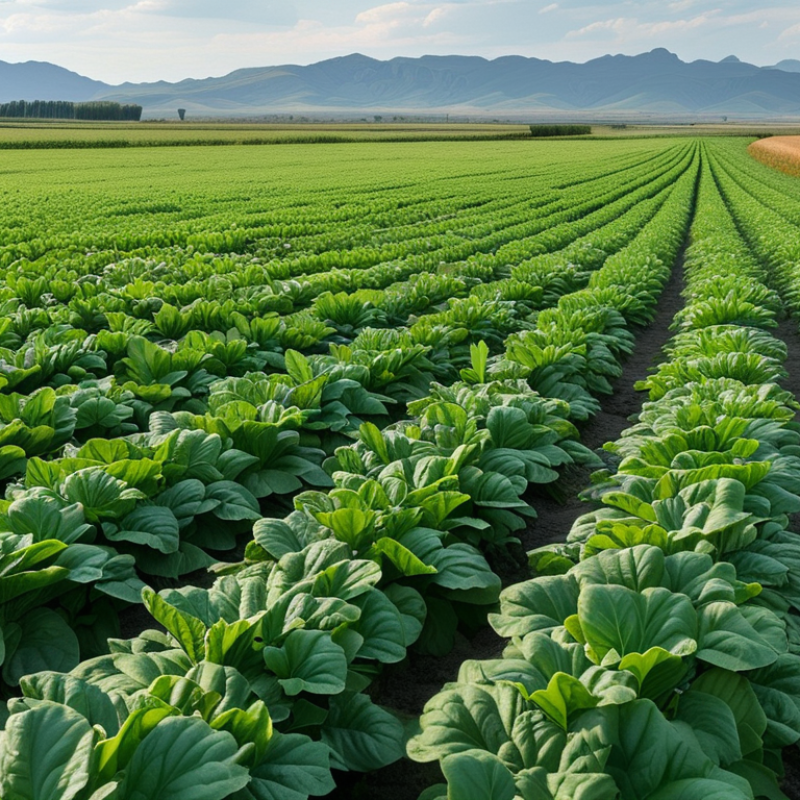
What is the Function of Potassium Nitrate in Agriculture?

Role of Potassium in Plant Growth and Development

Potassium is essential for plant growth and development. It plays a vital role in various physiological processes. This nutrient helps plants regulate water. It also aids in enzyme activation and photosynthesis.

Plants rely on potassium to enhance root development. Strong root systems improve nutrient uptake. They also help plants withstand drought. Potassium contributes to the overall health of plants. It’s crucial for the production of proteins and starches. Without sufficient potassium, plants may show stunted growth or weak stems.

Farmers often face challenges in maintaining optimal potassium levels in soil. Testing soil regularly is imperative. This practice ensures that crops receive adequate nutrients. Finding a balance can be complex. Excess potassium can lead to deficiencies in other minerals. Monitoring is necessary for sustainable agriculture.

Impact of Potassium Nitrate on Plant Growth

This chart illustrates the effect of varying levels of potassium nitrate on the growth of crops over a 12-week period. The three crops represented are Corn, Tomatoes, and Wheat. Increased potassium nitrate levels generally contribute to improved growth metrics such as height and yield.

Importance of Nitrogen in Soil Fertility and Crop Yield

Soil fertility is crucial for crop yield, and nitrogen plays a fundamental role in this process. It is a key nutrient that promotes plant growth by aiding in the synthesis of proteins and chlorophyll. Studies show that nitrogen applications can increase crop yields by 20-50% depending on the crop and soil conditions. Soil deficient in nitrogen may lead to poor growth and reduced harvests.

Potassium nitrate provides essential nitrogen in a readily available form, supporting plant health. It also helps in the activation of various enzymes essential for plant metabolism. Providing an adequate supply of nitrogen can significantly enhance soil structure and microbial activity. Farmers should regularly test their soils to determine nutrient needs.

**Tips:** Incorporate organic matter into your soil. This can enhance nitrogen retention and improve soil structure. Consider using cover crops to naturally fix nitrogen. These practices help optimize fertility. Monitoring environmental conditions is also essential for effective nitrogen application rates.

What is the Function of Potassium Nitrate in Agriculture? - Importance of Nitrogen in Soil Fertility and Crop Yield

Parameter Value Unit Description
Soil Nitrogen Content 0.15 % by weight Typical nitrogen content in arable soils
Recommended Nitrogen Application 100 kg/ha Recommended nitrogen fertilizer application per hectare for optimal crop yield
Crop Nitrogen Uptake 60 kg/ha Amount of nitrogen absorbed by crops during the growing season
Soil pH for Optimal Nitrogen Availability 6.0 - 7.0 pH Ideal soil pH range for the best nitrogen availability
Potential Yield Increase with Nitrogen Fertilizer 20 - 40 quintals/ha Expected increases in crop yield after nitrogen application

Benefits of Potassium Nitrate as a Fertilizer in Agriculture

Potassium nitrate plays a critical role in agriculture. It provides essential nutrients, primarily potassium and nitrogen, crucial for plant growth. Potassium enhances root development and improves drought resistance. Vegetables, fruits, and grains benefit significantly from this compound. When used as a fertilizer, potassium nitrate can lead to higher yields and better crop quality.

Farmers often notice that using potassium nitrate results in vibrant colors and increased flavor in produce. It is particularly effective in promoting flowering and fruiting. However, there can be drawbacks. Overuse may lead to soil nutrient imbalance. Farmers need to monitor application rates carefully. The effects can vary depending on soil composition and weather conditions.

Understanding potassium nitrate's role creates opportunities for better crop management. It allows for more efficient nutrient supply. Nevertheless, relying too heavily on it without proper soil testing may cause unforeseen challenges. Responsible use is key for sustainable farming practices. Observing the long-term effects of potassium nitrate will further enhance agricultural productivity.

Application Methods of Potassium Nitrate in Various Crops

Potassium nitrate plays a crucial role in modern agriculture. It serves as a vital source of potassium and nitrogen, essential nutrients for plant growth. Various application methods can enhance crop yield and quality, making potassium nitrate popular among farmers.

When applying potassium nitrate, farmers can choose from different methods. Foliar application is common for quick nutrient uptake. Spraying a dilute solution on leaves ensures immediate absorption by the plants. Drip irrigation systems are another effective approach, allowing for precise nutrient delivery directly to the roots. This method minimizes waste and maximizes efficiency, particularly in arid regions.

Tips: Always conduct soil tests before application to determine nutrient needs. This step can help avoid over-fertilization. Monitor plants closely for signs of nutrient deficiency or excess. Adjusting application rates can be crucial. Using the right method at the right time increases the effectiveness of potassium nitrate, leading to healthier crops and better yields.

Environmental Considerations of Using Potassium Nitrate in Farming

Potassium nitrate is widely used in agriculture as a source of essential nutrients. It supplies both potassium and nitrogen, crucial for plant growth. Farmers rely on its efficiency. However, environmental considerations are emerging in this context. Runoff from fields treated with potassium nitrate can lead to water pollution. This runoff often results in nutrient loading in nearby water bodies. Such a situation can create algal blooms, harming aquatic ecosystems.

Excessive use of potassium nitrate also raises concerns over soil health. Prolonged application can cause soil imbalances. Farmers might need to adjust their nutrient management practices. Striking a balance is essential for sustainable agriculture. Using potassium nitrate should be successful while minimizing negative impacts on the environment.

Integrated nutrient management strategies can reduce reliance on synthetic inputs while maintaining productivity.

Furthermore, community awareness plays a vital role. Farmers need education on the timing and quantity of potassium nitrate applications. Implementing best practices can safeguard both crop yield and environmental health. Collaboration between agricultural experts and farmers is crucial for achieving this goal. Careful management could enhance the benefits of potassium nitrate while protecting our planet.

FAQS

: Why is nitrogen important for soil fertility?

: Nitrogen is essential for plant growth. It aids in protein and chlorophyll synthesis.

How much can nitrogen applications increase crop yields?

Nitrogen can boost yields by 20-50%. This depends on the crop type and soil conditions.

What is one way to provide nitrogen to plants?

Potassium nitrate offers easy-to-access nitrogen. It supports overall plant health effectively.

How does nitrogen affect soil structure?

Adequate nitrogen improves soil structure. It also boosts microbial activity, which is beneficial overall.

What practices can enhance nitrogen retention in soil?

Adding organic matter can help retain nitrogen. Using cover crops also fixes nitrogen naturally.

Can overusing potassium nitrate cause problems?

Yes, overuse can lead to nutrient imbalances. Monitoring application rates is crucial to avoid issues.

How does potassium benefit plant growth?

Potassium improves root development and drought resistance. It helps plants thrive in various conditions.

What effects can potassium nitrate have on produce?

It can enhance color and flavor in fruits and vegetables. This leads to better quality crops overall.

Why is soil testing important when using fertilizers?

Soil testing determines nutrient needs. This helps prevent over-reliance on any one fertilizer.

What should farmers be cautious about with potassium nitrate?

They should recognize the variability in effects based on soil and weather. Responsible use is vital for sustainability.

Conclusion

Potassium nitrate plays a crucial role in agricultural practices, particularly through its contribution to plant growth and development. The function of potassium nitrate, or "fungsi baja potassium nitrate," lies in its ability to supply both potassium and nitrogen—two essential nutrients. Potassium enhances plant processes such as water regulation, enzyme activation, and photosynthesis, while nitrogen is vital for soil fertility and boosting crop yield by promoting vigorous growth and green foliage.

Additionally, the use of potassium nitrate as a fertilizer brings numerous benefits, including improved crop quality and increased resistance to environmental stress. Application methods vary across different crops, making it adaptable to various agricultural systems. However, it's important to consider the environmental implications of its use to ensure sustainable farming practices. Overall, potassium nitrate is pivotal in optimizing agricultural output while addressing the nutritional needs of crops.


Ethan

Ethan

Ethan is a seasoned marketing professional with a deep expertise in our company's innovative product line. With a passion for sharing knowledge and insights, he takes the lead in regularly updating our corporate blog, where he explores industry trends, product features, and effective marketing......