Buying potassium nitrate legally in 2026 requires more than finding a low price online. Rules vary by country, state, and intended use. A lawful purchase begins with identifying the material, documenting its purpose, and checking current requirements with competent authorities.
For businesses searching Jual Potassium Nitrate, supplier verification should come before payment. Look for a registered company, a complete Safety Data Sheet, clear packaging details, and traceable business records. Ask whether the seller follows local chemical controls and can issue proper invoices. Dr. Miriam Hart, a chemical-compliance adviser, states, “A legal purchase depends on verified purpose, approved supply, and accurate records.” Her point is simple. Paperwork matters.
Buyers should also confirm storage expectations before ordering. Potassium nitrate must be handled according to the product label, safety data, and local workplace rules. Do not rely on marketplace descriptions alone. Product names can be inconsistent. Concentration, grade, packaging, and delivery restrictions may differ. A professional supplier should answer these questions without pressure.
This guide focuses on lawful agricultural, laboratory, and industrial transactions. It does not replace advice from regulators, customs officials, or qualified safety professionals. Regulations can change during the year. That is easy to overlook. One weakness in many buying guides is their confidence. They may describe yesterday’s rules as if they still apply. Careful buyers should verify authorization, end use, transport conditions, and recordkeeping before purchase. A slower decision is often the safer and more defensible one.
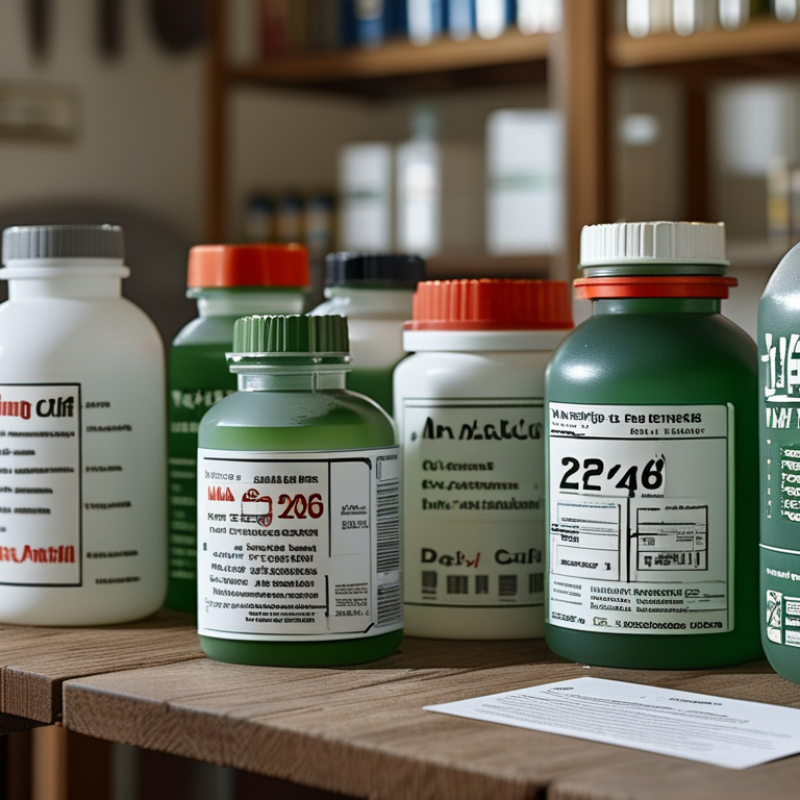
Potassium nitrate is an inorganic salt used in several lawful industries. It can support agricultural fertilization when applied according to soil needs. It also has controlled uses in laboratory research, industrial processing, and some regulated food applications. Its white, crystalline appearance can seem harmless. That impression is incomplete. The substance is an oxidizer and requires careful handling, accurate labeling, and suitable storage.
Legal purchasing rules differ between countries, regions, and intended uses. A responsible buyer should confirm requirements with local agricultural, chemical-safety, or customs authorities. Authorized suppliers may request identification, business details, an end-use statement, or other records. Keep the safety data sheet available. Store the material in a cool, dry place, away from fuels, organic materials, heat, and incompatible chemicals. Never transfer it into an unmarked container.
Rules change.
Professional guidance matters. An agricultural user should verify the correct application rate with a qualified agronomist, because excess fertilizer can damage crops and waterways. A laboratory should follow its institutional chemical-management plan. Food-related use may require additional permits, purity standards, and documented procedures. It is easy to assume that a familiar agricultural product needs no review. That assumption can create real safety and compliance problems. Check current local rules before ordering, and retain invoices and usage records for accountability.
Buying potassium nitrate legally in 2026 requires more than finding an online seller. Rules differ by country, state, province, and sometimes city. Local authorities may classify it as a controlled chemical or a restricted agricultural product. Check the official government website before ordering. Confirm whether personal purchases are allowed, and review limits on quantity, age, identity checks, and delivery addresses.
A legitimate seller may request identification, a stated lawful purpose, or supporting documents. Some transactions require records or reporting. Do not assume that a product sold openly is legal everywhere. Import rules can also apply, even when the seller operates in another country. Read the safety data sheet, confirm the purity and intended use, and store the material according to local guidance. Keep it away from heat, contamination, and incompatible substances. Small details matter.
Tips: Ask the relevant chemical, agriculture, or customs authority for written guidance. Save the webpage, permit number, receipt, and seller’s compliance information. If an official answer is unclear, pause the purchase. I have found that general internet advice often misses regional restrictions. That is a weakness worth recognizing. Avoid informal marketplaces and sellers who refuse documentation. Purchase only the amount permitted for your verified, lawful use, and seek professional advice when regulations conflict.
Buying potassium nitrate legally in 2026 requires more than finding a low price online. Start by checking your local rules, intended use, and any registration requirements. A reputable supplier should provide a verifiable business address, working contact details, and clear sales conditions. Ask whether they can sell to your organization lawfully.
Request a current Safety Data Sheet and a Certificate of Analysis before payment. The certificate should show product grade, tested purity, batch number, test date, and laboratory details. Match those details with the label and shipping documents. Check the container for an intact seal, readable markings, and safe packaging. Missing paperwork is a warning sign.
Do not rely on a polished website alone. I once treated professional presentation as proof of reliability; that assumption can fail. Verify the supplier through official business records or recognized trade directories. Ask how complaints, damaged shipments, and product returns are handled. Keep invoices, permits, correspondence, and delivery records in one file. Small inconsistencies matter. A batch number that differs across documents should be clarified before purchase. Independent testing may be sensible for regulated or quality-sensitive work, although it adds time and cost. When a seller avoids basic questions, offers unexplained discounts, or pressures you to order quickly, pause the transaction and seek advice from your compliance officer or local authority.
How to Buy Potassium Nitrate Legally in 2026?
Legal purchasing starts with a clear identity check. A supplier may request government identification, business registration, tax details, and a verified delivery address. Some sellers also ask for the intended use, estimated quantity, and storage location. These checks support responsible supply-chain screening. The International Fertilizer Association’s 2024 medium-term outlook shows continued global demand for efficient crop nutrients, making traceability increasingly important. Requirements still vary by country and product concentration.
Record-keeping should be practical, complete, and easy to audit. Keep invoices, purchase orders, safety documents, delivery records, and correspondence together. Record the quantity, date, supplier details, and stated agricultural or industrial purpose. Do not assume digital receipts are enough. Some regulators require records for a defined period, while others expect access during inspections. A missing document can create unnecessary questions. I have found that simple naming conventions prevent confusion, although they are easy to neglect.
Tips: Use consistent company information across every document. Check the seller’s authorization before payment. Ask for the current safety data sheet. Confirm local storage and transport rules. Avoid unusual quantities or unclear descriptions. If a form seems excessive, pause and verify it with the relevant authority. The OECD-FAO Agricultural Outlook 2024–2033 emphasizes better nutrient-use efficiency, but compliance remains a local responsibility. Accuracy matters.
In the European Union, potassium nitrate is listed as a reportable explosives precursor under Regulation (EU) 2019/1148. Suspicious transactions, significant disappearances, and thefts must be reported without undue delay and within 24 hours of detection. Transaction records related to restricted precursors must generally be retained for five years. National laws may require additional identity checks, permits, or purchase records.
Buying potassium nitrate legally begins with local rules, not an online search. Requirements may differ by country, region, and intended use. Choose an authorized agricultural or laboratory supplier, provide accurate use information, and keep purchase records when required. Read the safety data sheet before accepting delivery. It explains hazards, protective equipment, and disposal rules.
Store the material in its original, clearly labeled container. Keep it locked, dry, and well ventilated, away from children and unauthorized users. A cool utility cabinet is safer than a damp garden shed. Keep potassium nitrate separate from fuels, oils, paper, wood, acids, and other combustible materials. Do not place it beside heaters, electrical equipment, or direct sunlight. Check the container regularly for damage, moisture, or faded labeling.
Use only the amount and method permitted on the product label. Wear suitable gloves and eye protection, and avoid creating dust during handling. Never transfer it to a food jar or an unmarked container. A small mistake can become serious. I would also record the date, quantity, and storage location, although many people forget this simple step. If a spill occurs, restrict access and follow the safety data sheet instead of improvising. Dispose of unwanted material through local hazardous-waste guidance, not household drains or ordinary trash.
| Compliance Area | Responsible and Legal Practice | Documents or Checks to Keep | Important 2026 Reminder |
|---|---|---|---|
| Product identification | Confirm the product is clearly labeled as potassium nitrate and obtain the Safety Data Sheet (SDS) before purchase or use. | Product label, SDS, concentration or purity information, batch details, and supplier documentation. | Do not buy unidentified, relabeled, or unsealed material. |
| Local legal requirements | Check the rules that apply in the country, state, province, or municipality where the product will be purchased, stored, and used. | Written confirmation from the relevant chemicals, agricultural, environmental, or fire-safety authority when required. | Requirements can differ by quantity, concentration, intended use, and buyer type. |
| Buyer verification | Provide accurate identity, delivery, and intended-use information if requested by the seller or authorities. | Government-issued identification, business or institutional details, permits, and purchase records where applicable. | A legitimate seller may refuse an order that cannot be verified or appears inconsistent with the stated use. |
| Intended use | Use only for lawful agricultural, laboratory, educational, or other approved purposes and follow the product label and SDS. | A written use description, risk assessment, operating procedure, and training record when relevant. | Do not use potassium nitrate to manufacture explosives, pyrotechnics, or other prohibited devices. |
| Storage location | Keep it in a cool, dry, well-ventilated, locked area with restricted access and suitable spill controls. | Inventory log, access list, storage inspection records, and emergency contact information. | Follow the SDS and local fire-code requirements for oxidizing solids and stored quantities. |
| Incompatible materials | Keep away from combustible or organic materials, fuels, reducing agents, acids, heat, sparks, and open flames. | Segregated-storage plan and compatibility review based on the SDS. | Potassium nitrate is an oxidizer and can intensify combustion even though it is not itself a fuel. |
| Packaging and labeling | Keep the material in its original, closed, compatible packaging with the hazard label visible. | Original container, label, lot number, receipt, and date received. | Never place it in food, drink, medicine, or unmarked household containers. |
| Handling and personal protection | Avoid generating dust, wash hands after handling, and use the protective equipment specified by the SDS and workplace risk assessment. | Training records, risk assessment, SDS review, and appropriate gloves or eye protection where required. | Do not eat, drink, smoke, or apply cosmetics in the handling area. |
| Transport and delivery | Use a carrier authorized for the applicable classification and comply with packaging, quantity, marking, and documentation rules. | Shipping papers, delivery records, emergency information, and carrier authorization where required. | Do not leave the material unattended in a vehicle or transport it with fuels or other combustible goods. |
| Inventory control | Record quantities received, issued, transferred, and remaining; investigate unexplained losses immediately. | Current inventory register, reconciliation checks, purchase receipts, and authorized-user records. | Some jurisdictions impose reporting or security duties for specified quantities or uses. |
| Spill or fire response | Isolate the area, keep combustibles away, avoid creating dust, and follow the SDS emergency procedures. Contact emergency services when necessary. | Emergency plan, SDS, spill kit suitable for the material, and trained personnel. | Do not use combustible absorbents such as sawdust unless specifically approved by emergency guidance. |
| Disposal | Dispose of unused material, contaminated packaging, and cleanup residues through an authorized waste service or according to local hazardous-waste rules. | Waste classification, disposal receipt, transfer record, and confirmation from the local waste authority when needed. | Do not burn, bury, pour into drains, mix with other chemicals, or place it in ordinary household waste. |
Note: Legal requirements vary by jurisdiction and quantity. Always confirm current requirements with the relevant local authority, fire department, environmental agency, or qualified chemical-safety professional before purchasing, storing, transporting, or using potassium nitrate.
: It may support agricultural fertilization, laboratory research, industrial processing, and regulated food applications. Use depends on local rules and the intended purpose.
It is an oxidizer, even though it looks like white crystals. Keep it away from fuels, organic materials, heat, and incompatible chemicals.
A supplier may request identification, business registration, tax details, and a verified delivery address. They may also ask about quantity, storage, and intended use.
Keep invoices, orders, delivery records, safety documents, and related correspondence together. Record the date, quantity, supplier details, and stated purpose. Simple file names help.
Store it in a cool, dry location with suitable ventilation and secure access. Use the original labeled container whenever possible. Never use an unmarked container.
They should confirm application rates with a qualified agronomist. Excess fertilizer may harm crops and pollute waterways. More is not always better.
Yes. Requirements vary by country, region, product concentration, and intended use. Check current rules with local chemical-safety, agricultural, or customs authorities. Rules change.
Laboratories should follow their institutional chemical-management plan. Food-related use may require permits, purity standards, and documented procedures. A familiar product still deserves review.
Pause before ordering and verify the request with the relevant authority. Check the seller’s authorization and request the current safety data sheet. I might overlook something. Rechecking is sensible.
How to Buy Potassium Nitrate Legally in 2026? This guide explains how to approach a lawful purchase of potassium nitrate for approved purposes, such as certain agricultural, laboratory, educational, or industrial applications. Before ordering, buyers should understand the product’s intended use, review current local and national regulations, and confirm whether permits, quantity limits, or end-use declarations apply. Searches such as “Jual Potassium Nitrate” should lead only to transparent, compliant suppliers that provide clear product specifications, safety information, invoices, and any required documentation.
A responsible purchase also involves completing identity or business verification when requested and keeping accurate records of orders, quantities, storage locations, and intended use. Potassium nitrate should be stored securely, clearly labeled, separated from incompatible materials, and handled according to official safety guidance. Buyers should never rely on informal sellers or attempt to bypass legal controls; when regulations are unclear, they should contact the relevant authority or a qualified safety professional before proceeding.

VOJIN
