2026 Best Lead II Nitrate Potassium Iodide Suppliers?

Time:2026-10-14 Author:Sienna
0%

The 2026 search for reliable Lead 2 Nitrate Potassium Iodide suppliers requires more than comparing prices. It demands chemical identity, documented purity, and responsible handling. The phrase usually combines two separate reagents: lead(II) nitrate and potassium iodide. Buyers should confirm each material independently.

Industry data supports a careful approach. The U.S. Geological Survey Mineral Commodity Summaries 2025 tracks global lead production, refining, and supply risks. The World Health Organization’s 2023 guidance continues to emphasize that lead exposure can harm neurological development. Dr. Ana Navas-Acien, a recognized environmental-health researcher, has stated, “There is no safe level of lead exposure.” That warning matters here. Supplier reviews should examine sealed packaging, batch-specific certificates of analysis, trace-metal results, and transport controls. SDS documents should be current and accessible.

Quality is only part of the decision. The OECD Due Diligence Guidance for Responsible Supply Chains in Minerals encourages transparent sourcing and risk-based supplier evaluation. A strong vendor should explain manufacturing origin, lot traceability, storage conditions, and customer support. Third-party laboratory testing can reveal differences that product pages hide.

The market is not perfectly transparent. Some listings use incomplete names or vague purity claims. That creates avoidable uncertainty. This guide will compare established suppliers through technical evidence, compliance practices, delivery reliability, and practical purchasing experience. It will also note limitations, because supplier information can change quickly. Safety must remain non-negotiable.
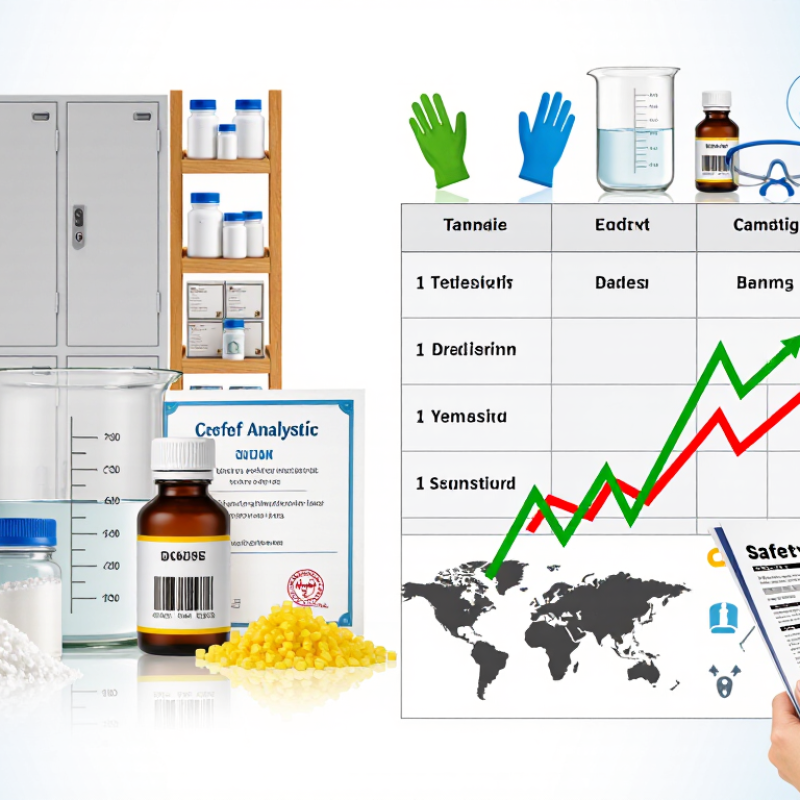
2026 Best Lead II Nitrate Potassium Iodide Suppliers?

What Are Lead(II) Nitrate and Potassium Iodide?

Lead(II) nitrate and potassium iodide are different inorganic salts with distinct chemical roles. Lead(II) nitrate, written as Pb(NO3)2, usually appears as white crystals. It dissolves in water and acts as a strong oxidizing compound. It is also toxic, so contact and dust exposure require strict laboratory controls.

Potassium iodide, or KI, is a white crystalline salt. It dissolves readily in water and provides iodide ions for chemical reactions. When mixed with lead(II) nitrate solution, it forms a bright yellow lead(II) iodide precipitate. Potassium nitrate remains dissolved. The color change is clear and useful for demonstrating precipitation chemistry, although visual results can vary with concentration and temperature.

Supplier information should be checked beyond a product title. A reliable source should provide a current safety data sheet, certificate of analysis, batch number, purity data, and suitable packaging details. Lead compounds need secure, clearly labeled containers and controlled handling procedures. Potassium iodide is less hazardous, but contamination and moisture can still affect quality. In practice, I would compare testing methods, storage conditions, and delivery documentation before purchasing. One detail is easy to overlook: “high purity” may not mean the same thing across suppliers. Ask how impurities were measured. Descriptions can still be incomplete.

Key Specifications and Industrial Applications

2026 Best Lead II Nitrate Potassium Iodide Suppliers?

Choosing suppliers for lead(II) nitrate and potassium iodide requires more than comparing prices. Key specifications include assay, moisture, trace-metal levels, chloride, sulfate, iron, and particle-size consistency. Potassium iodide should also be checked for iodate content, alkalinity, and solution clarity. A current certificate of analysis should identify the lot, testing method, and release date.

Documentation matters. Reliable suppliers provide safety data sheets, traceability records, compliant packaging, and transport information for regulated chemicals. Independent verification may be appropriate for sensitive production. A perfect specification sheet is not enough. In practice, storage humidity, container sealing, and delivery time can influence material performance. Procurement teams should ask how each supplier controls batch variation.

These chemicals support controlled laboratory and industrial work. Potassium iodide is used in iodometric testing, analytical preparation, and inorganic synthesis. Lead(II) nitrate can react with it to produce lead iodide for chemical analysis, materials research, and carefully managed demonstration systems. Such work requires trained personnel, ventilation, waste controls, and documented procedures because lead compounds are toxic. Supplier selection should therefore include technical support and regulatory awareness, not only product availability. Some buyers overlook after-delivery support, which can create avoidable handling and quality problems.

How to Evaluate Reliable Chemical Suppliers

2026 Best Lead II Nitrate Potassium Iodide Suppliers?

How to Evaluate Reliable Chemical Suppliers

A reliable supplier starts with evidence, not attractive product pages. For lead(II) nitrate and potassium iodide, request current specifications, safety data sheets, certificates of analysis, and lot numbers. Each document should match the exact material, grade, concentration, and packaging. Check whether an independent laboratory verifies purity, moisture, and trace-metal limits.

Traceability matters.

The ISO Survey 2022 recorded more than 1.2 million ISO 9001 certificates worldwide, but certification alone does not prove chemical quality. Ask how the supplier handles deviations, rejected batches, recalls, and storage records. A dependable warehouse should show controlled access, intact labels, sealed containers, and documented environmental conditions. Compare delivery records, not promises. Industry logistics reports frequently identify documentation and transport delays as major chemical supply risks.

Regulatory awareness is equally important. Lead compounds require careful hazard classification, worker protection, transport controls, and waste planning. Review local requirements before purchasing, especially when importing or storing these materials. Suppliers should provide clear emergency guidance and support lawful, documented use. I would not treat a fast quotation as proof of reliability. My own checklist can also miss hidden subcontractors, so I would request the manufacturing site, audit history, and a recent batch sample before approval. Triangulate the evidence.

2026 Best Lead(II) Nitrate and Potassium Iodide Suppliers

Recommended supplier-evaluation priorities based on practical chemical procurement, quality-control, safety, and logistics requirements. The percentages represent screening weights, not the performance of any specific company or brand.

The highest priorities are verified identity and assay, lot-level traceability, compliant safety documentation, and secure packaging and transport. Lead(II) nitrate and potassium iodide should be evaluated using current specifications, certificates of analysis, SDS documentation, applicable dangerous-goods requirements, and batch consistency.

Safety, Regulatory, and Storage Requirements

2026 Best Lead II Nitrate Potassium Iodide Suppliers?

Selecting suppliers for lead(II) nitrate and potassium iodide requires more than comparing prices. A credible supplier should provide current Safety Data Sheets, Certificates of Analysis, lot numbers, purity information, and clear transport documentation. Verify whether the supplier follows applicable GHS requirements and local chemical-control rules. Regulations differ by country, state, and intended use. Confirm them with your environmental or compliance officer.

Lead(II) nitrate is toxic and also an oxidizing solid. Store it in a cool, dry, locked cabinet, away from combustible materials, reducing agents, heat, and direct sunlight. Use sealed, compatible containers with secondary containment. Potassium iodide also needs dry storage because moisture can affect its condition. Keep both materials clearly labeled. Never place them beside food, personal items, or unapproved reagents.

A reliable purchasing review should examine packaging integrity, recall history, worker training, and waste-disposal support. Ask how damaged containers are handled. Ask about emergency contacts, too. Receiving staff should inspect every package for leaks, crushed corners, or missing labels before acceptance. Lead compounds can create serious environmental harm through careless disposal, so waste must follow authorized local procedures. No checklist is perfect. I would still recheck storage compatibility after every laboratory change, because routine work can hide new risks. Supplier claims should be documented, not accepted on trust alone.

Comparison Criteria for Selecting Suppliers in 2026

Selecting suppliers for lead(II) nitrate and potassium iodide requires more than comparing prices. In 2026, buyers should examine purity, batch consistency, documentation, and legal compliance. A reliable supplier provides current certificates of analysis, safety data sheets, lot numbers, and clear storage guidance. Independent testing, preferably through an ISO/IEC 17025-accredited laboratory, adds useful confidence. Check whether the reported purity matches your application, not just the headline specification. A low-cost offer can become expensive after rejected batches or delayed delivery.

Tips: Request a recent sample COA. Compare test methods, not only percentages. Confirm packaging, shelf life, and transport controls. Ask how complaints are investigated. Short answers are warning signs.

Supplier evaluation should also include traceability and communication quality. Can the supplier explain impurity limits in practical terms? Do they maintain documented quality systems and trained staff? For regulated purchasing, verify licenses, regional chemical rules, labeling requirements, and authorized delivery routes before ordering. Avoid suppliers that promise discreet handling or bypass normal paperwork. Those claims suggest avoidable risk. I would also review two or three historical batches, because one excellent sample proves little. My own comparison process would score quality, documentation, responsiveness, delivery reliability, and total cost separately. The scoring may feel overly cautious, but inconsistent materials can disrupt testing and waste weeks. Supplier performance should be reviewed periodically, since production sites, regulations, and logistics conditions can change.

FAQS

What are lead(II) nitrate and potassium iodide?

Lead(II) nitrate is a white, water-soluble inorganic salt and a strong oxidizing compound. It is toxic. Potassium iodide is a white crystalline salt that supplies iodide ions. Both require clear labels and controlled storage.

What happens when these two salts are mixed?

Their solutions can form a bright yellow lead(II) iodide precipitate. Potassium nitrate remains dissolved. The color may change with concentration and temperature.

How should lead(II) nitrate be stored?

Keep it in a locked, cool, dry cabinet. Use sealed, compatible containers with secondary containment. Store it away from heat, sunlight, combustible materials, and reducing agents.

Does potassium iodide need special storage?

Yes. Keep it dry and tightly sealed. Moisture can affect its condition. Store it away from food, personal items, and unapproved reagents.

What documents should a reliable supplier provide?

Request a current Safety Data Sheet, Certificate of Analysis, lot number, purity data, and transport documents. Packaging details matter, too. Claims need evidence.

Is the lowest price a good purchasing choice?

Not necessarily. Compare testing methods, storage conditions, packaging quality, recall history, and delivery records. “High purity” can mean different things. Ask how impurities were measured.

What should staff check when receiving these materials?

Inspect every package for leaks, crushed corners, moisture, or missing labels. Confirm the lot number and documents. Do not accept visibly damaged containers.

How should waste containing lead compounds be handled?

Follow authorized local disposal procedures and involve the environmental or compliance officer. Do not place lead-containing waste in ordinary waste streams. Small shortcuts can cause lasting environmental harm.

Conclusion

This 2026 supplier guide explains the differences between lead(II) nitrate and potassium iodide, two distinct inorganic chemicals with different properties, handling requirements, and industrial uses. Lead(II) nitrate is commonly evaluated for purity, solubility, moisture content, and trace-metal limits, while potassium iodide is assessed through assay, appearance, stability, and impurity control. Their applications may include laboratory analysis, educational research, specialty manufacturing, and controlled chemical processing. The phrase Lead 2 Nitrate Potassium Iodide should not imply that these substances are a single compound.

When selecting reliable suppliers, buyers should compare technical specifications, batch consistency, certificates of analysis, traceability, quality systems, packaging, lead times, and customer support. Suppliers should also demonstrate compliance with applicable chemical regulations and provide clear safety documentation. Because lead compounds require strict controls, appropriate labeling, secure storage, access management, and responsible disposal are essential. In 2026, the best purchasing decision should balance verified quality, regulatory compliance, transparent documentation, supply reliability, total cost, and safe transportation rather than focusing on price alone.


Sienna

Sienna

Sienna is a skilled marketing professional with a deep expertise in our company’s core products and services. With a passion for innovation and detail, she plays a pivotal role in crafting insightful blog posts that not only highlight the unique features of our offerings but also provide valuable......