2026 Top Kalium Nitrate Types for Global Procurement

Time:2026-09-19 Author:Mason
0%

Global Kalium Nitrate procurement is entering a more demanding phase in 2026. Buyers now examine purity, solubility, packaging, origin, and delivery reliability together. A low price can hide higher handling costs. Sometimes, the cheapest offer becomes expensive after testing.

Dr. Patrick Brown, a widely recognized plant nutrition researcher, stresses a practical principle: “Potassium management must match crop demand, soil supply, and field conditions.” This view fits modern Kalium Nitrate purchasing. Product selection should reflect crop stage, irrigation quality, application equipment, and local water chemistry. Greenhouse growers may prioritize fully soluble material with low insoluble residue. Broad-acre users may focus on consistent granulation, storage stability, and shipment efficiency. These differences matter.

This guide compares the leading Kalium Nitrate types available for global procurement in 2026. It considers agricultural grades, industrial grades, water-soluble formulations, and customized blends. The discussion also reviews purity ranges, nutrient analysis, particle form, moisture resistance, and supplier documentation. Certificates of analysis deserve close attention. So do batch traceability and independent testing.

The market is not perfectly uniform. Some suppliers describe similar grades differently. Regional specifications can also create confusion. Procurement teams should verify each claim against current laboratory results and contractual terms. That step feels slow. It can prevent rejected cargo, clogged fertigation lines, and uneven field performance.

Reliable sourcing requires more than choosing a famous producer. It requires matching product details with real operating conditions. That is the central lesson for 2026 buyers.
2026 Top Kalium Nitrate Types for Global Procurement

Potassium Nitrate Fundamentals: 13% N and 46% K₂O Guaranteed Analysis

Potassium nitrate is valued for its balanced nutrient profile. Its guaranteed analysis provides 13% nitrogen and 46% K₂O. The nitrogen supports leaf and stem development. Potassium helps regulate water movement, enzyme activity, and crop quality. Unlike many potassium fertilizers, potassium nitrate supplies no chloride. This matters for chloride-sensitive crops and controlled fertigation systems.

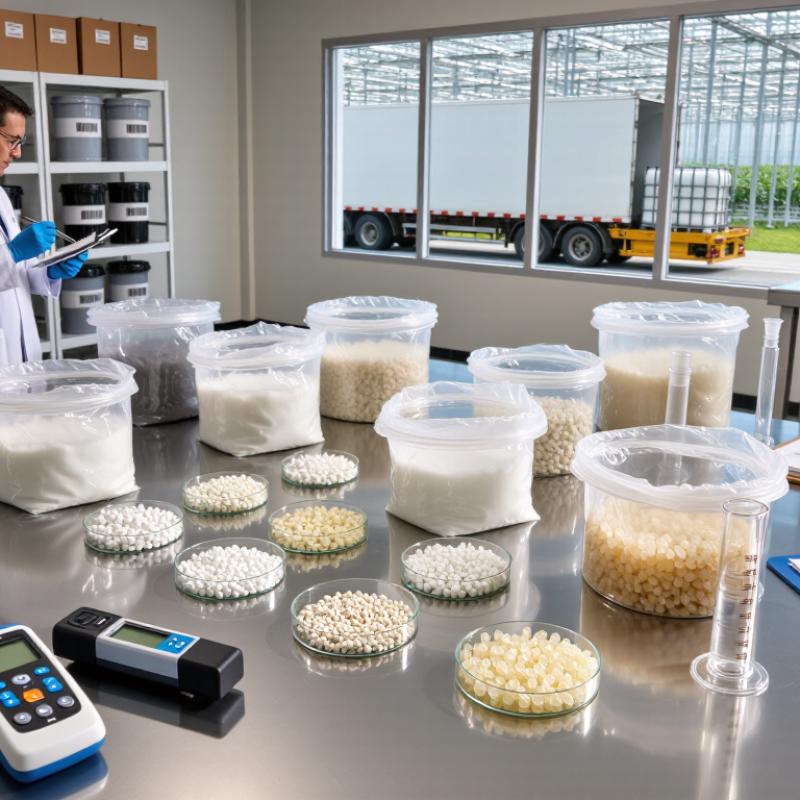
Global procurement usually involves several physical types. Fine crystalline material dissolves quickly in irrigation tanks and foliar solutions. Granular material is easier to handle during dry blending and field application. Particle size affects flow, dust, dissolution speed, and storage behavior. A reliable specification should list nutrient content, moisture, insoluble matter, particle distribution, and packaging strength. A certificate of analysis should support every shipment.

Small details often create larger problems. A bright sample may still contain excess moisture. It may cake during a long sea journey. Buyers should compare laboratory results with the stated 13% N and 46% K₂O values. Sampling procedures also deserve attention. One container is not enough for a large consignment. That shortcut can weaken confidence.

Storage should remain dry, ventilated, and protected from contamination. Keep the material away from incompatible products and damaged packaging. Procurement teams should also check local fertilizer rules, labeling requirements, and transport documentation. Specifications can look complete, yet omit the practical detail that operators need. A pre-shipment sample and defined acceptance limits reduce that uncertainty.

2026 Top Kalium Nitrate Types for Global Procurement - Potassium Nitrate Fundamentals: 13% N and 46% K₂O Guaranteed Analysis
Potassium Nitrate Type Typical Form & Appearance Guaranteed Total N Guaranteed K₂O Water Solubility at 20°C Typical Particle Range Best-Fit Procurement Use
Water-Soluble Crystalline Grade White crystalline powder or fine crystals; free-flowing when dry 13.0% min. 46.0% min. ≈31.6 g/100 g water 0.1–2.0 mm Fertigation, hydroponics, foliar nutrition, and soluble fertilizer blending
Fine Crystalline Grade Fine white crystals designed for rapid dissolution 13.0% min. 46.0% min. ≈31.6 g/100 g water 0.1–0.8 mm High-frequency fertigation and precision nutrient dosing
Prilled Grade Nearly spherical white to off-white prills with improved handling 13.0% min. 46.0% min. ≈31.6 g/100 g water 1.0–3.0 mm Bulk fertilizer handling, dry blending, and controlled field application
Granular Grade Granules engineered for lower dust and consistent spreading 13.0% min. 46.0% min. ≈31.6 g/100 g water 2.0–4.0 mm Mechanized spreading and dry fertilizer formulations
Low-Chloride Fertilizer Grade White crystalline or granular material with very low chloride contribution 13.0% min. 46.0% min. ≈31.6 g/100 g water Supplier-specific; commonly 0.5–3.0 mm Chloride-sensitive crops, protected cultivation, and premium fertilizer blends
Technical-Use Grade White crystals or granules; supplied against a technical specification Not necessarily fertilizer-labeled Not necessarily fertilizer-labeled ≈31.6 g/100 g water 0.1–4.0 mm, specification-dependent Industrial processing and applications requiring potassium nitrate chemistry
Fundamentals: Potassium nitrate is KNO₃, CAS No. 7757-79-1, with a molar mass of 101.10 g/mol. The commonly guaranteed fertilizer analysis is 13-0-46: 13% nitrogen (N) and 46% water-soluble potassium oxide equivalent (K₂O). Theoretical composition is approximately 13.86% N and 46.58% K₂O. Actual particle size, moisture, insoluble matter, chloride, and packaging specifications should be confirmed in the supplier’s current certificate of analysis.

Fertilizer-Grade KNO₃: 316 g/L Solubility at 20°C for Fertigation

2026 Top Kalium Nitrate Types for Global Procurement

Fertilizer-grade potassium nitrate, or KNO3, supports fertigation where nitrogen and potassium must reach roots evenly. Its solubility is about 316 g/L at 20°C, according to standard technical specifications. This figure helps buyers estimate stock-tank capacity and injection rates. It is not a promise of identical performance in every farm. Water temperature, purity, and mineral content can change the result.

A dependable procurement specification should include assay, moisture, insoluble matter, particle size, and batch testing. Request a current certificate of analysis before shipment. In practical systems, clean dissolution reduces filter loading and protects dosing equipment.

Start with a small mixing test. Observe the solution after several minutes, not only immediately after agitation. Cold water may dissolve the product more slowly. That detail is easy to miss.

Compatibility also deserves attention. Mixing KNO3 with concentrated calcium or magnesium products can create unwanted precipitates. Separate tanks or staged injection may be safer. Measure electrical conductivity during commissioning, then compare it with crop and water targets.

Keep bags sealed, dry, and elevated from concrete floors. Procurement teams sometimes focus on price and overlook handling losses. I have seen that assumption become expensive.

A better review connects laboratory data with the actual irrigation temperature, filtration setup, and delivery schedule.

Technical-Grade KNO₃: ≥99% Purity and Low-Chloride Procurement Criteria

In 2026, technical-grade potassium nitrate, or KNO₃, remains a practical choice for industrial procurement. Buyers should treat purity as a verified specification, not a marketing phrase. A minimum assay of 99% is a useful starting point. It does not describe the whole material.

Low chloride content deserves equal attention. Chloride can affect corrosion risk, process stability, and downstream product quality. Set a clear limit before requesting quotations. For sensitive applications, ask for chloride results from ion chromatography or another validated method. Review moisture, insoluble matter, sodium, and heavy-metal data on the same certificate of analysis.

Small details matter. A reliable procurement file should include batch numbers, test dates, sampling procedures, and retained samples. Check that the KNO₃ crystals arrive dry, free-flowing, and sealed in undamaged packaging. Storage records should show protection from humidity and cross-contamination. Verify the safety data sheet and local import requirements for every destination.

A practical warning: a 99% assay can still hide an unsuitable impurity profile. This is where procurement teams sometimes move too quickly. Request independent testing for the first shipment, then compare results with later batches. Supplier audits, traceable documentation, and agreed rejection criteria make price comparisons more meaningful. The lowest quotation may not be the lowest process cost. Language can also create confusion, especially when “low chloride” has no numerical definition. Put the limit in writing.

2026 Top Potassium Nitrate Types for Global Procurement

Technical-Grade KNO₃: ≥99% Purity and Low-Chloride Procurement Criteria

Assay benchmark
≥99.0%
Confirm by supplier certificate of analysis.
Low-chloride control
Specify a numeric limit
Chloride limits vary by end use and specification.
Molar mass
101.10 g/mol
Reference value for potassium nitrate, CAS 7757-79-1.

The chart shows the verified theoretical mass composition of pure KNO₃: potassium, nitrogen, and oxygen. For global procurement, technical-grade material should be screened against the ≥99% assay requirement, a clearly stated chloride maximum, moisture and insoluble-matter limits, packaging requirements, and a batch-specific certificate of analysis.

Specialty KNO₃ Forms: Crystalline, Prilled, and Water-Soluble Types

For global procurement in 2026, potassium nitrate selection depends on handling, dissolution, and crop application. The right form can reduce waste and improve dosing accuracy.

Crystalline potassium nitrate has sharp, irregular particles and a clean appearance. It suits controlled weighing, laboratory preparation, and dry blending. Buyers should inspect particle distribution, moisture, insoluble matter, and batch consistency. Fine crystals can dissolve quickly, but they may create dust during transfer. Small details matter.

Prilled potassium nitrate forms rounded granules with better flow through hoppers and automatic dosing equipment. Its lower dust profile supports cleaner warehouse operations. It is often practical for bulk fertilizer blends and industrial formulations. Check crush strength and caking after transport. A strong prill still needs dry packaging and careful storage. Humidity wins sometimes.

Water-soluble potassium nitrate is designed for fertigation, foliar feeding, and precise nutrient delivery. It should dissolve without visible residue under the intended water temperature. Do not rely on the label alone. Request a recent certificate of analysis, dissolution data, moisture limits, and representative samples. Cold water performance may differ noticeably between grades. That detail is easy to miss.

Procurement teams should match particle form with equipment, climate, shipping distance, and application method. A low purchase price can become expensive after clogging, rework, or damaged bags. One practical improvement is comparing two batches before signing a large contract. Specifications look reliable, yet real handling can expose weaknesses.

2026 Global Procurement: Compare Bulk, Bagged, and 25–50 kg Supply Options

For 2026 procurement, potassium nitrate selection should match storage capacity, application scale, and delivery frequency.

Bulk supply usually offers the lowest cost per tonne and reduces packaging waste. It suits large agricultural distributors with dedicated silos, dry warehouses, and reliable unloading equipment. Moisture control matters. A poorly sealed storage area can cause caking, slower handling, and avoidable losses.

Bagged potassium nitrate provides more flexible distribution. Common packaging includes woven sacks with inner liners, helping protect the material during transport and temporary storage. Bags are simpler. However, handling costs increase when workers must move many units. Buyers should check net weight, pallet stability, stitching quality, batch identification, and loading conditions before shipment. A clear certificate of analysis should confirm nitrogen, potassium, moisture, and particle-size specifications.

The 25–50 kg range often fits farms, regional wholesalers, and smaller blending operations. Twenty-five-kilogram bags are easier to lift and portion, while 50-kilogram bags may reduce packaging and handling costs per tonne. Worker safety and local weight regulations still require attention. In my experience, the cheapest quote is not always the best procurement decision; inland freight, repacking, damaged bags, and storage losses can quickly change the calculation. Some comparisons also overlook delivery timing. A slightly higher price with dependable documentation and consistent granulation may create fewer operational problems. Still, supplier claims need verification through recent test reports, contract terms, and pre-shipment inspection where practical.

FAQS

What does a purity level of at least 99% tell buyers?

It confirms the minimum KNO₃ assay, but it does not describe the complete impurity profile. Review chloride, moisture, insoluble matter, sodium, and heavy-metal results separately.

Why should chloride content be specified?

Chloride may increase corrosion risk, disturb processing, and affect downstream product quality. Set a numerical limit before requesting quotations. “Low chloride” alone is too vague.

Which test documents should procurement teams request?

Request a certificate showing batch number, test date, sampling method, and validated analytical results. Ion chromatography can support chloride verification for sensitive applications. Independent testing is wise.

How should the first shipment be checked?

Test the first shipment independently and compare results with later batches. Retain samples for future review when practical. Claims need checking.

What packaging details matter for bagged material?

Check inner liners, net weight, stitching, pallet stability, batch identification, and loading conditions. Packaging should arrive sealed and undamaged. Small defects can cause losses.

When is bulk supply appropriate?

Bulk supply may reduce cost per tonne and packaging waste for large-volume operations. It requires dry warehouses, dedicated storage, and dependable unloading equipment. Keep it dry.

When are 25–50 kilogram bags more suitable?

These sizes can suit farms, regional wholesalers, and smaller blending operations. Twenty-five-kilogram bags are easier to lift, while 50-kilogram bags may reduce handling costs. Local weight rules still matter.

How should buyers compare supplier quotations?

Compare product price, inland freight, repacking, damaged bags, storage losses, and delivery timing. Consistent granulation and reliable documents may reduce operational problems. The cheapest quote may not be cheapest overall.

Conclusion

Kalium Nitrate, also known as potassium nitrate (KNO₃), is a dual-nutrient fertilizer supplying a guaranteed 13% nitrogen and 46% K₂O. Its chloride-free composition makes it suitable for crops sensitive to chloride, while its high water solubility supports efficient fertigation. Fertilizer-grade material can offer solubility of approximately 316 g/L at 20°C, enabling reliable preparation of concentrated nutrient solutions when handled under appropriate conditions.

For industrial and laboratory applications, technical-grade Kalium Nitrate is commonly evaluated against criteria such as at least 99% purity, controlled moisture, and low chloride levels. Buyers may select crystalline, prilled, or water-soluble forms according to dosing, storage, and application requirements. In 2026, global procurement decisions should compare bulk shipments with bagged supply, including practical 25–50 kg packaging options. Key considerations include specification consistency, packaging integrity, documentation, logistics, storage conditions, and total delivered cost.


Mason

Mason

Mason is a seasoned marketing professional with a deep expertise in the company's offerings and a passion for driving brand awareness. With a strong background in digital marketing strategies, he has an innate ability to connect with diverse audiences and effectively communicate product benefits.......